Topic · Society · 30 books
Books on Politics
Government, liberty and the limits of power, from Aristotle through the Reformers to the American founding.

Politics
Aristotle · 330 BC — constitutions, citizenship, and the ideal state drawn from over a hundred Greek city-states.
On Duties
Cicero · 44 BC — a father's letter to his son on justice, generosity, and why nothing wrong can ever truly be advantageous.
 Read free · Audiobook →
Utopia
Thomas More · 1516 AD — Raphael Hythloday's account of an island with no money and no private property.
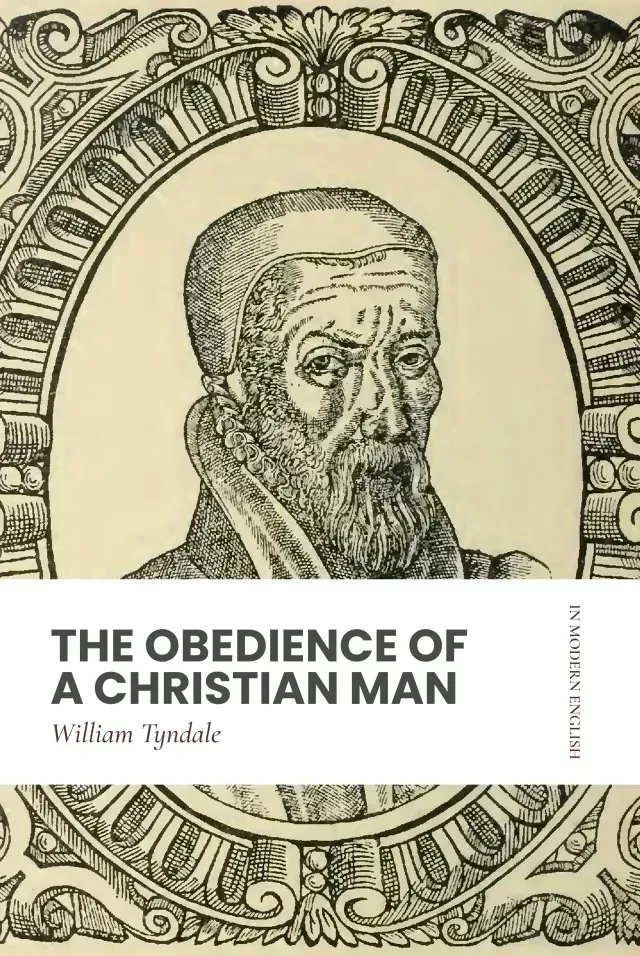
The Obedience of a Christian Man
William Tyndale · 1528 AD — Scripture's authority over the pope and the ruler's authority over earthly affairs.
 Read free · Audiobook →
The True Law of Free Monarchies
James VI/I · 1598 AD — a reigning king's case that monarchs answer to God alone and that subjects may never lawfully rebel.

A Model of Christian Charity
John Winthrop · 1630 AD — the shipboard sermon envisioning the Massachusetts Bay colony as a city upon a hill.

Patriarcha: The Natural Power of Kings
Robert Filmer · 1635 AD — the defense of absolute monarchy that provoked Locke's case for democracy.
Areopagitica
John Milton · 1644 AD — a speech to Parliament defending the freedom to read, print, and judge for oneself.

Leviathan
Thomas Hobbes · 1651 AD — Hobbes on human nature, the state of nature, and the social contract.
The Christian Commonwealth
John Eliot · 1651 AD — a vision of civil government derived entirely from Scripture, by the Apostle to the Indians.

Second Treatise of Government
John Locke · 1689 AD — the argument that government rests on consent and tyrants may be overthrown.
Politics Drawn from Holy Scripture
Jacques-Bénigne Bossuet · 1709 AD — a royal tutor's case for sacred, paternal, absolute monarchy, proved proposition by proposition from the Bible.
 Read free · Audiobook →
Federalist Papers
Alexander Hamilton · 1787 AD — eighty-five essays by Hamilton, Madison, and Jay defending the proposed Constitution.
The U.S. Constitution & Bill of Rights
Founding Fathers · 1787 AD — the framework of American government and the rights it guarantees citizens.

Reflections on the French Revolution
Edmund Burke · 1790 AD — a letter defending tradition and gradual reform against the French Revolution's ideology.

Considerations on France
Joseph de Maistre · 1796 AD — the French Revolution read as divine punishment and providential instrument.
Washington’s Farewell Address
George Washington · 1796 AD — Washington's parting counsel against political faction and for national unity.
The Generative Principle of Political Constitutions
Joseph de Maistre · 1814 AD — constitutions grow from a nation's history and character, never from pure reason.
Signs of the Times
Thomas Carlyle · 1829 AD — an essay naming the era the Mechanical Age, run by machinery instead of conviction.
Democracy in America: Volume 1
Alexis de Tocqueville · 1835 AD — the institutional half of Tocqueville's study, from the township to the Constitution.

Messiah the Prince
William Symington · 1839 AD — Symington on the nature, scope, and duration of Christ's mediatorial kingship.
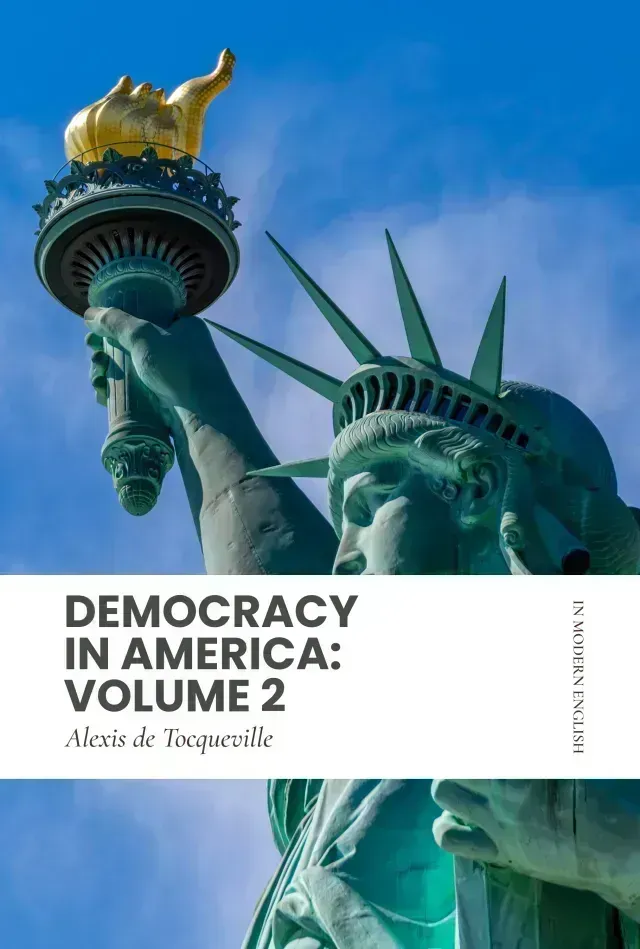
Democracy in America: Volume 2
Alexis de Tocqueville · 1840 AD — the political half, including the chapter on the tyranny of the majority.
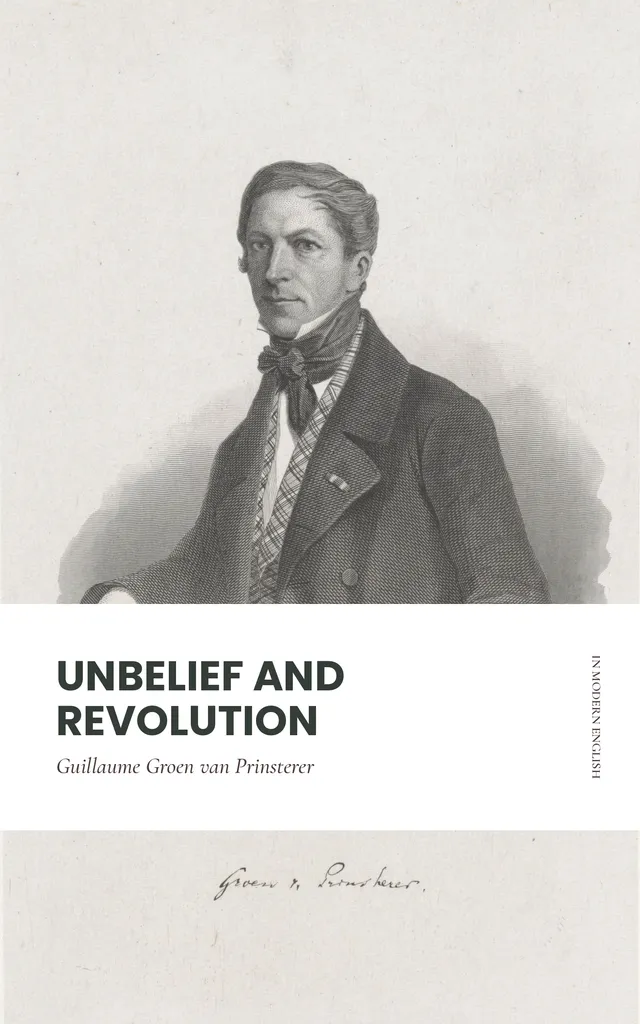
Unbelief and Revolution
Guillaume Groen van Prinsterer · 1847 AD — fifteen lectures tracing the French Revolution to the rejection of God's law.
The Law
Frédéric Bastiat · 1850 AD — law as organized self-defense, and why redistribution is legal plunder.
On Liberty
John Stuart Mill · 1859 AD — the harm principle: society may restrain a person only to prevent harm to others.
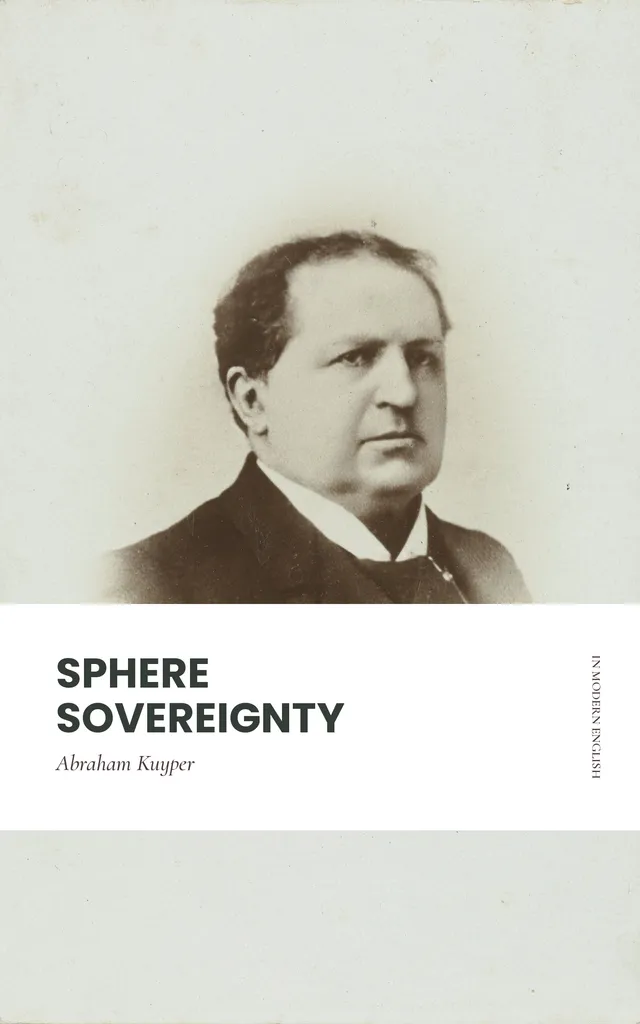
Sphere Sovereignty
Abraham Kuyper · 1880 AD — the address arguing family, church, scholarship, and state each hold authority from God.
Every one of these books is free to read online
All 30 books, full text, with a free account that saves your place on every device. The PDF and EPUB come with each book, and paperbacks are printed to order.