William Wilberforce
British Member of Parliament who led the twenty-year campaign to abolish the Atlantic slave trade, secured in 1807, and whose 1797 book Real Christianity became a defining statement of English evangelical faith.
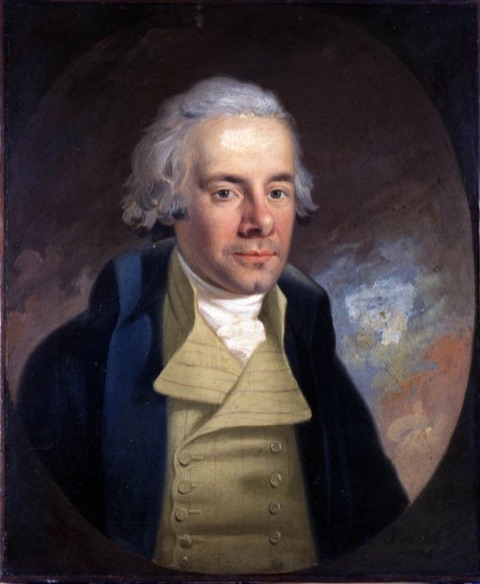
1759–1833
Biography
William Wilberforce (1759 to 1833) was a British Member of Parliament and evangelical reformer who led the parliamentary campaign to abolish the slave trade in the British Empire. He was born on 24 August 1759 in Hull, Yorkshire, into a wealthy merchant family, and studied at St John's College, Cambridge, where he formed a lasting friendship with William Pitt the Younger, the future prime minister.
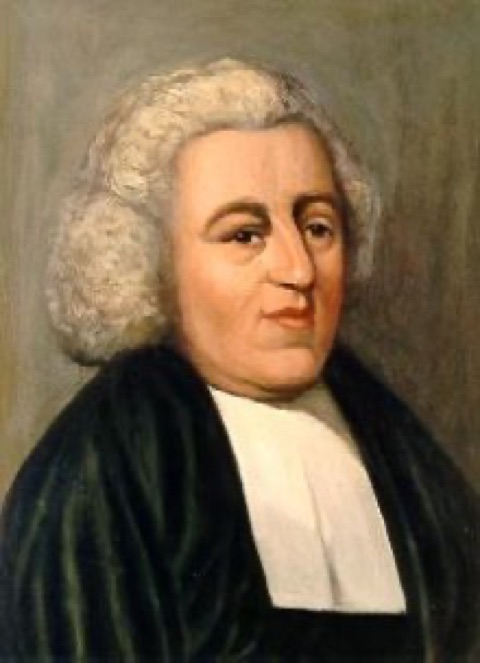
In 1780, at the age of twenty-one, Wilberforce was elected to the House of Commons as one of the members for Hull, and in 1784 he won the far more influential county seat for Yorkshire. During a tour of the Continent in 1785 he underwent an evangelical conversion, an experience he called the "Great Change," partly through conversations with Isaac Milner. He considered leaving public life for the church, but the former slave-trading captain turned clergyman John Newton urged him to remain in Parliament and serve his faith there.
In 1787 Wilberforce agreed to lead the abolition cause in the House of Commons, working alongside Thomas Clarkson and the Committee for the Abolition of the Slave Trade. He delivered his first major abolition speech in May 1789 and introduced bills repeatedly through the 1790s, each of which was defeated by commercial interests and wartime anxieties. The campaign finally succeeded with the Slave Trade Act of 1807, which made it illegal to carry enslaved people in British ships.
Wilberforce was the central figure in a group of evangelical reformers based at Clapham, south of London, often called the Clapham Sect, which included Henry Thornton and Granville Sharp. Beyond abolition, he supported the founding of the Church Missionary Society in 1799 and the British and Foreign Bible Society in 1804, and in 1824 he helped establish the society for the prevention of cruelty to animals. In 1797 he married Barbara Spooner, with whom he had six children.
His book A Practical View of the Prevailing Religious System of Professed Christians, published in 1797 and now issued as Real Christianity, argued that nominal churchgoing had replaced genuine faith among the English upper classes. It sold rapidly, went through many editions, and became one of the most widely read religious books of its era.
Failing health led Wilberforce to leave the Commons in 1825, but he continued to press for the complete emancipation of enslaved people throughout the empire. He died in London on 29 July 1833, three days after learning that the Slavery Abolition Act, which ended slavery across most of the British Empire, was certain to pass. He was buried in Westminster Abbey near Pitt.
Life & Career
Why Wilberforce Matters
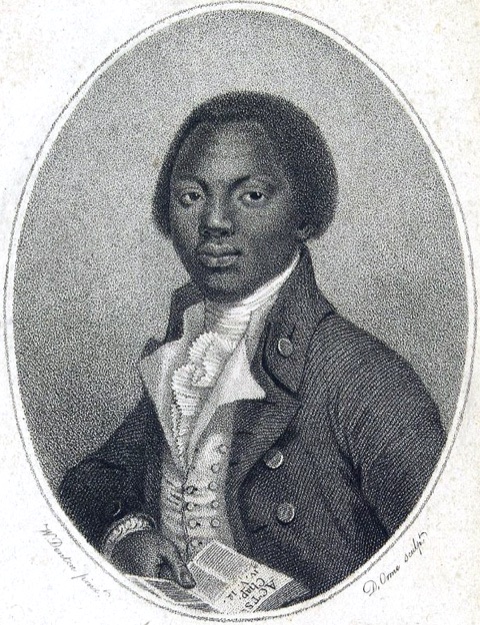
Wilberforce's principal achievement was legislative. For twenty years he was the parliamentary face of British abolition, converting the moral case assembled by Clarkson, Sharp, and formerly enslaved writers such as Olaudah Equiano into the votes that produced the Slave Trade Act of 1807. His persistence through repeated defeats made abolition a sustained political project rather than a passing cause, and the 1807 act became a precedent that Britain used to pressure other nations to end their own slave trades.
He also fused evangelical religion with public reform in a way that shaped nineteenth-century British life. The Clapham circle around him treated faith as a mandate for organized action, and the missionary and Bible societies they supported grew into major institutions. His interests extended to prison conditions, popular education, and the treatment of animals, linking a wide range of reform movements to a common religious motive.
As an author, Wilberforce reached an audience that his speeches could not. Real Christianity pressed the comfortable classes to examine whether their outward religion matched inward conviction, and its commercial success gave evangelical ideas a respectability among the educated and wealthy that they had previously lacked.
His death in 1833, coinciding with the passage of the Slavery Abolition Act, tied his name to the end of British slavery. Later reformers on both sides of the Atlantic, including American abolitionists, cited his campaign as a model of how a determined minority could change national law.