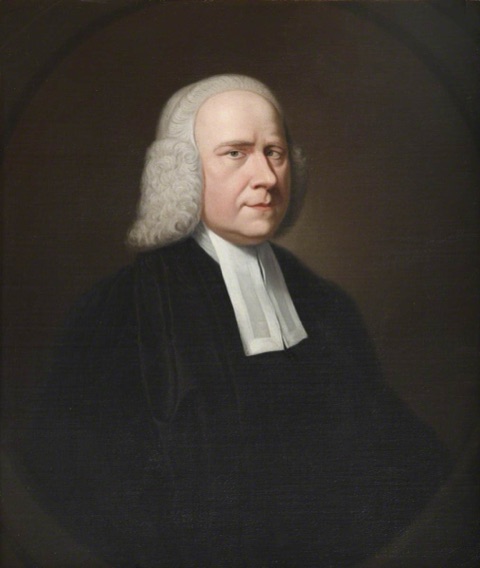
John Newton
Author of the hymn "Amazing Grace" and a former slave-ship captain who became an evangelical Anglican clergyman. His 1788 pamphlet Thoughts Upon the African Slave Trade supplied firsthand testimony to the parliamentary campaign against the trade.
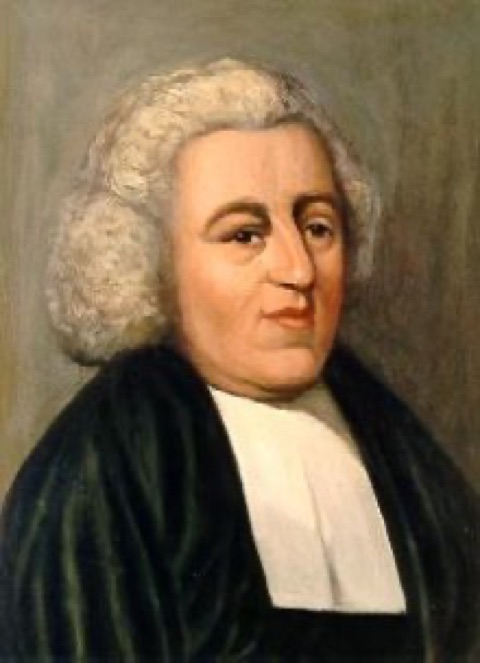
1725–1807
Biography
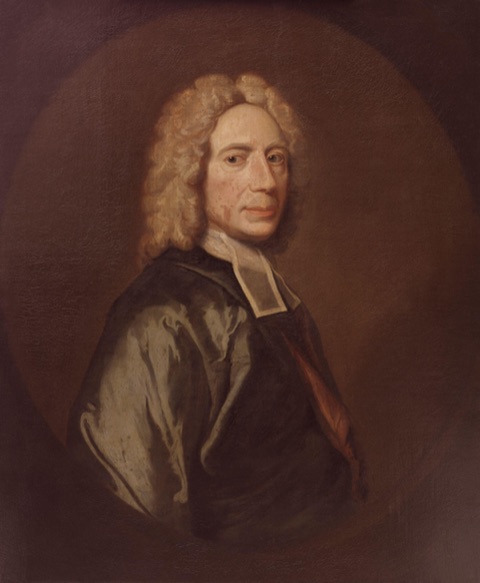
John Newton (1725 to 1807) was an English Anglican clergyman, former slave trader, and hymn writer best known as the author of "Amazing Grace." Born in London on July 24, 1725, he was the son of a merchant sea captain. His mother, a devout Nonconformist, died when he was six, and Newton went to sea with his father at the age of eleven, beginning a maritime life that would carry him through the Atlantic slave trade before it turned him toward the ministry.
In 1744 Newton was pressed into the Royal Navy and served aboard HMS Harwich. He deserted, was recaptured, flogged, and demoted, and at his own request was transferred to a merchant ship bound for the West African coast. On the Guinea coast he fell into the service of a slave trader whose African wife treated him harshly, and for a time Newton was himself dependent and destitute in what is now Sierra Leone. A ship sent by his father's business connections eventually retrieved him.
The voyage home aboard the Greyhound in March 1748 became the turning point of his life. When the ship nearly foundered in a violent Atlantic storm, Newton called out for God's mercy and afterward dated the beginning of his conversion to that night, though he continued in the slave trade for years more. In 1750 he married Mary Catlett, whom he had loved since his teens, and took command of the slave ships Duke of Argyle and African, completing three voyages as captain between 1750 and 1754.
A seizure in 1754 ended his career at sea, and in 1755 he became a tide surveyor in the port of Liverpool. During these years his religious convictions deepened through study and contact with evangelical leaders such as George Whitefield. After repeated efforts to enter the ministry, Newton was ordained in the Church of England in 1764 and became curate of Olney in Buckinghamshire. That same year he published An Authentic Narrative, an account of his early life and conversion that circulated widely.
At Olney, Newton formed a close friendship with the poet William Cowper, and the two collaborated on the Olney Hymns, published in 1779. Newton wrote most of the collection's texts, among them "Amazing Grace," composed for a New Year's service on January 1, 1773, and "Glorious Things of Thee Are Spoken." In 1780 he moved to London as rector of St Mary Woolnoth, where his preaching and pastoral letters made him a leading voice of the Evangelical revival within the established church.
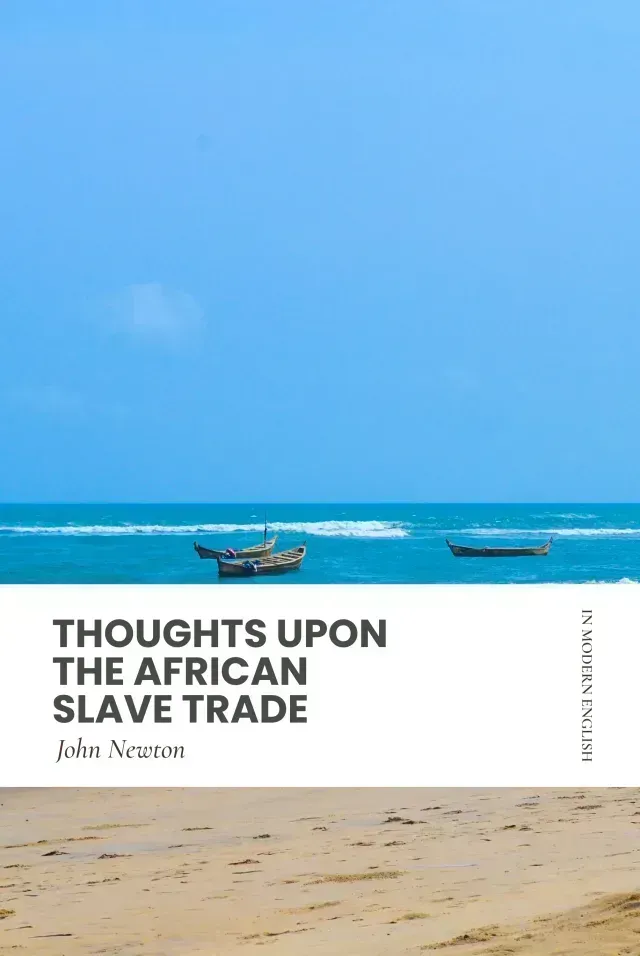
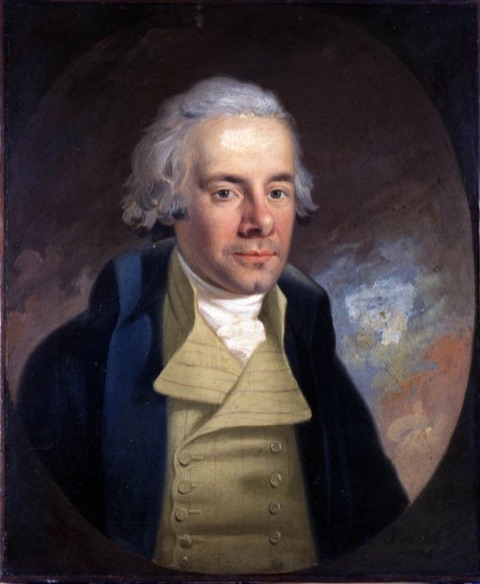
In the 1780s Newton became a mentor to the young Member of Parliament William Wilberforce, encouraging him to remain in public life and to press the cause of abolition. In 1788 Newton published Thoughts Upon the African Slave Trade, describing the conditions aboard the ships he had commanded and declaring it a matter of humiliation that he had ever been involved in the trade. He lived to see Parliament pass the Slave Trade Act in 1807, and died in London on December 21 of that year.
Life & Career
Why Newton Matters
Newton's largest and most durable influence lies in English hymnody. The Olney Hymns of 1779 gathered nearly three hundred texts, most of them his own, written to be sung by an ordinary rural congregation. "Amazing Grace" in particular became one of the most widely sung hymns in the English language, and its account of a wretch saved by unmerited mercy drew directly on his own record as a slave-ship captain. His plain, first-person style helped shape the devotional voice of evangelical worship well beyond his own century.
As a minister, Newton stood at the center of the Evangelical party within the Church of England. From his pulpits at Olney and St Mary Woolnoth he preached a theology of grace and conversion, and his published letters, collected in volumes such as Cardiphonia, were valued as models of pastoral counsel. He corresponded with and encouraged a wide circle of clergy and laypeople, functioning as a kind of spiritual director for the movement.
Newton also holds a specific place in the history of abolition. Because he had commanded slave ships himself, his testimony carried an authority that few opponents of the trade could match. Thoughts Upon the African Slave Trade described the mortality, cruelty, and moral corruption of the traffic from the vantage of a former captain, and copies were sent to every member of Parliament. His counsel to William Wilberforce, urging him to combine his faith with political service, connected the world of evangelical religion to the parliamentary campaign that ended the British slave trade in 1807.
His autobiographical writings, beginning with An Authentic Narrative, established a template for the conversion memoir that ran from public sinner to preacher of grace. The epitaph he composed for himself, describing a former "servant of slaves in Africa" who was restored and appointed to preach the faith he had once labored to destroy, remains the summary he intended readers to keep.