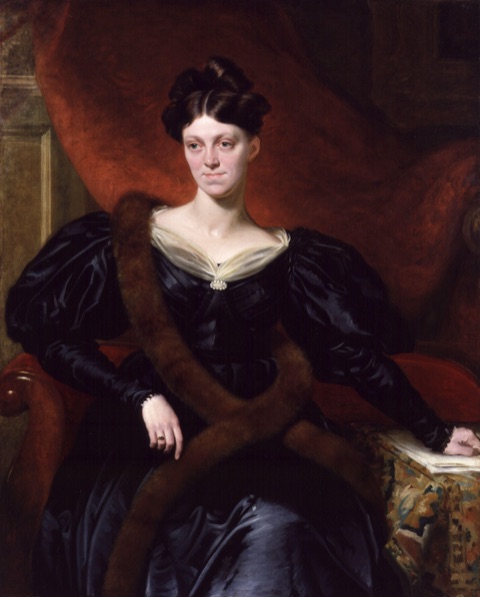
Alexander Falconbridge
A British ship's surgeon who sailed on four Atlantic slave-trading voyages and then turned against the trade, publishing a detailed eyewitness account of conditions aboard the ships. His testimony became primary evidence for the parliamentary campaign to abolish the British slave trade.
Biography
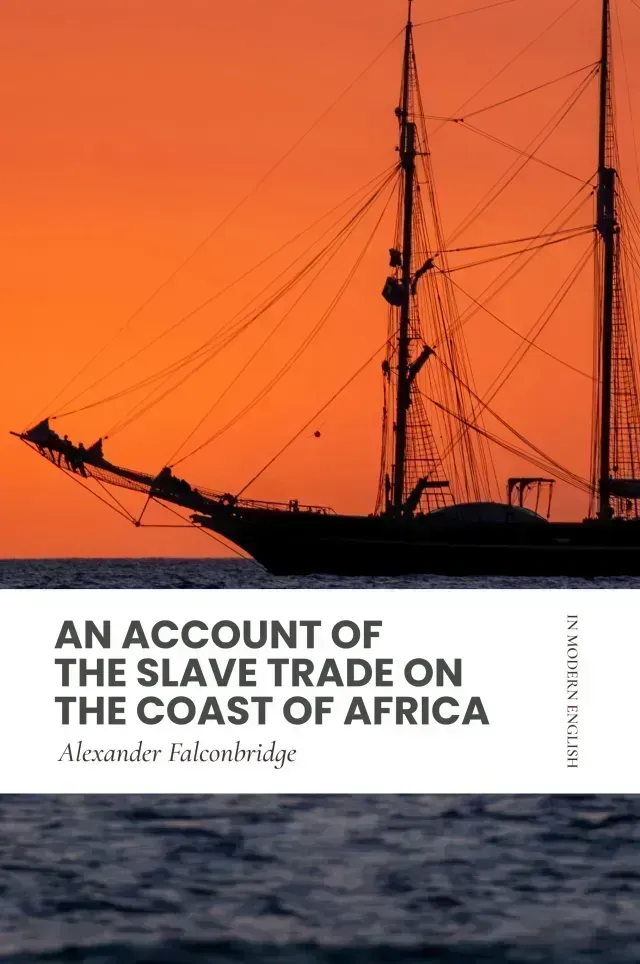
Alexander Falconbridge (around 1760 to 1792) was a British ship's surgeon who served on four Atlantic slave-trading voyages and afterward became a witness for the trade's abolition, publishing An Account of the Slave Trade on the Coast of Africa in 1788. His work as a surgeon placed him below decks among the captives during the Middle Passage, and the observations he recorded there supplied the abolition movement with some of its most concrete documentary evidence.
Falconbridge sailed as surgeon on voyages that carried enslaved Africans from the West African coast to the sugar colonies of the West Indies. The surgeon's task was to keep the captives alive and saleable, which gave him close and repeated exposure to how they were bought, confined, fed, and transported. After leaving the trade he was recruited by Thomas Clarkson, who was gathering firsthand testimony for the newly formed Society for Effecting the Abolition of the Slave Trade, and Falconbridge accompanied Clarkson on evidence-gathering visits to the ports of Bristol and Liverpool.
His Account, published in London in 1788, described in plain surgeon's language the purchase of captives on the coast, the crowding of men, women, and children into the hold, the effects of heat, disease, and suffocation on packed decks, and the treatment of both slaves and seamen. Because it came from a man who had done the work himself, it carried weight that pamphlets by outsiders could not, and Falconbridge gave oral evidence before the parliamentary committees investigating the trade. His descriptions were cited in the debates led by William Wilberforce and drew on the same body of firsthand material that Clarkson was assembling.
In 1791 Falconbridge was sent by the Sierra Leone Company to the settlement of freed and formerly enslaved people on the West African coast, where he negotiated with local rulers to re-establish the colony after its earlier dispersal. His wife, Anna Maria Falconbridge, traveled with him and later published her own narrative of the two voyages. He quarreled with the Company's directors over the running of the settlement and died there in 1792, still only about thirty-two years old.
Why Falconbridge Matters
Falconbridge matters as a documentary witness. The British campaign against the slave trade depended on converting a distant commerce into evidence that members of Parliament could weigh, and Falconbridge supplied exactly that: an insider's account, written by a man whose medical duties had forced him to see the trade's workings at close range. His credibility rested on his having worked in the trade before turning against it.
His Account of the Slave Trade on the Coast of Africa gave the movement specific, checkable detail rather than general appeals to sentiment. Descriptions of how captives were confined below decks, how disease spread in the holds, and how mortality was managed became part of the material that Thomas Clarkson and William Wilberforce carried into the parliamentary hearings of the late 1780s and 1790s.
His later work in Sierra Leone connects him to the other side of the abolitionist project: the attempt to build a settlement for freed and formerly enslaved people on the African coast. His involvement, and his wife Anna Maria's published narrative of their voyages, left a firsthand record of that early and troubled experiment. Together the two accounts remain source material for historians of both the slave trade and the Sierra Leone colony.