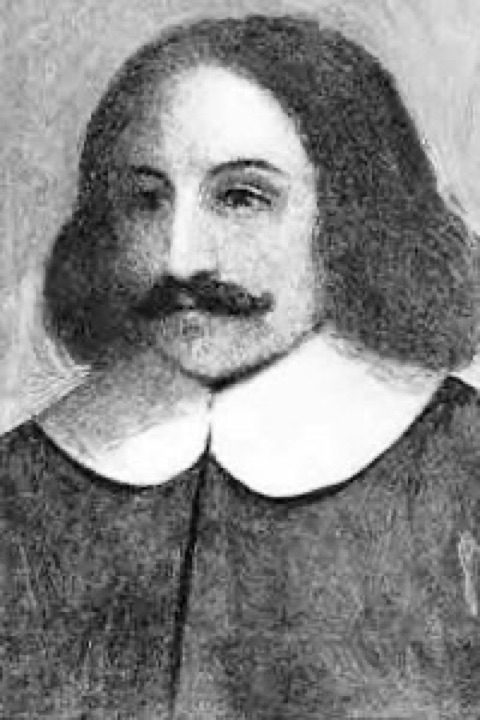
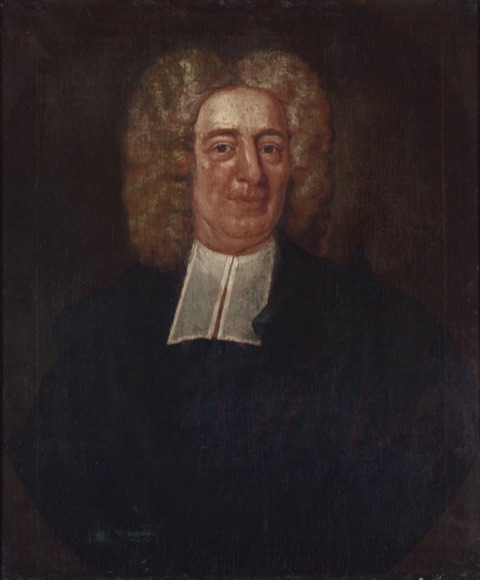
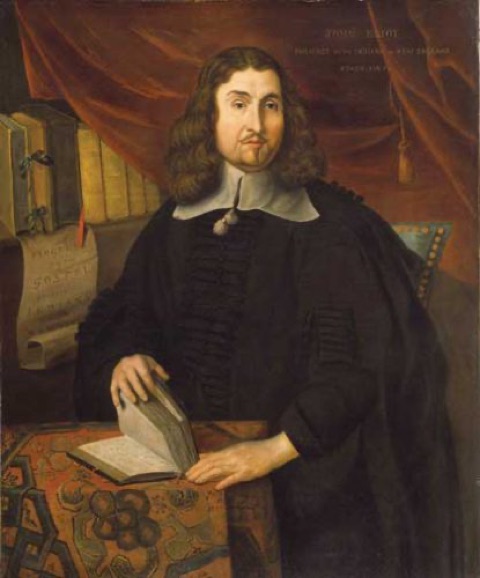
John Winthrop
English Puritan lawyer who led the Great Migration to New England in 1630 and served as the first and longest-serving governor of the Massachusetts Bay Colony. His lay sermon "A Model of Christian Charity," with its image of a "city upon a hill," became one of the founding texts of American political rhetoric.
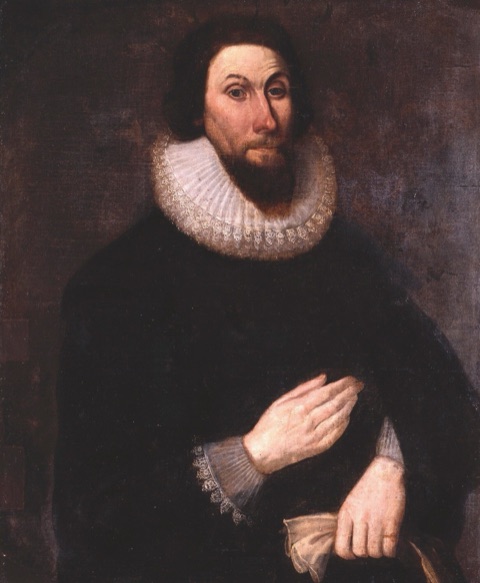
1588–1649
Biography
John Winthrop (1588 to 1649) was an English Puritan lawyer who led the Massachusetts Bay Colony and served as its governor for twelve of the colony's first twenty years. He was born on January 12, 1588, at Edwardstone in Suffolk, into a landed family whose seat was Groton Manor. He studied briefly at Trinity College, Cambridge, and trained in the law, working as a justice of the peace and, from 1627, as an attorney at the Court of Wards and Liveries in London.
By the late 1620s Winthrop had concluded that the prospects for further reform within the Church of England were dim and that his own financial and legal position was declining. In August 1629 he joined the signers of the Cambridge Agreement, which committed a group of Puritan gentlemen to emigrate provided that the charter and government of the Massachusetts Bay Company traveled with them to America. On October 20, 1629, the company elected him governor.
In the spring of 1630 Winthrop sailed for New England aboard the Arbella, the flagship of a fleet of roughly eleven ships carrying about 700 colonists in the first wave of what became the Great Migration. Either during the crossing or shortly before departure he composed "A Model of Christian Charity," a lay sermon arguing that the settlers were bound together by a covenant and would be watched by the world as "a city upon a hill." The company reached Massachusetts in the summer of 1630 and, after landing at Salem and Charlestown, settled the peninsula that became Boston.
As governor, Winthrop administered a colony that fused church membership and civil authority, and he was drawn into the disputes that this arrangement produced. He supported the banishment of the minister Roger Williams in 1635 and 1636 over Williams's arguments about religious separation and the crown's title to Indian land. During the Antinomian Controversy of 1636 to 1638 he presided over the trial that led to the banishment of Anne Hutchinson, whose teaching on grace and works divided the Boston congregation.
Winthrop held the governorship in a series of terms rather than continuously, alternating with rivals such as Thomas Dudley and Henry Vane as the colony's leaders debated how much power the office should hold. In 1645, after he was accused of overstepping his authority in a militia dispute at Hingham and then acquitted, he delivered his "Little Speech on Liberty," distinguishing a natural liberty to do as one pleases from a civil or moral liberty exercised under lawful authority. Throughout these years he kept a detailed journal, begun in 1630, that was later published as "The History of New England" and remains a principal source for the colony's founding decades. He died in Boston on March 26, 1649.
Life & Career
Why Winthrop Matters
Winthrop matters first as the organizing leader of the Massachusetts Bay Colony, the largest and most durable of the early Puritan settlements in New England. His insistence that the company charter be carried to America turned a commercial venture into a self-governing commonwealth, and his repeated terms as governor gave the colony continuity through its most vulnerable years. The institutions he helped shape, including the General Court and the linkage of the franchise to church membership, set patterns that outlasted him across New England.
His sermon "A Model of Christian Charity" has become one of the most quoted texts in the American political tradition. The phrase "a city upon a hill," drawn from the Sermon on the Mount, was revived in the twentieth century by presidents and speechwriters as a shorthand for the idea of the United States as a nation with a special mission and a watching world. The interpretation of that phrase, and of Winthrop's intentions in using it, remains a subject of debate among historians.
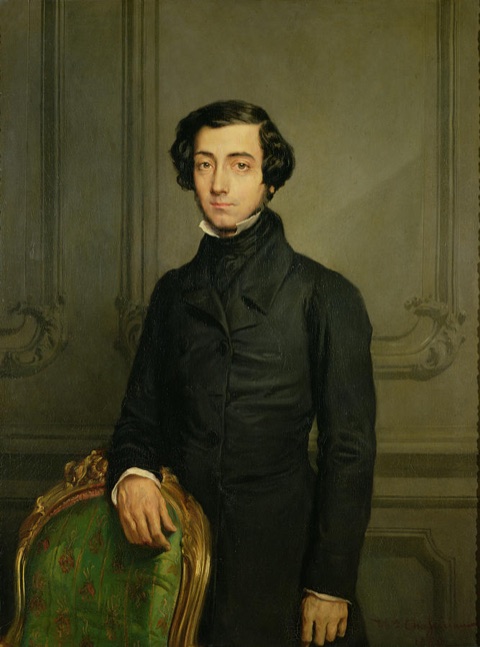
Winthrop is also central to the historiography of colonial America because of the documents he left. His journal, later printed as "The History of New England," records the daily governance, controversies, and hardships of the colony in the words of the man who led it, and it is the fullest surviving narrative of the settlement's first two decades. Alexis de Tocqueville, writing in the 1830s, quoted Winthrop's speech on liberty in "Democracy in America" as evidence of the Puritan roots of American self-government.
Finally, Winthrop's handling of Roger Williams and Anne Hutchinson made his colony a focal point in the early American argument over the limits of religious and political dissent. The expulsions he supported drove Williams to found Providence and helped seed the settlements that became Rhode Island, so that the boundaries of toleration in New England were drawn in part through the conflicts he presided over.