Irenaeus of Lyon
Second-century bishop of Lyon whose five-book treatise Against Heresies is the fullest surviving refutation of Gnosticism from the early church. He argued for a single God of both Testaments, the four canonical Gospels, and the authority of apostolic succession.
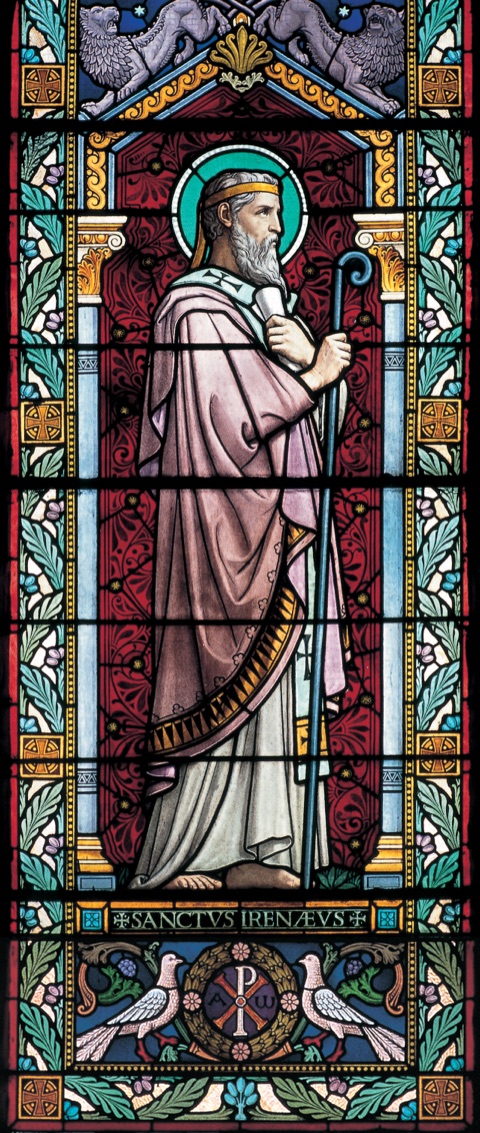
130 to 202 AD
Biography
Irenaeus of Lyon (around 130 to around 202 AD) was an early Christian bishop and theologian who led the church at Lugdunum in Roman Gaul and wrote the five-book treatise Against Heresies. He is the first major Christian writer to attempt a systematic account of the faith set against the rival teachings of his day, and his surviving work is the most detailed evidence we have for how second-century Gnostic movements described themselves.
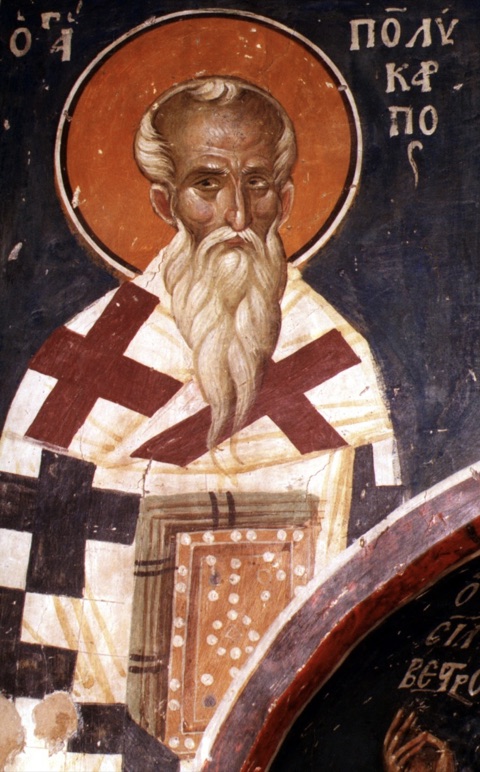
He was born in Smyrna, in the Roman province of Asia, and as a young man heard Polycarp preach. Polycarp had known the apostle John and other eyewitnesses of Jesus, and Irenaeus repeatedly appealed to this chain of memory: he claimed to be separated from the apostolic generation by only one teacher. That personal link runs through his theology, which rests on the idea that the churches could name an unbroken line of teachers reaching back to the apostles.
By the 170s AD Irenaeus was a presbyter at Lyon, a Greek-speaking Christian community in the Rhône valley. During the persecution of 177 AD, in which the elderly bishop Pothinus and many others were killed, Irenaeus was sent to Rome carrying a letter from the confessors of Lyon. He returned to find Pothinus dead and became the city's bishop, the second known holder of that office. Most of his writing dates from the years that followed.
His central work, Against Heresies, was written around 180 AD in five books. Its full title, On the Detection and Overthrow of Knowledge Falsely So Called, states its purpose: to expose the elaborate systems of Valentinus, Marcion, and other teachers who held that the material world was made by a lesser or hostile power and that salvation came through secret knowledge. Irenaeus first described their doctrines in detail, then answered them from Scripture and from the public teaching of the churches. In the course of the argument he insisted that there are four Gospels, no more and no fewer, an early and influential statement about the shape of the New Testament.
A second work, the Demonstration of the Apostolic Preaching, survives complete only in an Armenian translation rediscovered in 1904. It is a shorter, positive summary of Christian belief written for a reader named Marcianus, tracing the story of God's dealings with humanity from creation through the prophets to Christ. Together the two books show a theologian more interested in continuity than novelty, arguing that the God of Israel and the Father of Jesus are one.
Irenaeus also acted as a peacemaker in church disputes, in keeping with his name, which means "peaceful" in Greek. Around 190 AD, when Bishop Victor of Rome moved to break communion with the churches of Asia over their practice of keeping Easter on the date of the Jewish Passover, Irenaeus wrote urging restraint and reminding Victor that earlier bishops had tolerated the difference. He died around 202 AD; later tradition held that he was martyred, though the earliest sources do not record how he died.
Life & Career
Why Irenaeus Matters
Irenaeus set much of the framework that later Christian orthodoxy would take for granted. Writing before the councils and creeds of the fourth century, he articulated a "rule of faith" — a short summary of belief in one God, the creator, in Christ his Son, and in the Holy Spirit — that he presented as the common teaching held by churches from Gaul to Egypt. Against the claim that truth was passed down in secret to a few, he argued that the real apostolic teaching was public, consistent, and traceable through named bishops in cities such as Rome, Smyrna, and Ephesus.
His refutation of Gnosticism is also the main reason we know what those movements taught. Because the original writings of Valentinus and his followers largely disappeared, Against Heresies long stood as the primary source for their ideas, and Irenaeus's summaries were tested and partly confirmed when Gnostic texts were recovered at Nag Hammadi in 1945. As a witness, he preserved the beliefs he set out to overturn.
His most distinctive theological contribution is the doctrine of recapitulation, drawn from Paul's language in Ephesians about summing up all things in Christ. Irenaeus taught that Christ passed through every stage of human life, from infancy to death, in order to reverse at each point the failure of Adam, so that humanity was gathered up and restored in him. Linked to this was his insistence on the goodness of the created world and the reality of Christ's flesh, against teachers who treated matter as evil and the incarnation as an illusion.
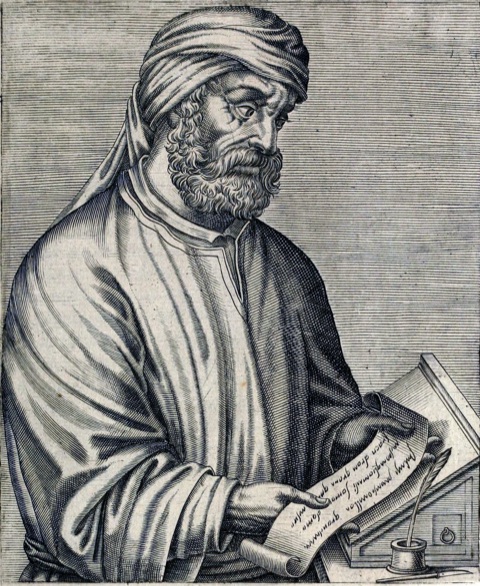
These arguments made Irenaeus a foundational authority in both the Eastern and Western churches. His emphasis on the unity of the two Testaments, the fourfold Gospel, and continuity with the apostles shaped the terms in which later writers such as Tertullian, Origen, and Athanasius carried on the same debates, and his account of the second century remains a standard reference for historians of early Christianity.