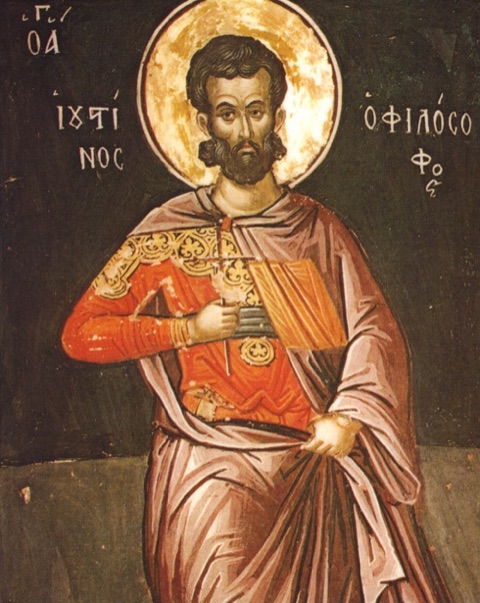
Eusebius
Eusebius of Caesarea wrote the Ecclesiastical History, the first sustained narrative of the Christian church from the apostles to the reign of Constantine, and is called the Father of Church History. He also produced a universal chronicle, biblical reference tools, and a biography of Constantine.
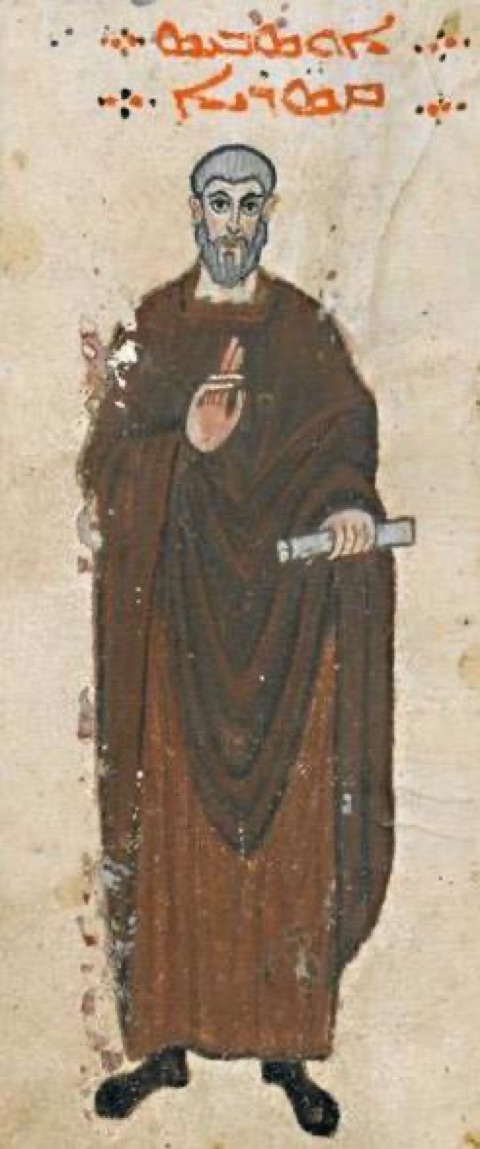
260 to 339 AD
Biography
Eusebius of Caesarea (around 260 to 339 AD) was an early Christian bishop and historian whose Ecclesiastical History gave the church its first continuous written account of its own past, from the apostles through the persecutions to the victory of Constantine. He spent most of his life in Caesarea Maritima, the Roman provincial capital on the coast of Palestine, and served as its bishop for roughly a quarter century.
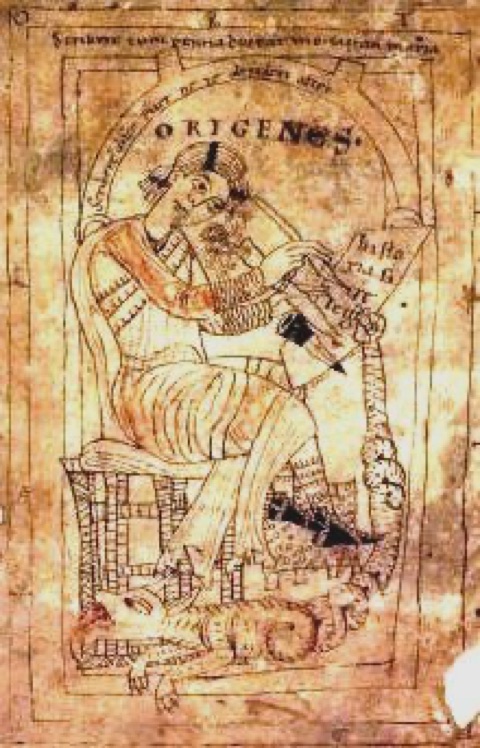
His formation was tied to the presbyter Pamphilus, a scholar who maintained and expanded the library at Caesarea that had grown from the book collection of Origen. Eusebius worked alongside Pamphilus copying and correcting manuscripts, absorbed Origen's methods of textual and biblical study, and honored his teacher so completely that he signed himself "Eusebius Pamphili." When the Great Persecution began under Diocletian in 303, Pamphilus was imprisoned and then executed at Caesarea around 310. Eusebius witnessed these years directly and recorded them in a separate work, The Martyrs of Palestine.
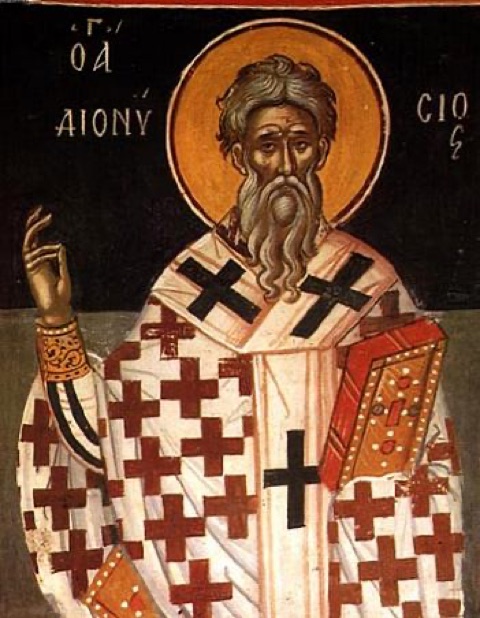
The Ecclesiastical History, completed in ten books by the mid-320s, is his central achievement. Rather than compose a smooth narrative, Eusebius quoted his sources at length, transcribing letters, edicts, and passages from earlier writers such as Josephus, Irenaeus, and Dionysius of Alexandria. Much of what survives of those authors is known only because he copied it. He tracked lines of bishops in the major sees, listed which books the churches accepted as scripture and which they disputed, and chronicled the persecutions under successive emperors down to the defeat of Licinius in 324.
Eusebius also built reference tools for study. His Chronicle set biblical events alongside the reigns of Assyrian, Persian, Greek, and Roman rulers in parallel columns, a synchronized timeline of world history that later reached the Latin West through Jerome's translation and survives complete only in an Armenian version. He devised the Eusebian Canons, a system of numbered tables that let a reader find parallel passages across the four Gospels, and compiled the Onomasticon, a gazetteer identifying the places named in the Bible. His apologetic works, the Preparation for the Gospel and the Demonstration of the Gospel, argued the case for Christianity against Greek philosophy and Judaism, again preserving long extracts from pagan authors along the way.
In the doctrinal conflict over the teaching of Arius, Eusebius held a middle position and was initially sympathetic to Arius. A synod at Antioch in early 325 provisionally condemned him, but at the Council of Nicaea later that year he presented a creed of his own and ultimately subscribed to the council's statement, including the term homoousios, about which he remained cautious. He stood in favor with the emperor: Constantine offered him the prominent see of Antioch, which he declined, and Eusebius delivered a formal oration marking the thirtieth anniversary of Constantine's reign in 336.
After Constantine died in 337, Eusebius wrote the Life of Constantine, a four-book account that combines biography with praise and reproduces imperial documents. It reports the emperor's vision of a cross before the war against Maxentius, which ended at the Milvian Bridge, and describes his church-building in Jerusalem and elsewhere. Eusebius left the work unfinished and died around 339 AD.
Life & Career
Why Eusebius Matters
Eusebius invented the genre of church history. Before him no one had attempted a continuous, documented account of the Christian movement across three centuries, and the shape he gave the story, organized by episcopal succession, heresies, persecutions, and the fate of the Jewish people, set the pattern that later historians such as Socrates, Sozomen, and Theodoret extended. For the first three hundred years of Christianity, the Ecclesiastical History remains the single most important narrative source.
His method matters as much as his narrative. Because he quoted documents at length instead of paraphrasing them, his works function as an archive. Letters of second- and third-century bishops, lists of the biblical canon as churches then received it, imperial edicts of toleration and persecution, and passages from lost authors survive because Eusebius transcribed them. Historians reconstructing the early church continually return to him for material that exists nowhere else.
He also supplied tools that organized how later readers used the Bible. The Eusebian Canons were copied into Gospel manuscripts for centuries, including the illuminated Gospel books of the early Middle Ages, and his Chronicle gave the Latin West, through Jerome, a framework for dating that governed medieval chronology.
His account of Constantine is more contested. As a bishop close to the first Christian emperor, Eusebius shaped the earliest portrait of Constantine and of the relationship between the church and Roman power, and his praise of that alliance has been read both as valuable eyewitness testimony and as court flattery. Either way, the Life of Constantine and the Ecclesiastical History together frame how the transition from persecuted sect to imperial religion was first told.
Complete Works in English
Free to readEvery surviving work, translated in full and free to read, from our Patrologia Latina project.