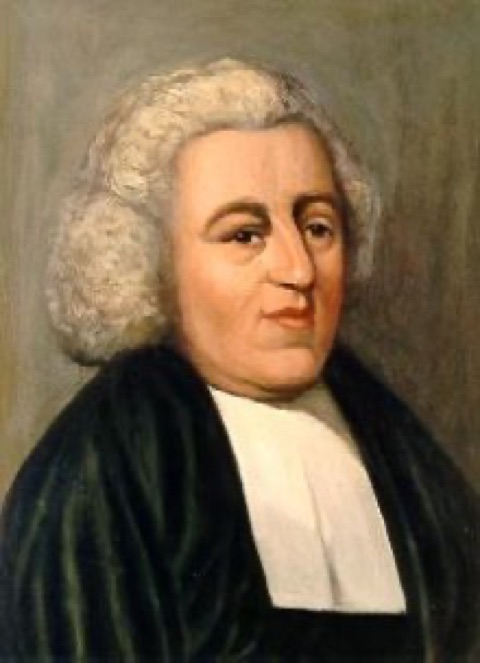
Friedrich Wilhelm Krummacher
A nineteenth-century German Reformed pastor whose dramatic, narrative preaching and bestselling biblical meditations — above all Elijah the Tishbite and The Suffering Savior — made him one of the most widely read preachers of his era.
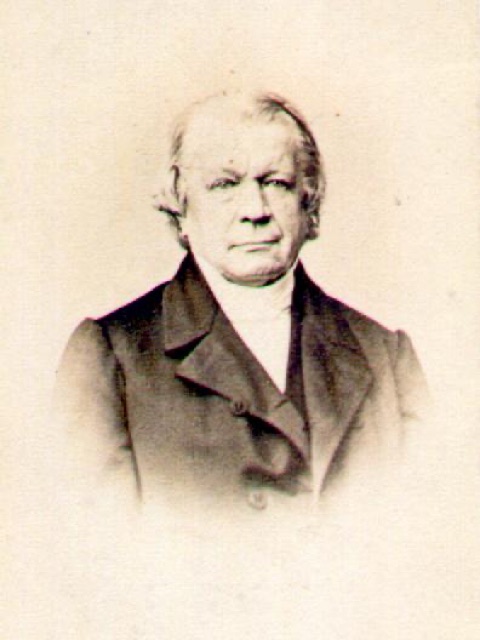
1796–1868
Biography
Friedrich Wilhelm Krummacher (1796 to 1868) was a German Reformed pastor and preacher whose retellings of biblical narrative made him one of the most widely read preachers of nineteenth-century Europe. He was born in Moers, in the Lower Rhine, in 1796, into a family already known for its pulpit. His father, Friedrich Adolf Krummacher, was a pastor and hymn writer, and the younger Krummacher grew up in the pious, literary, and theologically serious atmosphere of the Lower Rhine awakening.
He studied theology at the universities of Halle and Jena, beginning at Halle in 1817. After a brief period drawn toward academic work he chose pastoral ministry instead, serving congregations at Frankfurt, Ruhrort, and Gemarke before his call in 1834 to Elberfeld, a wealthy industrial city in the Wuppertal valley. There he became one of the most celebrated preachers in Germany. His pulpit drew visitors from across Europe and helped fuel the Reformed revival of the Wuppertal.
Krummacher's preaching was dramatic, vivid, and saturated with biblical imagery. He retold scriptural narratives with a novelist's eye for scene and character, working through the landscape, the dialogue, and the inward experience of the figures involved, while pressing every detail toward evangelical application. His sermons read more like sacred drama than expository lecture. Critics of his own day sometimes charged him with rhetorical excess, but the method made the biblical text memorable to large audiences.
This style carried into his published books, several of which became international bestsellers. Elijah the Tishbite, published in 1828, was translated into several languages and passed through many editions in English and German. Elisha and David the King of Israel followed. The Suffering Savior, his meditations on the passion of Christ, appeared in 1854 and was read throughout the English-speaking world.
In 1847 Krummacher left Elberfeld for Berlin, becoming pastor of Trinity Church. In 1853 King Friedrich Wilhelm IV of Prussia appointed him court preacher at Potsdam, a position he held until his death there in 1868.
Life & Career
Why Krummacher Matters
Krummacher belonged to the generation of German Reformed and Lutheran pastors who pushed back against the rationalism that had dominated German Protestantism in the late eighteenth century. Along with figures such as Gottfried Menken, his own father, and the circle around the Wuppertal revival, he insisted on the substitutionary atonement, the full deity of Christ, and the authority of Scripture as a divinely inspired record of God's saving acts. Against a theology that treated the miracles as embarrassments and the cross as a moral example, he preached a Christ whose sufferings were the objective ground of the sinner's peace with God.
His method was distinctive. Rather than presenting doctrine in abstract form, he worked through biblical narratives scene by scene, drawing readers into the setting, the dialogue, and the interior life of the characters. He did this with such imaginative force that his sermons functioned as a bridge into Reformed piety for thousands of readers who would never have opened a dogmatic textbook. The same imaginative pressure that critics faulted as excess was what carried his books across languages and editions.
The Suffering Savior is his best-known work in English. Organized around the stages of Christ's passion, from the anointing at Bethany to the burial, it combines close attention to the Gospel narratives with extended pastoral application. It is Reformed in its doctrine of the atonement and warmly evangelical in its appeal to the reader, and it kept his name in circulation among English and American readers long after his death.