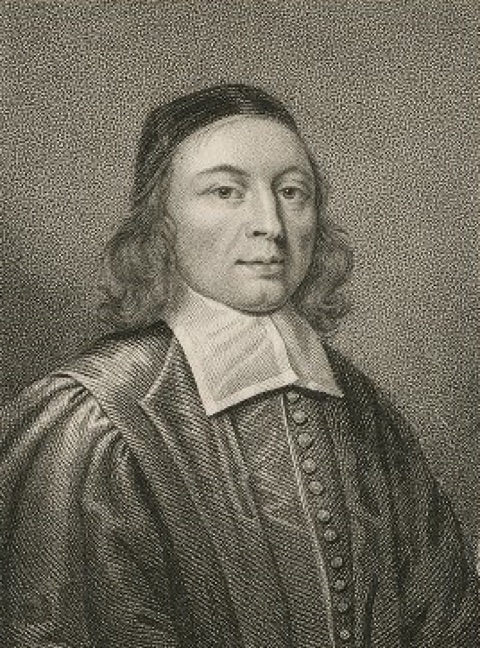
Octavius Winslow
A Victorian evangelical minister and devotional writer of the Reformed tradition, known for Christ-centered meditations on grace, assurance, and the work of the Holy Spirit. His books, including The Work of the Holy Spirit and No Condemnation in Christ Jesus, remained in print long after his death.
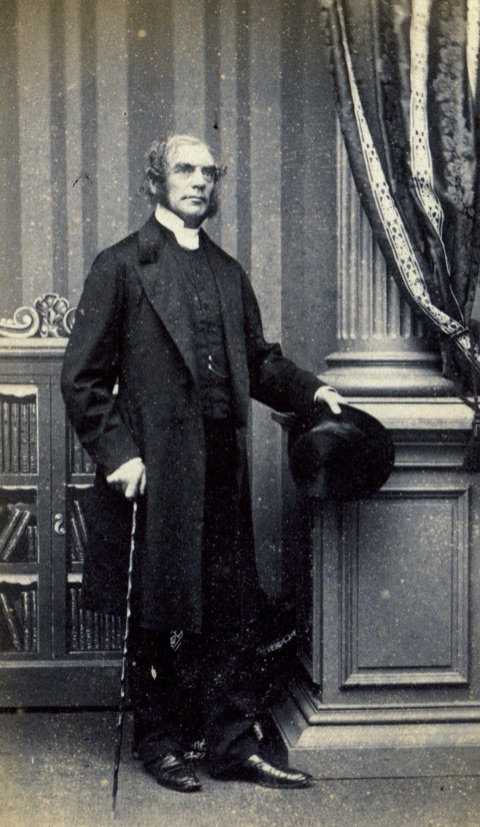
1808–1878
Biography
Octavius Winslow (1808 to 1878) was an English evangelical minister and devotional writer of the Reformed tradition who served first as a Baptist pastor in the United States and England and later as a clergyman of the Church of England. Styled "Octavius Winslow, D.D." in his published works, he wrote more than forty books and tracts of experiential divinity, among them The Work of the Holy Spirit, No Condemnation in Christ Jesus, and The Precious Things of God.
He was born in England in 1808 into a family that traced its descent from the Winslow line of Plymouth Colony, descended from Edward Winslow, one of the Pilgrims who sailed on the Mayflower in 1620 and later governed the colony. His father, Captain Thomas Winslow, died while Octavius was a boy, and his widowed mother, Mary Winslow, carried the large family through hardship; she became a devotional writer in her own right, and Octavius later compiled her correspondence and diaries into the memoir Life in Jesus. His brother Forbes Benignus Winslow became a physician who specialized in the treatment of mental illness.
After the family emigrated to New York, Winslow was educated in the United States and ordained to the Baptist ministry, pastoring congregations in New York during the 1830s. He returned to England around 1839 and settled into a long ministry there, serving churches at Leamington in Warwickshire and later at Bath.
In his final years Winslow conformed to the Church of England and took charge of Emmanuel Church at Brighton, where he preached until his death in 1878. He was on friendly terms with Charles Spurgeon, who invited him to take part in the opening services of the Metropolitan Tabernacle in London in 1861. Throughout these moves, from Baptist pulpit to Anglican parish, his preaching kept the same experiential and Reformed cast.
Winslow's reputation rests less on his pulpit than on his pen. His writing dwelt on union with Christ, the believer's assurance, the inward work of the Holy Spirit, and comfort under suffering and spiritual decline. No Condemnation in Christ Jesus expounds the eighth chapter of Romans; Personal Declension and Revival of Religion in the Soul traces the ebb and recovery of spiritual life; and daily readings such as his Morning Thoughts and Evening Thoughts gathered his meditations into devotional form. Written in a warm, direct style aimed at afflicted and doubting readers, these books circulated widely among Baptist and broader evangelical audiences during his lifetime and were reprinted for generations afterward.
Why Winslow Matters
Winslow belongs to a line of English-speaking Reformed writers who addressed the inner life of the Christian believer rather than the controversies of the schools. His subject was the experience of grace: how a soul is united to Christ, how it gains and loses assurance, how the Holy Spirit works within, and how faith holds up under affliction. He wrote for readers in distress, and his books functioned as pastoral counsel in print, a form of ministry that reached beyond any single congregation.
His theology drew on the Puritan divines of the seventeenth century, whose emphasis on self-examination, communion with God, and the Spirit's inward testimony he carried into Victorian evangelicalism. In this he served as a bridge between two eras of Reformed piety, restating the older experiential divinity of writers like John Flavel and John Owen in language accessible to nineteenth-century readers. His movement from Baptist to Anglican ministry, unusual as it was, left this experiential core unchanged.
Winslow's closeness to Charles Spurgeon places him within the mainstream of Calvinistic evangelicalism at its Victorian height. That both men shared platforms, including the opening of the Metropolitan Tabernacle, indicates how his devotional writing was received among the era's influential Reformed preachers and their large lay followings.
After 1878, his books continued to be reprinted and read, particularly by later Reformed publishers who revived Puritan and evangelical devotional literature. Titles such as The Work of the Holy Spirit and No Condemnation in Christ Jesus kept his name in circulation, and he is remembered chiefly as a writer of Christ-centered comfort for the afflicted conscience.