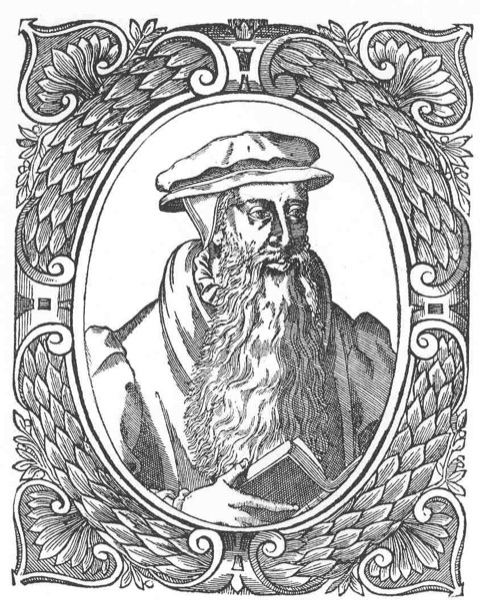
Martin Bucer
The Reformer of Strasbourg and mentor of John Calvin, who spent his last years at Cambridge and wrote De Regno Christi, a full program for restoring Christ's kingdom in England, for Edward VI.
Biography
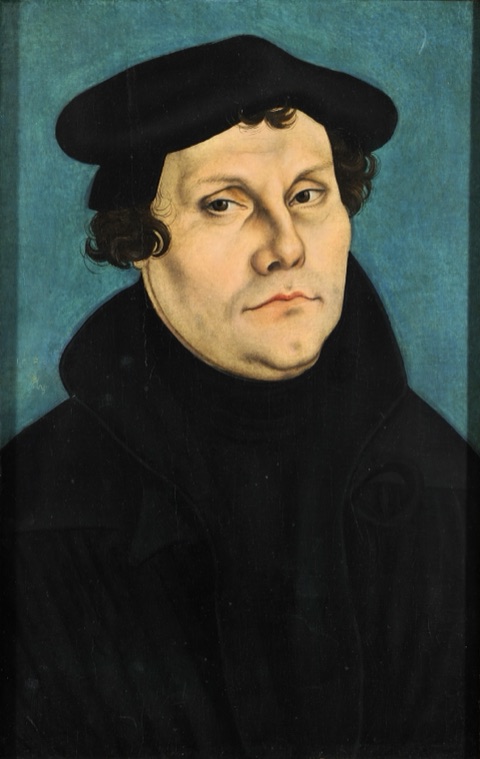
Martin Bucer (1491 to 1551 AD) was the leading Reformer of Strasbourg and one of the most influential shapers of Reformed church order in the sixteenth century. He was born in 1491 at Sélestat in Alsace, then a free imperial city of the Holy Roman Empire, and was schooled there in its well-known humanist Latin school. As a teenager he entered the Dominican order, and his studies brought him to Heidelberg, where in 1518 he heard Martin Luther defend his theology at the Heidelberg Disputation. The encounter won him to the Reformation. He was released from his monastic vows in 1521, married Elisabeth Silbereisen, a former nun, and after a period of preaching that brought him excommunication, arrived in Strasbourg in 1523.
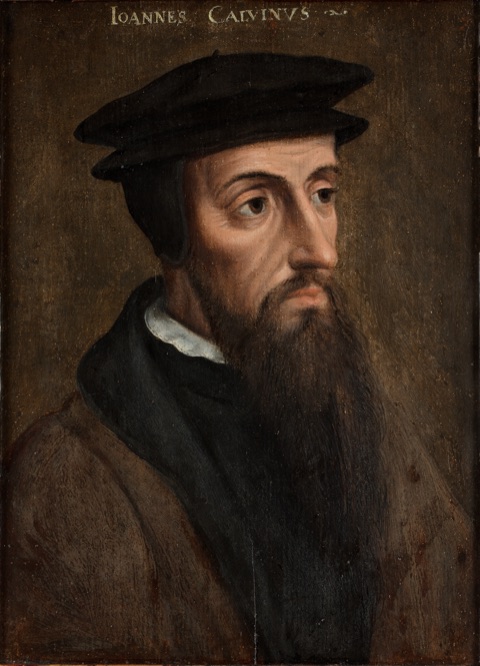
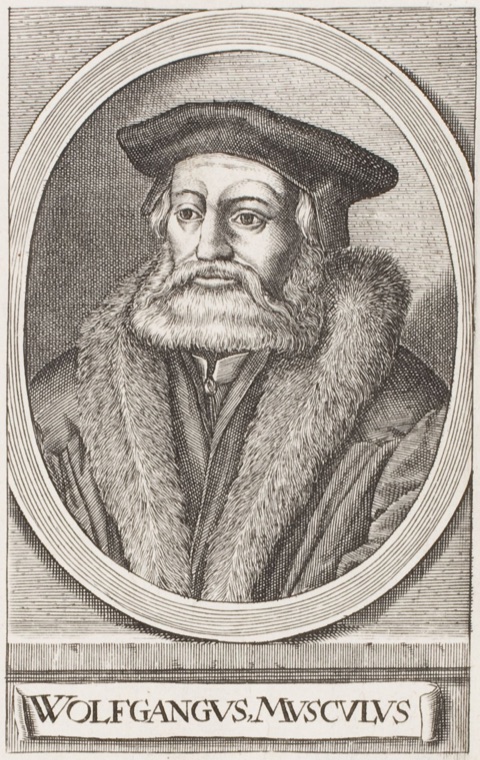
For the next quarter century Bucer led the reform of the church in Strasbourg, working alongside Wolfgang Capito, Matthew Zell, and Caspar Hedio. He preached, lectured on Scripture, wrote commentaries on the Gospels, Romans, and the Psalms, and worked out a church order built on pastoral oversight and discipline, which he set out in his treatise on the true care of souls (1538). He spent much of his energy trying to hold the Protestant movement together. He took part in the Marburg Colloquy of 1529, drafted the Tetrapolitan Confession with Capito in 1530, helped broker the Wittenberg Concord with the Lutherans in 1536, and later joined the colloquies with Roman Catholic theologians at Hagenau, Worms, and Regensburg. When John Calvin was expelled from Geneva in 1538, Bucer brought him to Strasbourg, and the three years Calvin spent there left a lasting mark on his thinking about the church.
Bucer's first wife died of plague in 1541, and in 1542 he married Wibrandis Rosenblatt, the widow of both Johannes Oecolampadius and Capito. After the emperor Charles V defeated the Protestant princes, Bucer refused to accept the Augsburg Interim of 1548 and was forced to leave Strasbourg. At the invitation of Archbishop Thomas Cranmer he came to England in 1549 with his colleague Paul Fagius, and was made Regius Professor of Divinity at Cambridge. There, often ill, he lectured, advised on the reform of the English church, wrote a critique of the first Book of Common Prayer, and composed De Regno Christi as a gift for Edward VI.
Bucer died at Cambridge in 1551 and was buried in Great St Mary's Church. Under Mary I his body was exhumed and burned in 1557; under Elizabeth I his memory was formally restored in 1560. In 1644 John Milton published the divorce chapters of De Regno Christi in English as The Judgement of Martin Bucer concerning Divorce.
Life & Career
Why Bucer Matters
Bucer's most lasting contribution was to Reformed church order. More than any Reformer of his generation he insisted that the church is not only a place where the Word is preached and the sacraments administered, but a community under pastoral care and discipline, in which every member is watched over, admonished, and, if need be, brought to repentance. He gave the deacon a defined office of caring for the poor, treated catechizing and confirmation as essential to a living church, and saw the ministry as a shared work of pastors, elders, and deacons. Much of what later became characteristic of Reformed churches, from Geneva to Scotland, can be traced to patterns he worked out in Strasbourg and passed on to Calvin.
He was also the great conciliator of the Reformation. Bucer believed that Protestants divided over the Lord's Supper agreed on more than their quarrels suggested, and he spent years seeking formulas that Lutherans and Swiss could both accept. His willingness to keep talking, even with Roman Catholic theologians, drew suspicion from every side, but it came from a conviction that the unity of the church was itself a matter of obedience to Christ.
In England his influence came late but ran deep. His counsel helped shape the revision of the Book of Common Prayer in 1552, his presence at Cambridge drew a generation of students toward Reformed theology, and De Regno Christi set out, more fully than any other work of the period, a vision of a whole commonwealth ordered under the rule of Christ: church, household, school, market, and court alike. Later Puritan hopes for a further reformation of the English church drew on the same vision.