John Knox
Leader of the Scottish Reformation who established Presbyterian church government in Scotland. His fiery preaching and confrontations with Mary Queen of Scots made him one of the most dramatic figures of the Reformation.
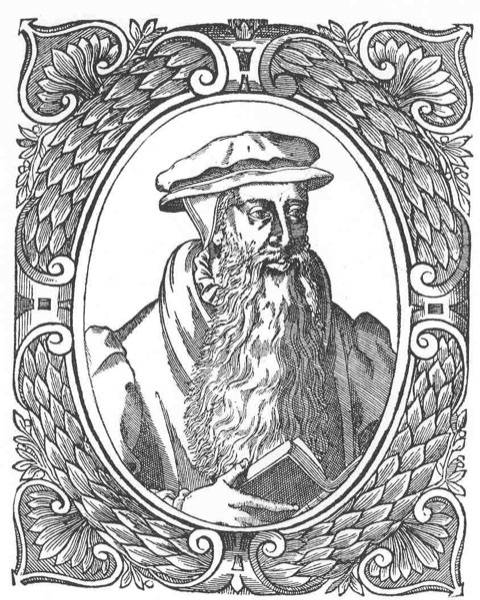
1514–1572
Biography
John Knox was born around 1514 in Haddington, East Lothian, Scotland. He was educated at the University of St Andrews and ordained a Catholic priest, working as a notary and tutor in the 1540s. His conversion to Protestantism came under the influence of George Wishart, who was burned at the stake in 1546.
After Wishart's execution, Knox joined a group of Protestant rebels who had seized St Andrews Castle. When the castle fell to French forces in 1547, Knox was captured and spent nineteen months as a galley slave on French ships. He was released in 1549 and went to England, where he preached during the reign of Edward VI.
When the Catholic Mary Tudor became queen in 1553, Knox fled to the continent. He spent time in Frankfurt, where he quarreled with other English exiles over worship practices, and then settled in Geneva, where he studied under Calvin and pastored an English-speaking congregation.
Knox returned to Scotland permanently in 1559 and led the Protestant revolution that overthrew Catholic authority. The Scottish Parliament abolished papal jurisdiction in 1560 and adopted a Protestant confession of faith largely drafted by Knox. He became the minister of St Giles' Cathedral in Edinburgh.
Knox's confrontations with Mary Queen of Scots after her arrival in 1561 became legendary. His First Blast of the Trumpet Against the Monstrous Regiment of Women (1558), written against the Catholic queens Mary Tudor and Mary of Guise, complicated his relationship with all female monarchs, including the Protestant Elizabeth I.
Knox died on November 24, 1572, in Edinburgh.
Life & Career
Why Knox Matters
Knox's primary contribution was ecclesiastical and political rather than strictly theological. He established the Presbyterian form of church government in Scotland, with its system of kirk sessions, presbyteries, synods, and general assemblies. This model spread from Scotland to Northern Ireland, the Netherlands, and eventually to the American colonies.
Knox also articulated a theology of resistance that went further than Calvin's cautious position. He argued that lesser magistrates had a duty to resist idolatrous rulers and that ordinary people had the right to reform religion even without the consent of the civil authorities. These ideas influenced later political revolutions.
His Book of Common Order and the Scots Confession of 1560 established the liturgical and doctrinal foundations of Scottish Presbyterianism.