Isaac Ambrose
Lancashire Puritan minister known for his devotional practice of annual retreats. His Looking Unto Jesus was a sustained meditation on Christ's person and work.
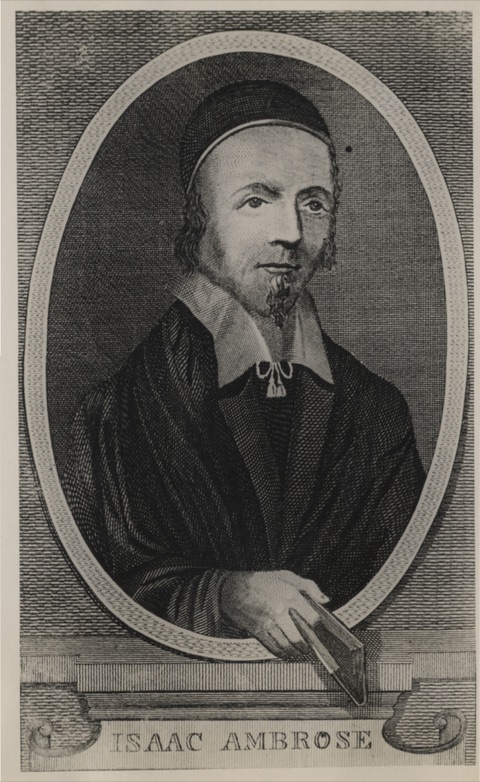
1604–1664
Biography
Isaac Ambrose was born in 1604 in Ormskirk, Lancashire, the son of a vicar. He was educated at Brasenose College, Oxford, and ordained in the Church of England. He served in several Lancashire parishes, including Garstang and Preston.
Ambrose was a royalist during the early stages of the Civil War but shifted his allegiance to Parliament. He served as one of the Presbyterian ministers in Lancashire during the Commonwealth period. He was known for his personal piety and his unusual practice of withdrawing annually to a hut in the woods near Preston for a period of solitary prayer and meditation.
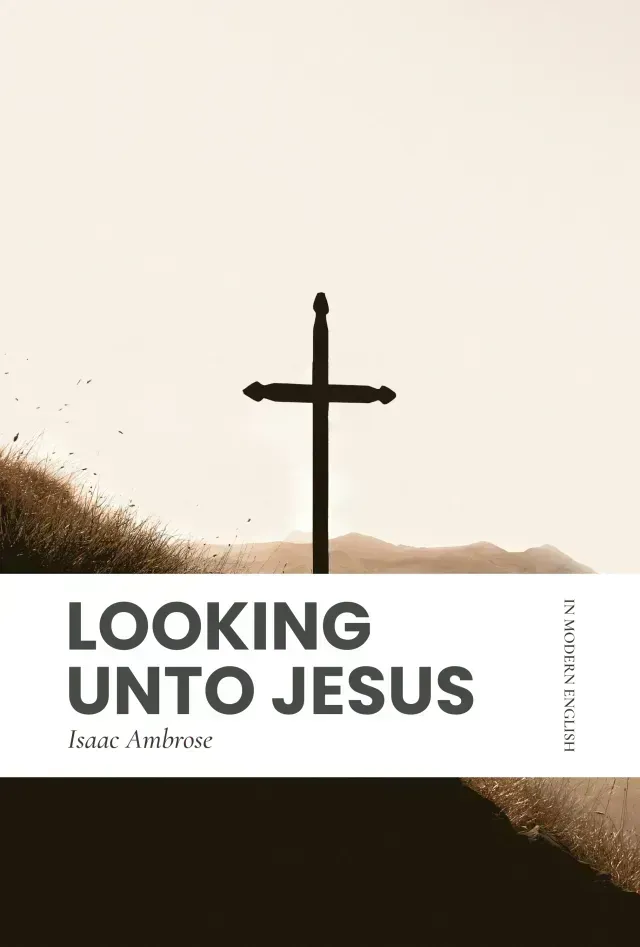
His most important work, Looking Unto Jesus (1658), was a comprehensive devotional meditation on the person and work of Christ, tracing the work of redemption from the eternal counsels of God through the incarnation, life, death, resurrection, and ascension of Christ. The work was designed to focus the believer's attention on Christ as the central object of faith.
Ambrose was ejected from his living by the Act of Uniformity in 1662. He died in 1664 in Preston.
Life & Career
Why Ambrose Matters
Ambrose's contribution was devotional rather than theological in the strict sense. Looking Unto Jesus modeled a form of Christ-centered meditation that moved systematically through the work of redemption, encouraging the reader to contemplate each stage of Christ's saving work and draw spiritual nourishment from it.
His practice of annual retreats for prayer and self-examination was unusual among the Puritans and reflected a contemplative strain in his piety that distinguished him from the more activist temperament of many of his contemporaries.