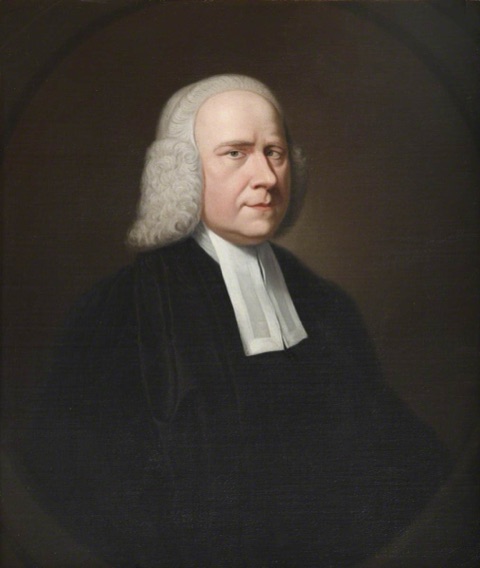
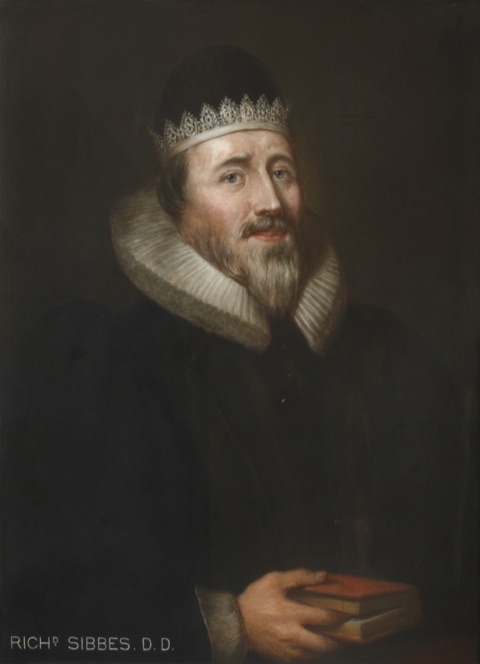
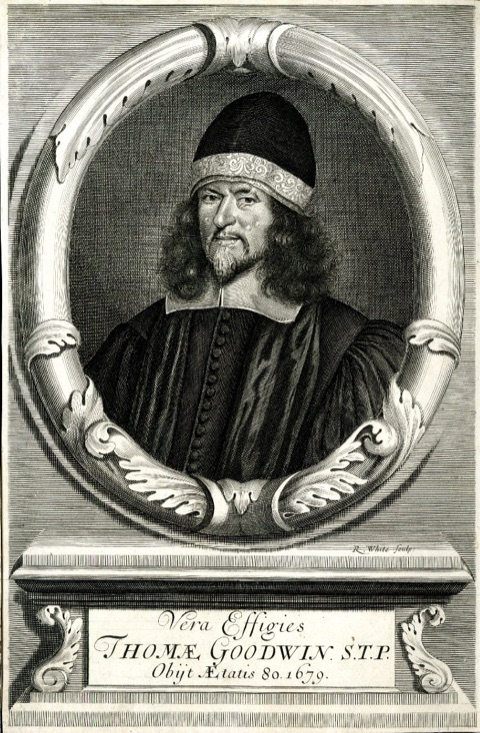
Henry Scougal
Author of The Life of God in the Soul of Man, a short work on the nature of true religion that profoundly influenced George Whitefield and the evangelical movement.
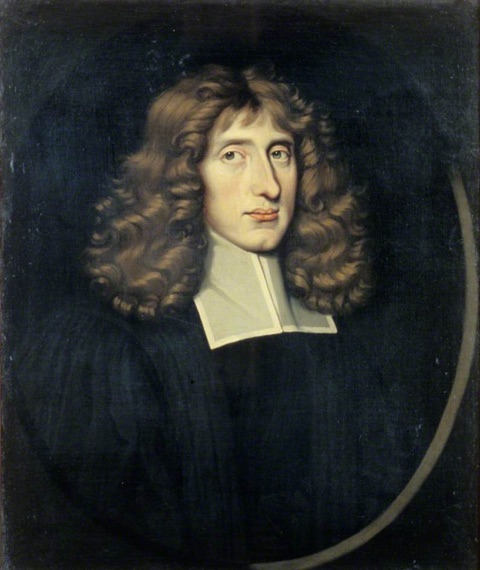
1650–1678
Biography
Henry Scougal was born in 1650 in Leuchars, Fife, Scotland, the son of Patrick Scougal, who later became Bishop of Aberdeen. He was educated at King's College, Aberdeen, where he excelled as a student and was appointed a professor of philosophy at the age of nineteen.
In 1673 Scougal was ordained and served as a parish minister at Auchterless, Aberdeenshire, for about a year. He returned to King's College as professor of divinity in 1674.
In 1677 Scougal wrote The Life of God in the Soul of Man as a private letter to a friend who was considering entering the ministry. The letter was published without his knowledge and became his only major work. Scougal argued that true religion was neither a matter of outward observance nor of intellectual belief but of the life of God actually being lived out in the human soul.
Scougal suffered from tuberculosis and died on June 13, 1678, at the age of twenty-seven. Despite his short life and single published work, his influence was disproportionate. George Whitefield credited the book with his own conversion, and it was widely distributed during the evangelical revivals of the eighteenth century.
Life & Career
Why Scougal Matters
Scougal's one book made a contribution that far exceeded its modest length. The Life of God in the Soul of Man defined true religion as "an union of the soul with God, a real participation of the Divine Nature, the very image of God drawn upon the soul." This was not mysticism in the medieval sense but a practical description of what it means for a person to be indwelt by God.
Scougal's emphasis on religion as internal transformation rather than external conformity anticipated the evangelical insistence on the new birth. Whitefield said that reading Scougal's book showed him that he had never known true religion, despite all his religious activities at Oxford.