Modern English edition · 1910 AD
What's Wrong with the World
Chesterton's witty diagnosis of modern society's ailments. With characteristic brilliance, he argues that modernity has lost sight of what human beings are for.
Ebook temporarily unavailable. Ask about this edition
About this book
What's Wrong with the World is G. K. Chesterton's provocative diagnosis of modern society's fundamental problems. Published in 1910, this work argues that contemporary reformers fail not because their methods are wrong but because they have lost any clear vision of what human life should look like. Without knowing what we're aiming for, all our improvements are aimless.
Chesterton begins with his famous observation that answering "What is wrong?" requires first knowing "What is right?" Modern reformers, he argues, have abandoned any normative vision of human flourishing while zealously pursuing efficiency and progress. But progress toward what? Without a destination, all motion is merely restlessness.
The book critiques both progressives and conservatives. Progressives worship change for its own sake, assuming anything new must be better. Conservatives worship the past indiscriminately, defending whatever happens to exist. Both have abandoned the work of seriously asking what human beings need to thrive.
Chesterton defends several "lost causes" against the spirit of his age: the dignity of the home, the value of property widely distributed, the importance of limits and locality. He argues that modern industrial society uproots people from the conditions of genuine human flourishing—family, home, community, meaningful work—replacing them with an anonymous, mobile existence.
His treatment of family life is particularly notable. Against both feminist and traditionalist caricatures, Chesterton argues that the home is a sphere of freedom and creativity for women precisely because it is generalist rather than specialist. The specialist is enslaved to one task; the homemaker exercises varied human capacities.
For modern readers, What's Wrong with the World offers Chesterton at his most challenging and creative. His paradoxes and epigrams remain quotable, but beneath the wit lies serious social criticism. His argument that modern society has lost any coherent vision of human flourishing seems if anything more relevant today than when written. The book provokes readers to ask fundamental questions about what we are trying to achieve and why.
About the author
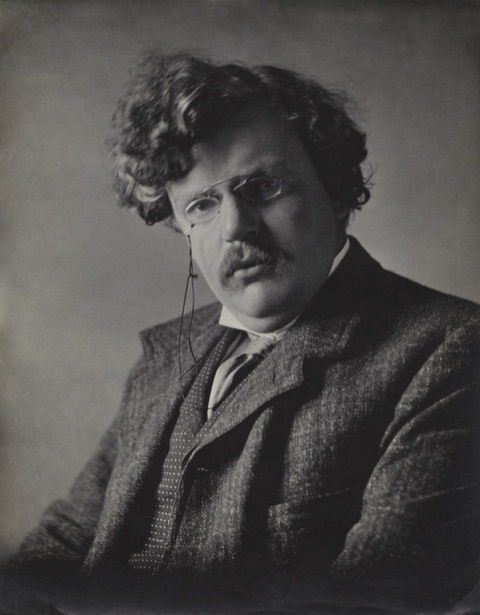
G.K. Chesterton
Gilbert Keith Chesterton (1874-1936) was an English writer, philosopher, and lay theologian known for his wit, paradoxes, and defense of Christian orthodoxy. A prolific author, he wrote over 100 books spanning fiction, biography, philosophy, and social criticism. His Father Brown detective stories remain popular, while his apologetic works like Orthodoxy and The Everlasting Man influenced C. S. Lewis's conversion. Chesterton's distributism—advocating for widespread property ownership as an alternative to both capitalism and socialism—attracted followers across the political spectrum. His characteristic style combined humor with insight, making complex ideas accessible through memorable paradoxes and imagery. Chesterton converted to Roman Catholicism in 1922 and became one of its most prominent public defenders. His work continues to attract readers who find in his combination of wit, wisdom, and wonder a refreshing alternative to modern cynicism.