Modern English edition · 1849 AD
Household Education
A progressive 19th-century guide to educating children in the home. Martineau advocates for developing the whole person through reason, observation, and moral training rather than mere rote learning.
One free account opens 250+ books and saves your place on every device. Google sign-in or an email link. No card.
You’re on the list — we’ll email you if this goes to print.
Included with your free account
This book, and 250+ more, free to read
A free account opens the whole library to read online, on your phone or at your desk. Open a book on one device and it is waiting at the same page on the next. The PDF and EPUB of every book are yours to keep, and audiobooks play in the same app.
- 250+ modernized editions Not samples. The whole work, free.
- Your place, on every device Phone, tablet or desktop, same page.
- 131 audiobooks From $4.99 each, or all of them with a $50 gift.
- PDF and EPUB included Download any book to keep.



About this book
Household Education, published in 1849, represents Harriet Martineau's comprehensive vision for raising and educating children. Writing at a time when educational reform was gaining momentum on both sides of the Atlantic, Martineau offered practical guidance grounded in progressive principles. Her emphasis on developing the whole child—body, mind, and character—through active engagement rather than passive memorization influenced educational thinking for generations.
Martineau begins with the physical development of children, arguing that health provides the foundation for all other education. She advocates for fresh air, exercise, proper nutrition, and adequate sleep—recommendations that seem obvious today but were sometimes neglected in an era of industrial urbanization. A healthy body, she insists, is essential for a vigorous mind.
The intellectual training Martineau recommends emphasizes observation and reasoning over rote memorization. She wants children to develop habits of careful attention to the world around them, learning to draw conclusions from what they observe. This approach, influenced by contemporary scientific method, sought to produce independent thinkers rather than mere repositories of facts.
Moral and religious education receives careful attention. Martineau argues that children should be taught principles rather than merely rules—they need to understand why certain actions are right or wrong, not just memorize prohibitions. She emphasizes the importance of consistency in parental example and the gradual development of conscience through experience.
The book addresses practical questions that parents still face: how to handle discipline, the balance between freedom and structure, the education of different children according to their temperaments, and the role of play in learning. Martineau writes with the practical wisdom of an experienced observer of children, not merely theoretical speculation.
While some of Martineau's specific recommendations reflect her Victorian context, her fundamental principles remain remarkably relevant. Her emphasis on active learning, moral reasoning, physical health, and treating children as developing persons rather than empty vessels to be filled anticipated much of modern educational theory. For anyone interested in the history of education or seeking timeless principles for raising children, Household Education rewards careful reading.
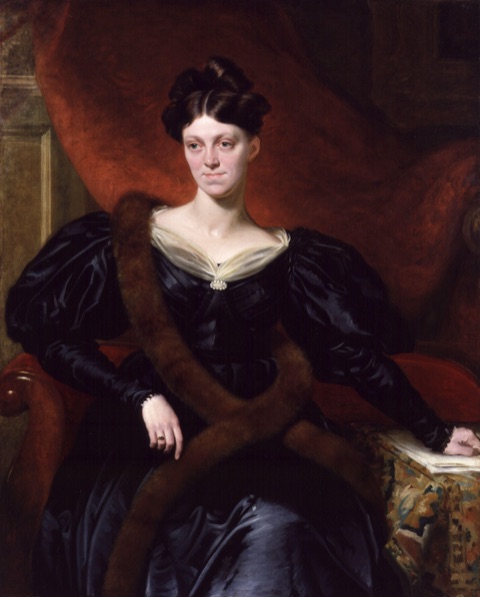
About the author
Harriet Martineau
Harriet Martineau (1802-1876) was an English social theorist, writer, and journalist often described as the first female sociologist. Despite growing up hearing impaired and facing financial hardship after her father's business failed, she became one of the most influential writers of her age. Her Illustrations of Political Economy made complex economic ideas accessible to general readers, while her travel writing, particularly Society in America, offered penetrating social analysis. Martineau was a tireless advocate for reform, supporting abolition, women's rights, and educational improvement. She wrote prolifically across genres including fiction, history, and sociology, producing over fifty books and countless articles. Her intellectual independence and courage in addressing controversial topics made her both celebrated and criticized. Household Education exemplifies her practical, progressive approach to social improvement through individual and family transformation.