Thomas More
Utopia, the 1516 Latin dialogue that gave English the word for an imagined ideal commonwealth, and for his refusal of the Oath of Supremacy, which cost him his life in 1535.
Biography
Thomas More was born in London in 1478, the son of John More, a lawyer who later sat as a judge of the King's Bench. He studied at Oxford, was admitted to Lincoln's Inn in 1496, and spent a period at the London Charterhouse before settling on law and marriage. He became Under-Sheriff of London in 1510, a post that put him in daily contact with the city's commercial disputes, and he was sent on royal embassies to Flanders in 1515 and 1517. The first of those journeys produced Utopia, written in Latin and published at Louvain in 1516 with the help of his friends Erasmus and Peter Giles.
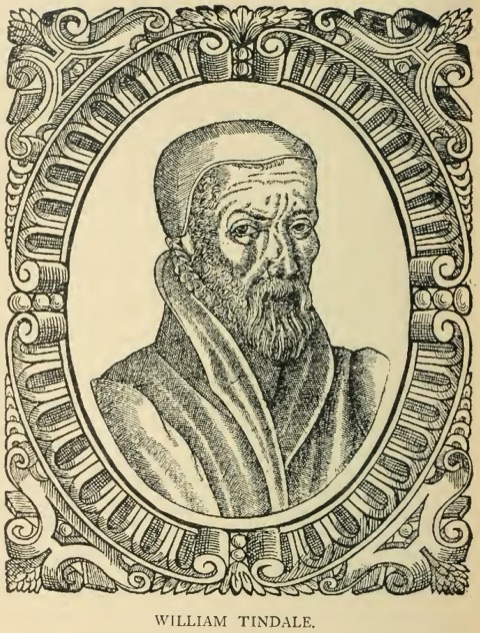
More's public career rose steeply under Henry VIII. He was knighted in 1521, elected Speaker of the House of Commons in 1523, and appointed Lord Chancellor in 1529 after the fall of Cardinal Wolsey, the first layman in generations to hold the office. During these years he also wrote at length against the reformers, answering William Tyndale in A Dialogue Concerning Heresies of 1529 and in The Confutation of Tyndale's Answer, and he prosecuted heresy cases while chancellor.
He resigned the chancellorship in May 1532, the day after the clergy submitted to the king's authority over the church. He declined to attend Anne Boleyn's coronation in 1533, and in 1534 he refused the oath attached to the Act of Succession and the Oath of Supremacy that named Henry VIII supreme head of the Church in England. He was held in the Tower of London from April 1534, where he wrote A Dialogue of Comfort against Tribulation, was convicted of treason at Westminster Hall, and was beheaded on Tower Hill in 1535. He was canonized by the Roman Catholic Church in 1935.