Robert Law
Scottish Free Church minister and New Testament scholar whose study of 1 John, The Tests of Life, became a standard commentary on the letter.

Biography
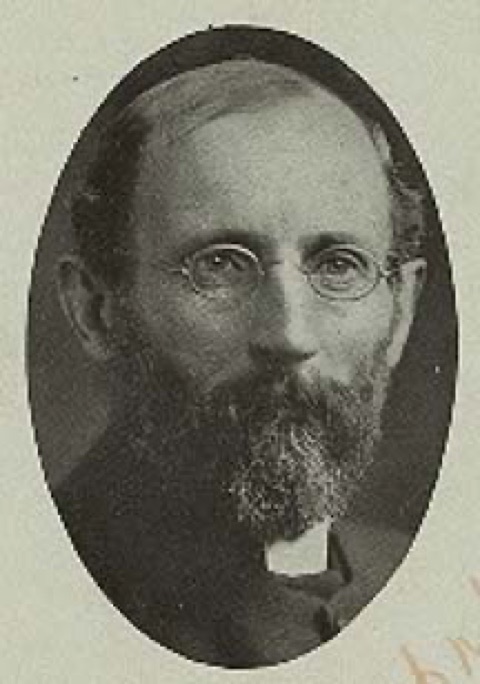
Robert Law (1860 to 1919) was a Scottish Free Church minister and New Testament scholar who served as professor of New Testament literature and exegesis at Knox College, Toronto. He is best remembered for The Tests of Life, his study of the First Epistle of John.
Born in Scotland in 1860, Law was educated at the University of Edinburgh and at New College, the Free Church of Scotland's theological hall in the same city. He worked as a parish minister in Scotland before crossing the Atlantic to take up the New Testament chair at Knox College, which he held until his death in Toronto in 1919.
Law wrote for preachers and thoughtful lay readers rather than for the academic guilds, and his prose is clear and direct. The Tests of Life, published in 1909, argued that 1 John is not a loosely organized sermon but a carefully built letter structured around three recurring tests of genuine Christian life: righteousness, love, and belief. That reading of the epistle became one of the standard approaches to it and remained in print long after his death.
Law also worked on the Gospels. The Emotions of Jesus, published in 1915, examines the joy, compassion, anger, and sorrow attributed to Jesus in the Gospel narratives and treats them as real affections rather than incidental detail, working through the relevant passages toward practical application. He followed it with The Grand Adventure in 1916 and contributed essays and reviews to theological journals.
Life & Career
Why Law Matters
Law belonged to the generation of Scottish Free Church scholars who combined historical-critical study of the New Testament with evangelical conviction. He took critical questions seriously without abandoning the confessional center of his work, and he pitched his writing at a level that made it usable to ordinary preachers rather than confining it to specialists.
His most durable contribution is The Tests of Life. By reading 1 John as a deliberately structured letter organized around the three tests of righteousness, love, and belief, Law gave interpreters a framework for a document that had often been treated as digressive and hard to outline. The book was cited as a major interpretive option through the twentieth century and kept his name current among commentators on the Johannine epistles.
In The Emotions of Jesus, Law examined the Gospel accounts of Jesus rejoicing, grieving, and showing anger, arguing that they describe genuine human affections in the incarnate Son of God rather than incidental detail. He worked each emotion through the relevant texts toward its bearing on Christian life.