James VI/I
King of Scotland and later of England and Ireland, author of The True Law of Free Monarchies and Basilikon Doron, and the king under whom the King James Version of the Bible was translated.
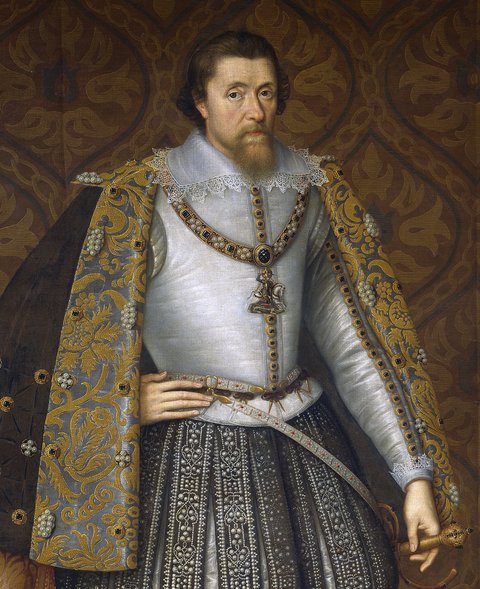
1566-1625
Biography
James Stuart was born at Edinburgh Castle on June 19, 1566, the only child of Mary, Queen of Scots, and her second husband, Henry Stuart, Lord Darnley. His father was murdered in 1567, and within months his mother was forced to abdicate. James was crowned King of Scots at Stirling in July 1567, at thirteen months old, and never saw his mother again.
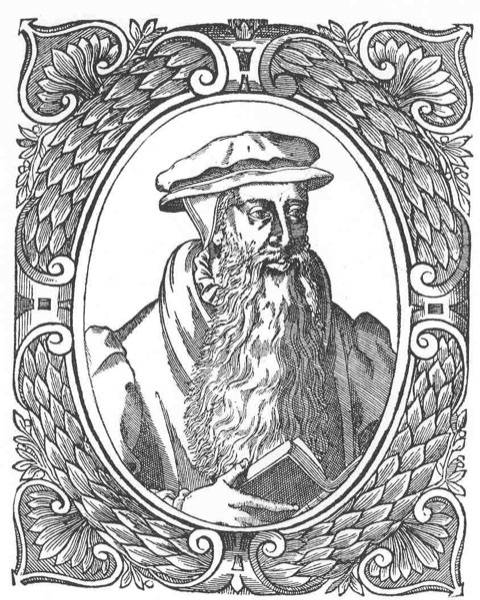
His childhood passed under a series of regents, two of whom were killed, while his education was directed by the humanist scholar George Buchanan, who gave him a thorough grounding in Latin, Greek, Scripture, and history. As he took control of government in the 1580s, James had to balance rival noble factions and a Presbyterian Kirk whose leading ministers insisted that the church was independent of the crown. He married Anne of Denmark in 1589.
James was an unusually prolific royal author. He published verse and a treatise on poetry, Daemonologie on witchcraft in 1597, The True Law of Free Monarchies in 1598, and Basilikon Doron, advice on kingship addressed to his son Henry, in 1599. When Elizabeth I died in 1603, he succeeded to the thrones of England and Ireland as James I, uniting the three crowns under one monarch for the first time.
In England he called the Hampton Court Conference in 1604, which approved a new translation of the Bible, published in 1611 as the Authorized Version. He survived the Gunpowder Plot of 1605, pursued peace with Spain, and quarreled repeatedly with Parliament over money and the extent of royal prerogative. His collected Works were published in 1616. He died at Theobalds in Hertfordshire on March 27, 1625, and was succeeded by his son Charles I.
Life & Career
Why VI/I Matters
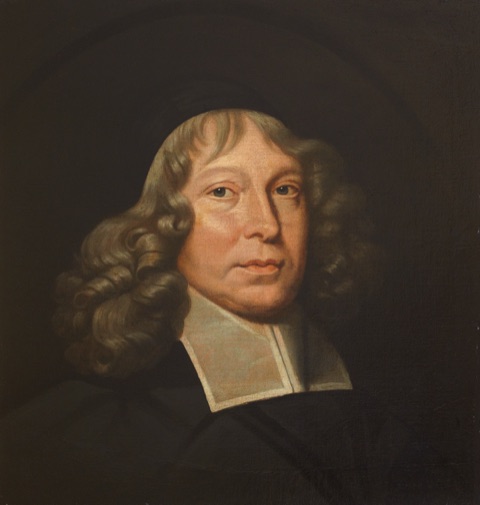
James matters first as a political thinker who was also a reigning monarch. In The True Law of Free Monarchies and Basilikon Doron he gave a systematic account of what came to be called the divine right of kings: monarchy ordained by God, hereditary succession fixed by law, a king who makes the laws and answers for his rule to God alone, and subjects who must obey and may never lawfully resist. He restated these convictions before the English Parliament, and they framed the disputes between the Stuart crown and its critics that ran through the 17th century, drawing replies from resistance theorists such as Samuel Rutherford and further development from royalists such as Robert Filmer.
His most widely felt legacy, however, is the English Bible that bears his name. At the Hampton Court Conference of 1604, James accepted a proposal for a new translation and supported a plan under which companies of scholars at Westminster, Oxford, and Cambridge revised the existing English versions. Published in 1611, the Authorized Version, known as the King James Version, became the standard Bible of English-speaking Protestants for more than three centuries and shaped the language of prayer, preaching, and literature far beyond the church.