William Symington
Scottish Reformed Presbyterian minister known for two systematic works of Covenanter theology: On the Atonement and Intercession of Jesus Christ (1834) and Messiah the Prince (1839), an exposition of Christ's kingship over the nations.
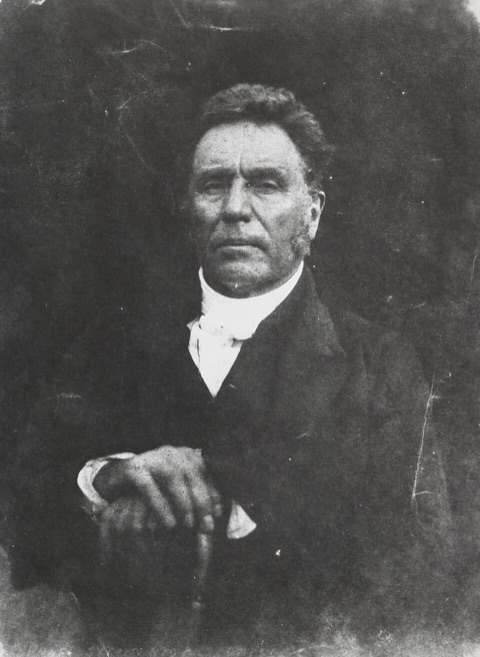
1795–1854
Biography
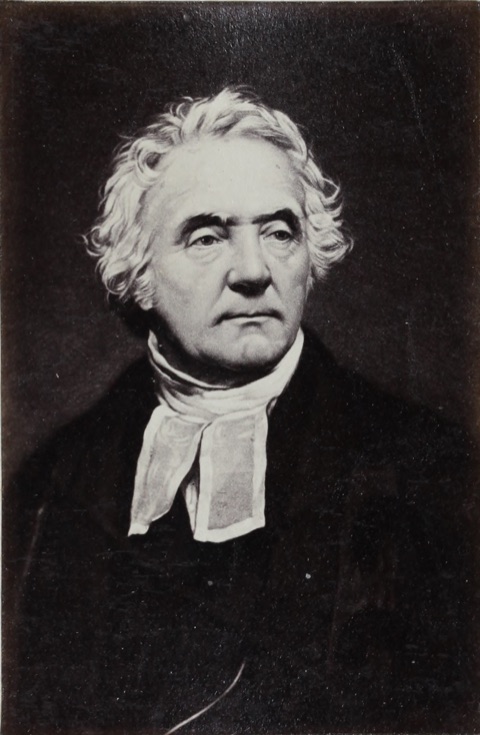
William Symington (1795 to 1854) was a Scottish Reformed Presbyterian minister and theologian, born in Paisley, whose two major treatises made him one of the leading doctrinal writers of the Covenanter tradition in the nineteenth century. The Reformed Presbyterian Church of Scotland, to which he belonged, descended from the Covenanters who had refused to accept the religious settlement of 1690 and maintained a distinct testimony through the eighteenth and nineteenth centuries.
Symington was ordained in 1819 as minister of the Reformed Presbyterian congregation at Stranraer, in the southwest of Scotland, where he served for two decades. In 1839 he was called to the Great Hamilton Street Reformed Presbyterian Church in Glasgow, and he remained in that city for the rest of his life. He preached and wrote within a small denomination, but his books reached a much wider Reformed readership.
His first major work, On the Atonement and Intercession of Jesus Christ, appeared in 1834. It defended the doctrine of definite atonement, arguing that Christ died to secure the salvation of a particular people rather than to make salvation merely possible for all. The book was used as a textbook statement of the Reformed position on the extent and design of Christ's death.
In 1839 he published Messiah the Prince, or the Mediatorial Dominion of Jesus Christ, the work for which he is best remembered. It argued that the risen Christ exercises a mediatorial rule not only over the church but over the nations and their civil governments, a conviction at the center of Covenanter political theology. This teaching underlay the Reformed Presbyterian testimony that the state itself owes recognition to Christ as king.
Symington's elder brother, Andrew Symington, was likewise a Reformed Presbyterian minister and theologian who taught in the denomination's theological hall. William Symington died in Glasgow in 1854.
Life & Career
Why Symington Matters
Symington worked chiefly as the systematizer of two doctrines that defined the Reformed Presbyterian tradition. His 1834 treatise on the atonement gave the doctrine of definite, or particular, atonement one of its most sustained nineteenth-century defenses, working through the design, extent, and application of Christ's death in a form that later Reformed writers continued to cite and recommend.
His larger contribution came through Messiah the Prince (1839). By arguing that Christ's mediatorial dominion extends over civil magistrates and nations, not the church alone, Symington gave doctrinal shape to the distinctive Covenanter claim that political authority is subject to the crown rights of Christ. The book became the standard exposition of that position and stayed in print and in use long after his death.
Both works place Symington within the broader stream of Scottish Reformed theology alongside the earlier Covenanters Samuel Rutherford and George Gillespie, who had also pressed the relationship between Christ's kingship and civil government. Where they wrote amid the seventeenth-century conflicts over church and state, Symington restated the same convictions for a nineteenth-century audience, and his treatment of Christ's mediatorial reign was read within confessional Presbyterian circles beyond his own small denomination.