Johann Gerhard
Lutheran theologian of Jena, author of the Loci Theologici, the standard dogmatics of Lutheran orthodoxy, and of the devotional classic Sacred Meditations (1606).
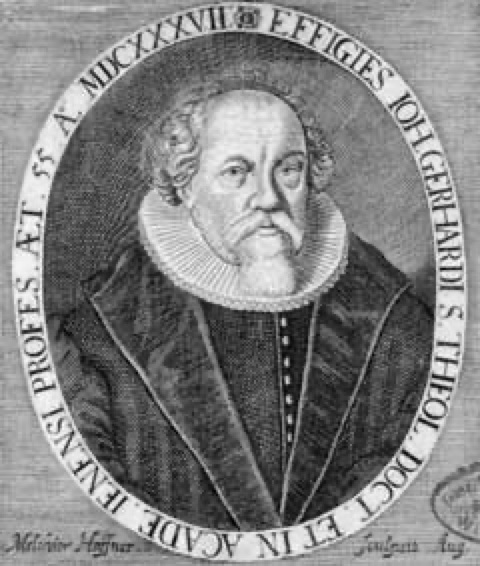
1582–1637
Biography
Johann Gerhard was born at Quedlinburg in Saxony in 1582 AD. At fifteen he fell gravely ill, and during that illness he came under the pastoral care of Johann Arndt, then a pastor in Quedlinburg and later the author of True Christianity. Arndt urged him to give his life to theology. Gerhard studied at Wittenberg, Jena and Marburg before taking his doctorate at Jena in 1606.
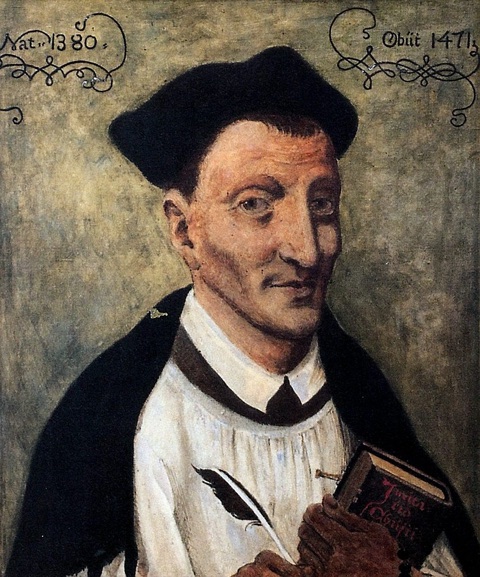
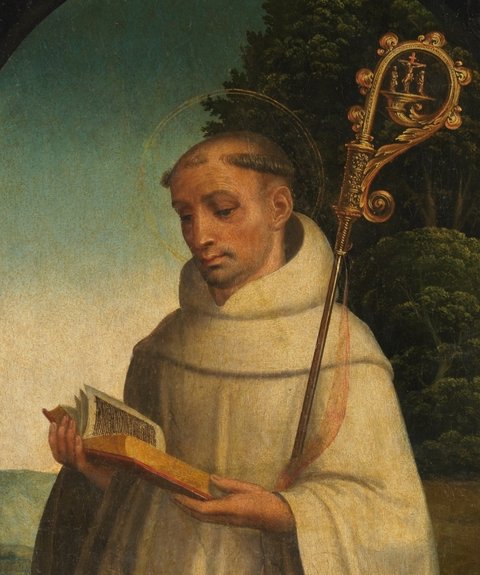
That same year he published the Meditationes Sacrae, the Sacred Meditations, written while he was still in his early twenties. The fifty-one meditations draw on Augustine, Bernard of Clairvaux and the older devotional tradition of the Church, but their doctrine is the Lutheran doctrine of the Reformation: justification through faith in Christ's merit, the true presence of Christ's body and blood in the Lord's Supper, and election sought in Christ rather than in the hidden decree. The book was reprinted and translated across Europe and remained one of the most widely read Lutheran devotional works for centuries.
Also in 1606 Duke Johann Casimir of Saxe-Coburg appointed him superintendent at Heldburg, and in 1615 general superintendent at Coburg, where he helped order the churches and schools of the duchy. In 1616 he became professor of theology at the University of Jena, and he remained there for the rest of his life, refusing repeated calls from other universities and courts. His years at Jena fell during the Thirty Years' War, which brought hardship to the town and the university.
His chief work is the Loci Theologici, published in nine volumes between 1610 and 1622, a full system of Lutheran doctrine set out against Roman Catholic and Reformed opponents. It became the standard dogmatics of Lutheran orthodoxy. In the Confessio Catholica he argued that the evangelical faith was the ancient catholic faith, citing Roman Catholic writers themselves in its support. He also continued the harmony of the Gospels begun by Martin Chemnitz and Polykarp Leyser, and wrote further devotional books, among them the Schola Pietatis, the School of Piety. He died at Jena in 1637 AD.
Life & Career
Why Gerhard Matters
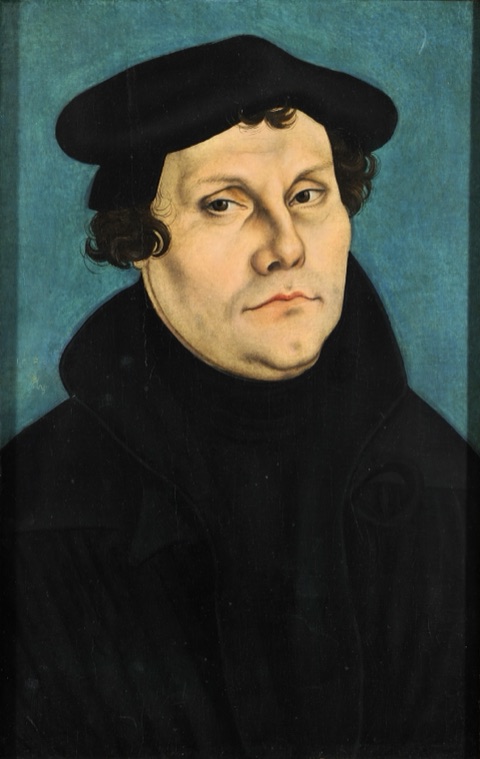
Gerhard is commonly ranked with Martin Luther and Martin Chemnitz as one of the three great theologians of the Lutheran Church. His Loci Theologici gave the doctrine of the Lutheran confessions its most complete systematic form, and for generations Lutheran pastors were trained on it. He was the leading figure of Lutheran orthodoxy, a theology often thought of as dry and scholastic. The Sacred Meditations show the other side of that tradition: the same man who wrote nine volumes of dogmatics wrote a book meant to be prayed, in which the cross, the sacraments, death and heaven are pressed on the conscience of the reader. In Gerhard, exact doctrine and warm devotion belong together.