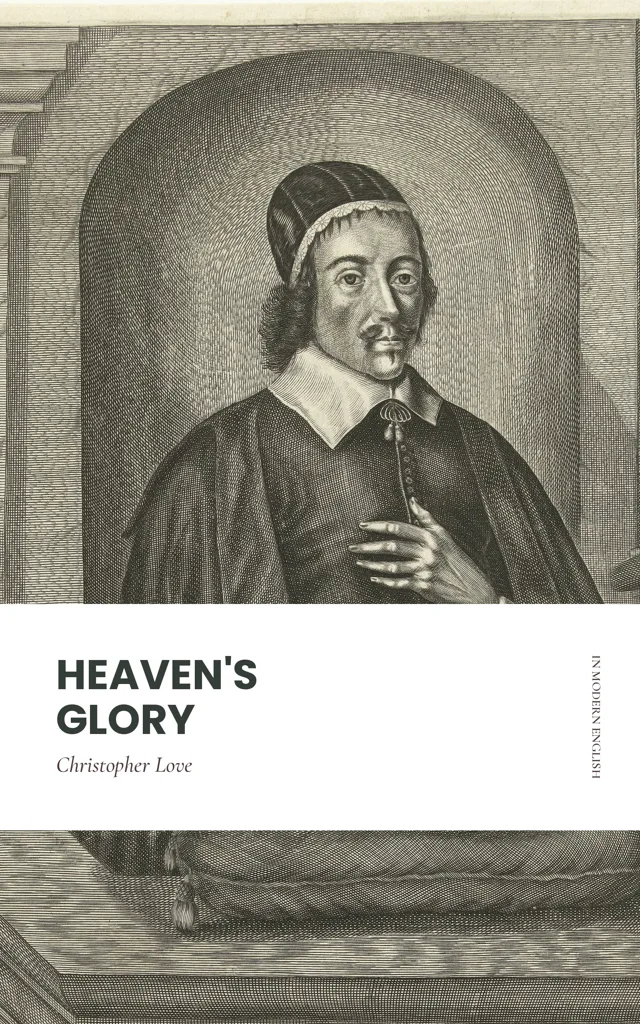
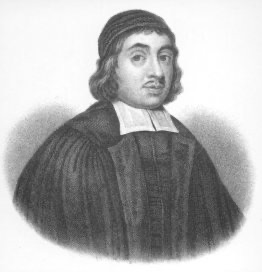
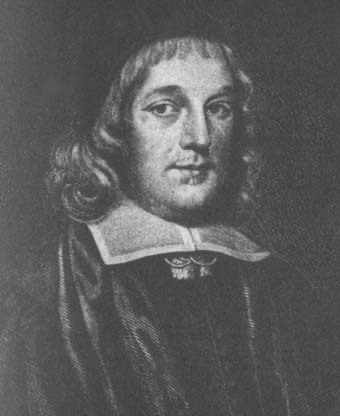
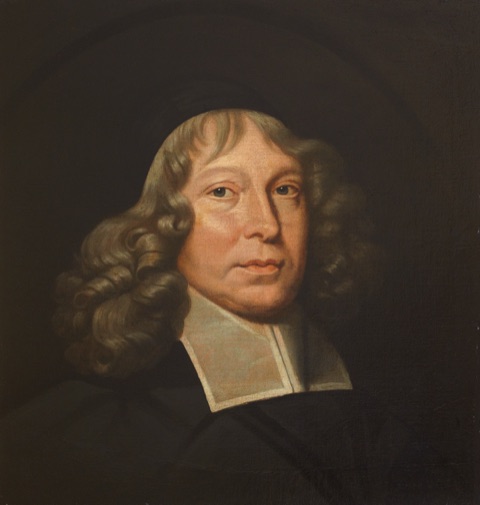
Christopher Love
Welsh Presbyterian preacher in Civil War London whose sermons on heaven, hell, and effectual calling were published after his execution in 1651.
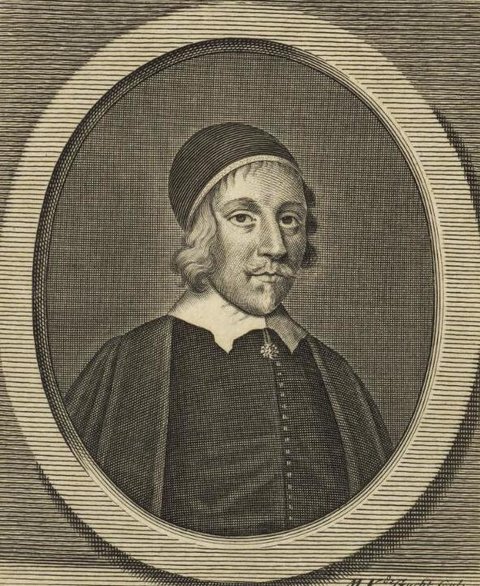
1618–1651
Biography
Christopher Love (1618 to 1651) was a Welsh Presbyterian preacher in London during the Civil War years, known for direct sermons on judgment, calling, and the state of the soul after death, and executed in 1651 for his part in a plot to bring Charles II back to the throne.
He was born in 1618 at Cardiff. By his own account he was converted as a boy under the preaching of William Erbery, against the wishes of his father, who disapproved and apprenticed him in London to get him away from it. His mother and Erbery paid to send him to Oxford instead. He entered New Inn Hall in June 1636 and graduated in May 1639. He then became chaplain to John Warner, sheriff of London, and refused ordination at the hands of a bishop, which kept him out of a living during the years of episcopal government.
When the Presbyterian order was set up in London, Love was among the first men ordained under it, at Aldermanbury church; the exact date is disputed. He had already made himself conspicuous. On January 31, 1645, the day the commissioners arrived at Uxbridge to negotiate peace between king and Parliament, he preached a sermon so hostile to the terms under discussion that the commissioners complained of him and the Commons confined him for the duration of the talks. He served congregations in London, at St Anne's Aldersgate and afterwards at St Lawrence Jewry.
He belonged to the party of London Presbyterian ministers who had supported Parliament against the king but broke with the army and the Independents over the trial and execution of Charles I in 1649. They regarded the Solemn League and Covenant as binding, held that the covenanted king could not lawfully be put to death, and refused the Engagement demanded by the new republic. Out of that position came the correspondence that destroyed him. In 1651 the government uncovered a network of Presbyterian ministers and merchants in communication with the exiled Charles II and with the Scots, collecting money and intelligence. Love was arrested, tried before a High Court of Justice, and condemned. Petitions on his behalf, including from fellow ministers, failed. He was beheaded on Tower Hill on August 22, 1651, and preached from the scaffold before he died.
Almost everything published under his name appeared after his death, edited from his sermon notes and from listeners' transcripts by ministers who had known him, among them Edmund Calamy and Simeon Ashe. Heaven's Glory, Hell's Terror came out in 1653; other volumes followed on effectual calling, the natural man's condition, the conflict between flesh and spirit, and the cure of the dejected soul. A body of apocalyptic prophecies later circulated under his name in cheap print; it has no connection to his authenticated work.
Life & Career
Why Love Matters
Love preached to congregations in a city at war, and his surviving sermons show a man who thought the most useful thing he could do was to make his hearers face the two ends of the road they were on. Heaven's Glory, Hell's Terror sets the blessedness of the saved and the misery of the lost side by side and works through each in detail, on the reasoning that a person who will not be moved by the description of one may be moved by the description of the other. The method was standard among the Puritan preachers; what marks Love's use of it is plainness. He argues in short steps, states objections in the words an ordinary listener would use, and answers them without ornament.
His other posthumous volumes fill out the same scheme from the other direction. The treatise on effectual calling deals with how a person is actually brought from one state to the other, and the sermons on the natural man's case describe the condition being left behind. Taken together they form a compact statement of the Reformed order of salvation as it was preached rather than as it was taught in the schools, which is why later collectors of Puritan divinity kept reprinting them.
His death gave the books a second life. To the Presbyterian party he was the case that proved what the Independents and the army had become, and his execution hardened the division between the two wings of the parliamentary cause for the rest of the Interregnum. Thomas Watson was imprisoned over the same conspiracy and James Nalton fled to the continent to avoid arrest, so the episode touched a good part of the London Presbyterian ministry. Editions of Love's sermons carried accounts of his trial and of his conduct on the scaffold, and for a long time the sermons and the death were read together.