Full text in modern English · Free PDF/EPUB
Justification by an Imputed Righteousness
Want the file? The PDF/EPUB is free with an account.
Summary
- Author
- John Bunyan (1628 to 1688 AD), English Puritan preacher and author
- Published
- 1692 AD, after Bunyan's death
- Source edition
- Offor's The Works of John Bunyan, vol. 1 (1855)
- Type
- Doctrinal treatise
- Length
- 34,000 words · 2 hours
What is Justification by an Imputed Righteousness about?
Justification by an Imputed Righteousness is John Bunyan's argument that sinners are declared right with God only because God counts Christ's obedience and death to their account, never because of their own works. It holds that people are justified while still sinners in themselves, and it warns against trusting the law even in part.
Read the full summary (9 points, key themes)Show less
How the argument unfolds
- 01
Proposition: the terms defined. Bunyan defines sinner, curse, justifying righteousness and imputation, then states his thesis: there is no way to be justified but by the righteousness Christ performed and still holds.
- 02
First position: Christ as a common person. Christ took “a lump of the common nature of man,” so his people are said to suffer, die and rise with him. Bunyan compares it to a lawyer acting in his client's name.
- 03
Scripture proofs: twelve texts. From Deuteronomy 9 to Romans 4, each passage closes on the same refrain, that men are justified “while sinners in themselves.”
- 04
Types and cases. Adam's coats of skins, Abel, Jacob, the infant of Ezekiel 16 and Joshua in filthy garments, then the Gadarene, the prodigal, Zacchaeus, the dying thief and the Philippian jailer.
- 05
Reasons: what the law demands. All have sinned, the law requires perfection from the first moment, and since sin came God has set the law aside as a way to life. Bunyan answers the objection from Romans 2:13 that “the doers of the law shall be justified.”
- 06
Six snares. The law's majesty, its hold on the conscience, plausible reasoning, ignorance of the gospel, false names, and ceremonies such as circumcision all draw people back to the law.
- 07
Second position: righteousness only in Christ. It is “the righteousness of one,” as Adam's sin was one man's act counted to many. Even works done after faith must be washed in the blood of the Lamb before God accepts them.
- 08
First use: do not seek it in yourself. Know the covenant of grace, know your own pollution, and “only acknowledge” your sins without trying to dress them up.
- 09
Second use: live by faith. Faith's strength against Satan, a warning to those who halt between Christ and the law, and a closing call to imagine your last day on earth.
Key themes
- Justified while a sinner. God clears the guilty as guilty, and holiness comes after: “Sanctification, then, follows as a consequence; justification goes before.”
- No half measures. Trusting Christ in part and the law in part fails both ways, because Christ “must be all your salvation or none.”
- Faith as the receiving hand. Faith earns nothing; it takes hold of Christ. “Faith, then, separated from Christ, does nothing, nothing at all.”
Reader questions (7)Hide the questions
Questions about Justification by an Imputed Righteousness
Can I read Justification by an Imputed Righteousness online for free?
Yes. The complete text of this modern English edition is on this page, with no sign-up or paywall.
Is there a free PDF of Justification by an Imputed Righteousness?
Yes. The PDF and EPUB of this edition are free with an Updated Works account. Sign in with Google or an email link; no card is needed.
What does imputed righteousness mean?
To impute is to count something to someone's account. Bunyan defines it as “God’s making it ours by an act of his grace,” so that Christ's obedience and death stand for the believer while the righteousness itself remains Christ's.
Does Bunyan teach that good works don't matter?
No. He says union with Christ “lays a foundation” for a new life, and that whoever talks of these things without wanting them in himself “professes in vain.” But no work, even one done after faith, justifies anyone before God.
How does Bunyan answer Romans 2:13, “the doers of the law shall be justified”?
He reads it as a statement of what the law requires, not a promise anyone can meet: “None but doers can be just before God by it; but no one does the law, no, not one.”
Was Christ only our example in keeping the law?
Bunyan rejects the idea. If sinners could keep the law as Christ did, then “while we call ourselves his scholars, we actually make ourselves the masters.”
When was Justification by an Imputed Righteousness published?
It was first printed in 1692 AD, four years after Bunyan died. He writes against unnamed “adversaries” who deny imputation, but he does not name them.
Justification by an Imputed Righteousness · Full text
Justification Defined and the Proposition Stated
In Scripture, justification is taken in more than one sense. Sometimes it means the justification of persons; sometimes the justification of actions; and sometimes the justification of both the person and the action.
It is taken for the justification of persons, and that either as to justification with God or as to justification with men.
As to justification with God: that is when a man stands clear, acquitted, free, or in a saved condition before him, with the approval of his holy law.
As to justification with men: that is when a man stands clear and acquitted of any just ground for blame in their eyes.
Justification is also to be taken with reference to actions. An action may be justified when it is considered as flowing from true faith, or because the act done fulfills some temporary law.
As actions flow from faith, they are justified because they are done before God in the perfections of Jesus Christ and made complete through them (1 Pet 2:5; Heb 13:15; Rev 8:1-4).
As to an act justified because doing it fulfills some temporary law: this was the case when Jehu executed judgment on the house of Ahab. “Thou hast done well,” said God to him, “in executing that which is right in mine eyes, and hast done unto the house of Ahab according to all that was in mine heart” (2 Kgs 10:30). With such acts, God may or may not look at the condition of those who do them. And it is clear that in justifying this action he had no regard to any good that was in Jehu; nor could he have had, for Jehu still clung to the sins of Jeroboam and “took no heed to walk in the law of the Lord God of Israel” (2 Kgs 10:29, 31).
From this I might also show you that a man may be justified even when his action is condemned, and also that a man may be in a state of condemnation when his action may be justified. But I will not take up time with these distinctions. My intention is to treat of justification as it sets a man free and clear from sin, and from the curse and condemnation of the law, in the sight of God, with a view to eternal salvation.
And so that I may handle this point before you more clearly, I will lay down this proposition and speak to it:
Proposition. That there is no other way for sinners to be justified from the curse of the law in the sight of God than by the imputation of that righteousness long ago performed by, and still residing with, the person of Jesus Christ.
The terms of this proposition are easy; yet if it will help, I will say a word or two to explain them.
1. By a sinner, I mean one who has transgressed the law, “for sin is the transgression of the law” (1 John 3:4).
2. By the curse of the law, I mean that sentence, judgment, or condemnation which the law pronounces against the transgressor (Gal 3:10).
3. By justifying righteousness, I mean that which consists in the doing and suffering of Christ when he was in the world (Rom 5:19).
4. By this righteousness residing in Christ’s person, I mean that it still remains with him as to the action, though the benefit is bestowed on those who are his.
5. By the imputation of it to us, I mean God’s making it ours by an act of his grace, so that by it we might be secured from the curse of the law.
6. When I say there is no other way to be justified, I cast away, to that end, the law and all the works of the law as done by us.
Thus I have opened the terms of the proposition.
1 and 2. Now the first two, that is, what sin is and what the curse is, stand clear in everyone’s sight, unless they are atheists or desperately heretical. I shall therefore clear up the other four in a few words.
3. Justifying righteousness, then, is the doing and suffering of Christ when he was in the world. This is clear, because we are said to be justified by his obedience, that is, by his obedience to the law (Rom 5:19). Hence he is said again to be the end of the law for that very thing: “Christ is the end of the law for righteousness …” (Rom 10:4). The end: what is that? Why, the requirement or demands of the law. But what are they? Why, righteousness, perfect righteousness (Gal 3:10). Perfect righteousness: to do what? That the soul concerned might stand spotless in the sight of God (Rev 1:5). Now this lies only in the doings and sufferings of Christ, for “by his obedience many are made righteous.” Therefore, in this respect, Christ is the end of the law: that righteousness being found in his obedience, his obedience becomes sufficient to us for our justification. Hence we are said to be made righteous by his obedience; yes, and to be washed, purged, and justified by his blood (Heb 9:14; Rom 5:18-19).
4. That this righteousness still resides in and with the person of Christ, even when we stand just before God by it, is clear, because when we are justified we are said to be justified “in him.” “In the Lord shall all the seed of Israel be justified.” And again, “Surely, shall one say, In the Lord have I righteousness …” (Isa 45:24-25). And again, “But of him are ye in Christ Jesus, who of God is made unto us … righteousness” (1 Cor 1:30). Notice: the righteousness is still “in him,” not “in us,” even when we are made partakers of its benefit; just as the wing and feathers still remain part of the hen when the chicks are covered, kept, and warmed by them.
For as my doings, though my children are fed and clothed by them, are still my doings and not theirs, so the righteousness by which we stand just before God, free from the curse, still resides in Christ, not in us. Our sins, when laid on Christ, were still personally ours, not his; so his righteousness, when put on us, is still personally his, not ours. What is it, then? Why, “he was made to be sin for us, who knew no sin; that we might be made the righteousness of God in him” (2 Cor 5:21).
5. Therefore it has its justifying power only by imputation, that is, as God reckons it to us; just as our sins made the Lord Jesus a sinner, indeed made him “sin,” by God’s reckoning them to him.
It is absolutely necessary that we know this. For if someone’s understanding is muddy on this point, it is impossible for that person to be sound in the faith. Also, in temptation, the man who looks for a righteousness for justification in himself will be at a loss, since it is to be found nowhere but in Jesus Christ. The apostle, who was a master craftsman in this matter, was always “looking to Jesus,” that he might “be found in him,” knowing that peace or safety could be had nowhere else (Phil 3:6-9). And indeed, this is one of the greatest mysteries in the world: that a righteousness which resides with a person in heaven should justify me, a sinner, on earth!
6. Therefore, as to this, the law and its works must be cast away by us; not only because here they are useless, but also because, if they are kept, they are a hindrance. That they are useless is evident, because salvation comes by another name (Acts 4:12). And that they are a hindrance is clear, for the very clinging to the law, even if only a little, or in a little part, prevents justification by the righteousness of Christ (Rom 9:31-32).
What shall I say? As to this, the moral law is rejected, the ceremonial law is rejected, and man’s righteousness is rejected, because here they are both weak and unprofitable (Rom 8:2-3; Gal 3:21; Heb 10:1-12). Now if all these and their works are rejected as to our justification, where but in Christ is righteousness to be found?
This much, then, for the explanation of the proposition: namely, that there is no other way for sinners to be justified from the curse of the law in the sight of God than by the imputation of that righteousness long ago performed by, and still residing with, the person of Jesus Christ.
Now from this proposition I draw these two positions. First, that men are justified from the curse of the law before God while sinners in themselves. Second, that this can be done by no other righteousness than that long ago performed by, and residing with, the person of Jesus Christ.
The First Position: The Mystery of Christ’s Representative Death
Let us now, then, enter into the consideration of the first of these positions, namely, that men are justified from the curse of the law before God while they are sinners in themselves. I will show this, first, by touching on the mysterious acts of our redemption; second, by giving you plain texts that reveal it; and third, by reasons drawn from those texts.
First, then, for the first of these, namely, the mysterious act of our redemption. I will speak to it under these two heads: first, I will show you what that act is; and second, how we were concerned in it.
First, what I call, and rightly call, the mysterious act of our redemption is Christ’s sufferings as a common person, though he was a particular person, and as a sinner, though he was always completely righteous.
That he suffered as a common person is true. By common I mean a public person, one who represents the body of mankind in himself. A multitude of scriptures bear witness to this, especially Romans 5, where the apostle sets him before us as the head of all the elect, just as Adam was once the head of all the world. So he lived, and so he died; and this was a mysterious act. And that he should die as a sinner, when he himself did “no sin,” nor was any “guile found in his mouth” (1 Pet 1:19; 1 Pet 2:22; 1 Pet 3:18), made this act more mysterious still.
That he died as a sinner is plain: “He hath made him to be sin” (2 Cor 5:21). “And the Lord laid upon him the iniquity of us all” (Isa 53). And that he was completely sinless as to his own person is just as truly shown, and by a multitude of scriptures. Now, I say that for Christ Jesus to be considered in this way, and to die in this way, was the great mystery of God. That is why Paul tells us that when he preached “Christ crucified,” he preached not only the “wisdom of God” (1 Cor 1:24) but the “wisdom of God in a mystery,” even his “hidden wisdom” (1 Cor 2:7-8). For indeed this wisdom is hidden, and kept close from the “fowls of the air” (Job 28:20-21).
It is also so mysterious that it goes beyond the reach of all men, except those to whom God gives an understanding to grasp it (1 John 5:20). That one particular man should represent all the elect in himself, and that the most righteous should die as a sinner, yes, as a sinner by the hand of a just and holy God, is a mystery of the greatest depth!
Second, I now come to show you how the elect are concerned in it, that is, in this mysterious act of this most blessed One. And this will make the act more mysterious to you still.
Now, then, we will speak first of how Christ prepared himself to act in this mysterious way. He took hold of our nature. I say, he took hold of us by taking flesh and blood upon himself. The Son of God, therefore, did not take upon himself a particular person, though he took to himself a human body and soul. What he took was, as I may call it, a lump of the common nature of man; and by that he took hold of the whole elect seed of Abraham. “For verily he took not on him the nature of angels, but he took on him the seed of Abraham” (Heb 2:16). So in a mystery he became us, and was counted as all the men who were or ever should be saved. And this is why we are said to do a thing when it was Jesus Christ alone who did it. Take these instances:
1. When Jesus Christ fulfilled the righteousness of the law, it is said that it was fulfilled in us, because it was indeed fulfilled in our nature. “For what the law could not do, in that it was weak through the flesh, God sending his own Son in the likeness of sinful flesh, and for sin, condemned sin in the flesh, that the righteousness of the law might be fulfilled in us” (Rom 8:3-4). But so that none who have not had a work of conversion pass upon them should claim this for themselves, he adds, “Who walk not after the flesh, but after the Spirit” (Rom 8:4).
For since there is a union between head and members, though things may be done by the head, and done for the members, those things are counted to the members as if they were not done by the head alone. “The righteousness of the law is fulfilled in us,” and that truly, because it was fulfilled in that common nature which the Son of God took from the Virgin. So in this sense we are said to do what was done by him alone. It is like a client and his lawyer when the lawyer stands in for him. The client is said to do it, when it is only the lawyer who does it; and the client is said to win by doing it, when it is the lawyer who wins. The reason is that the lawyer acts in the client’s name.
How much more, then, may it be said that we do, when only Christ does, since what he does he does not in our name only, but in our nature too. “For the law of the Spirit of life in Christ,” not in me, “hath made me free from the law of sin and death” (Rom 8:2). He did in his common flesh what could not be done in my particular person, so that I might have the righteousness of the law fulfilled in me, that is, in my flesh which Christ assumed, though it was impossible for it to be done by me because of the weakness of my person. The reason for all this is that we are said to be in him in his doing: in him by our flesh, and also by the election of God. So then, as all men sinned when Adam fell, so all the elect did righteousness when Christ worked and fulfilled the law; “for as in Adam all die, even so in Christ shall all be made alive” (1 Cor 15:22).
2. As we are said to do by Christ, so we are said to suffer by him, to suffer with him. “I am crucified with Christ,” said Paul (Gal 2:20). And again, “Forasmuch then as Christ hath suffered for us in the flesh, arm yourselves likewise with the same mind; for he that hath suffered in the flesh hath ceased from sin” (1 Pet 4:1). Notice how the apostle seems to change the person. First he says that it is Christ who suffered, and that is true. But then he implies that it is we who suffered, for the exhortation is to believers, to “walk in newness of life” (Rom 6:4). And the argument is that they have suffered in the flesh: “For he that hath suffered in the flesh hath ceased from sin; that he no longer should live the rest of his time in the flesh to the lusts of men, but to the will of God” (1 Pet 4:1-2).
We then suffered, when Christ suffered. We suffered then in his flesh, and our “old man was crucified with him” as well (Rom 6:6), that is, in his crucifixion. For when he hung on the cross, all the elect hung there, both in their common flesh which he had assumed, and because he suffered there as a public man.
3. As we are said to suffer with him, so we are said to die, to be dead with him; with him, that is, by the dying of his body. “Now if we be dead with Christ, we believe that we shall also live with him” (Rom 6:8). That is why he says in other places, “Brethren, ye are become dead to the law by the body of Christ”; for indeed we died to it then, by him. To the law: that is, the law now has nothing to do with us, because it has already executed its curse on us to the full by slaying the body of Christ. For the body of Christ was our flesh, and our sin was laid on it as well. The law, too, spent on him the curse that was due to us, when it condemned him, killed him, and cast him into the grave.
So, since the law has thus spent its whole curse on him as he stood in our place, we are exempted from its curse forever. We have become dead to it by that body (Rom 7:4). It has done with us as far as justifying righteousness is concerned. Nor do we need to fear its damning threats any more; for by the death of this body we are freed from it, and are now joined forever to a living Christ.
4. As we are thus said to be dead, so we are also said to rise again by him. “Thy dead men,” he says to the Father, “shall live, together with my dead body shall they arise” (Isa 26:19). And again, “After two days will he revive us; in the third day we shall live in his sight” (Hos 6:2).
Both these scriptures speak of the resurrection of Christ, of the resurrection of his body on the third day. But look: as we were said before to suffer and be dead with him, so now we are also said to rise and live in God’s sight by the resurrection of his body. For, as I said, the flesh was ours. He took part of our flesh when he came into the world, and in it he suffered, died, and rose again (Heb 2:14). God therefore counted us as well in that God-man when he did this; yes, he suffered, died, and rose as a common head.
That is why the New Testament is full of this, saying, “If ye be dead with Christ” (Col 2:20); “If ye be risen with Christ” (Col 3:1). And again, “He hath quickened us together with him” (Col 2:13). “We are quickened together with him.” “Quickened,” and “quickened together with him”! The apostle uses words that cannot easily be shifted or evaded. Christ, then, was quickened when he was raised from the dead, and it is not proper to say that he was ever quickened either before or since. This text also concludes that we, that is, the whole body of God’s elect, were quickened then too, and made to live together with him. True, we are also quickened personally by grace on the day we are born to God by the gospel; yet before that we are quickened in our Head: quickened when he was raised from the dead, quickened together with him.
5. Nor are we considered in this way, as dying and rising, and then left there. The apostle pursues his argument and tells us that, being considered in him, we also reap by him the benefit Christ received, both in preparation for his resurrection and in its blessed effect.
(1) By being counted in him in this way, we received the benefit that came before his rising from the dead. And what was that but the forgiveness of sins? For it stands clear to reason that if Christ had our sins charged to him at his death, he must then be discharged of them before he could rise. Now, though it is not proper to say that they were forgiven to him, because they were purged from him by merit, yet they may be said to be forgiven to us, because we receive this benefit by grace. And this, I say, was done before his resurrection from the dead. “He hath quickened us together with him, having forgiven us all trespasses.” He could not be “quickened” till we were “discharged,” because it was not for himself but for us that he died. That is why we are said to be, at that time, dead in our sins as to our own personal state, even when we are “quickened together with him” (Col 2:13).
Therefore both the “quickening” and the “forgiveness” too, so far as we are concerned in this text, apply to him as we are considered in him, or to him with respect to us. “Having forgiven you all trespasses.” Necessity required this. Otherwise, how could the pains of death be loosed so that he might rise, as long as even one sin still stood charged to him for which God had not received full satisfaction? So, as we suffered, died, and rose again by him, so also, in order to his rising, he, representing us in his person and suffering, received for us the forgiveness of all our trespasses. A full discharge of all our sins, therefore, was received from God in and by Christ before he rose from the dead, as his resurrection truly declared. For he “was delivered for our offences, and was raised again for our justification” (Rom 4:25). This, then, is one of the privileges we receive by the rising again of our Lord, because we were considered in his flesh, yes, and in his death and suffering too.
(2) By this means we have also now escaped death. “Knowing that Christ being raised from the dead dieth no more; death hath no more dominion over him. For in that he died, he died unto,” or for, “sin once; but in that he liveth, he liveth unto God” (Rom 6:9-10). Now in all this, considering what has been said before, we who are of the elect are privileged, because we also are raised up by the rising of the body of Christ from the dead. And so the apostle bids us reckon: “Likewise reckon ye also yourselves to be dead indeed unto sin, but alive unto God through Jesus Christ” (Rom 6:11). That is why Christ says, “I am the resurrection and the life” (John 11:25), because all his people are safe in him, suffering, dying, and rising. He is the life, “our life”; yes, so truly our life that by him the elect live before God even while, as to themselves, they are still dead in their sins.
That is why in time they partake of quickening grace from this their Head, which makes them also live by faith, in preparation for their living hereafter with him in glory. For if Christ lives, those who shared with him in his resurrection cannot die. That is why they are said to “live,” being “quickened together with him.” And as surely as they lived by him at his resurrection, so surely shall they be gathered to him at his coming. Indeed, from that day to this, all who, as I said, were in him at his death and resurrection are already, in the “dispensation of the fullness of times,” daily “gathering to him.” For this is what he has purposed, and so no one can annul it: “In the dispensation of the fullness of times he might gather together in one all things in Christ, both which are in heaven and which are on earth; even in him” (Eph 1:10).
(3) To secure this all the more to the faith of us who believe: as we are said to be “raised up together” with him, so we are said to be “made to sit together in heavenly places in Christ Jesus” (Eph 2:6). We died by him, we rose by him, and we, all the elect, are set down “together” in “heavenly places in Christ Jesus.” For still, even now that he is at the right hand of God, he is to be considered as our public man, our Head, and so as one in whom all the elect of God are included. By him, then, we are already in heaven; in heaven, I say, by him; yes, set down there in our places of glory by him. That is why the apostle, speaking of us again, says that as we are predestined, we are called, justified, and glorified (Rom 8:30). Called, justified, glorified: all is done, already done, as we are thus considered in Christ. For in his public work there is nothing yet left to do as to this. Is not he called? Is not he justified? Is not he glorified? And are we not in him, in him, even as so considered?
Nor does this doctrine hinder or forestall the doctrine of regeneration or conversion. No, it lays a foundation for it. For by this doctrine we gather assurance that Christ will have his own. If they already live in their Head, what is that but a pledge that they shall live with him in their persons? And so it follows that, to that end, they shall be called, in the times appointed for that end, to a state of faith, which God has ordained shall come before their personal enjoyment of glory. Nor does this hinder their partaking of the symbol of regeneration, and of their other privileges to which they are called in the day of grace. Yes, it lays a foundation for all these things.
For if I am dead with Christ, let me be like one dead with him, even to all the things to which Christ died when he hung on the tree; and then he died to sin, to the law, and to the rudiments of this world (Rom 6:10; Rom 7:4; Col 2:20). And if I am risen with Christ, let me live like one born from the dead, in newness of life, with my mind and affections set on the things where Christ now sits at the right hand of God. And indeed, the one who talks of these things, and does not care to have them answered in himself as well, professes in vain. This was the apostle’s way: he longed to “know him, and the power of his resurrection, and the fellowship of his sufferings, being made conformable unto his death” (Phil 3:10). And when we are like this, the thing is true both in him and in us. Then, as is the heavenly, such are they that are heavenly (1 Cor 15:48). For whoever says he is in him, and by being in him is a partaker of these privileges by him, “ought himself also so to walk, even as he walked” (1 John 2:6).
But to leave this digression and come to my argument, namely, that men are justified from the curse of the law before God while they are sinners in themselves: this is evident from what has already been said. For if the justification of their persons is by, in, and through Christ, then it is not by, in, and through their own doings. Nor did Christ engage in this work except out of necessity, because otherwise there would have been no salvation for the elect. “O my father,” he says, “if it be possible, let this cup pass from me” (Matt 26:39). If what is possible? Why, that my elect may be saved, and I not have to spill my blood. So he says again that Christ ought to suffer (Luke 24:26). “Christ must needs have suffered” (Acts 17:3), for “without shedding of blood is no remission” of sin (Heb 9:22).
Scripture Proofs That Sinners Are Justified as Sinners
Second. We will now come to the present state and condition of those who are justified, I mean with respect to their own qualifications, and so prove the truth of this great position of ours. I will do this by giving you plain texts that reveal it, and that consequently prove our point. And after that, I will give you reasons drawn from those texts.
1. “Speak not thou in thine heart” (no, not even in your heart) “after that the Lord thy God hath cast them out” (your enemies) “before thee, saying, For my righteousness … do I possess this land. … Not for thy righteousness, or for the uprightness of thine heart, dost thou go to possess their land. … Understand, therefore, that the Lord thy God giveth thee not this good land to possess it for thy righteousness; for thou art a stiff-necked people” (Deut 9:4-6).
In these words, which fit our purpose exactly, two things are worth considering. (1) The people spoken to here were the people of God, and God himself acknowledges them as such twice over: “The Lord thy God, the Lord thy God.” So, then, the righteousness meant here is not the righteousness that is in the world, but the righteousness that the people of God perform. (2) The righteousness meant here is not some of it, but all of it, every bit of what the church performs toward God. Do not say in your heart, after the Lord has brought you in, “It was for my righteousness.” No, all your righteousness, from Egypt to Canaan, will not purchase Canaan for you.
That this is true is evident, because that righteousness is rejected three times: “Not for thy righteousness,” “not for thy righteousness,” “not for thy righteousness,” do you possess the land. Now, if the righteousness of the people of God in former times could not earn them Canaan, which was only a type of heaven, how can the righteousness of the world now obtain heaven itself? I say again, if godly men, as these were, could not purchase the type of heaven by their works, then the ungodly must be justified from the curse and sentence of the law, if they are ever justified at all, while they are sinners in themselves. The argument is clear. For if good men cannot earn the lesser thing by what they do, bad men cannot earn the greater by what they do.
2. “Remember me, O my God, concerning this; and wipe not out my good deeds that I have done” (Neh 13:14).
These words were spoken by holy Nehemiah, and that at the end of all the good we read that he did in the world. Also, the deeds spoken of here were deeds done for God, for his people, for his house, and for its offices. Yet godly Nehemiah did not dare to stand before God in these deeds, nor even to let them stand before God’s judgment by the law. Instead he prays to God to be merciful both to him and to them, and to spare him “according to the greatness of his mercy” (Neh 13:22).
God blots out no good except for the sake of sin. And since this man prays that God would not blot out his good deeds, it is evident that he was aware that there was sin in his good works. Now, I say, if a good man’s works are in danger of being overthrown because there is a tang of sin in them, how can bad men think to stand just before God in their works, which are full of sin in every part? Yes, if the works of a sanctified man are blameworthy, how will the works of a bad man set him clear in the eyes of divine justice?
3. “But we are all as an unclean thing, and all our righteousnesses are as filthy rags; and we all do fade as a leaf; and our iniquities, like the wind, have taken us away” (Isa 64:6).
In these words we have an account of both persons and things. (1) Of persons. And they are a righteous people, a righteous people all put together: “We, we all are …” (2) The condition of this people, even of all of them, taking them at their best, is, by their own confession, “as an unclean thing.” (3) Again, the things that belong to this people here are their good things, set down under this broad description: “Righteousnesses, all our righteousnesses.”
These expressions therefore include all their religious duties, both before faith and after faith too. But what are all these righteousnesses? Why, they are all as “filthy rags” when they are set before the justice of the law. Yes, these people also confess that their iniquities, in spite of all their righteousnesses, would “carry them away” like the wind, unless grace stepped in. This being so, how is it possible for someone who is in his sins to work himself into a spotless condition by works done before faith, by works done by natural abilities? Or how can he perform a righteousness that is able to look God in the face, and his law in the face, and to demand and obtain the forgiveness of sins and eternal life? It cannot be. “Men must therefore be justified from the curse, in the sight of God, while sinners in themselves,” or not at all.
4. “There is not a just man upon earth, that doeth good, and sinneth not” (Eccl 7:20; 1 Kgs 8:46).
Although the words before were broad, these seem far broader: there is not a man, not a just man, not a just man upon the earth, who does good and does not sin. Now, if no good man, if no good man on earth does good without sinning, then no good man on earth can set himself justified in the sight of God by his own actions, for he has sin mixed with his good. How then will a bad man, any bad man, the best bad man on earth, think to set himself just in the sight of God by his best things? And if the tree makes the fruit either good or evil, then a bad tree (and a bad man is a bad tree) can bring forth no good fruit (Matt 7:16). How then will such a person do anything that will “cleanse him from his sin,” and set him “spotless before the face of God”?
5. “Hearken unto me, ye stout-hearted, that are far from righteousness: I bring near my righteousness …” (Isa 46:12-13).
(1) This call is general, and so it proves, whatever men think of themselves, that in the judgment of God there is no one righteous at all. Men, as men, are far from being so. (2) This general offer of righteousness, of the righteousness of God, declares that it is useless for men to think they can be made just and righteous before God by any other means. (3) It is also implied here that God has prepared a righteousness for the one who thinks himself the worst, and therefore he would not have the one who sees himself far from righteousness despair of life. From all these scriptures, then, it is plain “that men must be justified from the curse of the law, in the sight of God, while sinners in themselves.”
6. “Come unto me, all ye that labour and are heavy laden, and I will give you rest” (Matt 11:28).
Here we have a laboring people, a people laboring for life. But for all their labor, you see, they cannot ease themselves. Their burden still remains on them; they are still heavy laden. The load here is no doubt the guilt of sin, such as David had when he said that because of it he was not able to look up (Ps 38:3-5). Here, then, you have a test case set before you of those who are trying what they can do for life. But look: the more they stir, the more they sink under the weight of the burden that lies on them. And the conclusion, that is, Christ’s call to them to come to him for rest, declares that in his judgment rest was not to be had anywhere else. And I think a person may rely on Christ’s judgment as safely as on any man’s alive. Therefore “men must be justified from the curse, in the sight of God, while sinners in themselves.”
7. “There is none righteous, no, not one: there is none that understandeth, there is none that seeketh after God. They are all gone out of the way, they are together become unprofitable; there is none that doeth good, no, not one” (Rom 3:10-12).
These words concern a righteousness that is justified by the law. They conclude that no one is righteous with such a righteousness by his own performances, and this conclusion is drawn from five reasons. (1) Because they are not good. For a man must be good before he does good, and perfectly good before he does good without sinning. (2) Because they do not understand. How then should they do good? For a man must know before he acts; otherwise how should he turn himself to act? (3) Because they lack a heart; they do not seek after God according to the way he himself has appointed. (4) They have all gone out of the way; how then can they walk in it? (5) They have together become unprofitable. What worth or value, then, can there be in anything they do? These are the reasons by which he proves that there is “none righteous, no, not one.” And the reasons are weighty, for by them he proves that the tree is not good. How then can it yield good fruit?
Now, as he concludes from these five reasons that not one is truly righteous, so he concludes by five more that no one can do good to make himself righteous. (1) Because inwardly they are like an open grave, full of dead men’s bones. Their minds and consciences are defiled; how then can anything sweet and good come from there (Rom 3:13)? (2) Their throat is filled with this stench, so all their spoken duties smell of it. (3) Their mouth is full of cursing and bitterness; how then can a single word be found in it that would please God? (4) Their tongue, which should present their praise to God, has been used to work deceit; how then, until it is made new, should it speak in righteousness? (5) The poison of asps is under their lips; therefore whatever comes from them must be polluted (Rom 3:11-14; Matt 23:27; Titus 1:15; Jer 44:17; Jer 17:9). So you see, he sets out what they are inwardly. And since this is a true report, as it surely is, it is impossible that any good should even be formed in such an inward part, or come out clean from such a throat, by such a tongue, through such lips as these.
And yet this is not all. He also proves, by five more reasons, that it is not possible for them to do good. (1) “Their feet are swift to shed blood” (Rom 3:15). This implies an inclination, an inward inclination, to evil courses: a quickness of motion to do evil, but a backwardness to do good. (2) “Destruction and misery are in their ways” (Rom 3:16). Take “ways” to mean their “doings,” and destruction lurks in the best of them, and misery still follows at their heels. (3) “The way of peace have they not known” (Rom 3:17); that way is far above them, out of their sight. Therefore the labor of these foolish ones will weary every one of them, because they do not know the way that goes to the city (Eccl 10:15). (4) “There is no fear of God before their eyes” (Rom 3:18). How then can they do anything with that godly reverence for his holy Majesty that is, and must be, essential to every good work? For if things are done, but not in the fear of God, what will they amount to? Will they be of any use? (5) All this while they are under a law that calls for works that are perfectly good, that will accept none but those that are perfectly good, and that will certainly condemn them because they neither are nor can be perfectly good. “For what things soever the law saith, it saith to them who are under the law; that every mouth may be stopped, and all the world may become guilty before God” (Rom 3:19).
So you see that Paul proves here, by fifteen reasons, that no one is or can be righteous before God by works that he can do. Therefore “men must be justified from the curse, in the sight of God, while sinners in themselves.”
8. “But now the righteousness of God without the law is manifested, being witnessed by the law and the prophets” (Rom 3:21).
This text utterly excludes the law. What law? The law of works, the moral law (Rom 3:27). And it speaks of another righteousness, a righteousness of God. For the righteousness of the law is the righteousness of men, men’s “own righteousness” (Phil 3:9). Now, if the law is rejected as a justifying righteousness, then the very material on which and by which man would have to work is rejected. And if so, then he must be justified by the righteousness of God or not at all, for he must be justified by a righteousness that is without the law, that is, the righteousness of God. Now, whatever this righteousness of God is, it is certainly not a righteousness that flows from men. For that, as I said, is rejected, and the righteousness of God is set against it, being called a righteousness that is without the law, without our personal obedience to it. The righteousness of God is a righteousness of God’s completing, a righteousness of God’s bestowing, a righteousness that God also gives to, and puts on, all those who believe (Rom 3:22). It is a righteousness that consists in the works of Christ, and that is imputed by both the grace and the justice of God (Rom 3:24-26). Where, now, is there room for man’s righteousness, either in whole or in any part? I mean, where is there room for it as far as justification with God is concerned?
9. “What shall we then say that Abraham, our father as pertaining to the flesh, hath found?” (Rom 4:1).
Now the apostle is at the root of the matter. For Abraham is counted the father of the faithful, and consequently he is the man whose way of obtaining justification must be the pattern for all the children of Abraham. Now, the question is, how did Abraham find it? How did he find what some of his children sought and missed (Rom 9:32)? That is, how did he find justifying righteousness? For that was what Israel sought and did not attain (Rom 11:7). “Did he find it,” Paul asks, “by the flesh?” That is, as he was in the flesh? Or by acts and works of the flesh? But what are these? Why, the next verse tells you: they are the works of the law (Rom 4:2). “If Abraham was justified by works,” that is, as pertaining to the flesh. For the works of the law are nothing other than the best sort of the works of the flesh. And that is what Paul calls everything he had before his conversion to Christ. “If any other man,” he says, “thinketh he hath whereof he might trust in the flesh, I more.” And then he counts up several of his privileges, and to these he finally adds the righteousness of the moral law, saying, “Touching the righteousness which is in the law, blameless” (Phil 3:4-6). And it is proper to call the righteousness of the law the work of the flesh, because it is the work of a man, of a man in the flesh. For in this matter the Holy Spirit does not accompany the law, or its work, in man as man. He has confined himself to another ministry, whose glorious name he bears (2 Cor 3:8). I say it is proper to call the works of the law the works of the flesh, because they are done by that very same nature in which, and out of which, come all those things that are more grossly called by that name (Gal 5:19-20), that is, from the corrupt fountain of fallen man’s polluted nature (Jas 3:10).
This, Paul says, was not the righteousness by which Abraham found justification with God: “For if Abraham were justified by works, he hath whereof to glory; but not before God. For what saith the Scripture? Abraham believed God, and it was counted to him for righteousness” (Rom 4:2-3). This “believing” is also set in flat opposition to “works” and to the “law of works.” Therefore, on pain of showing great contempt for God, it must not be reckoned as a work to be justified by, but rather as that which receives and applies that righteousness. From all this, then, it is plain “that men must be justified from the curse of the law, in the sight of God, while sinners in themselves.” But:
10. “Now to him that worketh is the reward not reckoned of grace, but of debt” (Rom 4:4).
These words not only back up what went before, about the rejection of the law as righteousness for justification with God. They also show that, even supposing the law had the power to justify, life must not be allowed to come that way, because of the evil consequences that would unavoidably flow from it. (1) By this means grace, and justification by grace, would be rejected, and that would be a foul business: it would not be reckoned of grace. (2) By this God would become the debtor, and so the underling, and we in this would be the more honorable.
It would not be reckoned of grace, but of debt. And what would follow from that? Why, [1] by this we would frustrate the design of heaven, which is to justify us freely by grace, through a redemption brought in by Christ (Rom 3:24-26; Eph 2:8-13). [2] By this we would make ourselves the saviors, and push Christ right out of doors (Gal 5:2-4). [3] We would have heaven at our own disposal as a debt, not by promise, and so would not be indebted to God for it (Gal 3:18). It must, then, be of grace and not of works, to prevent these evils.
Again, it must not be of works, because if it were, then God would be the debtor and we the creditors. Now, much blasphemy would flow from that. For example, [1] God himself would not be his own to dispose of. For since the inheritance is God, as well as his kingdom (for so it is written, “heirs of God,” Rom 8:17), God himself, I say, would have to be our purchase. [2] If so, then we would have the right to dispose of him, of his kingdom and glory and everything (“Be astonished, O heavens, at this!” Jer 2:12). For if he is ours by works, then he is ours by debt; if he is ours by debt, then he is ours by purchase; and then, again, if so, he is no longer his own, but ours, and at our disposal.
Therefore, for these reasons, even if there were enough in our personal works to justify us, it would be inconsistent with the very being of God to allow it. So, then, “men are justified from the curse, in the sight of God, while sinners in themselves.”
11. “But to him that worketh not, but believeth on him that justifieth the ungodly, his faith is counted for righteousness” (Rom 4:5).
These words show how we must stand just in the sight of God from the curse of the law, both with respect to justification itself and with respect to the instrument or means that receives the righteousness that justifies.
(1) As for the righteousness that justifies, it is not personal performances in us. For the person justified here stands, in that respect, as one who does not work, as one who is ungodly. (2) As for the instrument that receives it: faith, in the matter of justifying righteousness, will not work, but believe, but receive the works and righteousness of another. For in this, works and faith are set against each other. He does not work; he believes. He “worketh not, but believeth on him” who justifies us, ungodly as we are. As Paul also says in another place, “The law is not of faith” (Gal 3:12). And again, works speak one way, and faith speaks very differently (Rom 10:5-6). The law says, Do this, and live. But the doctrine of faith says, “If thou shalt confess with thy mouth the Lord Jesus, and shalt believe in thine heart that God hath raised him from the dead, thou shalt be saved. For with the heart man believeth unto righteousness …” (Rom 10:9-10).
Objection. But faith is counted for righteousness.
Answer. True, but consider that by faith we often mean the doctrine of the forgiveness of sins, as well as the act of believing.
But again, when faith has received the Lord Jesus, it has done what pleases God. Therefore the very act of believing is the most noble act in the world. Believing sets the crown on the head of grace; it sets its seal to the truth of the sufficiency of the righteousness of Christ, and gives all the glory to God (John 3:33). And therefore it is a righteous act. But Christ himself is the Righteousness that justifies (Rom 4:20, 25). Besides, faith is a relative thing, and as such it has something it relates to. What it relates to is the righteousness that justifies, which is therefore called the righteousness of faith, that is, the righteousness faith has to do with (Rom 10:6). Separate these two, and justification cannot be, because faith then lacks its righteousness. And that is why you so often have sayings like these: “He that believeth in me”; “he that believeth on him”; “believe in the Lord Jesus Christ, and thou shalt be saved” (John 6:35, 40). Faith, then, separated from Christ, does nothing, nothing at all, either with God or with man, because it lacks the thing it relates to. But let it go to the Lord Jesus, let it look at him as dying, and so on, and it fetches righteousness, and life, and peace out of the power of his blood, and so on (Acts 10:39, 41, 43). Or rather, it sees that righteousness there as sufficient for me to stand just by it in the sight of Eternal Justice. For “God hath set forth” Christ “to be a propitiation through faith in his blood” (faith here meaning belief), intending to justify the one who believes in Jesus (Rom 3:25-26).
12. “Even as David also describeth the blessedness of the man unto whom God imputeth righteousness without works” (Rom 4:6).
If our adversaries understood this one text, they would not so boldly claim, as they do, that the words “impute, imputed, imputeth, imputing,” and the like, are used in Scripture only to express that men really and personally are what is imputed to them. For men are not really and personally faith, yet faith is imputed to men. Indeed, they are not really and personally sin, nor really and personally righteousness, yet these are imputed to men. So, then, both good things and bad may sometimes be imputed to men, and yet they themselves are really and personally neither. But to come to the point: what righteousness does that man have who has no works? Certainly none of his own; yet God imputes righteousness to him. Yes, what works of that man does God impute to him, when he justifies him as ungodly?
Further, if a man has works with respect to justification from the curse before God, not one of them is regarded by God. So, then, it makes no difference whether you have righteousness of your own or none. “Blessed is the man to whom the Lord imputeth righteousness without works.” Man’s blessedness, then, the blessedness of justification from the curse in the sight of God, does not lie in good works done by us, either before or after we have received faith. It lies in a righteousness that God imputes without works, as we “work not,” as we “are ungodly.” “Blessed are they whose iniquities are forgiven, and whose sins are covered” (Rom 4:7). To forgive and to cover are acts of mercy, not the reward of our merit. Besides, where sin is real, there can be no perfect righteousness. But the way of justification must be through perfect righteousness, and therefore through a righteousness other than our own. “Blessed is the man to whom the Lord will not impute sin” (Rom 4:8). The first cause of justification before God, then, depends on the will of God, who will justify because he will. Therefore the meritorious cause must also be of his own providing; otherwise his will cannot be absolute in this. For if justification depends on our personal performances, then it does not depend on the will of God. He would not be able to have mercy on whom he will, but only on those whom man’s righteousness gives him leave to. But his will, not ours, must rule here; therefore it must be his righteousness, and his only (Rom 9:15, 18). So, then, “men are justified from the curse, in the sight of God, while sinners in themselves.”
Instances from the Scripture Types
Having gone over these few scriptures, I will now come to particular instances of persons who have been justified, and I will briefly touch on their qualifications at the time when God justified them. First, by the Old Testament types. Second, by the New.
First. By the Old Testament types.
First. “Unto Adam also and to his wife did the Lord God make coats of skins, and clothed them” (Gen 3:21).
In the beginning of this chapter you find these two persons reasoning with the serpent. The outcome of that conversation is that they take the forbidden fruit, and so break the command of God. That done, they hide themselves and cover their nakedness with aprons. But God finds out their sin, from the highest branch right down to its roots (Gen 3:7-15). What follows? Not one precept by which they might win God’s favor by works, but the promise of a Savior. And of that promise this twenty-first verse is a mystical interpretation: “The Lord God made them coats of skins, and clothed them.”
Hence observe:
1. These coats were made not before, but after, they had made themselves aprons. That is plain proof that their aprons were not enough to hide their shame from the sight of God.
2. These coats were made, not of Adam’s inherent righteousness, for that had already been lost by sin, but of the skins of the slain. These were types of the death of Christ, and of the righteousness brought in by it: “By whose stripes we are healed” (Isa 53).
3. This is made still plainer by the fact that God made the coats, and God clothed the persons with them. This shows that, as the righteousness by which we must stand just before God, clear of the curse, is a righteousness of Christ’s performing and not of theirs, so he, not they, must also put it on them. For it is of God that we are in Christ, and of God that his righteousness is made ours (1 Cor 1:30).
But, I say, if you want to see what qualifications they had beforehand, you will find them under two heads: rebellion and hypocrisy. Rebellion, in breaking God’s command; hypocrisy, in trying to hide their faults from God. Explain this in gospel language, and it shows “that men are justified from the curse, in the sight of God, while sinners in themselves.”
Second. “The Lord had respect unto Abel and to his offering” (Gen 4:4).
By these words we find that the person was accepted first: “The Lord had respect unto Abel.” And indeed, where the person is not first accepted, the offering will not be pleasing. The altar sanctifies the gift, and the temple sanctifies the gold; so the person, the condition of the person, is what makes the offering either pleasing or displeasing (Matt 23:16-21). In the epistle to the Hebrews it is said, “By faith Abel offered unto God a more excellent sacrifice than Cain, by which he obtained witness that he was righteous” (Heb 11:4). He was righteous before he offered his gift, as his sacrifice testified, for God accepted it.
“By faith he offered.” So faith came first; it was there before he offered. Now faith has to do with God through Christ, not with God through our works of righteousness. Besides, Abel was righteous before he offered, before he did any good; otherwise God would not have testified of his gift. “By faith he obtained witness that he was righteous,” for God approved of his gifts.
Now faith, I say, as it concerns our standing acquitted before the Father, looks to the promise of the forgiveness of sins through the undertaking of the Lord Jesus. So Abel’s faith, as to justifying righteousness before God, did not look forward to what he himself would do. It looked back to the promise of the seed of the woman, who was to destroy the power of hell (Gen 3:15), and “to redeem them that were under the law” (Gal 4:5). By this faith he shelters himself under the promise of victory and the merits of the Lord Jesus. And there God finds him righteous; and being righteous, “he offered to God a more excellent sacrifice than his brother.” For Cain’s person was not first accepted through the righteousness of faith going before, although he seemed to come first in personal acts of righteousness (Gen 4).
Abel, therefore, was righteous before he did good works; but that could only be through the respect God had for him for the sake of the Messiah promised before (Gen 3:15). But the Lord’s respecting Abel in this way presupposes that at that time he stood in himself, by the law, a sinner; otherwise he would not have needed to be respected for and on account of another. Yes, and since Abel exercised faith before he offered sacrifice, he must by that faith have looked entirely to the promise. That promise was not grounded on any condition of works to be found in Abel, but was made in and for the sake of the seed of the woman, which is Christ. Abel believed this promise, and so took it for granted that this Christ would break the serpent’s head, that is, destroy by himself the works of the devil: sin, death, the curse and hell (Gal 4:4). By this faith he stood before God righteous, because he had put on Christ; and being so, he offered. And by that act of faith God declared that he was pleased with him, because he accepted his sacrifice.
Third. “And the Lord said unto her, The elder shall serve the younger” (Gen 25:23).
These words, according to Paul’s exposition, are to be understood of justification in the sight of God, according to the purpose and decree of electing love. That love had determined long before that one of these children should be received to eternal grace. But mark this: not by works of righteousness that they would do, but “before they had done either good or evil.” Otherwise “the purpose of God according to election,” not of works, but of him that calleth, “could not stand,” but would fall to pieces (Rom 9:10-12). But none are received into eternal mercy except those who are just before the Lord by a righteousness that is complete. And Jacob, having done no good, could by no means have such a righteousness of his own. Therefore it must be by some other righteousness, “and so himself be justified from the curse, in the sight of God, while a sinner in himself.”
Fourth. The same may be said of Solomon, whom the Lord loved with a special love as soon as he was born into the world, and which love the Lord also confirmed with remarkable tokens. “He sent,” says the Holy Spirit, “by the hand of Nathan the prophet, and he called his name Jedidiah, because the Lord loved him” (2 Sam 12:24-25). Was this love of God extended to him because of his personal virtues? No, truly; for he was still an infant. He was justified, then, in the sight of God from the curse by another righteousness than his own.
Fifth. “And when I passed by thee, and saw thee polluted in thine own blood, I said unto thee when thou wast in thy blood, Live; yea, I said unto thee when thou wast in thy blood, Live” (Ezek 16:6).
You have the state of this people described in the verses before this, both as to their origin and as to their practice in the world (Ezek 16:1-5).
1. As to their origin. Their beginning was the same as Canaan’s, the men of God’s curse (Gen 9:25): “Thy birth and thy nativity is of the land of Canaan.” It was the same as other carnal men’s (Rom 3:9): “Thy father was an Amorite, and thy mother a Hittite” (Ezek 16:3). Their condition is shown to us by this emblem: (1) they had not been washed in water; (2) they had not been swaddled; (3) they had not been salted; (4) they brought filth with them into the world; (5) they lay stinking in their cradle; (6) they were without strength to help themselves. That is how they appear, and how they come into the world by birth.
2. Again, as to their practice: (1) they polluted themselves in their own blood; (2) they continued so until God passed by: “And when I passed by thee, and saw thee polluted in thine own blood”; “in thy blood, in thy blood.” It is said twice. So we see they were born polluted, and they continued in their blood until the day the Lord looked on them; polluted, I say, to the loathing of their persons. Now this was the time of love: “And when I passed by thee, and saw thee polluted in thine own blood, I said unto thee when thou wast in thy blood, Live; yea, I said unto thee when thou wast in thy blood, Live” (Ezek 16:6).
Question. But how could a holy God say “Live” to such a sinful people?
Answer. Though they had nothing but sin, yet he had love and righteousness. He had love to pity them, and righteousness to cover them: “Now when I passed by thee, and looked upon thee, behold, thy time was the time of love” (Ezek 16:8). What follows? (1) “I spread my skirt over thee”; and (2) “covered thy nakedness”; yes, (3) “I sware unto thee”; and (4) “entered into covenant with thee”; and (5) “thou becamest mine.” My love pitied you; my skirt covered you. So God delivered them from the curse in his sight. “Then I washed thee with water,” after you were justified; “yea, I thoroughly washed away thy blood from thee, and anointed thee with oil” (Ezek 16:9).
Sanctification, then, follows as a consequence; justification goes before. By this scripture the Holy Spirit sets out to the life God’s free grace to the sons of men while they themselves are sinners. I say, while they are unwashed, unswaddled, unsalted, nothing but bloody sinners. For by these words, “not washed, not salted, not swaddled,” he sets out their unsanctified state. Yes, they were not only unsanctified but also cast out, cast out without pity, to the loathing of their persons. Yes, “no eye pitied them, to do any of these things for them”; no eye but his, whose glorious grace is unsearchable; no eye but his, who could look and love. All others looked and loathed.
But blessed be God, who passed by us in the day that we wallowed in our own blood; and blessed be God for the skirt of his glorious righteousness, with which he covered us when we lay before him naked in blood. It was when we were in our blood that he loved us; when we were in our blood, he said, Live. Therefore “men are justified from the curse, in the sight of God, while sinners in themselves.”
Sixth. “Now Joshua was clothed with filthy garments, and stood before the angel” (Zech 3:3).
Joshua stands here the way men used to stand when they were arraigned before a judge: “Joshua stood before the angel of the Lord, and Satan standing at his right hand to resist him” (Zech 3:1). It is the same posture Judas stood in when he was to be condemned: “Set thou,” said David, “a wicked man over him; and let Satan stand at his right hand” (Ps 109:6). This, then, is how Joshua stood. Now Joshua was clothed, not with righteousness, but with filthy rags! Sin upon him, and Satan beside him, and all this before the angel! What must he do now? Go away? No; there he must stand! Can he speak for himself? Not a word; guilt had struck him dumb! Did he have any clean place on him? No; he was clothed with filthy garments! But it was his lot to stand before Jesus Christ, who makes intercession for transgressors (Isa 53:12). “And the Lord said unto Satan, The Lord rebuke thee, O Satan; even the Lord that hath chosen Jerusalem, rebuke thee” (Zech 3:2). So Christ saves from present condemnation those who are still in their sin and blood.
But is he now clear? No; he still stands in filthy garments. Nor can he, by anything that is in him or done by him, clear himself from him. How then? Why, the Lord clothes him with change of raiment. The iniquities were his own; the raiment was the Lord’s. “This is the heritage of the servants of the Lord, and their righteousness is of me, saith the Lord” (Isa 54:17). We will not discuss here what Joshua’s sin was, or when it was committed. It is enough for our purpose that he was clothed with filthy garments, and that the Lord made an exchange with him, by causing his iniquity to pass from him and by clothing him with change of raiment. But what did Joshua have before this glorious and heavenly clothing? The devil at his right hand to resist him, and himself in filthy garments. “Now Joshua was clothed with filthy garments, and stood before the angel. And he answered and spake unto those that stood before him, saying, Take away the filthy garments from him. And unto him he said, Behold, I have caused thine iniquity to pass from thee, and I will clothe thee with change of raiment” (Zech 3:3-4).
Second. But now to pass from the Old Testament types and come to the New.
First. “And when he was come into the ship, he that had been possessed with the devil prayed him that he might be with him. Howbeit Jesus suffered him not, but saith unto him, Go home to thy friends, and tell them how great things God hath done for thee, and hath had compassion on thee” (Mark 5:18-19).
This man’s present state is sufficiently declared in these particulars:
1. He was possessed with the devil; with devils, with many; with a whole legion, which some say is six thousand or thereabouts (Matt 8).
2. These devils had such mastery over him that they drove him from place to place into the wilderness, among the mountains, and so to dwell in the tombs among the dead (Luke 8).
3. He was out of his mind; he would cut his flesh and break his chains; indeed, “no man could tame him” (Mark 5:4-5).
4. When he saw Jesus, the devil in him, as being lord and governor there, cried out against the Lord Jesus (Mark 5:7).
In all this, what qualification shows itself as coming before justification? None but such as devils work, or as raving madmen have. Yet this poor man was set free from the devils, taken into God’s compassion, and told to show it to the world: “Go home to thy friends, and tell them how great things the Lord hath done for thee, and hath had compassion on thee” (Mark 5:19). These last words, because they are added over and above his being freed from the devils, I understand to be the fruit of electing love: “I will have compassion on whom I will have compassion” (Rom 9:15). This electing love blesses us with the mercy of a justifying righteousness; and all this, as this case makes plain, without the least prior qualification of ours.
Second. “And when they had nothing to pay, he frankly forgave them both” (Luke 7:42).
The occasion of these words was that the Pharisee murmured against the woman who washed Jesus’ feet, because “she was a sinner.” For so said the Pharisee, and so says the Holy Spirit (Luke 7:37). But Christ told Simon that he would ask him a question: “A certain man had two debtors: the one owed him five hundred pence, and the other fifty. And when they had nothing to pay, he frankly forgave them both” (Luke 7:41-42).
Hence I gather these conclusions:
1. Men who are wedded to their own righteousness do not understand the doctrine of the forgiveness of sins. This is shown by the poor Pharisee: he objected to the woman because she was a sinner.
2. Let Pharisees murmur still, yet Christ has pity and mercy for sinners.
3. Yet Jesus does not usually show mercy until the sinner has nothing to pay: “And when they had nothing to pay, he frankly,” or freely, or heartily, “forgave them both.” If they had nothing to pay, then they were sinners. But he forgives no one except with respect to a righteousness; therefore that righteousness must be another’s, for in the very act of mercy they are found sinners. They had nothing but debt, nothing but sin, nothing to pay with. Then they were “justified freely by his grace, through the redemption that is in Christ Jesus” (Rom 3:24). So, then, “men are justified from the curse, in the sight of God, while sinners in themselves.”
Third. “And when he saw their faith, he said unto the man, Thy sins are forgiven thee” (Luke 5:20).
This man had no righteousness with which to stand just before God, for his sins still remained unforgiven. So, since guilt remained until Christ released him, he was discharged while ungodly. And notice: the faith mentioned here is not to be counted so much the man’s as the faith of those who brought him. Nor did it reach to the forgiveness of sins, but to the miracle of healing. Yet this man, in this condition, had his sins forgiven him.
But again, suppose the faith was his alone, which it was not, and suppose it reached to the doctrine of forgiveness; still it did so without respect to any righteousness in himself. For guilt still lay upon him; it was now that he had his sins forgiven him. But this act of grace came as a surprise; it was unlooked for. “I am found of them that sought me not” (Isa 65:1). They came for one thing, and he gave them another. They came for a cure for his body, but, to their amazement, he first cured his soul: “Thy sins are forgiven thee.” Besides, to have one’s sins forgiven signifies an act of grace; but grace and works, in this matter, are opposites (Rom 11:6). Therefore “men are justified from the curse, in the sight of God, while sinners in themselves.”
Fourth. “Father, I have sinned against heaven, and in thy sight, and am no more worthy to be called thy son” (Luke 15:21).
What this man was is sufficiently declared from Luke 15:13 onward.
1. He was a riotous spender of everything: of time, talent, body and soul.
2. To his rebellion he added great contempt of his father’s house: he joined himself to a stranger and became a companion of swine (Luke 15:15, 17).
3. At last, indeed, he came to himself. But then observe: (1) he did not seek justification by personal performances of his own; (2) nor did he play down his wickedness; (3) nor did he excuse himself before his father. Instead he first resolved to confess his sin, and when he came to his father he did confess it, and that with aggravating circumstances: “I have sinned against heaven; I have sinned against thee; I am no more worthy to be called thy son” (Luke 15:18).
Now what he said was either true or false. If true, then he had no righteousness. If false, he could not stand just in his father’s sight by virtue of his own performances. And indeed, the rest of the parable makes it clear. His “father said to his servants, Bring forth the best robe,” the justifying righteousness, “and put it on him; and put a ring on his hand, and shoes on his feet” (Luke 15:22). This best robe, then, being in the father’s house, was not in the prodigal’s heart. Nor did the father wait for further qualifications, but put it on him as he was, surrounded with sin and oppressed with guilt. Therefore “men are justified from the curse, in the sight of God, while sinners in themselves.”
Fifth. “For the Son of man is come to seek and to save that which was lost” (Luke 19:10).
The occasion of these words was that the Pharisees murmured because “Jesus was gone to be guest to one that was a sinner,” yes, a sinner of the publicans; and the words are most fitly applied to the case in hand. For though Zacchaeus climbed the tree, yet Jesus Christ found him first and called him down by his name, adding, “For today I must abide at thy house” (Luke 19:5). As Luke 19:9 opens this, it is as much as to say, I have come to be your salvation. Now Zacchaeus believed this, and “he made haste and came down, and received him joyfully.” And not only that, but to declare to everyone the simplicity of his faith, and that he sincerely accepted this word of salvation, he said to the Lord, and that before all who were present, “Behold, Lord, the half of my goods I give to the poor; and if I have taken anything from any man by false accusation,” a supposition that hints that he had, “I restore him fourfold.”
This being so, Christ doubles his comfort, saying to him also, and that before the people, “This day is salvation come to this house.” Then, by adding the next words, he explains the whole matter: “For I am come to seek and save that which was lost”: to seek it until I find it, to save it when I find it. He finds those who sought him not (Rom 10:20), and says, Zacchaeus, behold me! to a people that did not ask after him (Rom 10:20). So, then, since Jesus finds this publican first, preaching salvation to him before he came down from the tree, it is evident that he received this as a sinner; and from this faith his following words and works flowed as a consequence.
Sixth. “Jesus said unto him, Verily I say unto thee, Today shalt thou be with me in paradise” (Luke 23:43).
This was spoken to the thief on the cross, who had lived in wickedness all his days. He had not so much as truly repented, no, not until he came to die. Indeed, when he was first hanged, he then fell to railing on Christ. For though Luke leaves this out, beginning only at his conversion, yet from Matthew’s account of the whole tragedy we find him at first as bad as the other (Matt 27:44). This man, then, had no moral righteousness, for he had lived in breach of the law of God. Indeed, by faith he believed Christ to be King, and that while dying with him. But what was this to a personal performing of the commandments, or to restoring what he had often taken away? Yes, he confesses that his death is just for his sin; and so, leaning on the mediation of Christ, he goes out of the world.
Now whoever truly confesses and acknowledges his sin acknowledges also that the curse is due to it from the righteous hand of God. So then, where the curse of God is due, that man lacks righteousness. Besides, whoever turns to another for help has by that very act condemned his own righteousness, if he had any, as utterly insufficient. But this poor creature did all these things; therefore he must stand “just from the law, in the sight of God, while sinful in himself.”
Seventh. “Lord, what wilt thou have me to do?” (Acts 9:6).
“What wilt thou have me to do?” Ignorance is set out here to the full. Until then Paul did not know Jesus, nor what he would have him do; yet he was a mighty man for the law of works, and for zeal toward God according to that law. So you see that he neither knew that Christ was Lord nor what his mind and will were: “I did it ignorantly in unbelief” (1 Tim 1:13-15). I did not know him; I did not believe he was the one to save us; I thought I must be saved by living righteously, by keeping the law of God. This thought kept me ignorant of Jesus, and of justification from the curse by him. Poor Saul! How many fellows you still have alive! Every one of them is zealous for the law of works, yet none of them knows the law of grace; each of them seeks life by doing the law, when life is to be had by nothing but believing in Jesus Christ.
Eighth. “Believe on the Lord Jesus Christ, and thou shalt be saved” (Acts 16:31).
A little before, we find Paul and Silas in the stocks for preaching Jesus Christ: in the stocks, in the inner prison, at the hands of a harsh jailer. But at midnight, while Paul and his companion sang praises to God, the foundations of the prison shook, and every man’s bonds were loosed. Now the jailer, woken by the noise of this shaking and supposing he had lost his prisoners, drew his sword, intending to kill himself. “But Paul cried out, Do thyself no harm; for we are all here. Then he called for a light, and sprang in, and came trembling, and fell down before Paul and Silas, and brought them out, and said, Sirs, what must I do to be saved?” (Acts 16:28-30).
In this whole account there is nothing that can justify the jailer. For:
1. His whole life was idolatry, cruelty and enmity to God.
2. Yes, even now, while the earthquake shook the prison, he had murder in his heart, and in his intentions too; murder, I say, and of the worst kind, for he meant to kill his own body and soul at once.
3. Well, when he began to shake under the fears of everlasting burnings, even then his heart was wrapped up in ignorance about the way of salvation by Jesus Christ: “What must I do to be saved?” He did not know what; no, not he.
His condition, then, was this: he neither had righteousness to save him, nor knew how to get it. Now, what was Paul’s answer? Why, “Believe on the Lord Jesus Christ,” look for righteousness in Christ, “and thou shalt be saved.” This, then, still holds true: “men are justified from the curse, in the sight of God, while sinners in themselves.”
Reasons from the Texts and Six Snares That Draw Us to the Law
Third. I should now come to the second conclusion, namely, that this can be done by no other righteousness than the one Christ performed long ago, which remains with his person. But before I speak to that, I will press this point a little further by urging several reasons for it.
The First Reason. Men must be justified from the curse while they are sinners in themselves, because by nature all are under sin. “All have sinned, and come short of the glory of God” (Rom 3:23). “He hath concluded all in unbelief” (Rom 11:32); “he hath concluded all under sin” (Gal 3:22). Now, having sinned, they are defiled in body and soul and have become an unclean thing. So whatever they touch with the intention of working out righteousness by it, they defile that too (Titus 1:15; Lev 15:11; Isa 64:6). And so, as I have said, all the righteousness they seek to accomplish is nothing but a menstruous cloth and filthy rags; therefore they are sinners still. Indeed, to some people’s thinking, the Pharisee is holier than the publican; but in God’s sight, in the eyes of divine justice, they stand condemned alike. “All have sinned”: there is the poison! Therefore, as far as God is concerned, without Christ every throat is an open sepulcher (Matt 23:27; Rom 3:13).
The world in general is divided into two sorts of sinners: the openly profane, and the man who seeks life by the works of the law. Everyone judges the profane; only a few judge the other. Oh, but God judges him!
1. He judges him as a hypocrite, because, although he has sinned, he wants to be thought good and righteous. That is why Christ calls holy ones of this kind “Pharisees, hypocrites! Pharisees, hypocrites!” He calls them this because by their fine outward show they deceived those who looked at them. But, he says, God sees your hearts; you are nothing but painted sepulchers, and within you are full of dead men’s bones (Prov 30:12; Matt 23:27-30; Luke 11:26; Luke 16:15). Such is the root from which all their righteousness flows. But does the blind Pharisee think his condition is like that? No; he thinks of himself very differently. “God, I thank thee,” he says, “I am not as other men, extortioners, unjust, adulterers, or even as this publican” (Luke 18:11-12). Yes, but God still judges him as a hypocrite.
2. God judges him as one who kicks against Christ, even by every such work he does. That is why, when Paul was converted to Jesus Christ, he called the righteousness he had before madness, blasphemy and injury: what he had done to save himself by works stood in direct opposition to grace by Jesus Christ (Phil 3:7-8; Acts 22:3-4; Acts 26:4; 1 Tim 1:14-15). See, then, the evil that is in a man’s own righteousness! (1) It curses and condemns the righteousness of Christ. (2) It blinds the man from seeing his misery. (3) It hardens his heart against his own salvation.
3. But again, God judges such people as those who charge him with foolishness: “The preaching of the cross,” that is, Christ crucified, “is to them that perish foolishness” (1 Cor 1:18, 23). “What!” says the merit-monger. “Will you look for life by the obedience of another man? Will you trust in the blood that was shed on the cross, that ran down to the ground and perished in the dust?” My own ears have heard all this. So they scoff at it mockingly, stumble on it, and are caught in the trap that comes with the gospel (Isa 8:14), not to their salvation but to their condemnation, because they have condemned the Just One so that they might justify their own filthy righteousness.
But, I say, if all have sinned, if all are defiled, if the best of a man’s righteousness is nothing but madness, blasphemy and injury; if for their righteousness they are judged hypocrites and condemned as opponents of the gospel, and as such have counted God foolish for sending his Son into the world; then the best of men must be “justified from the curse in the sight of God while sinners in themselves.” For they still stand guilty in the sight of God, and their hearts are still filthily infected: “Though thou wash thee with nitre, and take thee much soap, yet thine iniquity is marked before me, saith the Lord God” (Jer 2:22). It stands marked before God still. So then, whatever esteem men may have for the righteousness of the world, God counts it horrible wickedness and the greatest enemy Jesus has. This vine, therefore, is the vine of Sodom; these clusters are the clusters of Gomorrah; these grapes are grapes of gall; these clusters are bitter; they are the poison of dragons and the cruel venom of asps. No wonder, then, that John in his ministry gives such people the first rebuke and jolt, continually calling them serpents and vipers (Matt 3:7; Matt 23) and concluding that it is almost impossible for them to escape the damnation of hell. For of all sin, a man’s own righteousness in particular defies Jesus Christ.
The Second Reason. A second reason why men must stand just from the curse in the sight of God while sinners in themselves is because of the exacting demands of the law. For even granting that men’s good works arose from a holy root and were perfect of their kind, the demand of the law (for that is always beyond them) would still leave them sinners before the justice of God. That is why holy men stand just from the curse in the sight of God, and yet dare not offer their gifts by the law, but only through Jesus Christ. They know that otherwise not only their persons but also their spiritual service would be rejected by the heavenly Majesty (1 Pet 2:5; Rev 7:14-16; Heb 13:7-8).
For the law itself is so perfectly holy and good that it does not allow the slightest failure, either in the matter or in the manner of obedience: “Cursed is every one that continueth not in all things that are written in the book of the law to do them” (Gal 3:10). For those who keep the whole law and yet offend in one point are guilty of all, and are convicted by the law as transgressors (Jas 2:9-10). “Tribulation,” therefore, “and anguish, upon every soul of man that doeth evil, of the Jew first, and also of the Gentile” (Rom 2:9).
And notice: the law does not leave it to your choice when, or when not, to begin keeping it. It requires your obedience as soon as it concerns you, exactly, in both matter and manner, and that before you have sinned against it; for the first sin breaks the law. Now, if you sin before you begin to do, the law finds you a transgressor, and so you stand convicted of sin by it. So then, all your later acts of righteousness are only the righteousness of a sinner, of one whom the law has condemned already (John 3:18). “The law is spiritual, but thou art carnal, sold under sin” (Rom 7:14).
Besides, since the law is absolutely perfect, it looks not only at the matter and manner of outward acts but also at their rise and root, the heart from which they flow. A defect there spoils everything, however good the outward performance may be: “Thou shalt love the Lord thy God with all thy heart, and with all thy soul, and with all thy mind, and with all thy strength” (Mark 12:30). Notice the repetition: with all, with all, with all, with all; with all your heart, with all your soul, in all things, at all times, or you might as well do nothing. But “every imagination of the thought of the heart of man is only evil continually” (Gen 6:5). The margin reads, “the whole imagination, the purposes, and desires”; so a good root is lacking here. “The heart is deceitful above all things, and desperately wicked: who can know it?” (Jer 17:9). What thoughts, words or actions that flow from this source can be clean enough to answer a perfect law? It is impossible. “Men must therefore be justified from the curse, in the sight of God, while sinners in themselves.”
But to open the case further still: there are several things that make it impossible for a man to stand just in the sight of God except while he is sinful in himself.
1. The law under which he presently stands holds him under the dominion of sin; for sin, by the law, has dominion over all who are under the law (Rom 6:14). Dominion, I say, both as to guilt and as to filth. Guilt has dominion over him because he is under the curse; and filth, because the law gives him no power, nor can he deliver his soul by it. This is why it is called beggarly, weak and unprofitable: it imposes duty but gives no strength (Gal 3:2; Gal 4:9). It expects the duty to be complete, yet it does not bend the heart to do the work; to do it, I say, as it is required (Rom 8:3). And this again is why it is called a “voice of words” (Heb 12:19); for just as words that are merely words are empty of spirit and quickening life, so are the impositions of the law of works. So far, then, the man remains a sinner.
2. But the law is so far from giving life or strength to do it that it does the very opposite.
(1) It weakens, discourages and disheartens the sinner, especially when it shows itself in its glory; for then it is the ministration of death and kills all the world. When Israel saw this, they fled from the face of God; they could not endure what was commanded (Exod 20:18-19). Yes, the sight was so terrible that Moses said, “I exceedingly fear and quake” (Heb 12:20-21). Indeed, almost forty years later Moses stood amazed to find himself and Israel still alive. “Did ever people,” he said, “hear the voice of God speaking out of the midst of the fire, as thou hast heard, and live?” (Deut 4:32-33). Alas! the one who boasts in the works of the law does not hear the law. When it speaks, it shakes Mount Sinai, writes death on every face, and makes the church itself cry out, A mediator, or we die! (Exod 20:19; Deut 5:25-27; Deut 18:15, 19).
(2) It not only discourages in this way but abundantly increases every sin. Sin takes advantage of being by the law; the motions of sin are by the law (Rom 7:5). “Where no law is, there is no transgression” (Rom 4:15). Sin takes occasion to live by the law: “When the commandment came, sin revived; for without the law, sin was dead” (Rom 7:8-9). Sin takes occasion to multiply by the law: “The law entered, that the offence might abound” (Rom 5:20). “And the strength of sin is the law” (1 Cor 15:56). “That sin by the commandment might become” outrageous, “exceeding sinful” (Rom 7:13). “What shall we say then? Is the law sin? God forbid. Nay, I had not known sin, but by the law: for I had not known lust, except the law had said, Thou shalt not covet. But sin, taking occasion by the commandment, wrought in me all manner of concupiscence. For without the law, sin was dead” (Rom 7:7-8).
These things, then, are not infused or worked by the law from its own nature or teaching. They are occasioned by its meeting and having to do with something directly opposite to it. “The law is spiritual, I am carnal”; therefore every command it imposes is rejected and rebelled against. Strike a steel against a flint, and fire flies all around you; strike the law against a carnal heart, and sin appears, sin multiplies, sin rages, sin is strengthened! And this is where all those doubts, murmurings and sinful complaints come from that are found in the hearts of God’s people: they have too much to do with the law. The law of works is now in the conscience, imposing duty on the carnal part. This is the reason for the noise you hear, the sin you see, and the horror you feel in your own souls when you are tempted. But let me leave this digression.
The law, then, having to do with carnal men, makes them worse sinners than they were before. For now their heart recoils desperately and opposes blasphemously; it gives way to despair, and then concludes that there is no hope for hereafter; and so it goes on in a sordid, ungodly course of life until the man’s time comes to die and be damned, unless a miracle of grace prevents it. From all this I conclude that a man cannot stand just from the curse in the sight of God except while he is sinful in himself.
3. And just as the law gives neither strength nor life to keep it, so it neither gives nor works repentance unto life if you break it. Do this and live; break it and die: this is the voice of the law. All the repentance such men have is only of themselves, the sorrow of the world that ends in death, as Cain’s and Judas’s did. It is the kind of repentance that must itself be repented of, either here or in hellfire (2 Cor 7:10).
4. As it gives no repentance, so it accepts none from those who are under the law (Gal 5:4). Sin and die is forever its language; there is no middle way in the law. Whoever they are, those who stand and fall by the law must bear their judgment. That is why Cain was still a vagabond and Judas hanged himself; their repentance could not save them; they fell headlong under the law (Gen 4:9-11; Matt 27:3). The law keeps no one from the due reward of his deeds; it has no ears to hear and no heart to pity its penitent ones.
5. By the law God will show no mercy; for “I will be merciful to their unrighteousness” is the tenor of another covenant (Heb 8:9-10, 12). But by the law, says the Lord, I do not regard them.
6. For all the promises attached to the law are made null and void by the first sin. So even if a man should live a thousand years twice over, and fulfill the law all that time, yet having sinned first, he is not one bit better off. Our legalists, then, begin to talk too soon about having life by the law. Let them first begin without sin, and continue so throughout until death; and then, if God will save them not by Christ but by works, contrary to the covenant of grace, they may hope to go to heaven.
7. But lastly, to come close to the point. You have sinned; the law now calls for passive as well as active obedience; yes, and for great contentment in all you suffer for transgressing against the law. So then, will you live by the law? Then fulfill it perfectly until death; and afterward go to hell and be damned, and stay there until the law and the curse are satisfied for your sin; and then, but not until then, you shall have life by the law.
Tell me now, you who desire to be under the law: can you fulfill all the commands of the law, and afterward answer all its demands? Can you grapple with the judgment of God? Can you wrestle with the Almighty? Are you stronger than he who made the heavens and holds angels in everlasting chains? “Can thine heart endure, or can thy hands be strong in the days that I shall deal with thee? I the Lord have spoken it, and will do it” (Ezek 22:14). Oh, it cannot be! “These shall go away into everlasting punishment” (Matt 25:46). So then, men must stand just from the curse in the sight of God while sinners in themselves, or not at all.
Objection. But the apostle says “that the doers of the law shall be justified” (Rom 2:13). This plainly implies that, despite all you say, some may stand just before God by doing the law. And if so, then Christ fulfilled it for us only as our example.
Answer. Those conclusions are not true. These words, “The doers of the law shall be justified,” prove no more that it is possible to save yourself by the law than these words do: “For by the works of the law shall no flesh be justified in his sight” (Gal 2:16). The intent of the text you raise, then, is not to prove that man’s salvation by the law is possible, but rather to suggest that it is impossible, by declaring what perfections the law requires. And if I were to argue against the supposed sufficiency of man’s own righteousness, I would choose to build my argument on just such a passage as this: “The hearers of the law are not just before God”; therefore the breakers of the law are not just before God; not just, I say, by the law. But all have sinned and broken the law; therefore no one is just before God by the law. For if all stand guilty of sin by the law, then the law that judges them sinners cannot justify them before God.
And what if the apostle had said, “Blessed are they that continue in all things,” instead of pronouncing a curse on the contrary? The conclusion would have been the same. For where the blessing is pronounced, the one who breaks the condition is none the better; and where the curse is pronounced, the one who keeps it is none the worse. But neither the blessing nor the curse in the law intends to suppose that men may be just by the law. Rather, they show the perfection of the law, and show that though a blessing is attached to it, no one can obtain that blessing by it. For it is not the hearers of the law who are justified before God; but the doers, when they do it, shall be justified. None but doers can be just before God by it; but no one does the law, no, not one; therefore no one can stand just before God by it (Rom 3:10-11).
And as for the claim that Christ kept the law as our example, so that by keeping it we might get to heaven as he did, it is false, as was shown before: “He is the end of the law,” or, he has perfectly finished it, “for righteousness to every one that believeth” (Rom 10:4). But let me labor a little with this objection. No one can keep the moral law as Christ did unless he is first without sin, as Christ was, and unless he is God and man, as Christ is. And again, Christ cannot be our pattern in keeping the law for life, because of the disproportion between him and us. For if we do it as he did, when we are weaker than he, what is this but to outvie, outdo and surpass Christ? In that case we, not he, would have the exemplary lives: exemplary, I say, to him. For who does the greater work: the one who takes it in hand in full strength, as Christ did, or the one who takes it in hand in weakness, as we do? Doubtless the latter, if he fulfills it as Christ did. So then, by this doctrine, while we call ourselves his scholars, we actually make ourselves the masters. But I challenge all the angels in heaven, if only they first sin as we have done, to fulfill the law as Christ did, if they can!
But again: if Christ is our pattern in keeping the law for life from the curse before God, then Christ fulfilled the law for himself; and if so, he was imperfect before he fulfilled it. Let sober Christians judge how little this falls short of blasphemy! For the righteousness he fulfilled was to justify from sin; but if it was not to justify us from ours, you know what follows (Dan 9:26; Isa 53:8-10).
But when may we conclude that we have kept the law? Not when we begin, because we have sinned first; nor when we are in the middle, for we may afterward miscarry. And what if a man in this progress of his has one sinful thought? I ask, is it possible to come up to the pattern for justification with God? If yes, then Christ had such a thought; if no, then who can fulfill the law as he did?
But suppose I should grant what is in fact impossible, namely, that you are justified by the law: what then? Are you now in the favor of God? No; by this perfection of yours you have fallen from the love and mercy of God: “Whosoever of you are justified by the law are fallen from grace” (Gal 5:4). He does not say this to those who are doing, but to those who think they have done it, and he shows that the blessing they have gained by it is to fall from the favor of God. Having fallen from grace, they find that Christ profits them nothing, and so they still stand debtors to do the whole law. So then, they must not be saved by God’s mercy or by Christ’s merits, but by the works of the law alone! But what should such men do in that kingdom that comes by gift, where grace and mercy reign? Yes, what should they do among that company who are saved by grace alone, through the redemption that is in Jesus Christ? Let them go to the kingdom God has prepared for those who are fallen from grace. “Cast out the bondwoman and her son; for he shall not be heir with the son of the free-woman,” and of promise (Gal 4:30).
But let us pass on from this objection. Before I come to the next reason, I will press some further scriptures, to make this point clearer still.
1. The first is Galatians 3:10: “As many as are of the works of the law are under the curse.”
See how boldly Paul asserts it! And notice: he does not say here, so many as sin against the law (though that is true), but “As many as are of the works of the law.” What, then, are the works of the law? Not whoredom, murder, theft and the like, but works that are holy and good, the works commanded in the Ten Commandments: to love God, abhor idols, reverence the name of God, keep the Sabbath, honor your parents, abstain from adultery, murder, theft and false witness, and not covet what is your neighbor’s. These are the works of the law. Now the one who is of these, says Paul, is under the curse of God. But what does it mean, then, to be of these? Why, to be found practicing them, and resting there. This is the man who is under the curse. It is not because the works of the law are wicked in themselves, but because the man who practices them falls short of answering their exactness, and therefore dies for his imperfections (Rom 2:17).
2. The second scripture is the eleventh verse of the same chapter: “But that no man is justified by the law in the sight of God, it is evident; for, The just shall live by faith” (Gal 3:11).
These words, “the just shall live by faith,” are taken out of the Old Testament, and this apostle uses them three times in the New.
(1) He uses them to show that nothing of the gospel can be grasped except by faith: “For therein is the righteousness of God revealed from faith to faith.” “As it is written, The just shall live by faith” (Rom 1:17).
(2) He uses them to show that the way to find relief and help under temptation is then to live by faith: “Now the just shall live by faith” (Heb 10:38).
(3) But here in Galatians they are urged to show that however holy and just men may be in themselves, yet as such they are dead, and condemned to death by the law before God. But that no man is justified by the law in the sight of God is evident, for “the just shall live by faith.”
The word “just,” therefore, in this place especially, refers to a man who is just by the law, or who counts himself so. He is considered here in two capacities: first, what he is before men; second, what he is before God. (1) As he stands before men, he is just by the law, as Paul was before his conversion (Phil 3:4). (2) As he stands in the sight of God, he cannot be just without the faith of Christ, as is evident; for “the just shall live,” not by his own justness or righteousness by the law.
This is the true intent of this place. For the words carry with them a supposition that the just man intended here may be shut out from life, since he falls within the rejection asserted in the first part of the verse: no man is just by the law in the sight of God, for “the just shall live by faith.” His own justness cannot make him live; he must live by the faith of Christ.
Again, the words are a reason meant to dissuade, urged to put a stop to those who are seeking life by the law. It is as if the apostle had said: You Galatians! What are you doing? Would you be saved by keeping the law? Would you stand just before God by it? Don’t you hear the prophets, how they press faith in Jesus, and life by faith in him? Come, I will reason with you by way of supposition. Suppose it were granted that you all loved the law; yet for life that will do you no good, for “the just shall live by faith.” Suppose it were granted that you kept the law, and that no one on earth could accuse you; would you therefore be just before God? No; nor can you live by works before him, for “the just shall live by faith.” Why can you not live before him? Because when we have done our best, and the whole world applauds us as just, God still sees sin in our hearts: “He putteth no trust in his saints; yea, the heavens are not clean in his sight” (Job 15:15; Job 4:18). There is, then, a just man who perishes in his righteousness if he lacks the faith of Christ. For that no man is justified by the law in the sight of God is evident, for “the just shall live by faith,” and the law is not of faith.
3. The third scripture is this: “We who are Jews by nature, and not sinners of the Gentiles, knowing that a man is not justified by the works of the law, but by the faith of Jesus Christ, even we have believed in Jesus Christ, that we might be justified by the faith of Christ, and not by the works of the law; for by the works of the law shall no flesh be justified” (Gal 2:15-16).
These words are the conclusion reached by experienced Christians in the earliest times; yes, by those among them who had formerly given themselves up to the law to get life and heaven by it. They are the conclusion, I say, of believing Jews: “We who are Jews by nature.” But how are they distinguished from the Gentiles? Why, they are those who rest in the law and make their boast of God; who know his will and approve the things that are excellent; who are guides to the blind and a light to those who are in darkness; who are instructors of the foolish and teachers of babes, and who have the form of knowledge and of the truth of the law (Rom 2:17-19). How far these attained, we see by the Pharisee: I pray, I fast, I give tithes of all (Luke 18:11-12); by the young man in the gospel: “All these have I kept from my youth up” (Luke 18:21); and by Paul: “Touching the righteousness which is in the law, blameless” (Phil 3:6). This was the Jew by nature: to do these things and trust in them.
Now these men, coming afterward to a sound knowledge of sin, of the depravity of nature and of the exacting demands of the law, fled from the command of the law to the Lord Jesus for life. “We knowing” means this: we who are taught by God, and who have found it out by sad experience, we, even we, have believed in Jesus Christ, that we might be justified by the faith of Christ, and not by the works of the law. Surely, if righteousness had come by the law, Paul and the Jews would have found it, since by many privileges they were far better off than the sinners of the Gentiles. But these men, when they received the word of the gospel, even these now fly to Christ from the law, that they might be justified by the faith of Christ, and not by the works of the law.
To conclude this: if righteous men, through the knowledge of the gospel, are made to leave the law of God, despairing of life by it, then surely righteousness is not to be found in the law. I mean the righteousness that can justify you before God from the curse, you who live and walk in the law. I will therefore end this second reason with what I have said before: “Men must be justified from the curse, in the sight of God, while sinful in themselves.”
The Third Reason. Another reason why not one person under heaven can be justified by the law, or by his own personal performance of it, is that ever since sin came into the world, God has rejected the law and its works for life (Rom 7:10).
It is true that before man had sinned, the law was ordained to be unto life; but since then, and because of sin, the God of love has given the word of grace. Take the law, then, as God has established it, that is, to condemn all flesh, and then there is room for both the promise and the law, the one to kill, the other to heal; and so the law is not against the promises (Gal 3:21). But make the law a justifier, and faith is made void, and the promise is made of no effect (Rom 4:14); and by doing so you are trying to root the everlasting gospel out of the world.
It seems to me that since it has pleased God to reject the law and its righteousness for life, such dust and ashes as we are should strive to consent to his holy will. All the more so when, in the place of this covenant of works, a better covenant has been established, and that upon better promises. The Lord has rejected the law for its weakness and unprofitableness; for, finding fault with those under the law, he says, “The days come, saith the Lord, when I will make a new covenant with the house of Israel …” (Heb 8:8). Give God leave to find fault with us, and to condemn our personal performances to death, as far as our being justified before him by them is concerned. Let him do it, I say; and all the more because by the gospel he presents us with a better one. And certainly, if he is ever pleased with us, it will be when he finds us in that righteousness which is of his own appointing.
To conclude: notwithstanding all that has been or can be said, there are six things that have great power with the heart to bend it to seek life before God by the law. I would warn every soul who wants happiness in another world to beware of them all.
First. Take heed that you are not drawn to seek life from the law because of the name and majesty of God that you find on the doctrine of the law (Exod 20:1). God indeed spoke all the words of the law, and delivered them to men with such dread and majesty that it shook the hearts of all who heard it. Now with some this carries great authority, even so far as to make them seek life and bliss by the law. “We know,” said some, “that God spake unto Moses” (John 9:29). And Saul rejected Christ out of very zeal toward God (Acts 22:3). What zeal? Zeal toward God according to the law, which he afterward left and rejected, because he had found a better way. The life he once lived was by the law; but afterward, he says, “The life which I now live” is by faith, “by the faith of Jesus Christ” (Gal 2:20). So although the law was God’s appointment, and had his name and majesty on it as well, yet now he will not live by the law. God is indeed in the law, but only as just and holy, not as gracious and merciful; as gracious and merciful he is only in Jesus Christ. “The law” (the word of justice) “was given by Moses, but grace and truth came by Jesus Christ” (John 1:17). So whatever of God you find in the law, since grace and mercy are not there, do not let either the name of God or the majesty of him that you find in the law prevail with you to seek life by all the holy commandments of the law.
Second. Take heed that the law, by taking hold of your conscience, does not make you seek life by the law (Rom 2:13-15). The heart of man is the seat of the law. This being so, the understanding and conscience must be in danger of being bound by the law. Man is a law to himself, and shows that the works of the law are written in his heart. Now since the law is so closely related to man, it easily takes hold of the understanding and conscience; and unless that hold is quickly broken off by the promise and grace of the gospel, they are held captive to the works of the law. For conscience is such a thing that once it is possessed with a doctrine, yes, even if it is only the doctrine of an idol, it will cling to it so fast that nothing but a hand from heaven can loosen it; and if it is not loosened, no gospel can be embraced there (1 Cor 8:7).
Conscience is a Little-Ease if men resist it, whether it is rightly or wrongly informed. How fast, then, will it hold when it knows it is clinging to the law of God! On this account the condition of the unbeliever is most miserable. For since they have no faith in the gospel of grace, through which the forgiveness of sins is offered, they hold fast to what they have found, like men drowning; and since that is the law of God, they follow it. But because righteousness flees from them, at last they are found only cursed and condemned to hell by the law. Take heed, therefore, that your conscience is not entangled by the law (Rom 9:31-32).
Third. Take heed of fleshly wisdom. Reasoning fits very well with the law. “I thought verily that I ought to do many things against the name of Jesus,” says Paul (Acts 26:9), and so to seek life by the law; my reason told me so. For this is how reason will talk: Here is a righteous law, the rule of life and death. Besides, what can be better than to love God, and my neighbor as myself? Again, God has commanded this, and his commands are just and good; therefore life must doubtless come by the law. Further, to love God and keep the law is better than to sin and break it; and since men lost heaven by sin, how should they get it back except by working righteousness? Besides, God is righteous, and will therefore bless the righteous. Oh, the holiness of the law! It sways reason mightily when a man gives himself to religion. The light of nature teaches that sin is not the way to heaven; and since no word condemns sin more than the words of the Ten Commandments, they must therefore be the most perfect rule for holiness. Therefore, says reason, the safest way to life and glory is to keep myself close to the law.
But let me correct this a little. Though the law is indeed holy, yet the mistake on the matter at hand is as wide as the east is from the west. For the very reason the law can do you no good is that it is holy and just. What can someone who has sinned expect from a law that is holy and just? Nothing but condemnation. Let them lean on it as long as they like: “there is one that accuseth you,” says Christ, “even Moses, in whom ye trust” (John 5:45).
Fourth. Man’s ignorance of the gospel fits well with the doctrine of the law. Through being ignorant of God’s righteousness, people fall in love with the law (Rom 10:1-4). Yes, the two do not only suit each other; when they are joined in action, each strengthens the other. That is, the law strengthens our blindness, and binds the veil more tightly about the face of our souls. The law suits our blindness of mind very well. For to this day the veil remains untaken away in the reading of the Old Testament, especially in the reading of what was written and engraved on stones, that is, the Ten Commandments, that perfect rule for holiness; and this veil was done away in Christ (2 Cor 3:15-16). But “even unto this day, when Moses is read, the veil is upon their hearts”: they are blinded by the duties the law commands, so that they cannot see or hope for the forgiveness of sins by grace. “Nevertheless when it” (the heart) “shall turn to the Lord, the veil shall be taken away.” The law, then, veils the heart from Christ, and holds a man down so closely to doing and working for the kingdom of heaven that he quite forgets the forgiveness of sins by mercy through Christ. Now this veiling or blinding by the law comes about in these ways:
1. Because of the contrariety between the doctrine that is in the law and that which is in the gospel. The law requires obedience to all its demands on pain of everlasting burnings; the gospel promises forgiveness of sins to the one who does not work, but believes. Now the heart cannot receive both these doctrines; it must let go of either doing or believing. If it believes, it is dead to doing; if it is set on doing for life, it is dead to believing. Besides, whoever thinks both to do and to believe for justification before God from the curse seeks life only as it were by the law, and only as it were by Christ; and since he is direct in neither, he will certainly be forsaken by both. Why? Because he seeks it not by faith, but as it were by the works of the law (Rom 9:32).
2. The law veils and blinds by the guilt and horror for sin that seize the soul by the law. For guilt, when it is charged home on the conscience, comes with such aggravations, and with such power and evidence, that the conscience can neither hear, nor see, nor feel anything but that. When David’s guilt for murder and blood roared in his conscience by the law, although he knew much of the grace of the gospel, he could hear nothing but terror, the sound of blood; the murder of Uriah was the only noise he heard. Therefore he cries to God to make him hear the gospel: “Make me to hear joy and gladness, that the bones which thou hast broken may rejoice” (Ps 51:8). And as he could not hear, so neither could he see; the law had struck him deaf and blind. “I am,” he says, “not able to look up” (Ps 40:12): not up to Christ for mercy. It is as if David had said: O Lord, the guilt of sin, which comes by the law, makes such a noise and horror in my conscience that I can neither hear nor see the word of peace unless it is spoken with a voice from heaven!
The serpents that bit the people in the days of old were types of guilt and sin (Num 21:6). Now these were fiery serpents, and such as, I think, could fly (Isa 14:29). So in my judgment they stung the people about their faces and swelled up their eyes, which made it all the harder for them to look up to the brazen serpent, which was the type of Christ (John 3:14). Sin does just the same by the law now. It stings the soul, the very face of the soul, and that is why looking up to Jesus, or believing in him, is so difficult a task in a time of terror of conscience.
3. This is not only so for the present moment; as long as guilt is on the conscience, so long the blindness remains. For while guilt stands before the soul, the grace of God is cut off from view, just as the sun is hidden from my eyes by the cloud that comes between. “My sin,” said David, “is ever before me” (Ps 51:3), and so it kept other things out of his sight: sin, I say, when it is applied by the law. When the law came to Paul, he remained without sight until the good man came to him with the word of forgiveness of sins (Acts 9).
4. Again, where the law comes with power, it breeds many doubts against the grace of God. For it is only a revealer of sin and the ministration of death; that is, a doctrine that shows sin and condemns for it. Hence, as was hinted before, since the law is the revealer of sin, wherever it is embraced, sin must necessarily be discovered and condemned, and the soul for the sake of it. Further, the law is not only a revealer of sin but the thing that makes sin abound, so that the closer any man sticks to the law for life, the faster sin clings to him. “That law,” says Paul, “which was ordained to be unto life, I found to be unto death”; for by the law I became a notorious sinner. I thought to have obtained life by obeying the law, “but sin, taking occasion by the commandment, deceived me, and by it slew me” (Rom 7:10-14). This is a strange way of deceiving, and it is hidden from most men; but, as I have already told you, you see how it comes about.
(1) Man by nature is carnal, and the law itself is spiritual. Now between these two there arises a great difference: the law is exceedingly good, the heart exceedingly bad. So while the heart remains as it is, these two opposites can by no means agree.
(2) Therefore, at every approach of the law to the heart, whether to impose duty or to condemn for neglecting it, at every such approach the heart starts back, especially when the law comes home indeed and is heard in its own language. This being so, the conscience, perceiving that this is a fault, begins to tremble at the sense of judgment, while the law still goes on commanding duty and condemning for its neglect. From this struggling of these two opposites, I say, arise those doubts and fears that drive the heart into unbelief, and that make it blind to the word of the gospel, so that it can neither see nor understand anything except that it is a sinner, and that the law must be fulfilled by it if it is ever to be saved.
Fifth. But again, another thing that has great influence on the heart to make it lean on the law for life is the false names that Satan and his instruments have put on it, such as these: calling the law the gospel, conscience the Spirit of Christ, works faith, and the like. With these, weak consciences have been mightily troubled; yes, thousands have been deluded and destroyed. This was the way by which the enemy tried to overthrow the church of Christ in former days, namely, the churches in Galatia and at Corinth, and others (2 Cor 11:3-4, 13-14). By the pretended notion that the law was the gospel, I say, the Galatians were removed from the gospel of Christ; and Satan, by taking to himself and his ministers the names and titles of the ministers of the Lord Jesus, prevailed with many at Corinth to forsake Paul and his doctrine.
Where the Lord Jesus has been preached in truth, and something of his doctrine is known, it is not so easy to turn people aside from the sound of the promise of grace, unless it is by the noise and sound of a gospel. Therefore, I say, the false apostles came among the churches like this: “another gospel, another gospel”; which in truth, says Paul, “is not another; but some would pervert the gospel of Christ,” and thrust it out of doors by gilding the law with that glorious name (Gal 1:6-8). So again, as for the ministers of Satan, they must be called the apostles of Christ and ministers of righteousness. This, I say, has great force, especially when it comes with so holy and just a doctrine as the word of the law. For what is better to the eye of reason than to love God above all, and our neighbor as ourselves? No man can contradict this doctrine, since it is the scope of the ten words given on Sinai; for in truth they are holy and good.
But here is the poison: to set this law in the place of a mediator, as those do who seek to stand just before God by it. Then nothing is so dishonoring to Christ, nor of so soul-destroying a nature, as the law. For when it is placed there, it not only has power when souls are deluded, but has power to delude the understanding, conscience and reason of a man by its real holiness; and by giving the soul a semblance of heaven, to cause it to throw away Christ, grace and faith. Therefore all men need to take heed of names, and of appearances of holiness and goodness.
Sixth. Lastly, Satan will go further still. He will make use of something that may be at some distance from a moral precept, and with it bring souls under the law. This is what he did with some in former days. He did not make the Galatians fall from Christ by means of one of the ten words, but by something that stood far off: by circumcision, days and months, which were Levitical ceremonies. For he knows it does not matter what it is, nor in which Testament he found it, if he can hide Christ from the soul with it. “Behold, I Paul say unto you, that if ye be circumcised, Christ shall profit you nothing. For I testify again to every man that is circumcised, that he is a debtor to do the whole law” (Gal 5:2-3). Why so, since circumcision is not one of the ten words? Why, because they did it in conscience to God, to stand just before him by it. Now here we may see much cunning in the devil. He begins with some at a distance from the law that curses, and so brings them under it little by little; just as by circumcision the Galatians were at length brought under the law that condemns all men to the wrath and judgment of God.
I have often wondered when I have read how God cries out against the Jews for observing his own commandment (Isa 1:11-14). But I see by Paul that by these things a man may reject and condemn the Lord Jesus, as those do who set up anything for life besides the faith of Jesus, whether a moral or some other institution. Let men therefore carefully distinguish between names and things, between statute and commandment, lest by doing the one they transgress against the other (2 Cor 1:19-20). Study, therefore, the nature and end of the law along with the nature and end of the gospel; and if you can keep them distinct in your understanding and conscience, neither names nor things, neither statutes nor commandments, can draw you from the faith of the gospel. And so that you may be helped further in this matter, I will now come to speak to the second conclusion.
The Second Position: A Righteousness Found Only in Christ
Second: that men can be justified from the curse before God, while sinners in themselves, by no other righteousness than the one performed long ago by the person of Christ, and still remaining with him.
To pursue this position the better, I will observe two things. First, that the righteousness by which we stand just before God, free from the curse, was performed by the person of Christ. Second, that this righteousness is inherent only in him.
1. As to the first of these, I will be brief. Besides what has already been said, it is further clear in the following ways that the righteousness that justifies us was performed long ago by the person of Christ.
(1) He is said to have purged our sins by himself: “When he had by himself purged our sins, sat down on the right hand of God” (Heb 1:3). I have shown that in Christ, for the accomplishing of righteousness, there was both doing and suffering: doing, to fulfill all the commands of the law; suffering, to answer its penalty for sin. It is this second that the apostle especially intends in this passage to the Hebrews, where he says that he has purged our sins, that is, by his precious blood. For that alone can purge our sins, whether out of the sight of God or out of the sight of the soul (Heb 9:14). Now this was done by himself, says the apostle; that is, in or by his personal doings and sufferings. And this is why, when God had rejected the offerings of the law, he said, “Lo, I come. A body hast thou prepared me … to do thy will, O God” (Heb 10:5-8). Now by this will of God, says the Scripture, we are sanctified. By what will? Why, by the offering up of the body of Jesus Christ. For that was God’s will, that by it we might be a dwelling place for him. As he says again, “Jesus also, that he might sanctify the people with his own blood, suffered without the gate” (Heb 13:12).
(2) As it is said that he purged our sins by himself, so it was by himself once for all: “For by one offering he hath perfected for ever them that are sanctified” (Heb 10:14). Now this phrase “once for all,” or “one offering,” cuts off all those imaginary sufferings of Christ that foolish men dream up, such as that he has suffered in all ages, or still suffers, for sin in us. No; he did this work only once. “Nor yet that he should offer himself often, as the high priest entereth into the holy place every year with blood of others; for then must he often have suffered since the foundation of the world: but now once in the end of the world,” in the time of Pilate, “hath he appeared to put away sin by the sacrifice of himself” (Heb 9:25-26). Mark how fittingly the Holy Spirit expresses it. He has suffered only once; and that once, now; now once. Now he is God and man in one person; now he has taken the body that was prepared by God; now once in the end of the world he has appeared to put away sin by the sacrifice of himself, by the offering up of the body of Jesus Christ once for all.
(3) It further appears in this: by his resurrection from the dead the mercies of God are made sure to the soul. By it, as was said before, God declares how well pleased he is with his Son’s undertaking for the salvation of the world: “And as concerning that he raised him up from the dead, now no more to return to corruption, he said on this wise, I will give you the sure mercies of David” (Acts 13:34). For Christ, being clothed with man’s flesh and undertaking for man’s sins, then confirmed everything sure to us by his resurrection from the dead. So by the rising again of that man, mercy and grace are made sure to the one who has believed in Jesus.
Therefore, from these things, together with what has been shown about how he set himself to the work, I conclude “that men can be justified from the curse, before God, while sinners in themselves, by no other righteousness than that long ago performed by the person of Christ.” Now this conclusion stands true against every show of contradiction. For the Holy Spirit says that he has done it; that he has done it by himself, and that by the will of God, once for all, at the very time when he took the prepared body upon him: “By the will of God we are sanctified, through the offering up of the body of Jesus Christ once for all” (Heb 10:10).
2. This being so, the second point of this position is also clear: namely, that the righteousness by which we stand just before God, free from the curse, is inherent only in Jesus Christ. For if he has undertaken to bring in a justifying righteousness, and to do it by works and merits of his own, then that righteousness must necessarily be inherent in him alone, and be ours only by imputation. That is why, in the fifth chapter of Romans, it is called the gift, the “gift of righteousness” (Rom 5:17). It is neither worked nor obtained by any works of ours, but bestowed on us by the mercy of God in Christ, like a garment already prepared (Isa 61:10). There are four things that confirm this as a truth.
(1) This righteousness is said to be the righteousness of one, not of many. I mean of one properly and personally, as his own particular, personal righteousness. The gift of grace, which is the gift of righteousness, comes “by one man, Jesus Christ.” “Much more they which receive abundance of grace and of the gift of righteousness shall reign in life by one, Jesus Christ. Therefore as by the offense of one, judgment came upon all to condemnation; even so by the righteousness of one, the free gift came upon all men unto justification of life. For as by one man’s disobedience many were made sinners, so by the obedience of one shall many be made righteous” (Rom 5:15-19).
Mark: the righteousness of one, the obedience of one; the righteousness of one man, of one man, Jesus. Therefore the righteousness that justifies a sinner is personally and inherently the righteousness of that person only who completed it by works and acts of obedience, that is, the obedience of one, of one man, Jesus Christ; and so it is ours only by imputation. It is improper to say that Adam’s eating of the forbidden fruit was personally and inherently an act of mine. It was personally his, and imputatively mine: personally his, because he did it; imputatively mine, because I was then in him. Indeed, the effects of his personal eating are found in my person, namely, defilement and depravity. The effects of the imputation of Christ’s personal righteousness are also truly found in those who are in him by electing love and unfeigned faith, namely, holy and heavenly dispositions. But a personal act is one thing, and its effects are another. The act may be done by one, and be inherent only in one; while the imputation of the merit of the act, and its effects too, may be in a manner universal, extending to most, or to all. The case of Adam and Christ shows this. The sin of the one is imputed to his posterity; the righteousness of the other is reckoned as the righteousness of those who are his.
(2) The righteousness by which we stand just before God, free from the curse, is called “the righteousness of the Lord,” “the righteousness of God,” “the righteousness of Jesus Christ,” and so on. And it is so called in opposition to the righteousness of God’s own holy law: “That I might be found in him, not having on my own righteousness, which is of the law, but that which is through the faith of Christ, the righteousness which is of God by faith” (Phil 3:6-9). Now by this opposition, as by what was said before, the truth is made exceedingly clear. For these words, “not having my own righteousness,” not only exclude whatever qualifications we suppose to be in us. They also limit and confine the righteousness through which we stand just in the sight of God to a person who is absolutely distinct. Distinct, I say, as to his person and his performances; and here he is called God and Jesus Christ. As he says also in the prophet Isaiah, “In the Lord shall all the seed of Israel be justified, and shall glory” (Isa 45:25). In the Lord, not in the law; in the Lord, not in themselves. “And their righteousness is of me, saith the Lord” (Isa 54:17). Of me, not of themselves; of me, not of the law. And again: “Surely, shall one say, in the Lord have I righteousness and strength” (Isa 45:24).
Now, as I have already said, all this is to be understood of the righteousness that was fulfilled by acts and works of obedience, which the person of the Son of God accomplished in the days of his flesh in the world; by that man, I say, “The Lord our righteousness” (Jer 23:6). Christ, indeed, is naturally and essentially righteousness. But considered simply as such, he justifies no one; for if he did, he would not have needed to bear our sins in his flesh and to become obedient in all points of the law for us. Rather, the righteousness by which we stand just before God is a righteousness consisting of works and deeds, of the doings and sufferings, of a person who is also essentially righteousness. And that is why, as I hinted before, we are said to be justified by the obedience and blood of the Lord Jesus Christ, by the doings and sufferings of the Son of God.
And that again is why he is first called King of righteousness, that is, a King of righteousness as God-man, which necessarily presupposes his personal performances; and after that, “King of peace” (Heb 7:1-3). For what he is naturally and eternally in his Godhead, he is not to us, but to himself; but what he is actively and by works, he is not to himself, but to us. So then, he is neither King of righteousness nor King of peace to us if he is considered only as the eternal Son of the Father, and not also as our priest and the one who undertook for us. He has “obtained,” by works of righteousness, “eternal redemption for us” (Heb 9:12). So then, the righteousness by which we stand just before God is a righteousness inherent only in Christ, because it is a righteousness performed by him alone.
Now, the righteousness by which we stand just before God must be a righteousness consisting of personal performances. The reason is that persons had sinned. The nature of justice requires this: that “since by man came death, by man” should come “also the resurrection from the dead” (1 Cor 15:21). For this very reason, therefore, the angels remain under the chains of everlasting darkness: because he “took not hold on them” (Heb 2:16-17), that is, he did not take hold of them by fulfilling righteousness for them in their nature. That is a blessed phrase, to you: “To you is born this day in the city of David a Savior, which is Christ the Lord.” To you, not to angels; to you is born a Savior (Luke 2:11).
(3) It is still further evident that the righteousness by which we stand just before God, free from the curse, is a righteousness inherent not in us but in Christ, because it is a righteousness apart from and without the law itself. Now take away the law, and you take away the rule of righteousness. Again, take away the rule, and the act, as far as we are concerned, must cease. “But now the righteousness of God without the law is manifested, being witnessed by the law and the prophets” (Rom 3:21). So then, we are justified by such a righteousness as the law has no power to command from us.
Question. But what law is it that has no power to command our obedience in the matter of our justification with God?
Answer. The moral law, or what is called the Ten Commandments. Therefore we are not commanded to love God, or our neighbor, as the means or part of our justifying righteousness. No, whoever attempts to do these things in order to be delivered from the curse by them is held by the Scripture to be accursed of God: “As many as are of the works,” or duties, “of the law, are under the curse” (Gal 3:10). For we are justified not by what belongs to the law, but by the righteousness of God without the law; that is, without its commanding us, and without our obedience to it: “freely by his grace, through the redemption that is in Christ Jesus: whom God hath set forth to be a propitiation, through faith in his blood” (Rom 3:24-25). This is the righteousness of God without the law; that is, without any of our obedience to the law. Therefore the righteousness by which we stand just in the sight of God cannot be inherent in us, but in Christ, the King of it.
(4) This is made still more apparent by the capacity in which God will consider the soul to whom he imputes justifying righteousness. And that is “as one that worketh not,” as one who stands ungodly in the judgment of the law (Rom 4:4-5). But I have handled this before, and so I will pass over it here.
(5) To conclude: if any works of ours could justify us before God, they would be works done after faith is received. But it is evident that these do not. Therefore the righteousness that justifies us from the curse before God is a righteousness inherent only in Christ.
That works done after faith do not justify us from the curse in the sight of God is evident for these reasons.
[1] No works of the saints can be justified by the moral law, considered as the law of works for life (Gal 3:10). For this must stand true forever: whatever justifies us must itself be justified by the moral law, for that is the law that pronounces the curse. Unless, then, that curse is taken away by the work, the work cannot justify us before God (Rom 3:21). But the curse cannot be taken away except by a righteousness that is first approved by the very law that curses; for if that law still complains for want of a full satisfaction, the penalty remains. This is evident to reason, and confirmed by the authority of God’s Word, as has already been proved. For the law, once broken, pronounces death, expects death, and executes death on anyone who will stand to the judgment of the law. But no work of a believer is capable of answering this demand of the law. Therefore none of his works can justify him before God; for in spite of that, the law still complains.
[2] No works of faith can justify us from the curse before God, because of the lack of perfection that is in even the greatest faith in us. Now, if faith is not perfect, the work cannot be perfect; I mean, with such perfection as will please divine justice. Consider the person as one who has to deal with God directly, by himself. Now it is evident that faith is not capable of this kind of perfection, because when men here know the most, they know only in part (1 Cor 8:2; 1 Cor 13:12). Whoever knows only in part can do only in part; and whoever does only in part has a part lacking in the judgment of the justice of God. So then, when you have done all you can, you have done only part of your duty, and so you fall short of justification from the curse by what you have done.
[3] Besides, it looks too much like a monster that the works of faith should justify us before God. For then faith is turned around, as it were, with its neck behind it. Faith, in its own nature and natural course, looks to the mercy of God through the Mediator, Jesus Christ; and as such, its virtue and excellence is to expect justification by grace through him. But by this doctrine faith is turned right around, and now makes a life out of what it has itself done. Yet it seems to me that faith should be as noble as its fruits, since faith comes first and they are only its fruits.
Besides, the work is good only because it flows from faith, for faith purifies the heart (Acts 15:9). Therefore it is faith that justifies all its works. If, then, we are justified by either, it is by faith and not by its works, unless we will say there is more virtue in the lesser than in the greater. Now what is faith but a believing, trusting, or relying act of the soul? What, then, must it rely on or trust in? Not in itself, that is, without Scripture. Not in its works, for they are inferior to itself; besides, this is the way to make even the works of faith the mediator between God and the soul, and so by them to thrust Christ out of doors. Therefore it must trust in Christ. And if so, then no one can be justified from the curse before God by the works that flow from faith.
[4] To put it all beyond doubt: when the saint has done what he can to bring forth good works by faith, he still dares not show these works before God except as they pass through the Mediator, Christ, and as they are washed in the blood of the Lamb. And therefore Peter says that those sacrifices of ours that are truly spiritual are accepted by God only when they are offered up by Jesus Christ (1 Pet 2:5). And therefore it is said again that the prayers of the saints, which are the fruits of faith, come up before the throne of God through the angel’s hand; that is, through the hand of Christ, through his golden censer, perfumed with his incense, made acceptable by his intercession (Rev 8:3-4).
It is said in the book of Revelation that it is granted to the bride, the Lamb’s wife, that she should be “arrayed in fine linen, clean and white; which white linen is the righteousness of saints” (Rev 19:8). In my judgment, this fine linen is the works of godly men, their works that sprang from faith. But how did they become clean? How did they become white? Not simply because they were the works of faith. But mark: they “washed their robes, and made them white in the blood of the Lamb.” And “therefore are they before the throne of God” (Rev 7:14-15). Yes, and that is why their good works stand there too.
I conclude, then, that “our persons are justified while we are sinners in ourselves.” Our works, even the works of faith, are accepted in no other way than as they come through Jesus Christ, even through his intercession and blood. So then, Christ justifies both our persons and our works, not by approving us as we stand before God in ourselves or in our works, but by presenting us to his Father by himself, washing what we are and have from guilt in his blood, and clothing us with his own performances. This is the cause of our acceptance with God, and the reason our works are not cast out of his presence.
First Use: Beware of Seeking Righteousness in Yourself
Is justifying righteousness to be found in the person of Christ only? Then this should warn us to beware of seeking it in ourselves; that is, of working up a righteousness of our own in order to appease the justice of God. If we do that, we affront and blaspheme the righteousness of Christ. Whoever sets out to establish his own righteousness is, so far, defying the righteousness that is of God: the righteousness God appointed, the righteousness God provided, and the only righteousness with which the justice of the law can be well pleased. So beware, I say, of doing such a thing, or it will provoke the eyes of the Lord’s glory: “When I shall say to the righteous, that he shall surely live; if he trust to his own righteousness, and commit iniquity, all his righteousnesses shall not be remembered; but for his iniquity that he hath committed, he shall die for it” (Ezek 33:13). Mark this: though he is righteous, yes, though he has a promise of life, yet he shall die. But why? Because he sinned against the Lord by trusting to his own righteousness; therefore he must die for it.
There are some things that will keep a man from being wrecked on this rock. For example:
First. Get well acquainted with the covenant of grace, and with the persons concerned in the conditions of that covenant. The conditions of that covenant are that a righteousness shall be brought into the world that will please the justice of God, and will answer the curse of the law and so remove it. Now the one who performs this condition is Christ. Therefore the covenant is not made directly with man, but with the one who would be the Mediator between God and man. Speaking of Christ, the Scripture says, “As for thee also, by the blood of thy covenant, I have sent forth thy prisoners” (Zech 9:11). So then Christ, the Man Christ, is the one who was to bring in these conditions, namely, everlasting righteousness (Dan 9:23-24). And that is why God has said that Christ shall be the covenant of the people; that is, he shall be our conditions toward God. He, therefore, is all our righteousness as far as our justification before God is concerned. He is the covenant of the people as well as the light of the Gentiles. For as no one can see except in the light of his Spirit, so no one can stand except in him and by him. He is the covenant of the people, the conditions and qualifications of the people (Isa 42:6). So toward God, Christ is all in all, and no man is anything at all.
“He hath made with me an everlasting covenant” (2 Sam 23:5): with me, that is, as I stand in my head, Christ. Because Christ has brought in everlasting righteousness, he has removed the curse of the law. That is why he adds that this covenant “is ordered in all things, and sure”: everything that concerns me in the matter of redemption from the curse has been taken away by Christ, as I have shown before. Look, then, on Christ as the man, the mediator, the one who undertook and accomplished in himself that righteousness in which you must stand just before God. Look on him as the covenant, or the conditions, of the people toward God, who always has in himself the righteousness the law is well pleased with, and who always presents himself before God as our only righteousness.
Second. So that you may search into this truth more heartily, consider your own perfections. I mean, study how polluted you are, from the heart outward, through and through. No one thinks highly of the Lord Jesus who is a stranger to his own sore. Christ’s church is a hospital of sick, wounded and afflicted people. It was the same when he was in the world: the afflicted and distressed set the highest price on Jesus Christ. Why? They were sick, and he was the Physician; but the healthy had no need of him. And it is just the same now. Christ is offered to the world to be the righteousness and life of sinners, but no one will pay him any regard except the one who sees his own pollution. The one who sees he cannot answer the demands of the law, who sees himself polluted from head to toe, and who sees that his service therefore cannot be clean enough to justify him from the curse before God: he is the man who must either die in despair and be damned, or trust in Jesus Christ for life.
Further, I would have everyone who comes to Jesus Christ for life and salvation take this rule:
1. Do not balk at acknowledging your sin, but make of it what the law makes of it. “Acknowledge thine iniquity,” says the Lord (Jer 3:13). I know what I am saying: this is a hard pinch for a man, to fall down under the sense of sin by acknowledging his sins to be what the Lord says they are. It is hard to acknowledge them, I say, in their own defiling and polluting nature; to acknowledge them with all their unreasonable and aggravating circumstances; to acknowledge them in their God-offending and soul-destroying nature, especially when the conscience is burdened with their guilt. Yet this is our duty: “If we confess our sins, he is faithful and just to forgive” (1 John 1:9). Yes, the promise is attached to this: “He that confesseth and forsaketh them shall find mercy” (Prov 28:13). This is what made David, as it were, lay claim to the mercy of God. “Wash me thoroughly,” he said, “from mine iniquity, and cleanse me from my sin; for I acknowledge my transgression, and my sin is ever before me” (Ps 51:2-3). So then, though you ought to blush and be ashamed when you remember your sins and iniquities, still do not hide them: “He that covereth his sins shall not prosper” (Prov 28:13). Do not make them smaller than they are. Do not speak of them before God in a mincing way: “Acknowledge thine iniquities, that thou hast transgressed against the Lord thy God, and hast scattered thy ways to the strangers under every green tree; and ye have not obeyed my voice, saith the Lord” (Jer 3:13).
2. If we want to come to Christ rightly, we must only acknowledge our sins. We must only acknowledge them, and stop there. Stop, I say, from trying to do anything to make ourselves look good before God, and only receive the mercy offered. “Only acknowledge thine iniquities.” People tend to fall into one of two extremes. Either they confess their sins in theory and by halves, or else, along with confessing them, they labor to do some holy work to ease their burdened consciences and to stir up faith in the mercy of God (Hos 5:15). Now both of these are dangerous and very ungodly. They are dangerous, because the wound is falsely healed; and they are ungodly, because the command is broken: “Only acknowledge thy sin,” and stand there, as David did, “till thy guilt is taken away.” Joshua stood before the angel in filthy garments from head to toe until the Lord put other clothes on him (Zech 3:3-5). In the matter of your justification you must know nothing, see nothing, and hear nothing but your own sins and Christ’s righteousness: “Only acknowledge thine iniquities.” Now the Savior and the soul come together rightly: the Savior to do his work, which is to spread his skirt over the sinner, and the sinner to receive this blessed imputed righteousness by believing. And that is why the church, when she came to God, lay down in her shame, and her confusion covered her; and so she lay until pardon came (Jer 3:25).
Second Use: Have Faith in Christ, and a Warning to Those Who Neglect Him
I come now to the second use: have faith in Christ.
But what are we to understand by faith?
Answer. Faith amounts to this: receive, embrace, accept, or trust in the benefit offered. Holy men of God used all these words on purpose to show that the mercy of God, the forgiveness of sins, and eternal life are not to be had by doing, or by the law, but by receiving, embracing, accepting, or trusting to the mercy of God through Christ (John 1:12; 2 Cor 4:1; 2 Cor 11:4; Col 2:6; Heb 11:13; 1 Tim 1:15; Eph 1:12-13): “We believe that through the grace of our Lord Jesus Christ we shall be saved, even as they” (Acts 15:11).
So you see what the gospel is, and what faith does in the salvation of the soul. Now, so that faith might be helped in this work (for those who oppose it are great), the Scriptures, the Word of truth, have set the invitation before us in the plainest and most fitting sentences, such as: “That Christ came into the world to save sinners”; “Christ died for our sins”; “Christ gave himself for our sins”; “Christ bare our sins in his body on the tree”; and “that God, for Christ’s sake, hath forgiven you.” Further, as the invitations are plain and easy, so the threatenings against those who oppose them are severe and astonishing: “He that believeth not shall be damned” (Mark 16:16); and, “Because they received not the love of the truth, that they might be saved, God gave them up to strong delusions, that they all might be damned” (2 Thess 2:10-12).
Objection. But faith is said to be an act of obedience.
Answer. And well it may be, for it is the most submissive act a man can perform. It throws out all our own righteousness. It makes the soul poor in itself. It lives on God and Christ as a beggar lives on the alms of his lord. It consents to the gospel, that it is true. It gives God and Christ the glory of their mercy and merit. It loves God for his mercy, and Jesus Christ for his service. Whatever good it does, it still cries, “I am not justified by this; the one who justifies me is the Lord.”
Well, is there truly such a thing as the obedience of faith? Then let Christians labor to understand it, to distinguish it rightly, and to separate it from the law and from all man’s righteousness. Let them remember that it is a receiving of mercy, an embracing of forgiveness, an accepting of the righteousness of Christ, and a trusting to these for life. Remember, again, that it sets the soul to come to Christ as a sinner, and to receive forgiveness as a sinner, simply as such. It is justification that we are now dealing with.
But let me set down at some length a few more of the excellencies of faith, and so draw toward a conclusion. The more you believe for the forgiveness of sins, the more of the light of the glorious gospel of Christ you receive into your soul: “For therein is the righteousness of God revealed from faith to faith” (Rom 1:17). That is, according to the degree of faith. Little faith sees only a little, but great faith sees much. And therefore he says again that by faith we have “access into the grace of God” (Rom 5:2). The reason is this:
(1) Because faith, having laid hold on Christ, has found him “in whom are hid all the treasures of wisdom and knowledge” (Col 2:3). So in him it finds and sees those heights and depths of gospel mysteries that are found nowhere else. Indeed, let a man be without faith, and it is not possible for him even once to think of some of them.
(2) By this means the Holy Spirit is received in abundance (Gal 3:1-3). Now the Spirit of God is a Spirit of wisdom and revelation, but only in the knowledge of Christ. Apart from that, the Spirit will show a man nothing great at all, for his great delight is to open Christ and to reveal him to faith (Eph 1:17). Faith can indeed see him, for faith is the eye of the soul; and the Spirit alone can reveal him, for the Spirit is the searcher of the deep things of God. By these two, therefore, the mysteries of heaven are revealed and received. And this is why the mystery of the gospel is called the “mystery of faith,” that is, the mystery that faith alone has to do with (1 Tim 3:9).
Would you, then, know the greatest things of God? Accustom yourself to the obedience of faith. Live on your justifying righteousness. And never think that to live always on Christ for justification is a low and beggarly thing, as if it were a staying at the foundation. For let me tell you, depart from a sense of the meritorious means of your justification with God, and you will quickly grow light, and frothy, and vain. Besides, you will always be open to errors and delusions, for this is not holding the Head, from whom and through whom nourishment is supplied (Col 2:19). Further, no man who builds forsakes the good foundation. That is the ground of his encouragement to work, for the weight of everything is laid on it; and without it nothing that is built can be held up, but must inevitably fall to the ground.
Again, why not live on Christ always? And especially as he stands the Mediator between God and the soul, defending you with the merit of his blood and covering you with his infinite righteousness from the wrath of God and the curse of the law. Can any greater comfort be given you than to know that your person stands just before God? Just, and justified from all things that would otherwise swallow you up? Is peace with God and assurance of heaven of so little account with you that you slight the very foundation of it, namely faith in the blood and righteousness of Christ? And do notions and whims carry such credit with you that you must leave the foundation to follow them? But again, what mystery is worth knowing that is not to be found in Jesus Christ, as Priest, Prophet, or King of saints? In him all their treasures are hidden, and he alone has the key of David to open them (Col 2:1-2; Rev 3:7). Paul was so taken with Jesus Christ, and with the knowledge of this, that he was crucified for us, that he desired, no, determined not to know anything else among the Corinthians, who itched after other wisdom (1 Cor 2:2).
Objection. But I do not see in Christ now what I have seen in him in former days. Besides, I find the Spirit leading me out to study other things.
Answer. To the first part of this objection I would answer several things. The cause why you do not see in Christ now what you have seen in him in former days is not in Christ, but in your faith. He is the same, as fresh, as good, and as full of blessedness as when you rejoiced in him most (Heb 1:11-12). And why not now, as well as before? God is never weary of being delighted with Jesus Christ (Prov 8:30). His blood is always precious to God. Since his merits are those in which justice has everlasting rest, why should you wander, or go about to change your way (Jer 2:36)? Sin is the same as ever, and so is the curse of the law. The devil is as busy as ever; and beware of the law in your members. Return, therefore, to your rest, O soul! For he is your life, and the length of your days. Guilt is to be taken off now, just as it was years ago; and whether you see it or not, you sin in all your works. How, then, can you stand clear of guilt in your soul, when you neglect to exercise faith in the blood of the Lamb? There you must wash your robes, and there you must make them white (Rev 7:14-15). I conclude, then, that whoever you are who object like this, you are a polluted, surfeited, corrupted, hardened creature.
“But,” you say, “I find it seems as if the Spirit were leading me out to study other matters.”
Answer. To begin, what other matters? What matters besides, above, or beyond the glorious gospel of Jesus Christ, and our acceptance with God through him? Whatever spirit, doctrine, or wisdom it may be that does not center in, does not come from, and does not end within the bounds of the gospel of Jesus Christ is not worth the study of the sons of God. Nor is it food for the faith of Jesus Christ, for that food is the flesh of Christ, and that is eternal life (John 6). Where will you go? Beware of the spirit of Antichrist, for “many false spirits are gone out into the world.” I told you before that the Spirit of God is “the Spirit of wisdom and revelation in the knowledge of Christ,” and that without and apart from the Lord Jesus he reveals nothing (Eph 1:17). He is sent to testify of Christ; he is sent to bring his words to our remembrance; he is sent to take of his things and show them to us (John 14-16). Therefore never call that the Spirit of Jesus which leads you away from the blood and righteousness of Christ. That is only the spirit of delusion and of the devil, whose teachings end in perdition and destruction. Do not tempt Christ as they did of old. But how did they tempt him? Why, by loathing the manna, which was the type of his flesh and blood, which we are to eat by believing. I say, do not tempt him, or you will be destroyed by the serpents, that is, by the gnawing guilt of sin (Num 21:5-7). For take away Christ, and sin remains, and there is no more sacrifice for sin; and if so, you will be destroyed by the destroyer (1 Cor 10:10). But again:
Second. Living by faith begets in the heart a son-like boldness and confidence toward God in all our gospel duties, under all our weaknesses, and under all our temptations. It is a blessed thing to be given a holy boldness and confidence toward God: that he is on our side, that he takes our part, and that he will plead our cause “with them that rise up against us” (2 Cor 2:14; 2 Cor 4:17-18; Gal 2:20). And it is faith that helps us to this boldness, and that also keeps it up in our hearts. This is what made Paul always triumph and rejoice in God and the Lord Jesus (Phil 3:3; Rom 5:11). He lived the life of faith. For faith sets a man in the favor of God through Christ, and makes him see that whatever befalls him in this life shall, through the wisdom and mercy of God, not only prove to further him on his way to heaven, but also add to his glory when he comes there. This man now stands on high. He lives. He is rid of slavish fears and fretting cares, and in all his straits he has a God to go to! So David, when everything looked against him, “encouraged himself in the Lord his God” (1 Sam 30:6). Daniel also believed in his God, and knew that all his trouble, losses, and crosses would be abundantly made up to him in his God (Dan 6:23). And David said, “I had fainted unless I had believed” (Ps 27:13). Believing, therefore, is a great safeguard against all such hindrances. It makes us confident in our God, and bold to come into his presence, claiming our privilege in all that he is and has (Jonah 3:4-5). For by faith, I say, a man sees his acceptance through the Beloved, and sees that he himself has a share in the mercy of God, the riches of Christ, and glory in the world to come (Heb 10:22-23; Eph 1:4-7). This man can look on all the dangers in hell and earth without turning pale. He shall meditate terror with comfort, because he beholds the King in his beauty (Isa 33:17-18). Again:
Third. Living by faith makes a man exercise patience and quietness under all his afflictions. For faith shows him that his best part is safe: that his soul is in God’s special care and protection, purged from sin in the blood of Christ. Faith also shows him that after a little while he shall be in full enjoyment of what he now believes is coming: “We, through the Spirit, wait for the hope of righteousness by faith” (Gal 5:5). It is on this ground, then, that James exhorts the saints to whom he wrote to be patient, because they knew the harvest would come in due time (Jas 5:7-11). Faith lodges the soul with Christ. “I know,” says Paul, “on whom I have believed,” and to whom I have committed my soul, “and am persuaded” (I believe it) “that he is able to keep that which I have committed unto him against that day.” And so it was no shame to him to wear a chain for his name’s sake (2 Tim 1:12). Oh, it is a blessed thing to see, I say, by the faith of the Lord Jesus, that we are embarked in the same ship with him (Ps 46:1-6)! This will greatly help us “both to hope and quietly wait for the salvation of the Lord” (Lam 3:26). Further:
Fourth. I might add that living by faith is the way to receive fresh strength from heaven, by which to carry on your every day’s work with life and vigor. Yes, every look by faith on Jesus Christ as yours does this great work. It is said that when Paul saw the brothers who came to meet him, “he thanked God, and took courage” (Acts 28:15). Oh, how much more, then, shall the Christian be blessed with fresh strength and courage at the very sight of Christ! For “beholding as in a glass” we “are changed,” even by beholding him by faith in the Word, “into the same image, from glory to glory, even as by the Spirit of the Lord” (2 Cor 3:18). But to be brief:
Fifth. Make a matter of conscience of the duty of believing, and be as afraid of falling short here as in any other command of God. This is his commandment, that you believe (1 John 3:23). Believe, therefore, in the name of the Lord Jesus. This is the will of God, that you believe (John 6:40). Believe, therefore, to the saving of the soul. Unbelief is a fine-spun thread, not so easily noticed as grosser sins; and therefore it is truly “the sin that doth so easily beset us” (Heb 12:1). The light of nature will show those sins that are against the law of nature; but the law of faith is a command beyond anything flesh or nature teaches. Therefore to live by faith is so much the harder work. Yet it must be done, or else your other duties will profit you nothing. For if a man gives way to unbelief, though he is ever so frequent in all his other duties, as often as he worships God in those, he still says that God is a liar in the other, simply because he has not believed: “He that believeth not God, hath made him a liar; because he believeth not the record that God gave of his Son. And this is the record, that God hath given to us eternal life, and this life is in his Son” (1 John 5:10-11).
So then, when you give way to unbelief, when you do not venture the salvation of your soul on the justifying life that is in Christ (that is, in his blood, and so on), you at once give the lie to the whole testament of God. Yes, you trample on the promise of grace, and count this precious blood an unholy and unworthy thing (Heb 10:29). Now, if you do this, how the Lord should accept your other duties, whether prayer, alms, thanksgiving, self-denial, or any other, will be hard for you to prove. In the meantime, remember that faith pleases God, and that without faith it is impossible to please him. Remember also that this was the very reason the offering of Cain was not accepted: “By faith Abel offered unto God a more excellent sacrifice than Cain.” For by faith Abel first owned as true the promise of the Messiah, by whom a conquest would be won over the devil and all the combined forces of hell against us. Then he honored Christ by believing that he was able to save him. And as a token that he truly believed these things, he presented the Lord with the firstlings of his flock, as a remembrance before God that he believed in his Christ (Heb 11:4). And therefore it is said, “By faith he offered,” and by this means the offering was accepted by God. For no man’s offering can be accepted by God except the offering of one who first stands righteous before him. But unbelief holds men under their guilt, because they have not believed in Christ and by that means put on his righteousness. Again, the one who does not believe has done all that lies in him to make void the promise of God and the merits of Christ, of whom the Father has spoken so worthily. Therefore, whatever duties or acts of obedience he performs, God can by no means be pleased with him.
By this, then, you see the miserable state of people who have no faith: “Whatever they do, they sin.” If they break the law, they sin; if they try to keep it, they sin. They sin, I say, on a double account: first, because they keep it only imperfectly; and second, because they still rest on that, resisting what is perfect, namely what God has appointed. So, as to justification from the curse, it makes no difference whether men who lack faith are decent and moral or openly profane. They stand accursed by the law, because they have not believed, and because they have given the lie to the truth and to the God of truth. Let all men, therefore, who would please God make a matter of conscience of believing: on pain, I say, of displeasing him; on pain of being rejected, like Cain; and on pain of being damned in hell. “He that believeth not shall be damned” (Mark 16:16). Faith is the very quintessence of all gospel obedience, for it is what must go before other duties, and what also must accompany whatever I do in the worship of God, if it is to be accepted by him. Here you may see a reason why the force and power of hell are so bent against believing. Satan hates every part of our Christian obedience, but he hates the best and chief part most. And so the apostle tells the Thessalonians that he sent to learn about their faith, for fear that by some means the tempter had tempted them and his labor had been in vain (1 Thess 3:5). Indeed, where faith is lacking, or has been destroyed, all the labor is in vain. Nothing can profit anyone, either as to peace with God or as to the acceptance of any religious duty. And Satan knows this, I say, which is what makes him bend his force so hard against us.
There are three things in the act of believing that make this grace displeasing to the wicked one.
(1) Faith uncovers the truth of things to the soul: the truth of things as they really are, whether they are things of this world or of the world to come, the things and pleasures above and also those beneath. Faith shows the soul the blessedness, goodness, and lastingness of the one, and the vanity, foolishness, and fleetingness of the other. Faith gives credit to all things that are written in the law and in the prophets (Acts 24:14): the being, nature, and attributes of God; the blessed undertaking of the Lord Jesus Christ; the glory of heaven and the torments of hell; the sweetness of the promise and the terror of the threatenings and curses of the Word.
By this means Satan is greatly frustrated in his assaults when he tempts us either to love this world or to slight the world to come, for he can do no great harm in these things to anyone except those who lack faith. “In vain is the snare laid in the sight of any bird” (Prov 1:17). Therefore he must first blind the minds of men, and keep them blind, “that the light of the glorious gospel of Christ, who is the image of God, should not shine unto them” (2 Cor 4:4); otherwise he can do the soul no harm. Now, faith is the godly man’s eye, and it sees the truth of things, whatever Satan suggests about the glory of this world, the sweetness of sin, the uncertainty of another world, or the like (1 John 5:4-5; Heb 11:27).
(2) Faith wraps the soul up in the bundle of life with God. It encloses the soul in the righteousness of Jesus, and presents it so perfect in that righteousness that, whatever Satan can do with all his cunning, he cannot make the soul spotted or wrinkled before the justice of the law. Yes, though the man, as to his own person and acts, is full of sin from top to toe, Jesus Christ covers it all. Faith sees this, and holds the soul in the godly sense and comfort of it. The man who stands here, then, stands covered under that splendid robe which makes him glisten in the eye of justice. Indeed, all the answer that Satan can get from God against such a soul is that he “doth not see iniquity in Jacob, nor behold perverseness in Israel” (Num 23:21-23). For here “Israel hath not been forsaken, nor Judah of his God, of the Lord of hosts, though,” as to their own persons, “their land was filled with sin against the Holy One of Israel” (Jer 51:5). So the believing soul is hidden from all the power of the enemy, and dwells safely under the dominion of grace (Rom 6:14; Deut 33:12).
(3) Faith keeps the soul from believing any of Satan’s insinuations. Whatever Satan says about the acceptance of my person or of my performances, as long as I believe that both are accepted by God for Christ’s sake, he is whispering to the wind. So faith does the same against the devil that unbelief does against God. Does unbelief count God a liar? Faith counts the devil a liar. Does unbelief keep the soul from the mercy of God? Faith keeps the soul from the malice of the devil. Does unbelief quench your graces? Faith kindles them into a flame. Does unbelief fill the soul full of sorrow? Faith fills it full of the joy of the Holy Spirit. In a word, does unbelief bind your sins down upon you? Why, faith in Jesus Christ releases you from them all.
(4) As faith keeps the soul from believing Satan’s insinuations, so, when he makes his assaults, it overpowers him and makes him retreat. “Resist the devil, and he will flee from you” (Jas 4:7); “whom resist steadfast in the faith” (1 Pet 5:9). Believe, as I have already said, that God loves you, that the blood of Christ was shed for you, and that your person is presented complete before him through the righteousness of Christ, and Satan must give way. Your crediting of the gospel makes him flee before you. But you must do it steadfast in the faith; every waverer gives him an advantage.
And indeed, this is the reason the godly are so foiled by his assaults: they do not resist him steadfast in the faith, but often stagger through unbelief. Now, at every stagger he wins back lost ground and gives battle another time. Besides, by this stagger and that one he takes heart to try other means, and so doubles the affliction with many kinds of temptation. This, I say, comes from want of being steadfast. “Above all, taking the shield of faith, wherewith ye shall be able to quench all the fiery darts of the wicked” (Eph 6:16). To quench them, though they come from him as if kindled with the very fire of hell! No one knows, except the one who feels it, how burning hot Satan’s fiery darts are, and how, once they are thrown, they catch fire upon our flesh and unbelief. Nor can anyone know the power and worth of faith to quench them except the one who has it, and has power to put it to work.
5. Lastly, if justifying righteousness is to be found in the person of Jesus Christ alone, then this shows us the sad condition of two sorts of men: first, those who hang in doubt between Christ and the law; and second, those who openly deny the sufficiency of this most blessed righteousness.
(1) The first sort, though they may seek life, are never likely to find it while they go on this way. Why? Because they do not seek it by faith, but, as it were, by the works of the law. Indeed, they will not be merit-mongers; they will not trust wholly to the law. They will venture partly on Christ and trust partly to the law. Well, but for that very reason they will be damned, because they trust to Christ only in part, and in part, as it were, to the works of the law. Such sinners make Christ only a Savior in part, so why should he be their Savior in whole? No; because they halt between Christ and the law, they will fall between Christ and the law. Yes, because they will trust to their works in part, they will be only almost saved by Christ.
Let not that man think that he shall obtain anything from the Lord. What man? Why, the one who doubts or wavers in his mind about the truth of the mercy of God in Christ. Therefore the exhortation is, “But let him ask in faith… For he that wavereth,” or halts between the law and Christ for life, “is like a wave of the sea, driven of the wind and tossed” (Jas 1:6). In the end he rests nowhere: “a double-minded man is unstable in all his ways” (Jas 1:8). This man, therefore, must miscarry. He must not see the good land that flows with milk and honey. No, let him not have a thought of life in his heart; let not that man think that he shall receive anything of the Lord.
This was the case of many in the earliest days of the church, and it was for their sake that this caution was written. When the devout and religious Jew and proselyte fell away from the word of the gospel, they did not fall into those gross and abominable pollutions in which the openly profane wallow like sows and swine. Rather, they fell from the grace of God to the law, or at least rested between the two, doubting the sufficiency of either. And so, being fearful, they distrust; and being found at length unbelieving, they are counted by God as abominable, like murderers, whoremongers, sorcerers, idolaters, and liars, and so must have their portion with them in the lake that burns with fire and brimstone (Rev 21:8).
The reason is that where Christ is rejected, sin remains, and so does the wrath of God for sin (John 3:36). Nor will he be a Savior in part; he must be all your salvation or none. “Let not that man think that he shall receive anything of the Lord” (Jas 1:7). Not anything! There is no promise for him, no pardon for him, no heaven for him, no salvation for him, no escaping his fire! What condition is this man in? Yet he is a religious man, for he prays. He is a seeking man, a desiring man, for he prays. But he halts between two; he leans on his own righteousness and commits iniquity. He is afraid to venture all upon the Lord Jesus Christ. Let not that man think of receiving anything from the Lord!
Yet the words suggest that he is apt to think he will receive something, because God is merciful and because his promise is great. But this word cuts off that expectation, and this sinner is cast away. Let not that man think, let him not so much as think, of having anything at the hand of God. The Israelites thought they would go up to the land the day after they had despised it (Num 14:40-45). Agag thought the bitterness of death was past on the very day he was hewn to pieces (1 Sam 15:32-33). Rechab and his brother Baanah thought they would receive a reward from David on the very day they were hanged over the pool in Hebron (2 Sam 4:12). Let not that man think that he shall receive anything of the Lord.
(2) As for those who openly deny the sufficiency of this most blessed righteousness, this whole book convicts them, and if it comes into their hands, it will assuredly rise up in judgment against them. They have rejected the wisdom and mercy of God. They have rejected the means of their salvation. They have trampled on the blood of the Son of God. Therefore judgment waits for them, and fiery indignation, which will devour the adversaries.
To conclude, one word also to you who neglect Jesus Christ: “How shall we escape, if we neglect so great salvation?” (Heb 2:3). Here, then, we may see how we ought to judge all who neglect the Lord Jesus, under whatever guise, name, or notion they go. We ought, I say, to judge that such people are at present in a state of condemnation; of condemnation “because they have not believed in the only-begotten Son of God” (John 3:18).
It is true that no man is more at ease in his mind, such as that ease is, than the man who has not closed with the Lord Jesus but is shut up in unbelief. Oh, but that is the man who stands convicted before God and is bound over to the great court of judgment (1 John 5:12)! That is the man whose sins are still his own, and on whom the wrath of God remains (John 3:36). For the ease and peace of such people, though it keeps them far from fear, is only like that of the thief who feels secure, not knowing that the constable is standing at the door. The first sight of an officer makes his peace give up the ghost.
Ah, how many thousands there are who can now boast that they were never troubled over sin against God! How many, I say, there are whom God will trouble worse than he troubled cursed Achan, because they chose their own peace, false as it was and from the devil, rather than peace by Jesus Christ, rather than “peace with God by the blood of his cross” (Col 1:20). Awake, careless sinners, awake! Arise from the dead, and Christ shall give you light (Eph 5:14). Do not content yourselves either with sin or with righteousness if you are without Jesus Christ. Cry instead, cry, O cry to God for light to see your condition by: for light in the Word of God, for in it the righteousness of God is revealed (Rom 1:17). Cry, therefore, for light to see this righteousness by. It is a righteousness of Christ’s finishing and of God’s accepting, and it alone can save the soul from the stroke of eternal justice!
There are six things on man’s part that are the cause why he does not receive the gospel of Christ, and so life by him.
1. They do not see their state by nature, how polluted they are with original sin (Eph 2:2).
2. They do not see the justice of God against sin. They do not know him who has said, “Vengeance belongeth unto me, I will recompense” (Heb 10:30).
3. They cannot see the beauty of Jesus Christ (2 Cor 4:4).
4. Unbelief is mighty in them, so they dare not venture their souls with Jesus Christ. They dare not trust to his righteousness, and to that only (Rev 21:8).
5. For their carnal reason also sets itself against the word of faith, and cannot stoop to the grace of Jesus Christ (1 Cor 2:14).
6. They love to have honor from one another. They love to be commended for their own vainglorious righteousness, and the fools think that because they are commended by men, they will be commended by God also. “How can ye believe, which receive honor one of another, and seek not the honor that cometh from God only?” (John 5:44).
This last thing, namely, the desire of vainglory, is the ruin of thousands. It is the legalist’s ruin; it is the ruin of the merely civil, moral man; it is the formalist’s ruin. Yes, and what is stranger still, it is the ruin of the vicious and debauched as well. For though there is a generation of people who, to one’s thinking, have no regard for righteousness, watch them closely and you will find they have their times of doing something that looks like good. And though perhaps it is only seldom, this wretch reckons that for the sake of that deed God accepts him, and he counts it his glorious righteousness.
I might add a seventh cause, which is the lack of serious meditation on eternal judgment and on what will follow it. If this consideration took deep root in the heart, it would no doubt produce those stirrings of spirit after Jesus Christ for justification that are now lacking in most men. This made Felix tremble; yes, it makes the devils tremble. And it would, I say, if you could meditate on it deeply, make you start, and turn your wanton thoughts into heavy sighs after God’s mercy in Jesus Christ, for fear that you also come into their place of torment.
Before I conclude this use, I would lay down a few motives, in the hope that you may be prevailed upon to look after your own everlasting state.
1. Consider that God has placed man, above all the creatures in this visible world, in a state of abiding forever. Men cannot be annihilated; they will never again be turned into nothing, but must live with God or with the devil forever and ever. And though the Scripture says, “Man hath not pre-eminence over a beast in his death” (Eccl 3:19), yet the beast has pre-eminence over many men, for it will not rise again to come into judgment as man must, nor receive that dismal sentence for sin and transgression as man will. This, therefore, deserves serious consideration from all who have souls to be saved or damned. They must one day come to judgment, there to stand before that Judge of all the earth whose eyes are like a flame of fire. From his sight you cannot hide one of your words, or thoughts, or actions, because you lack the righteousness of God.
The fire of his justice will burn up all your rags of righteousness with which you have clothed yourself by the law, and will leave you nothing but a soul full of sin to bemoan, and eternal burnings to grapple with. O the burnings that will then beset sinners on every side, that will eat their flesh and torment their spirit with far more terror than if they were stung by scorpions! And mark this: where there is the guilt of neglecting Jesus Christ, the torment will be higher than anywhere else, since he is indeed the Savior, the one who was sent on purpose to deliver men from the wrath to come.
2. Consider: once past grace, forever past grace. When the door is shut against you, it will open no more, and then repentings, desires, wishes, and if-onlys all come too late (Luke 13). Good may be done to others, but to you, none. And this will be because, I say, because you withstood the time of your visitation and did not receive grace when it was offered (Luke 19:41-44). “My God will cast them away, because they did not hearken unto him” (Hos 9:17).
Cain was driven out from the presence of God, for all I know, some hundreds of years before his death. Ishmael was cast away after he was seventeen years of age. Esau lived thirty or forty years after he had sold his birthright. Oh, many, very many are in this condition! For though God is gracious, he will not be slighted and abused forever. There are plenty of sinners in the world; if one will not, another will. Christ was soon rejected by the country of the Gadarenes and sent away from it, but on the other side of the sea there were many ready to receive him with joy (Luke 8:37, 40). So, when the Jews contradicted and blasphemed, the Gentiles gladly received the word (Acts 13:46-48).
Look to it, sinner: here are life and death set before you. Life, if it is not too late to receive it; but if it is, it is not too late for death to swallow you up. And tell me, will it not be dreadful to be carried from under the gospel to the damned, there to lie in endless torment because you would not be delivered from it? Will it be any comfort to you to see the Savior turn Judge? To see him who wept and died for the sin of the world now ease his mind upon Christ-abhorring sinners by rendering to them the just judgment of God? For all their abominable filthiness, had they closed with Christ, they would have been sheltered from the justice of the law, and would not have come into condemnation, “but had been passed from death to life” (John 5:24). But they would not take shelter there. They would venture to meet the justice of God in its fury, and therefore it will now swallow them up forever and ever.
And let me ask further: is not that man mad who, loaded with combustible material, runs headlong into the fire out of bravado? Or who, guilty of felony or murder, desperately runs himself into the hands of the officer, as if the law, the judge, the sentence, and the execution were only a joke, or a thing to be played with? And yet this is how mad poor, wretched, miserable sinners are, who flee from Christ as if he were a viper, and so are overcome and cast off forever by the just judgment of the law. But ah, how poorly will they be able to plead the virtues of the law to which they have clung, when God answers them, “Whom dost thou pass in beauty? go down, and be thou laid with the uncircumcised” (Ezek 32:19). Go down to hell, and be laid there with those who refused the grace of God.
Sinners, take my advice, and with it I will conclude this use. Call often to mind that you have a precious soul within you, and that you are on the way to your end, when your precious soul will be especially concerned; for then there will be no more time for delay, because the time of reward will have come.
I say again, bring your end home to yourself. Put yourself in your thoughts into the last day you must live in this world, and seriously reason like this: “What if this day were my last? What if I never see the sun rise again? What if the first voice that rings in my heavy ears tomorrow morning is, ‘Arise, you dead, and come to judgment’? Or what if the next sight I see with my eyes is the Lord in the clouds, with all his angels, raining floods of fire and brimstone upon the world? Am I in a fit condition to be this near my end? To hear this trumpet of God? Or to see this great appearing of this great God and the Lord Jesus Christ? Will my profession, or the faith I think I have, carry me through all the trials of God’s tribunal? Cannot his eyes, which are as a flame of fire, see enough in my words, thoughts, and actions to make me liable to the wrath of God?”
O how serious sinners should be in this work of remembering things to come, of laying to heart the greatness and terror of that notable day of God Almighty, and of examining themselves as to how it is likely to go with their souls when they stand before the Judge indeed! To this end, may God make this word effectual. Amen.
Finis
Keep this book
Free PDF/EPUB
It stays free to read here. Choose how you would like to take it with you.
One free account opens 400+ books and saves your place on every device. Google sign-in or an email link. No card.
Theme
Typeface
Size
Save your place
A free account remembers where you stopped, on your phone or at your desk, and adds the PDF/EPUB to your library.
Create a free accountAlready have one? Log in
Readers like you keep these books free
Every edition takes months to modernize and record. One gift funds the next classic, with no subscription.
Supporters receive
All 153 audiobooks, now and future
The whole ebook library as one download
Support the work Copied words
Take the whole book with you
Your passage is on your clipboard. If you want the full text to quote, print or read offline, the PDF/EPUB is free with an account.
Get the free PDF/EPUBGoogle sign-in or an email link. No card.
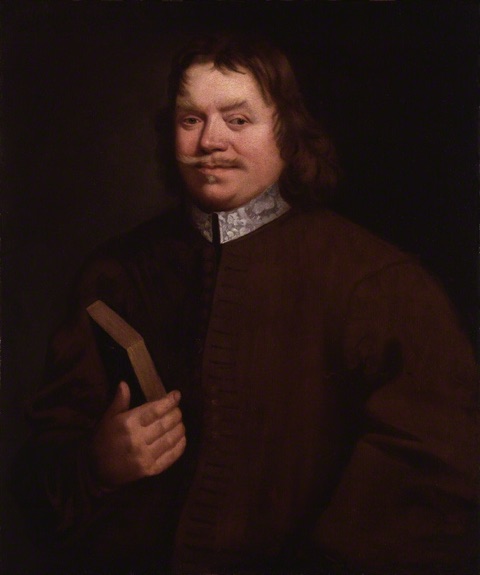
About the author
John Bunyan
John Bunyan, a tinker's son from Elstow near Bedford, spent twelve years in Bedford jail from 1660 for his preaching and afterward served as pastor of the Bedford congregation. He died in London in 1688 AD, and this treatise was first printed four years later, in 1692 AD.