Full text in modern English · Free PDF/EPUB
Christ a Complete Savior
Want the file? The PDF/EPUB is free with an account.
Summary
- Author
- John Bunyan (1628 to 1688 AD), English Puritan preacher
- Published
- 1692 AD, after Bunyan's death
- Source edition
- George Offor's The Works of John Bunyan, vol. 1 (1855)
- Type
- Treatise on a single verse
- Length
- 38,000 words · 3 hours
What is Christ a Complete Savior about?
Christ a Complete Savior is John Bunyan's treatise on Hebrews 7:25, printed in 1692 AD after his death. It explains Christ's intercession, his ongoing prayer in heaven for believers, and argues that the same Christ who justified them at the cross will keep them, however weak, until he brings them to God.
Read the full summary (9 points, key themes)Show less
How the argument unfolds
- 01
Part 1: what Christ prays for. Intercession is a third party pleading between two others. Christ pleads that the elect be brought home, forgiven after conversion, kept in faith, and brought safely to glory.
- 02
Part 1: past the cross. Because Christ intercedes, believers “should not stop at the cross for comfort.” Justification is found there, but they should follow him up to the throne.
- 03
Part 2: two kinds of saving. By his death he justifies; by his life he preserves. “As an heir of wrath he is redeemed by blood, and as an heir of God he is preserved by this intercession.”
- 04
Part 2: what intercession does not cover. Fatherly discipline remains. “Christ did not die to save from this punishment; Christ does not intercede to save from this punishment.”
- 05
Part 2: to the uttermost. The word reaches the farthest person and the worst case, and it measures our need rather than any limit in Christ.
- 06
Part 3: coming to God by him. Coming to Christ only for pardon is not enough. The awakened sinner must know himself, the world, the law, hell, death, Christ, God and the judgment to come.
- 07
Part 3: the backslider and the steady believer. The returning backslider gives a second testimony to everything he first believed. The sincere believer comes “as a son, as one of the household of God.”
- 08
Part 4: four grounds of certainty. Christ's intercession rests on a covenant, an oath, an endless life and the merit of his blood. His endless life lets him “be the last in his own cause, and so to have the casting vote.”
- 09
Application: study, use, pray. Study this hidden half of Christ's work, read the five books of Moses, put truth to use, and pray boldly. “Pray and read, and read and pray.”
Key themes
- Justified and still weak. Justification stands with imperfection. The justified are “still sinners in themselves,” which is exactly why they need a living intercessor.
- One cause, three parties. To attack a believer is to attack Christ and the Father who made him priest. “They are all wound up in one ball. Harm one, and you harm all.”
- God as the goal. Christ is the way and God is the end. Pardon and escape from hell are not enough to aim at: “What is heaven without God?”
Reader questions (7)Hide the questions
Questions about Christ a Complete Savior
Can I read Christ a Complete Savior online for free?
Yes. The complete text of this modern English edition is on this page, with no sign-up or paywall.
Is there a free PDF of Christ a Complete Savior?
Yes. The PDF and EPUB of this edition are free with an Updated Works account. Sign in with Google or an email link; no card is needed.
What does “to the uttermost” mean in Hebrews 7:25?
Bunyan reads it as reaching every extreme: “to the uttermost man, to the uttermost sin, to the uttermost temptation.” It measures the believer's need, not the limit of Christ's ability.
What is the intercession of Christ?
It is Christ's continuing prayer in heaven for his people. Bunyan calls it “a presenting to God of what he did in the world for us, and a pressing of its value for our salvation.”
If Christ's death paid for sin, why does he still need to intercede?
Because the justified still sin and are still attacked. The cross removes the curse; intercession keeps believers safe on the way to glory. “We are justified by his blood and death, and saved through him by his life.”
Does Christ's intercession keep believers from God's discipline?
No. Bunyan holds that God keeps the right to correct his children in this life: “God keeps a very strict house among his children.” Intercession saves from damnation, not from a father's correction.
Is there hope for a backslider who wants to return?
Yes. Bunyan gives the returning backslider a full section and calls him “a rare man, a man of worth and of firsthand knowledge,” whose return proves that God's covenant holds.
Christ a Complete Savior · Full text
The Text and What Christ’s Intercession Is
Wherefore he is able also to save them to the uttermost that come unto God by him, seeing he ever liveth to make intercession for them (Heb 7:25).
In this chapter the apostle sets two things before us: the greatness of the person of our Lord Jesus, and the greatness of his priesthood.
First, he shows us the greatness of his person by ranking him above Abraham, who is the father of us all. Yes, he ranks him above Melchizedek, who was greater than Abraham and blessed the man who had the promises.
Second, as to his priesthood, he shows its greatness in this: Christ was made a priest not by the law of a carnal commandment, but by the power of an endless life. He was made a priest not without an oath, but with one, by him who said, “The Lord sware, and will not repent, Thou art a priest for ever, after the order of Melchisedec” (Heb 7:21). Therefore “this man, because he continueth ever, hath an unchangeable priesthood” (Heb 7:24). Now my text is drawn from this conclusion, namely, that Christ remains a priest continually: “Wherefore he is able also to save them to the uttermost that come unto God by him, seeing he ever liveth to make intercession for them.”
In these words I take notice of four things. First, the intercession of Christ: he makes intercession. Second, the benefit of his intercession: “Wherefore he is able to save to the uttermost…” Third, the persons who have a share in this intercession of Christ are also set before us here, and they are those “that come unto God by him.” Fourth, we also have here the certainty that they will reap this benefit by him, in the words “seeing he ever liveth to make intercession for them”: “Wherefore he is able also to save them to the uttermost that come unto God by him, seeing he ever liveth to make intercession for them.”
First, then, we will begin with his intercession. I will show you, first, what it is; second, what he intercedes for; and third, what we may also infer from Christ’s making intercession for us.
What Intercession Is
First, then, I begin with the first point, which is to show you what intercession is. Intercession is prayer, but not all prayer is intercession. Intercession is the prayer made by a third person about the concerns that stand between two others. It may be made either to set them further at odds or to make them friends, for intercession may be made against a person or people as well as for them. “Wot ye not what the scripture saith of Elias? how he maketh intercession to God against Israel” (Rom 11:2).
But the intercession we are now to speak of is not of that kind. It is not an intercession against a people, but for them: “He ever liveth to make intercession for them.” The high priest is ordained to be for the people, not against them. “Every high priest taken from among men is ordained for men in things pertaining to God,” to make reconciliation for the sins of the people, or “that he may offer both gifts and sacrifices for sins” (Heb 5:1).
This, then, is intercession. And the intercession of Christ takes place between two parties, between God and man, for man’s good. It extends to these four things: first, to pray that the elect may all be brought home to him, that is, to God; second, to pray that the sins they commit after conversion may be forgiven them; third, to pray that the graces they receive at conversion may be maintained and supplied; fourth, to pray that their persons may be preserved for his heavenly kingdom.
What Christ Intercedes For
Second, this is the intercession of Christ, or what he makes intercession for.
1. He prays for all the elect, that they may be brought home to God, and so into the unity of the faith, and so on. This is clear, for he says, “Neither pray I for these alone,” that is, not only for those who are converted, “but for them also which shall believe on me through their word.” He prays for all who will believe, all who are appointed to believe, or, as you have it a little earlier, “for them which thou hast given me” (John 17:9, 20; Isa 53:12). And the reason is that he has paid a ransom for them. So when Christ makes intercession for the ungodly (and all the unconverted elect are ungodly), he is only asking, by way of petition, for his own: his purchased ones, those for whom he died beforehand so that they might be saved by his blood.
2. When any of them have been brought home to God, he still prays for them. He prays that the sins they may commit through weakness after their conversion may also be forgiven them.
This is shown to us by the intercession of the high priest under the law, who was to bear away the iniquities of the holy things of the children of Israel. Yes, it is shown also by his atonement for those who had sinned, for the Scripture says, “And the priest shall make an atonement for him, for his sin which he hath sinned, and it shall be forgiven him” (Lev 5:10).
This is also implied where our Lord himself makes intercession, saying, “I pray not that thou shouldest take them out of the world, but that thou shouldest keep them from the evil” (John 17:15). We must not suppose that Christ prayed that the converted would be kept from committing any sin of any kind. That would make his intercession invalid, at least in some things, and make him contradict himself; for he says, “I know that thou hearest me always” (John 11:42). Rather, the meaning is this: I pray that you would keep them from soul-damning delusions, the kind that would unavoidably damn the soul; and also that you would keep them from the soul-destroying evil of every sin and every temptation. And this he does by his prevailing grace and by his pardoning grace.
3. In his intercession he also prays that the graces we receive at conversion may be maintained and supplied. This is clear where he says, “Simon, Simon, behold, Satan hath desired to have you, that he may sift you as wheat; but I have prayed for thee, that thy faith fail not” (Luke 22:31-32).
“Yes,” someone may say, “he is said here to pray for the support and supply of faith. But does it follow that he prayed for the maintaining and supply of all our graces?” Yes, it does. In praying for the preservation of our faith, he prayed for the preservation of all our graces. For faith is the mother grace, the root grace, the grace that carries all the others within it and from which all the others flow. Yes, it is what gives being to all our other graces, and it is by faith that all the rest live. Let faith be preserved, then, and all the graces continue and live, that is, in keeping with the present state, health, and degree of that faith. So Christ prayed for the preservation of every grace when he prayed for the preservation of faith.
That text where he says, “Keep through thine own name those whom thou hast given me” (John 17:11), points the same way. That is: keep them in your fear, in the faith, in the true religion, in the way of life, by your grace, by your power, by your wisdom, and so on. This must be much of the meaning of this passage, and anyone who shuts out this sense will make poor work of any other explanation.
4. In his intercession he also prays that our persons may be preserved and brought safe to his heavenly kingdom. And he does this, first, by pleading his claim on them; second, by pleading that he has given them glory by promise; third, by pleading his own resolve to have it so; and fourth, by pleading the reason why it must be so.
(1) He prays that their persons may come to glory because they are his, and his by the best of titles: “Thine they were, and thou gavest them me” (John 17:6). Father, I will have them; Father, I will have them, for they are mine: “Thine they were, and thou gavest them me.” Whatever is mine, my wife, my child, my jewel, my joy, surely I may have it with me. This, then, is how he pleads or cries in his intercession that our persons may be preserved to glory: they are mine, “and thou gavest them me.”
(2) He also pleads that he has given them glory, given it already, that is, in the promise, and therefore they must not go without it. “And the glory which thou gavest me I have given them” (John 17:22). When righteous men give a good thing by promise, they intend to keep that promise. No, they do more than intend it; they purpose it, they are determined on it. As the mad prophet also says of God in another case, “Hath he said, and shall he not do it? or hath he spoken, and shall he not make it good?” (Num 23:19). Has Christ given us glory, and shall we not have it? Yes, has the truth itself bestowed it on us, and shall those to whom it is given, given even by the Scripture of truth, still be deprived of it?
(3) In his interceding he pleads his own resolve that they shall have glory: “Father, I will that they also, whom thou hast given me, be with me where I am” (John 17:24). Look at this: he is resolved to have it so. It must be so. It shall be so. I will have it so.
We read of Adonijah that his father never crossed him in anything. He never said to him, “Why hast thou done so?” (1 Kgs 1:6). It is true that he did deny him the kingdom, for his brother was heir to that from the Lord. How much more, then, will our Father let our Lord Jesus have his mind and will in this matter, since he is as willing to have it so as the Son himself is! “Fear not, little flock; for it is your Father’s good pleasure to give you the kingdom” (Luke 12:32).
Resolve will carry things a long way, especially a resolve to do what no one will oppose except those who cannot hinder it. Why, this is the case here. The resolve of our Intercessor is that we be preserved to glory. Yes, and he pleads this resolve in his intercession: “Father, I will that they also, whom thou hast given me, be with me where I am…” (John 17:24). Must it not, then, be so?
(4) Last of all, in this intercession of his, he presses a reason why he will have it so, namely, “That they may behold my glory, which thou hast given me; for thou lovedst me before the foundation of the world” (John 17:24). And this is a reason to the point. It is as if he had said:
“Father, these have continued with me in my temptations. These have seen me under all my disadvantages. These have seen me in my poor, low, despised condition. These have seen what scorn, reproach, slanders, and disgrace I have borne for your sake in the world. And now I will have them also be where they shall see me in my glory. I have told them that I am your Son, and they have believed it. I have told them that you love me, and they have believed it. I have also told them that you would take me back to glory, and they have believed it. But they have not seen my glory, and they cannot help being like the Queen of Sheba: they will believe only by halves unless their own eyes see it. Besides, Father, these are the ones who love me, and it will increase their joy if they may only see me in glory. It will be a heaven to their hearts to see their Savior in glory. Therefore it is my will that those whom ‘thou hast given me be with me where I am, that they may behold my glory.’”
This, then, is a reason why Christ Jesus our Lord intercedes to have his people with him in glory.
What Follows from Christ’s Intercession
Third, I come now to the third thing, which is to show you what we may infer from Christ’s making intercession for us.
1. We may infer from this that saints, even those who have received grace, often give God cause for offense. (I will say nothing here of those of the elect who are not yet called.) For intercession is made to keep one person in another’s favor, and to repair any breach that one may at any time make that turns away the other’s affections. And this is how he makes reconciliation for iniquity. For reconciliation may be made for iniquity in two ways: first, by paying a price; second, by insisting, by way of intercession, on the price paid for the offender.
That is why you read that just as the goat was to be killed, so its blood was to be brought by the priest within the veil, and there, by way of intercession, sprinkled before and on the mercy seat. “Then shall he kill the goat of the sin-offering, that is, for the people, and bring his blood within the veil, and do with that blood as he did with the blood of the bullock, and sprinkle it upon the mercy-seat, and before the mercy-seat; and he shall make an atonement for the holy place, because of the uncleanness of the children of Israel, and because of their transgressions in all their sins: and so shall he do for the tabernacle of the congregation that remaineth among them, in the midst of their uncleanness” (Lev 16:15-16). This was to be done, as you see, so that the tabernacle, which was the place of God’s presence and graces, might still remain among the children of Israel in spite of their uncleannesses and transgressions. And this is also the effect of Christ’s intercession: that the signs of God’s presence and of his grace may remain among his people, even though by their transgressions they have so often provoked God to depart from them.
2. From Christ’s intercession I gather that awakened men and women, as the godly are, dare not come in their own names to apply to God for mercy after they have given offense. God in himself is a consuming fire, and sin has made the best of us like stubble before the fire. So they may not, they cannot, they dare not approach God’s presence for help except by and through a mediator and intercessor. When Israel saw the fire, the blackness and darkness, and heard the thunder and the lightning and the terrible sound of the trumpet, “they said unto Moses, Speak thou with us, and we will hear: but let not God speak with us, lest we die” (Exod 20:19; Deut 18:16). Guilt, and a sense of the gulf between God and us, will make us look for a man who may lay his hand on us both and set us right in the eyes of our Father again. This, I say, I infer from the intercession of Christ. For if it had been possible for us to approach God with any success without it, what need would there have been for the intercession of Christ?
Absalom dared not come, no, not even into his father’s presence, by himself without a mediator and intercessor. So he sent to Joab, asking him to go to the king and make intercession for him (2 Sam 13; 2 Sam 14:32-33). And Joab, too, dared not go on that errand himself, but only through the mediation of another. Sin is a fearful thing. It will quash and quell a man’s courage and make him afraid to come into the presence of the one he has offended, even when the one offended is only a man. How much more, then, will it discourage a man, once he is loaded with guilt and shame, from trying to come into the presence of a holy and sin-avenging God, unless he can come to him through an intercessor and in that intercessor’s name! But here now is the help and comfort of the people of God: an intercessor stands prepared, and at work, to help them under all their weaknesses. “He ever liveth to make intercession.”
3. I also infer from this that if, out of ignorant boldness and presumption, we should try to approach the presence of God by ourselves after we have offended, God would not accept us. He told Eliphaz as much. What Eliphaz thought, or was about to do, I do not know; but God said to him, “My wrath is kindled against thee, and against thy two friends; for ye have not spoken of me the thing that is right, as my servant Job hath. Therefore take unto you now seven bullocks, and seven rams, and go to my servant Job, and offer up for yourselves” (that is, by him) “a burnt-offering, and my servant Job shall pray for you; for him will I accept; lest I deal with you after your folly, in that ye have not spoken of me the thing which is right, like my servant Job” (Job 42:7-8).
See here: an offense is a bar and an obstacle to being accepted by God, except through a mediator, except through an intercessor. The one who comes to God by himself, God will answer by himself, that is, without an intercessor. And I tell you, such people are not likely to get any pleasant or comfortable answer. God will answer the one who comes that way “according to the multitude of his idols” (Ezek 14:4). “And I will set my face against that man, and will make him a sign and a proverb, and I will cut him off from the midst of my people; and ye shall know that I am the Lord” (Ezek 14:7-8).
Whoever intercedes for another with a holy and just God needs to be clean himself. Otherwise the one he is so busy pleading with may say to him, “First clear yourself, and then come and speak for your friend.” That is why this is the very description and qualification of our High Priest and blessed Intercessor: “For such an high priest became us, who is holy, harmless, undefiled, separate from sinners, and made higher than the heavens; who needeth not daily, as those high priests, to offer up sacrifice, first for his own sins…” (Heb 7:26-27). If we had not had such an Intercessor, we would have been in a very poor case. But we have one who is fitting for us, one who suits us exactly, one against whom our God has nothing and can object nothing, one in whose mouth no guile could be found.
4. Since Christ is an Intercessor, I infer that he has what it takes ready at hand to answer any demands that may be put by the one we have offended, so that peace may be renewed and that grace released to us again which we have sinned away and yet still need. Often the offended party says to the intercessor, “Well, you come to me about this man. What claim he has on you is one thing; what offense he has committed against me is another.” (I am speaking now in human terms.) Now, what can an intercessor do if he cannot answer this question? But if he can answer it, that is, according to law and justice, there is no question that he may prevail with the offended party for the one he intercedes for.
Why, this is our case; at least this much of it is certain. We have offended a just and holy God, and Jesus Christ has become our Intercessor. He also knows full well that, for our part, even if it would save us from hell, we cannot produce toward a peace with God so much as two poor farthings, that is, anything at all that law and justice could count worth a halfpenny. Yet he makes intercession. It follows, therefore, that he has the means of his own to answer every reasonable demand, if that question is put to him. That is why it is said that he has gifts as well as sacrifice for sin: “Every high priest is ordained to offer gifts and sacrifices: wherefore it is of necessity that this man have somewhat also to offer” (Heb 8:3).
And notice that the apostle speaks here of Christ as being in heaven, ministering there in the second part of his office: “For if he were on earth, he should not be a priest” (Heb 8:4). So these gifts and this sacrifice he now offers in heaven by way of intercession. As Intercessor he urges and pleads the worth of his gifts to pacify the wrath our Father has conceived against us for the disobediences we are guilty of. “A gift in secret pacifieth anger; and a reward in the bosom strong wrath” (Prov 21:14).
What these gifts are, the Scripture testifies everywhere. He gave himself, he gave his life, he gave his all for us (John 6; Gal 1:4; 1 Tim 2:6; Matt 20:28). Just as he offered up these gifts for us on Mount Calvary at the demand of justice, so now that he is in heaven he presents them continually before God, as gifts and sacrifice of full value for the sins, all the sins, that we commit through weakness from the day of our conversion to the day of our death. And these gifts are so satisfying to God, and so prevail with him, that they always obtain a continual forgiveness of our sins. Yes, they prevail with him for more than the forgiveness of sins. Through what they obtain for us, our graces are often renewed, the devil often rebuked, the snare often broken, guilt often taken away from the conscience, and we receive many a blessed smile from God and many a look of love from his life-creating face (Eph 3:12).
5. Since Christ is an Intercessor, I infer that believers should not stop at the cross for comfort. Justification they should look for there; but once they are justified by his blood, they should go up after him to the throne. At the cross you will see him in his sorrows and humiliations, in his tears and blood. But follow him to where he is now, and then you will see him in his robes, his priestly robes, with his golden girdle about his chest. Then you will see him wearing the breastplate of judgment, with all your names written on his heart. Then you will see that the whole family in heaven and earth is named by him, and how he prevails for you with God, the Father of mercies. Stand still a while and listen. Yes, enter with boldness into the holiest, and see your Jesus as he now appears in the presence of God for you, and what work he makes against the devil and sin, and death and hell, for you (Heb 10:19). Ah, it is a splendid thing to follow Jesus Christ into the holiest! The veil is torn; you may see with open face, as in a glass, the glory of the Lord.
This, then, is our High Priest, this is his intercession, and these are its benefits! It is our part to make good use of it. And the wisdom to do that also comes from the mercy seat, or throne of grace, where he, our High Priest, ever lives to make intercession for us. To him be glory for ever and ever.
The Benefit of His Intercession: Saved to the Uttermost
And so I have spoken to the first thing, that is, to the intercession of Christ. Now I come more particularly to speak to the second, the benefits of his intercession: namely, that we are saved by it. Therefore he is able also to save them, since he makes intercession for them. “He is able to save them to the uttermost” (Heb 7:25).
In handling this head, I must show you, first, what the apostle means here by “save”: “Wherefore he is able to save.” Second, what he means here by saving to the “uttermost”: “He is able to save to the uttermost.” Third, we shall then do as we did in the foregoing part, that is, gather some inferences from the whole and speak to them.
First, what does the apostle mean here by “save”: “He is able to save them”?
To “save” may be taken two ways. In general, I know it may be taken many ways, for there are many salvations that we enjoy. Yes, there are some that we never knew of, and cannot know, until we come to that place where all secret things will be seen, and where what has been done in darkness will be proclaimed upon the housetops. But I say there are two ways that this word may be taken: 1. To save by way of justification. 2. Or to save by way of preservation. Now, Christ saves in both these ways. But which of these is intended in this place, or whether both of them are, I will tell you my thoughts shortly. Meanwhile, I will show you:
1. What it is to be saved in the first sense, namely, by way of justification, and also how that is brought to pass.
To be saved is to be delivered from the guilt of sin that comes by the law, as the law is the ministration of death and condemnation; or, it is to be set free from that guilt before God. This is to be saved. For the one who is not set free from it, whatever he may think of himself, or whatever others may think of him, is a condemned man. It does not say he shall be, but he is condemned already (John 3:18). The reason is that he has deserved the sentence of the ministration of condemnation, which is the law. Yes, that law has already arraigned, accused, and condemned him before God, because it has found him guilty of sin. Now for the one who is set free from this, or, as the phrase is, “being made free from sin” (Rom 6:22), that is, free from the imputation of guilt, there can be no condemnation, no condemnation to hell fire. The person made free in this way may properly be said to be saved.
Therefore, just as Scripture sometimes says we shall be saved, with respect to saving in the second sense, or the utmost completing of salvation, so sometimes it says we are saved (1 Cor 1:18; Eph 2:5), with respect to our being already secured from guilt, and so from condemnation to hell for sin, and so set safe and acquitted from the second death before God.
Now, saving in this sense comes to us by what Christ did for us in this world, by what Christ did for us in suffering for us. I say, it comes to us in this way; that is, it comes to us by grace through the redemption that is in Christ. And to be saved in this way is called justification, justification to life, because one saved in this way is, as I said, acquitted from guilt, and from that everlasting damnation to which, for sin, he had made himself liable by the law (1 Cor 15:1-4; Rom 5:8-10).
Hence we are said to be saved by his death, justified by his blood, and reconciled to God by the death of his Son. All this must refer to his offering of himself on the day he died, and not to his putting that death to use by way of intercession. For in the same place the apostle reserves a second, or an additional, salvation, and applies that to his intercession: “Much more then, being now,” or already, “justified by his blood, we shall be saved from wrath through him”; that is, through what he will further do for us. “For if, when we were enemies, we were reconciled to God by the death of his Son, much more, being reconciled,” that is, by his death, “we shall be saved by his life,” that is, by his intercession, which he ever lives to complete (Rom 5:9-10).
Look here: we are said to be justified and reconciled already, and therefore we shall be saved. We are justified by his blood and death, and saved through him by his life.
2. Now the saving intended in the text is saving in this second sense: that is, saving us by preserving us, by delivering us from all those hazards that we run between our state of justification and our state of glorification. Yes, it is such a saving of us as we who are justified need, to bring us into glory.
Therefore, when he says he is able to save, since he ever lives to make intercession, he adds saving to saving: saving by his life to saving by his death; saving by his putting his blood to use to saving by his spilling of his blood. He gave himself a ransom for us, and now puts that gift to use in the presence of God by way of intercession. For, as I have hinted already, the high priests under the law took the blood of the sacrifices that were offered for sin, brought it within the veil, and there sprinkled it before and upon the mercy seat; and by it they made intercession for the people, toward an additional way of saving them. Paul applies the sum of this to Christ when he says, “He can save, seeing he ever liveth to make intercession.”
That passage in Romans is also clear to this purpose: “Who is he that condemneth? It is Christ that died” (Rom 8:31-39). That is, who is the one who will lay anything to the charge of God’s elect so as to condemn them to hell, since Christ has taken away the curse from before God by his death? Then he adds that there is nothing that shall yet happen to us that will destroy us, since Christ also lives to make intercession for us: “Who shall condemn? It is Christ that died; yea, rather, that is risen again, who is even at the right hand of God, who also maketh intercession for us.”
Christ, then, by his death saves us as we are sinners, enemies, and in a state of condemnation by sin; and Christ by his life saves us as we are considered justified and reconciled to God by his blood. So, then, we have salvation from that condemnation that sin had brought us into, and salvation from those ruins that all the enemies of our souls would still bring us into, but cannot; for the intercession of Christ prevents it (Rom 6:7-10).
Christ has redeemed us from the curse of the law. Whatever the law can take hold of to curse us for, Christ has redeemed us from that by being made a curse for us. But this curse that Christ was made for us must be confined to his sufferings, not to his exaltation, and consequently not to his intercession. For Christ was made a curse only when he suffered, not in his intercession. So then, as he died, he took away the curse, and the sin that was its cause, by the sacrifice of himself (Gal 3:13); and by his life, his intercession, he saves us from all those things that try to bring us into that condemnation again.
The salvation, then, that we have by the intercession of Christ, as was said (I speak now of those who are capable of receiving comfort and relief from this doctrine), is salvation that follows upon, or comes after, justification. We who are saved as to justification of life still need to be saved with that which preserves us to glory. For though by the death of Christ we are saved from the curse of the law, yet attempts are made by many to keep us from the glory that justified persons are designed for; and from these we are saved by his intercession.
A man, then, who must be eternally saved is to be considered (a) as an heir of wrath, and (b) as an heir of God. He is an heir of wrath in himself, by sin (Eph 2:3); he is an heir of God by grace, through Christ (Gal 4:7). Now, as an heir of wrath he is redeemed, and as an heir of God he is preserved. As an heir of wrath he is redeemed by blood, and as an heir of God he is preserved by this intercession. Christ by his death, then, puts me into a justified state, I being reconciled to God by it, and God accepts me into grace and favor through him. But all this notwithstanding, it does not prevent there being those who would frustrate me of the end for which I am designed by this reconciliation to God, by redemption through grace. And from their accomplishing of this design I am saved by the blessed intercession of our Lord Jesus Christ.
Objection 1. Perhaps some may say, “We are not saved from all punishment of sin by the death of Christ; and if so, then neither are we saved from all danger of damnation by the intercession of Christ.”
Answer. We are saved from all punishment in hell fire by the death of Christ. Jesus has “delivered us from the wrath to come” (1 Thess 1:10). So as to this great punishment, God for his sake has forgiven us all trespasses (Col 2:13). But since we have been translated from being slaves of Satan to being sons of God, God still reserves this liberty in his hand: to chastise us if we offend, as a father chastises his son (Deut 8:5). But this chastisement is not in legal wrath, but in fatherly affection. It is not to destroy us, but so that we might still be made to gain advantage by it, and even be made partakers of his holiness (Heb 12:5-11). That is, so that we might “not be condemned with the world” (1 Cor 11:32).
As to the second part of the objection: as we say, many things happen between the cup and the lip. Many things try to overthrow the work of God, and to make us perish through our weakness, notwithstanding the price that Christ has paid for us. But what does the Scripture say? “Who shall separate us from the love of Christ? shall tribulation, or distress, or persecution, or famine, or nakedness, or peril, or sword? As it is written, For thy sake we are killed all the day long; we are accounted as sheep for the slaughter. Nay, in all these things we are more than conquerors through him that loved us. For I am persuaded, that neither death, nor life, nor angels, nor principalities, nor powers, nor things present, nor things to come, nor height, nor depth, nor any other creature, shall be able to separate us from the love of God, which is in Christ Jesus our Lord” (Rom 8:35-39).
Thus the apostle counts up all the disadvantages that a justified person is liable to in this life, and by way of challenge declares that not any one of them, nor all of them together, shall be able to separate us from the love of God that is toward us by Christ, his death, and his intercession.
Objection 2. It may be further objected that the apostle here leaves out sin, to which we know the saints are subject after justification. And sin by itself (we need no other enemies) is of such a nature as to destroy the whole world.
Answer. Sin is sin, in the nature of sin, wherever it is found. But sin, as to its damning effects, is taken away from those to whom righteousness is imputed for justification. Nor shall any or all of the things mentioned above drown us, through sin, in perdition and destruction, though there is a tendency in every one of them to drive us into sin. “I am persuaded,” says Paul; they shall never be able to do that. The apostle, therefore, implicitly though not expressly challenges sin, yes, sin with all its advantages; and then he glories in the love of God in Christ Jesus, from which he concludes it shall never separate the justified. Besides, it would have been needless for him to put in sin expressly by itself here, seeing that earlier he had argued that those he speaks of were freely justified from it.
One word more before I go to the second head. The Father, as I told you, has reserved to himself a liberty to chastise his sons, that is, with temporal chastisements, if they offend. This still remains for us, notwithstanding God’s grace, Christ’s death, or his blessed intercession. And this punishment is so surely bound to the transgressions that we who believe shall commit, that it is impossible for us to be utterly freed from it. So much so, that the apostle positively concludes that those who are not, for sin, partakers of fatherly chastisements are bastards, whatever claims to sonship they may make.
It is for the reversing of this punishment that we should pray, if perhaps God will remit it, when we are taught to say, “Our Father, forgive us our trespasses.” And whoever admits any other sense of this petition detracts from the death of Christ, or from faith, or from both. For either he concludes that Christ did not die for some of his sins, or that he is bound to believe that God, though Christ did die for them, has not yet forgiven them, nor will, until the petitioner has done some legal work: forgive us, as we forgive them that trespass against us (Matt 6:14-15). But now apply this to temporal punishments, and then it is true that God has reserved a liberty in his hand to punish even the sins of his people upon them. Yes, and he will not pardon their sin, as to the remitting of such punishment, unless they do some good work: “If ye forgive not men their trespasses, neither will your Father forgive your trespasses” (Matt 6:15; Matt 18:28-35).
And this is the reason why some who belong to God are still so much under his afflicting hand: they have sinned, and God, who is their Father, punishes. Yes, and this is the reason why some who are dear to God never have this kind of punishment forgiven. It stays with them to the end of their lives, goes with them to the day of their death, and is even the very cause of their death. By this punishment they are cut off out of the land of the living. But all this is so that they might “not be condemned with the world” (1 Cor 11:32).
Christ did not die to save from this punishment; Christ does not intercede to save from this punishment. Nothing but a good life will save from this punishment; and not always that, either.
The hidings of God’s face, the harshness of his providences, and the severe and sharp chastisements that often overtake the very spirits of his people plainly show that Christ did not die to save from temporal punishments, and does not pray to save from temporal punishments; that is, absolutely. God has reserved a power to punish the best and dearest of his people with temporal punishments, if need be. And sometimes he remits them, sometimes not, just as it pleases him. I come now to the second thing.
Second, I shall now show you something of what it is for Christ, by his intercession, to save to the “uttermost.” “He is able to save them to the uttermost.”
This is a great expression, and it carries much with it. “Uttermost” means to the outside, to the end, to the last, to the furthest part. And it has respect both to persons and to things (Gen 49:26; Deut 30:4; Matt 5:26; Mark 13:27; Luke 15).
1. To persons. Some persons are, in their own apprehension, even further from Christ than anybody else: far off, a great way off, yet still coming, as the prodigal was. Now, these are often exceedingly afraid; the sight of the distance they think there is between Christ and them makes them afraid. As it is said in another case, “They that dwell in the uttermost parts are afraid at thy tokens” (Ps 65:8). So these are afraid they will not succeed, will not obtain what they come to God for. But the text says he is able to save to the uttermost, to the very hindmost, those who come to God by him.
Two sorts of people seem to be far, very far, from God: (1) the town sinner, and (2) the great backslider (Neh 1:9). But if both of these come, he is able to save them to the uttermost. He is able to save them from all those dangers that they fear will prevent their obtaining the grace and mercy they would have to help them in time of need. The publicans and harlots enter into the kingdom of heaven.
2. As this text has respect to persons, so it has respect to things. There are some things that attend some who are coming to God by Christ, which make their coming hard and very difficult.
(1) There is a more than ordinary breaking up of the corruptions of their nature. It seems as if all their lusts and vile passions of the flesh were become masters, and could now do whatever they please with the soul. Yes, they take this man and toss and tumble him like a ball in a large place. This man is not master of himself, of his thoughts, or of his passions: “His iniquities, like the wind, do carry him away” (Isa 64:6). He thinks to go forward, but this wind blows him backward. He labors against this wind, but cannot find that he gains any ground. He takes whatever advantage opportunity gives him, but all he gets by it is to be beaten out of heart, out of breath, out of courage. He stands still, and pants, and gapes as if for life. “I opened my mouth, and panted,” said David, “for I longed for thy commandments” (Ps 119:131). He sets out again, but has nothing but labor and sorrow.
(2) Yes, and to help his calamity along, Satan and his angels will not be lacking, both to trouble his head with the fumes of their stinking breath and to trip up his heels in their dirty places: “And as he was yet a-coming, the devil threw him down and tare him” (Luke 9:42). How many strange, hideous, and amazing blasphemies against Christ have been injected and fixed upon the spirits of those who are coming to him, or some of them at least! Nothing is so common with such people as to have some hellish wish or other against the God they are coming to, and against Christ, by whom they would come to him. These blasphemies are like those frogs I have heard of, that will leap up, and catch hold, and hang on by their claws. Now help, Lord! Now, Lord Jesus, what shall I do? Now, Son of David, have mercy on me! I tell you, just to say these words is hard work for such a person. But he is able to save to the uttermost this one who comes to God by him.
(3) There are also the oppositions of sense and reason, hard at work for the devil against the soul; the men of his own house have risen up against him. One would think that our own sense and reason should not side with the devil against ourselves. And yet nothing is more common, nothing more natural, than for our own sense and reason to turn unnatural and make war against both our God and us. And now it is hard coming to God. A man can better hear and deal with any objections made against him than with those he makes against himself. They lie close, stick fast, speak aloud, and will be heard. Yes, they will haunt and hunt him, as the devil does some, in every hole and corner. But come, man, come; for he is able to save to the uttermost!
(4) Now guilt is the consequence and fruit of all this; and what burden is so unbearable as guilt! People talk of the weight of stones and of the sand of the sea, but it is guilt that breaks the heart with its burden. And Satan has the art of making the uttermost of every sin. He can blow it up, make it swell, make every hair of its head as big as a cedar. He knows how to make it a heinous offense, an unpardonable offense, an offense of such long continuance, and committed against so much light, that, he says, it is impossible it should ever be forgiven. But, soul, Christ is able to save to the uttermost; he can “do exceeding abundantly above all that we ask or think” (Eph 3:20).
(5) Add to all this the rage and terror of men, which by itself is enough to quash and break to pieces all desire to come to God by Christ. Yes, and it does just that to thousands who are not willing to go to hell. Yet you are kept, and made to go panting on; a whole world of men, and devils, and sin cannot keep you from coming. But how does it come about that you are so stouthearted, that you set your face against so much wind and weather? I dare say it does not arise from yourself, or from any of your enemies. This comes from God, though you are not aware of it, and it is obtained for you by the intercession of the blessed Son of God, who is also able to save you to the uttermost, you who come to God by him.
(6) And to conclude this point, I will add that much of the honor of the Lord Jesus is at stake in saving the coming man to the uttermost. “I am glorified in them,” he says (John 17:10). He is exalted to be a Savior (Acts 5:31). And if the blessed One counts it an exaltation to be a Savior, surely it is an exaltation to be a Savior, and a great one. “They shall cry unto the Lord because of the oppressors, and he shall send them a Savior, and a great one, and he shall deliver them” (Isa 19:20). If it is a glory to be a Savior, a great Savior, then it is a glory for a Savior, a great one, to save, and save, and save to the uttermost: to the uttermost man, to the uttermost sin, to the uttermost temptation. And this is why he says again, speaking of the transgressions, sins, and iniquities that he would pardon, that it should turn to him for “a name of joy, a praise, and an honor before all nations” (Jer 33:9). He therefore counts it an honor to be a great Savior, to save men to the uttermost.
When Moses said, “I beseech thee, show me thy glory,” the answer was, “I will make all my goodness pass before thee, and I will proclaim the name of the Lord before thee” (Exod 33:18-19). And when he came indeed to make the proclamation, he proclaimed, “The LORD, The LORD God, merciful and gracious, long-suffering, and abundant in goodness and truth, keeping mercy for thousands, forgiving iniquity and transgression and sin, and that will by no means clear the guilty” (Exod 34:6-7). It is as if he said, “I will by no means clear those who will not come to me that they may be saved.”
See here whether he does not himself count it his glory to make his goodness, all his goodness, pass before us. And how can that be, if he does not save to the uttermost those who come to God by him? For we see goodness in no other way than by the acts by which it shows itself to be goodness. And I am sure that to save, to save to the uttermost, is one of the most eminent expressions by which we understand that it is great goodness. I know goodness has many ways to show the world what it is; but it shows its greatness when it pardons and saves, when it pardons and saves to the uttermost. My goodness, says Christ, does not extend to my Father, but to my saints (Ps 16:2-3). My Father has no need of my goodness, but my saints do, and therefore it will reach out to help them, in whom is all my delight. And, “Oh how great is thy goodness, which thou hast laid up for them that fear thee; which thou hast wrought for them that trust in thee before the sons of men!” (Ps 31:19). It is therefore this that tends to win Christ a name, a fame, and glory: to be able to save to the uttermost those who come to God by him.
But someone may say, “What is the meaning of this word able? ‘Wherefore he is able to save.’ He is able to save to the uttermost. How is it that his power to save is put in, rather than his willingness? For willingness,” says the soul, “would have pleased me better.” I will say two or three words to this question.
First, this word able suggests to us the sufficiency of his merit, the great worthiness of his merit. For as Intercessor he holds fast to his merit; all his petitions, prayers, and supplications are grounded on the worthiness of his person as Mediator and on the validity of his offering as Priest. This is all the clearer if you consider the reason why those priests and sacrifices under the law could not make the worshipers perfect. It was, I say, because they lacked worthiness, and their sacrifices lacked merit. But this man, when he came and offered his sacrifice, by that one act did “perfect for ever them that are sanctified,” or set apart for glory. “But this man, after he had offered one sacrifice for sins, for ever sat down on the right hand of God” (Heb 10:1-14).
When Moses prayed for the people of Israel, this is what he said: “And now, I beseech thee, let the power of my Lord be great, according as thou hast spoken.” But what had he spoken? “The LORD is long-suffering, and of great mercy, forgiving iniquity and transgression, and by no means clearing the guilty … Pardon, I beseech thee, the iniquity of this people according unto the greatness of thy mercy, and as thou hast forgiven this people, from Egypt even until now” (Num 14:17-19).
Second, only let him have power, and we know he is willing, or else he would not have promised; it is also his glory to pardon and save. So then, in his ability lies our safety. Suppose he were ever so willing: if he did not have sufficient ability, what would his willingness do? But he has shown his willingness, as I said, by promising: “Him that cometh to me I will in no wise cast out” (John 6:37). So now our comfort lies in his power, in that he is able to make good his word (Rom 4:20-21).
And this too will be seen when he has saved those who come to God by him, when he has saved them to the uttermost: not to the uttermost of his ability, but to the uttermost of our necessity. For I believe he will never be put to it to save his church to the uttermost of his ability. That is not because he is unwilling so to save, but because there is no need to save that way. He will not need to put out all his power and press the utmost of his merit for the saving of his church. Alas! There is enough merit in him to save a thousand times as many more as are likely to be saved by him; “he is able to do exceeding abundantly above all that we ask or think.”
So do not measure what he can do by what he has done, does, or will do. And do not interpret this word, to the uttermost, as if it referred to the uttermost of his ability, but rather as it refers (for so it does indeed) to the greatness of your necessity. For as he is able to save you though your condition is, as it may be supposed to be, the worst that any man who was saved was ever in, so he is able to save you though your condition were ten times worse than it is.
What! Shall the worthiness of the Son of God not be sufficient to save from the sin of man? Or shall the sin of the world be of such weight to destroy that it will put Christ Jesus to the uttermost of the worth of his person and merit to save from it? I believe it is blasphemy to think so. We can easily imagine that he can save all the world, that is, that he has the ability to do it. But we cannot imagine that he can do no more than we can think he can. But our imagination and thoughts set no bound to his ability. “He is able to do exceeding abundantly above all that we ask or think.” But what that is, I say, no man can think, no man can imagine. So then, Jesus Christ can do more than any man ever thought he could do as to saving; he can do more than we know. This, therefore, should encourage comers to come to him, and those who come, to hope. This, I say, should encourage them to let out, to lengthen, and to heighten their thoughts by the word to the uttermost, seeing he can “save to the uttermost them that come to God by him.”
Third, and now I come to the third thing that I told you I would speak to, and that is, those inferences that may be gathered from these words.
1. Do those who are justified by Christ’s blood still need to be saved by his intercession? Then it follows from this that justification will stand with imperfection. It does not follow, therefore, that a justified man is without infirmity. For he who is without infirmity, that is, perfect with absolute perfection, has no need still to be saved by an act yet to be performed by a mediator and his mediation.
When I say that justification will stand with imperfection, I do not mean that it allows, countenances, or approves of imperfection. I mean that our perfection, our personal perfection, is not necessary to our justification, and that we are justified without it; yes, and that imperfection remains in justified persons. Again, when I say that justification will stand with imperfection, I do not mean that we are imperfect in our justification; for in that we are complete. “We are complete in him” (Col 2:10), who is our righteousness. If it were otherwise, the imperfection would be in the matter that justifies us, which is the righteousness of Christ. Yes, and to say so would amount to concluding that wrong judgment proceeds from him who imputes that righteousness to us for justification, since an imperfect thing would then be imputed to us for justification. But far be it from anyone who believes that God is true to imagine such a thing. All his works are perfect; there is nothing lacking in them as to their present design.
Question. But what, then, do we mean when we say that justification will stand with a state of imperfection?
Answer. Why, I mean that justified men are still sinners in themselves, still full of imperfections, yes, sinful imperfections. Justified Paul said, “I know that in me, that is, in my flesh, dwelleth no good thing” (Rom 7:18). While we are still sinners, we are justified by the blood of Christ (Rom 5:8-9). Hence, again, it is said, “he justifieth the ungodly” (Rom 4:5). Justification, then, only covers our sin from the sight of God; it does not make us perfect with inherent perfection. But God, for the sake of that righteousness which by his grace is imputed to us, declares us quit and discharged from the curse, and no longer sees sin in us to our condemnation.
And this is the reason, or one reason, why those who are justified need an intercessor: namely, to save us from the evil of the sin that remains in our flesh after we are justified by grace through Christ and set free from the law as to condemnation. Therefore, as it is said that we are saved, so it is said, “He is able also to save them to the uttermost that come unto God by him, seeing he ever liveth to make intercession for them.” The godly (for now we will call them the godly, though there is still abundance of sin in them) feel in themselves many things, even after justification, by which they are convinced that they are still attended with personal, sinful imperfections.
(1) They feel unbelief, fear, mistrust, doubting, despondency, murmuring, blasphemies, pride, frivolity, foolishness, avarice, fleshly lusts, heartlessness toward what is good, wicked desires, low thoughts of Christ, too good thoughts of sin, and, at times, too great an itching after the worst of immoralities.
(2) They feel in themselves a tendency to lean toward errors: to lean on the works of the law for justification; to question the truth of the resurrection and the judgment to come; to dissemble and play the hypocrite in their profession and in the performance of duties; to do religious duties to please man rather than God, who tries the heart.
(3) They feel an inclination in themselves, in times of trial, to faint under the cross, to seek too much to save themselves, to disguise the truth they know in order to gain a little favor with men, and to say things they ought not to say, so that they may sleep in a whole skin.
(4) They feel weariness in religious duties, but a natural bent toward the things of the flesh. They feel a desire to go beyond bounds at table and in bed, in bodily exercise, and in all lawful recreation.
(5) They feel in themselves a readiness to take advantage of using lawful things, such as food, clothing, sleep, talk, estates, relatives, beauty, wit, talents, and graces, for unlawful ends. These things, with many more of the same kind, the justified man finds and feels in himself, to his humbling and often to his casting down; and to save him from the destroying evil of these things, Christ ever lives to make intercession for him.
Again, the justified man is imperfect in his graces, and therefore needs to be saved by the intercession of Christ from the bad fruit that this imperfection yields.
Justifying righteousness is accompanied by graces, the graces of the Spirit. These graces are not the matter by and through which we are justified, nor any part of it; that is only the obedience of Christ, imputed to us of mere pleasure and goodwill. But, I say, they come when justification comes (Rom 9). And though they are not so easily discerned at first, they show themselves afterward. But I say, however many they are, and however fast they grow, the furthest they arrive at here is still a state short of perfection. None of the graces of God’s Spirit in our hearts can do their work in us without coming short, and that because of their own imperfections and also because of the opposition they meet with from our flesh.
(1) Faith is the root grace, the grand grace. Yet its shortness is plain enough from how short it falls in grasping the things that pertain to the person, offices, relations, and works of Christ, who is now in the heavenly place for us. It is also very defective in fetching comfort from the Word to us, and in keeping that comfort with us when at any time we attain to it. And in receiving strength to subdue sin, and in purifying the heart, though it does in reality do what it does, yet how short does it fall of doing it thoroughly? Often, were it not for supplies by virtue of the intercession of Christ, faith would fail to perform its office in any measure (Luke 22:31-32).
(2) There is hope, another grace of the Spirit bestowed on us; and how often is that also made to flag, as to the excellence of its working? “I shall perish,” says David; “I am cut off from before thine eyes,” he says (Ps 31:22). And where was his hope then, as the gospel rightly shows it? Also, all our fear of men, and fears of death, and fears of judgment arise from the imperfections of hope. But from all those faults Christ saves us by his intercessions.
(3) There is love, which should be in us as hot as fire. It is compared to fire, fire of the hottest sort; yes, it is said to be hotter than the coals of juniper (Song 8:6-7). But who finds this heat in love for so much as one poor quarter of an hour together? Some little flashes, perhaps, some may feel at some times; but where is that constant burning of affection that the Word, the love of God, and the love of Christ call for? Yes, and that the needs of the poor and afflicted members of Christ call for too? Ah! Love is cold in these frozen days, and short even when it is at its highest.
(4) The grace of humility: when is it to be found? Who has a thimbleful of it? Where is the one who is “clothed with humility” (1 Pet 5:5), and who does what he is commanded “with all humility of mind” (Acts 20:19)?
(5) As for zeal, where is that too? I mean zeal for God against sin, profaneness, superstition, and idolatry. I speak now to the godly, who have this zeal in the root and habit; but oh, how little of it puts itself forth into action in such a day as this!
(6) There is reverence, fear, and standing in awe of God’s Word and judgments. Where are their excellent workings to be found? And where they are strongest, how far short of perfect acts do they fall?
(7) Simplicity and godly sincerity too: with how much dirt is it mixed even in the best, especially among those saints who are rich and have picked up the poor and beggarly art of complimenting? For the more compliment, the less sincerity. Many words will not fill a bushel. But “in the multitude of words there wanteth not sin” (Prov 10:19). Plain men come up thin in these days; to find a mouth without fraud and deceit is now a rare thing.
So one might count up all the graces of the Spirit and show where every one of them is scanty and lacking perfection. Now look: whatever they lack of perfection is supplied with sin and vanity, for there is a fullness of sin and flesh at hand to fill up all the vacant places in our souls. There is no place in the souls of the godly that is not filled up with darkness when the light is lacking, and with sin so far as grace is lacking. Satan also waits diligently to come in at the door, if Careless has left it a little ajar.
But oh, the grace of our Lord Jesus Christ, who ever lives to make intercession for us, and by doing so saves us from all the imperfect acts and workings of our graces, and from all the advantages that flesh, and sin, and Satan gain over us by them!
Further, as Christ Jesus our Lord saves us by his intercession from the harm that would unavoidably come upon us by these things, so also by it we are saved from the evil that is at any time found in any or all of our holy duties and performances, which it is our duty to be found in daily. That our duties are imperfect follows from what was discussed before; for if our graces are imperfect, how can our duties be anything but imperfect too?
(1) Our prayers, how imperfect they are! With how much unbelief they are mixed! How apt our tongue is to run ahead of our hearts in prayer! With how much earnestness our lips move, while our hearts lie within as cold as a clod! Yes, and oftentimes, it is to be feared, we ask with our mouth for what we do not care whether we have or not. Where is the man who pursues with all his might what just now he seemed to ask for with all his heart? Prayer has become a shell, a piece of formality, a very empty thing, as to the spirit and life of prayer in our day. I speak now of the prayers of the godly. I once met a poor woman who, in the greatest of her distresses, told me that she used to rise in the night, in cold weather, and pray to God, while she sweated with fears of losing her prayer and with desires that her soul might be saved. I have heard of many who have played, but of few who have prayed, till they have sweated, by reason of their wrestling with God for mercy in that duty.
(2) There is the duty of almsgiving, another gospel performance; but how poorly it is done in our days! We have so many foolish ways to lay out money, on toys and fools’ baubles for our children, that we can spare none, or very little, for the relief of the poor. Also, do not many give that to their dogs, yes, or let it lie in their houses until it stinks so vilely that neither dog nor cat will eat it, when, had it been given away well in time, it might have been a relief and nourishment to some poor member of Christ?
(3) There is the hearing of the Word; but, alas, the place of hearing is the place of sleeping for many a fine professing Christian. I have often observed that those who keep shops can briskly wait on a twopenny customer; but when they come to God’s market themselves, they spend their time too much in letting their thoughts wander from God’s commandments, or in a slovenly, drowsy way. The heads and hearts of most hearers, too, are to the Word as a sieve is to water: they can hold no sermons, remember no texts, bring home no proofs, and produce none of the sermon for the edification and profit of others. And do not even the best settle too much for hearing, and mind too little what God, by the Word, calls for at their hands, that they may perform it with a good conscience?
(4) There is faithfulness in our callings, faithfulness to the brethren, faithfulness to the world, faithfulness to children, to servants, to all, according to our place and capacity. Oh, how little of it is found in the mouths and lives of professing Christians, to say nothing of their hearts!
I will go no further in this kind of recital. Only give me leave to say this much over again: even many of the truly godly are very faulty here. But what would they do if there were not one always at the right hand of God, by intercession, taking away these kinds of iniquities?
2. Do those who are justified by the blood of Christ still need, after that, to be saved by Christ’s intercession as well? Then we may infer from this that, as sin will not, so Satan will not give up assaulting the best of the saints.
It is not justification that can secure us from being assaulted by Satan: “Simon, Simon, Satan has desired to have you” (Luke 22:31-32). There are two things that encourage the devil to set upon the people of God.
(1) He does not know who are elect, for not all who profess are. Therefore, if he can get them into his sieve, he will make trial whether he can cause them to perish. And he has had great success this way. Many a brave professing Christian has he overcome. He has cast some of the stars from heaven to earth. He picked one out from among the apostles, and one, as it is thought, from among the seven deacons, and many from among Christ’s disciples. But how many, do you think, does he utterly destroy with his net nowadays?
(2) If it so happens that he cannot destroy, because Christ prevails by his intercession, yet he will set upon the church to defile and afflict it. For (a) if he can only get us to fall, as Peter did, then he has gained this much: God is dishonored, the weak are made to stumble, the world is offended, and the gospel is vilified and reproached. Or (b) if he cannot trip up our heels, yet by buffeting us he can grieve us, afflict us, put us to pain, frighten us, drive us into many doubts, make our life very uncomfortable to us, and make us go groaning to our Father’s house. But blessed be God for his Christ, and that “he ever liveth to make intercession for us.”
3. Do those who are justified by the blood of Christ still need, after that, to be saved by Christ’s intercession? Then I infer from this that it is dangerous to go about anything in our own name and strength. If we want help from the intercession of Christ, let us take care that whatever we do, we do according to the word of Christ. Do what he bids us, as well as we can, and as he bids us, and then we need not doubt that we will have help and salvation in those duties by the intercession of Christ. “Do all,” says the apostle, “in the name of the Lord Jesus” (Col 3:17).
“Oh, but,” you say, “then the devil and the world will be the most offended of all!” Well, well; but if you do nothing except as in his fear, by his Word, and in his name, you may be sure of whatever help his intercession can give you. And that can give you much help, not only to begin your work but to go through with it in some good measure, as you should. By that also you will be secured from those dangers, if not from temptations to dangers, that those who go out about business in their own names and strength are sure to meet with.
4. Do those who are justified by the blood of Christ still need, after that, to be saved by Christ’s intercession? Then I infer from this again that God has a great dislike of the sins of his own people, and would fall upon them in judgment and anger much more severely than he does, were it not for Christ’s intercession. The gospel is not, as some think, a loose and licentious doctrine, nor is God’s discipline of his church a negligent and careless discipline. For though those who believe already have an intercessor as well, yet God, to show his detestation of sin, often makes them feel the weight of his fingers in earnest. The sincere, who would gladly walk often with God, have felt what I say, and that, very often, to the breaking of their bones. The loose ones, and those whom God does not love, may be utter strangers to this; but those who are truly his own know it is otherwise. “You only have I known” above all others, says God, “therefore I will punish you for all your iniquities” (Amos 3:2).
God keeps a very strict house among his children. David found it so, Heman found it so, Job found it so, and the church of God found it so. And I do not know that his mind is any less against sin because we have an Intercessor. True, our Intercessor saves us from damning evils, from damning judgments; but he neither does nor will secure us from temporal punishment, or from spiritual punishment, unless we watch, deny ourselves, and walk in his fear. I wish to God that those who are otherwise minded would only feel, for three or four months, something of what I have felt for several years together for base, sinful thoughts! I wish it, I say, if it might be for their good, and for the better ordering of their understandings.
But whether they obtain my wish or not, I am sure of this: God gives no countenance to sin, no, not in his own people; indeed, he will bear it least of all in them. And as for others, however long he may have patience with them for a while, to see whether his goodness may lead them to repentance, yet the day is coming when he will pay the carnal and the hypocrites back in full with devouring fire for their offenses.
But if our holy God will not let us go altogether unpunished, even though we have so able and blessed an Intercessor, one who always has so valuable a price as his own blood to present to God on our behalf, now before the throne of grace, what would we have done if there had been no umpire between us, no one to plead for us or to make intercession on our behalf? Read this text: “For I am with thee, saith the LORD, to save thee; though I make a full end of all nations whither I have scattered thee, yet will I not make a full end of thee; but I will correct thee in measure, and will not leave thee altogether unpunished” (Jer 30:11). If it is so, I say, what would have become of us if we had had no Intercessor? And what will become of those of whom the Lord has already said, “I will not take up their names into my lips” (Ps 16:4), and “I pray not for the world” (John 17:9)?
5. Do those who are already justified by the blood of Christ still need to be saved by his intercession? Then I infer from this that Christ is not only the beginner but the completer of our salvation; or, as the Holy Spirit calls him, “the author and finisher of our faith” (Heb 12:2); or, as he calls him again, “the author of eternal salvation” (Heb 5:9). He is the author of salvation throughout, from the beginning to the end, from first to last. His hands have laid its foundation in his own blood, and his hands shall finish it by his intercession (Zech 4:9). As he has laid the beginning firmly, so he shall bring forth the capstones with shouting (Zech 4:7), and at the last we shall cry, “Grace, grace!” Salvation belongs to the Lord alone (Ps 3:8; Isa 43:11).
Many there are who begin with grace and end with works, and think that is the only way. Works will indeed save from temporal punishments, when their imperfections are purged from them by the intercession of Christ. But to be saved and brought to glory, to be carried through this dangerous world from my first moving after Christ until I set my foot within the gates of paradise: this is the work of my Mediator, my High Priest and Intercessor. It is he who fetches us back when we have run away (Ezek 34:16); it is he who lifts us up when the devil and sin have thrown us down (Ps 145:14); it is he who revives us when we grow cold; it is he who comforts us when we despair; it is he who obtains fresh pardon when we have contracted sin; and it is he who purges our consciences when they are loaded with guilt.
I know also that rewards wait in heaven for those who believe in Christ and do well on earth; but this is not a reward of merit but of grace. We are saved by Christ and brought to glory by Christ, and all our works are made acceptable to God in no other way than by the person, and the personal excellencies and works, of Christ. Therefore, whatever the jewels, the bracelets, and the pearls may be that you will be adorned with as a reward for service done to God in the world, you must thank Christ for them, and before all else confess that he was their meritorious cause (1 Pet 2:5; Heb 13:15). He saves us, and saves our services too (Rev 5:9-14). They would all be thrown back like dung in our faces, were they not rinsed and washed in the blood (Rev 7:12-14), were they not sweetened and perfumed in the incense, and conveyed to God himself through the white hand of Jesus Christ. For that is his golden censer, and from there ascends the smoke that is of so sweet a savor in the nostrils of God (Rev 8:3-4).
6. Do those who are already justified by the blood of Christ still stand in need of being saved by his intercession? Then I infer from this again that we who have been saved until now, and preserved from the dangers we have met with since our first conversion to this moment, should ascribe the glory to Jesus Christ, to God by Jesus Christ. “I have prayed that thy faith fail not” (Luke 22:32); “I pray that thou wouldest keep them from the evil” (John 17:15): this is the true cause of our standing, and of our continuing in the faith and holy profession of the gospel to this very day. Therefore we must give the glory of all to God by Christ. “I will not trust in my bow,” said David, “neither shall my sword save me. But thou hast saved us from our enemies, and hast put them to shame that hated us. In God we boast all the day long, and praise thy name for ever. Selah!” (Ps 44:6-8). “He always causeth us to triumph in Christ” (2 Cor 2:14). “We rejoice in Christ Jesus, and have no confidence in the flesh” (Phil 3:3).
So you see that in both the Old and New Testaments all the glory is given to the Lord, as much for preservation to heaven as for justification of life. And whoever is well acquainted with himself will do this readily, though light heads, and those who are not acquainted with the desperate evil that is in their natures, will sacrifice to their own net. But such people will sacrifice so for only a little while. Sir Death is coming, and he will bring into their view what they do not see now, and will feed sweetly upon them, because they did not make the Lord their trust. And therefore ascribe the glory for the preservation of your soul in the faith until now to that salvation which Christ Jesus our Lord obtains for you by his intercession.
7. Do those who are already justified by the blood of Christ still stand in need of being saved by his intercession? Then this also is to be inferred from it, that saints should look to him for the saving they will still need between now and the day of their dissolution; yes, from now on, even to the day of judgment. I say, they should still look to him for the remaining part of their salvation, or for that part of their salvation which is still outstanding. And let them look for it with confidence, because it is in a faithful hand. And to encourage you to look and hope for the completing of your salvation in glory, let me present you with a few things.
(1) The hardest or worst part of your Savior’s work is over: his bloody work, his bearing of your sin and curse, his loss of the light of his Father’s face for a time, his dying upon the cursed tree. That was the worst, the sorest, the hardest, and the most difficult part of the work of redemption; and yet he did this willingly, cheerfully, and without your asking. Yes, he did this while regarding those for whom he did it as in a state of rebellion and enmity against him.
(2) Consider also that he has made a beginning with your soul to reconcile you to God. To that end he has bestowed his justice upon you, put his Spirit within you, and begun to make that unwieldy mountain and rock, your heart, turn toward him and desire after him, believe in him and rejoice in him.
(3) Consider also that you have already received some comforting pledges of his love: such as feeling the sweetness of his love, seeing the light of his countenance, and being made to know his power in raising you up when you were down, and how he has made you stand while hell has been pushing at you to overthrow you utterly.
(4) You may consider also that what remains of the work of your salvation in his hands, as it is the easiest part, so it is the most comfortable, and the part that will more immediately issue in his glory; and therefore he will attend to it.
(5) What remains is also safer in his hand than if it were in your own. He is wise, he is powerful, he is faithful, and therefore he will manage well the part that is lacking to our salvation, until he has completed it. It is his love for you that has made him such that “he putteth no trust in thee” (Job 4:18; Job 15:15). He knows that he himself can bring you to his kingdom most surely, and therefore he has not left that work to you, no, not any part of it.
Live in hope, then, in a living hope, that since Christ is risen from the dead, he lives to make intercession for you, and that you will reap the blessed benefit of this twofold salvation that has been wrought, and is being worked out, for you by Jesus Christ our Lord. And so we have treated the benefit of his intercession, in that he is able to save to the uttermost. And this leads me to the third particular.
Who Benefit: Those Who Come to God by Him
The third particular is to show who the people are who have a share in this intercession of Christ; and they are those who come to God by him. The words are very concise and distinctly laid down: they are those who come, who come to God, who come to God by him. “Wherefore he is able also to save them, to save to the uttermost them that come to God by him, seeing he ever liveth to make intercession for them” (Heb 7:25).
First, a little comment on the order of the words, “that come unto God by him.”
There are some who come to God, but not “by him”; and these are not included in this text. They have no share in this privilege. This is how the Jews came to God, the unbelieving Jews, “who had a zeal of God, but not according to knowledge” (Rom 9:30-34; Rom 10:1-4). These did not submit to Christ, the righteousness of God, but thought to come to him by works of their own, or at least, as it were, by them. And so they came short of salvation by grace, for grace reigns to salvation only in Christ. To these, Christ’s person and undertakings were a stumbling stone; for they stumbled at him and split themselves to pieces, though they were indeed people who came to God for life.
As there are some who come to God but not by Christ, so there are some who come to Christ, but not to God by him. Of this sort are those who, hearing that Christ is a Savior, therefore come to him for pardon, but cannot bear to come to God by him, because he is holy, and so will curb their lusts and change their hearts and natures. Mark what I say. There are a great many who would be saved by Christ, but do not love to be sanctified by God through him. These make a stop at Christ and will go no further. If they might have pardon, they do not care whether they ever go to heaven or not.
It is of this kind of coming to Christ, I think, that he warns his disciples when he says, “In that day ye shall ask me nothing. Verily, verily, I say unto you, Whatsoever ye shall ask the Father in my name, he will give it you” (John 16:23). It is as if he said, “When you ask for anything, do not make a stop at me, but come to my Father by me. For those who come to me, and not to my Father through me, will have nothing of what they come for.” Righteousness shall be imputed to us “if we believe on him that raised up Jesus our Lord from the dead” (Rom 4:24-25). To come to Christ for a benefit, and stop there, and not come to God by him, achieves nothing.
This is where the mother of Zebedee’s children went wrong, and this is what the Lord Jesus cautioned her about. Lord, she says, “Grant that these my two sons may sit, the one on thy right hand, and the other on the left, in thy kingdom.” But what is Christ’s answer? “To sit on my right hand and on my left, is not mine to give, but for whom it is prepared of my Father” (Matt 20:21-23). It is as if he said, “Woman, I do nothing of myself; my Father works with me. Go to him, then, by me, for I am the way to him. Whatever you can obtain from him by me, you shall have”: that is, whatever belongs to eternal life, whether pardon or glory.
It is true that the Son has power to give pardon and glory, but he does not give them by himself; he gives them by and according to the will of his Father (Matt 9:6; John 17:22). Those, therefore, who come to him for an eternal good, and do not look to the Father by him, come short of it. I mean, now, pardon and glory. And so, though it is said that “the Son of man hath power on earth to forgive sins” (namely, to show the certainty of his Godhead and the excellence of his mediation), yet forgiveness of sin is said to lie more particularly in the hand of the Father, and it is God who for Christ’s sake forgives us (Eph 4:32).
The Father, as we see, will not forgive unless we come to him by the Son. Why, then, should we imagine that the Son will forgive those who do not come to the Father by him?
So then, justifying righteousness is in the Son, and with him also is intercession; but forgiveness is with the Father. Yes, the gift of the Holy Spirit, and even the power of imputing the righteousness of Christ, is still in the hand of the Father. That is why Christ prays to the Father to forgive (Luke 23:34), prays to the Father to send the Spirit (John 14:16), and it is God who imputes righteousness to us for justification (Rom 4:6). The Father, then, does nothing except for the sake of and through the Son; and the Son likewise does nothing that takes away from the glory of the Father. But it would take away from the glory of the Father if the Son should agree to save those who do not come to the Father by him. So you who cry, “Christ, Christ,” delighting yourselves in thoughts of forgiveness, but do not care to come by Christ to the Father for it, have no part at all in this blessed text. For by his intercession he saves only those who come to God by him.
There are three sorts of people who may be said to come to Christ, but not to God by him.
1. Those whose utmost aim in coming is only to have guilt and the fear of damnation removed from them. And there are three signs of such a person. (1) He settles down in a belief of pardon, and so goes on in his fleshly course as he did before. (2) His comfort in the belief of pardon stands alone, without any other fruits of the Holy Spirit. (3) Having been washed, he can be content to wallow in the mire again like the sow, or to go back like the dog that vomited and lick up his vomit again.
2. Those may be said to come to Christ, but not to God by him, who pick and choose among doctrines, itching only after what sounds of grace, but secretly loathing whatever presses toward moral goodness. These have never seen God (Matt 5:8), whatever notions they may have of the Lord Jesus, and of forgiveness from him.
3. They have surely never come to God by Christ, however they may boast of the grace of Christ, who will plead the freeness of gospel grace as an excuse to indulge in sin.
And now to say a few words about coming to God, or coming as the text intends. In speaking to this, I must touch on two things: first, concerning God; second, concerning the frame of heart of the one who comes to him.
1. Of God. God is the chief good: good as nothing is good but himself. He is in himself most happy; yes, all good. All true happiness is to be found only in God, as something essential to his nature; nor is there any good or any happiness in or with any creature or thing except what God has communicated to it. God is the only desirable good; nothing without him is worthy of our hearts. Right thoughts of God are able to ravish the heart; how much happier, then, is the man who has a share in God! God alone is able by himself to put the soul into a more blessed, comfortable and happy condition than the whole world can; yes, and more than if all the created happiness of all the angels of heaven dwelt in one man’s bosom. God is the upholder of all creatures, and whatever they have that is a good suited to their kind, it is from God. By God all things have their being, and all the good they enjoy. I cannot tell what to say; I am drowned! The life, the glory, the blessedness, the soul-satisfying goodness that is in God is beyond all expression.
2. Now there must be in us something of a spirit suited to this God before we can be willing to come to him.
Until God has been with a man, therefore, and has left some impression of his glory on him, that man cannot be willing to come to him rightly. That is why it is said of Abraham that, in order to bring him to come to God and follow him rightly, the Lord himself showed himself to him: “Men, brethren, and fathers, hearken; The God of glory appeared unto our father Abraham, when he was in Mesopotamia, before he dwelt in Charran, and said unto him, Get thee out of thy country, and from thy kindred, and come into the land which I shall show thee” (Acts 7:2-3; Gen 12:1).
It was this God of glory, the sight and visions of this God of glory, that stirred Abraham to leave his country and kindred to come after God. The reason men are so careless of, and so indifferent about, their coming to God is that their eyes are blinded: they do not perceive his glory. God is so blessed a one that if he did not hide himself and his glory, the whole world would be ravished with him. But he has (I will not say reasons of state, but) reasons of glory, glorious reasons, why he hides himself from the world and appears only to particular persons.
Now by his appearing to Abraham like this, down went Abraham’s vanity, and his idolatrous fancies and affections, and his heart began to turn to God; for in this appearance there was an alluring and soul-instructing voice. So what Moses here calls an appearing, Christ calls a hearing, a teaching and a learning: “It is written in the prophets, And they shall be all taught of God. Every man, therefore, that hath heard and hath learned of the Father, cometh unto me,” that is, to God by me. But, I say, what must they hear and learn of the Father except that Christ is the way to glory, the way to the God of glory? This is a drawing doctrine. So what in this verse is called teaching and learning is called, in the verse before, the drawing of the Father: “No man can come to me except the Father which hath sent me draw him”; that is, with powerful proposals, alluring conclusions and heart-subduing influences (John 6:44-45).
Having touched on this, we will now go on to show you what kind of people they are who come to God by Christ, and then draw some inferences from this as well.
There are, therefore, three sorts of people who come to God by Christ. First, men newly awakened. Second, men turned from backsliding. Third, the sincere and upright man.
First, men newly awakened. By awakened, I mean thoroughly awakened: so awakened as to be made to see themselves, what they are; the world, what it is; the law, what it is; hell, what it is; death, what it is; Christ, what he is; and God, what he is; and also what judgment is. A man who will come to God by Christ rightly must, before he comes, have a competent knowledge of things of this kind.
1. He must know himself, what a wretched and miserable sinner he is, before he will take one step forward toward coming to God by Christ. This is plain from a great many scriptures: from the parable of the prodigal (Luke 15), from the three thousand (Acts 2), from the jailer (Acts 16), and from many more besides. The whole have no need of the physician. It was not the sound and whole, but the lame and diseased, who came to him to be cured of their infirmities; and it is not the righteous, but sinners who know well that they are sinners, who come to God by Christ.
It is not in the power of all the men on earth to make one man come to God by Christ, because it is not in their power to make men see their state by nature. And why should a man come to God if he can live in the world without him (Job 21:7-15)? Reason says so, experience says so, and the Scripture bears witness that it truly is so. It is a sight of what I am that must drive me off my roost, that must shake my soul and make me leave my present rest. No one comes to God by Christ except the one who knows himself, and what sin has done to him. That is the first thing.
2. As he must know himself, and what a wretch he is, so he must know the world, and what an empty thing it is. Cain did see himself, but did not see the emptiness of this world; and therefore, instead of going to God by Christ, he went to the world, and settled down there to his dying day (Gen 4:16). The world is a great snare to the soul, even to the souls of awakened sinners, because of its big looks and the fair promises it makes to those who will be pleased to entertain it. It will also pretend that it can do as much to quiet the spirit as any sermon, Bible or preacher. Yes, and it has its followers ready at its heels continually to blow its applause abroad, saying, “Who will show us any (other) good?” (Ps 4:6). And though “this their way is their folly: yet their posterity approve their sayings” (Ps 49:13).
So unless a man under some awakenings sees the emptiness of the world, he will settle down in its good things, and not come to God by Christ. There are many now in hell who can set their seal to this as true. It was the world that took awakened Cain, awakened Judas, awakened Demas. Yes, Balaam, though he had some kind of visions of God, was still kept by the world from coming to him rightly. See how earnestly the young man in the gospel came to Jesus Christ, and that for eternal life. He ran to him, he knelt down to him, and asked, and that before a crowd, “Good master, what shall I do that I may inherit eternal life?” (Mark 10:17-24). And yet when he was told he could not come, the world soon stepped between that life and him, and persuaded him to settle down in itself; and so, as far as we know, he never looked after life again.
There are four things in the world that tend to lull an awakened man to sleep, if God does not also make him afraid of the world.
(1) There is the bustle and busyness of the world, which will call a man away from looking after the salvation of his soul. This is shown in the parable of the thorny ground (Luke 8:14). Worldly busyness is a devilish thing. It will hurry a man out of his bed without prayer, and to a sermon and away from it again without prayer. It will choke prayer, it will choke the Word, it will choke convictions, it will choke the soul, and make his awakening come to no saving purpose.
(2) There is the friendship of this world. Unless a man is dead to it, there is no coming to God by Christ for him. And a man can never be dead to it unless he sees its emptiness and vanity. Whoever makes himself a friend of this world is the enemy of God (Jas 4:4). How, then, can he come to him by Christ?
(3) There are the terrors of the world. If a man stands in fear of them, he too will not come to God by Christ. The fear of man brings a snare. How many in every age have been kept from coming to God rightly by the terrors of the world? Yes, how many are there who, as one would think, had almost reached the gates of heaven, and have been scared and driven right back again by nothing but the terrors of this world? This is what Christ so cautions his disciples about, for he knew it was a deadly thing (Luke 12:4-6). Peter also tells the saints to beware of this as something very destructive (1 Pet 3:14-15).
(4) There is also the glory of the world, an absolute hindrance to convictions and awakenings: that is, honors and greatness and promotions. “How can ye believe,” said Christ, “which receive honour one of another, and seek not the honour that cometh from God only?” (John 5:44). So if a man’s affections are not crucified to these things, they will keep him from coming to God rightly.
3. As a man must know himself, how vile he is, and know the world, how empty it is, so he must know the law, how severe it is; otherwise he will not come to God by Jesus Christ our Lord.
A man who is under awakenings is in double danger of falling short of coming to God by Christ. If he does not know the severity of the law, he is in danger either of slighting its penalty or of seeking to make amends to it by doing good works. And nothing can keep him from wrecking his soul on one of these two rocks but a sound knowledge of the severity of the law.
(1) He is in danger of slighting the penalty. This is seen in the practice of all the profane in the world. Do they not know the law? Truly, many of them can say the Ten Commandments by heart. But they do not know the severity of the law; and therefore, whenever awakenings come upon their consciences, they try to drive away the guilt of one sin by wallowing in the filth of another.
But would they do this if they knew the severity of the law? They would as soon eat fire. The severity of the law would be an intolerable, unbearable burden to their consciences. It would drive them, and make them fly for refuge, to lay hold on the hope set before them.
(2) Or, if he does not slight the penalty, he will seek to make amends to the law by doing good works for the sins he has committed. This is evident in the practice of the Jews and the Turks, and of all who swerve to that side: that is, who seek life and happiness by the law. Paul too was here before he met Jesus on the road. This is natural to awakened consciences, unless they are also given to see the true severity of the law. So that you may see it, if my mite will help, I will cast in these four things for your conviction.
(a) The law charges you with its curse, as well for the pollution of your nature as for the defilements of your life. Yes, even if you had never committed a single sinful act, the pollution of your nature must stand in your way to life if you do not come to God by Christ for mercy.
(b) The law takes notice of sinful thoughts as well as vile and sinful actions, and charges you with its curse for them. “The (very) thought of foolishness is sin” (Prov 24:9), even though it never breaks out into action, and it will as surely merit the damnation of the soul as the greatest transgression in the world.
(c) If you could now keep all the commandments, that would do you no good at all, because you have sinned first: “The soul that sinneth shall die” (Ezek 18:4). Unless, then, you can endure the curse, and so overcome it on the law’s own terms for the sins you have committed, you are gone, if you do not come to God by Christ for mercy and pardon.
(d) And never think of using repentance to stop the mouth of the law. For the law does not call for repentance, but for life; nor will it accept any repentance, even if you mourned and wept for your sins until you had made a sea of blood with tears. This, I say, you must know, or you will not come to God by Christ for life. For knowing this will make you neither slight the severity of the law nor trust its works for life. Now, when you do neither of these, you cannot help but hurry to God by Christ for life. For now you have nothing left to lean on: your pleasures are gone, and all hope in yourself is gone. Now you die, and that is the way to live. For this inward death is, or feels like, a hunger-bitten stomach that cannot help but crave and gape for food and drink. It will be as possible for you to sleep with your finger in the fire as to stop craving mercy, so long as this knowledge remains.
4. As a man must know himself, the emptiness of this world, and the law, so it is necessary for him to know that there is a hell, and how unbearable its torments are. For all threats, curses, and decrees to punish in the next world will prove to be nothing but fictions and scarecrows if there is no woeful place, no woeful state, where the sinner is to receive his wages for sin when his days in this world are ended. Therefore this word “saved” presupposes such a place and state. He is able to save from hell, from the woeful place, from the woeful state of hell, those who come to God by him.
Christ, therefore, often hints at the truth of hell in his invitations to the sinners of this world to come to him, as when he tells them they will be saved if they do and damned if they do not. It is as if he had said, “There is a hell, a terrible hell. Those who come to me I will save from it; but those who do not come, the law will damn them in it.” Therefore, so that you may indeed come to God by Christ for mercy, believe that there is a hell, a woeful, terrible place. Hell is God’s creature: “he hath made it deep and large!” Its punishments come by the lashes of his wrath, which will issue from his mouth like a stream of burning brimstone, ever kindling itself upon the soul (Isa 30:33). You must know this by the Word and flee from it, or you will know it by your sins and lie and cry in it.
I might enlarge on this, but if I did, I would be swallowed up. For while we are here, we are no more able to set forth the torments of hell than we are able, while here, to set forth the joys of heaven. Only this may and ought to be said: God is able to save, and he is just as able to cast into hell (Luke 12:5). And as he is able to make heaven sweet, good, delightful, and glorious beyond thought (Isa 64:4), so he is able to make the torments of hell so exquisite, so hot, so sharp, so intolerable, that no tongue can utter it, no, not even the damned in hell themselves.
If you love your soul, do not slight the knowledge of hell. For this, together with the law, makes up the spurs that Christ uses to prick souls forward to himself. Why is it that sinners can play so delightfully with sin? It is because they forget that there is a hell for them to go down into for doing so when they leave this world. For this is usually what puts a stop to a sinful course: we perceive that hell has opened her mouth before us. So that you do not forget, I beg you from now on to keep the knowledge of hell in your understanding, and to apply its burning-hot thoughts to your conscience. This is one way to make you pick up your heels and quicken your pace in coming to Jesus Christ, and to God the Father by him.
5. It is also necessary that whoever comes to God by the Lord Jesus should know what death is, and how uncertain its approaches upon us are. Death is, as I may call it, the feller, the cutter-down. Death is what puts a stop to any further living here, and what lays a man down where judgment will find him. If he is in the faith of Jesus, it lays him down there to sleep till the Lord comes (Heb 11:13; 1 Thess 4:14); if he is not in the faith, it lays him down in his sins till the Lord comes (Job 20:11).
Again, if you have some beginnings that look like good ones, and death overtakes you before those beginnings are ripe, your fruit will wither, and you will fall short of being gathered into God’s barn. Some men are “cut off as the tops of the ears of corn” (Job 24:20-24), and some are nipped by death in the very bud of their spring. But safety lies in this: that a man is ripe, and is gathered to his grave like a shock of grain brought to the barn in its season (Job 5:26).
Now if death should surprise and seize you before you are fit to die, all is lost. For there is no repentance in the grave; or rather, as the wise man has it, “Whatsoever thy hand findeth to do, do it with thy might; for there is no work, nor device, nor knowledge, nor wisdom, in the grave, whither thou goest” (Eccl 9:10).
Death is God’s sergeant, God’s bailiff. He arrests in God’s name when he comes, but he seldom gives warning before he claps us on the shoulder. And when he arrests us, though he may wait a little while and let us pant and tumble and toss ourselves for a time on a bed of languishing, at last he will prick our bladder and let out our life. Then our soul will be poured out on the ground, yes, into hell, if we are not ready and prepared for everlasting life.
Whoever does not watch for death, and is not afraid that death may get to him first, will not make haste to God by Christ. What Job said of temporal afflictions, death will be to you if you are not on your guard: “When I looked for good, then evil came … The days of affliction prevented me” (Job 30:26-27). If you are looking, or beginning to look, for good, and the day of death cuts you off before you have found the good you are looking for, all is lost: soul and life and heaven and all.
Therefore it is fitting that you conclude that the grave is your house, and that you make your bed in the grave once a day; and also that you say to corruption, “Thou art my father; to the worm, thou art my mother and my sister” (Job 17:13-14). I say, become well acquainted with the grave and with death. The fool puts the evil day far away, but the wise man brings it near. Better to be ready to die seven years before death comes than to lack one day, one hour, one moment, one tear, one sorrowful sigh at the remembrance of the ill-spent life I have lived. This, then, is what I urge on you: that you know death, what it is and what it does when it comes. And also that you consider well the danger death leaves a man in when it comes to him before he is ready and prepared to be laid in the grave by it.
6. Your awakenings must also bring you to see what Christ is. This is absolutely necessary. For how can a man be willing, or how will he be willing, to come to Christ if he does not know what Christ is and what God has appointed him to do? Everyone will say that he is the Savior. But to sense, smell, and taste what saving is, and so to understand the nature of the office and work of a Savior, is a rare thing, kept hidden from most and known only by some. Jesus of Nazareth is the Savior, or the reconciler of men to God in the body of his flesh through death (Col 1:19-21). This is he whose business in coming from heaven to earth was to save his people from their sins.
Now, as I said, how he does this is what needs to be looked into. For some say he does it one way, and some say he does it another. And we must remember that we are now speaking of the salvation of the man who, from new or first awakenings, is coming to God by Christ for life. (1) Some say he does it by giving us precepts and laws to keep, so that we might be justified by them. (2) Some say he does it by setting himself up as a pattern for us to follow. (3) Some, again, hold that he does it by our following the light within.
But you must beware of all these, for he justifies us by none of these means, and you need to be justified. I say, he justifies us neither by giving us laws, nor by becoming our example, nor by our following him in any sense, but by his blood shed for us. His blood is not laws, nor ordinances, nor commandments, but a price, a redeeming price (Rom 5:7-9; Rev 1:5). He justifies us by bestowing on us, not by expecting from us; he justifies us by his grace, not by our works (Eph 1:7). In a word, you must be well grounded in the knowledge of what Christ is, and of how men are justified by him, or you will not come to God by him.
As you must know him, and how men are justified by him, so you must know how ready he is to receive those who come to God by him, and to do for them what they need. Suppose his merits were ever so effective: yet if it could be proved that he was loath to have those merits bestowed on those who come, very few would venture to wait on him. But as he is full, so he is free. Nothing pleases him better than to give away what he has, to bestow it on the poor and needy. And it will be fitting for you, a coming soul, to know this for your comfort, to encourage you to come to God by him.
Take two or three of his sayings to confirm what has now been said. “Come unto me, all ye that labour and are heavy laden, and I will give you rest” (Matt 11:28). “All that the Father giveth me shall come to me; and him that cometh to me I will in no wise cast out” (John 6:37). “I came not to call the righteous, but sinners to repentance” (Mark 2:17). “This is a faithful saying, and worthy of all acceptation, that Christ Jesus came into the world to save sinners; of whom I am chief” (1 Tim 1:15).
7. A man who would come to God by Christ must, before he comes, know himself, what he is; the world, how empty it is; the law, how severe it is; death, and what it is; and Christ, and what he is. In the same way, he must also know God. “He that cometh to God must believe that he is, and that he is a rewarder of them that diligently seek him” (Heb 11:6). God must be known; otherwise how can the sinner set him before himself as his end, his ultimate end? For this is what everyone does who truly comes to Christ aright: he comes to Christ because Christ is the way; he comes to God because God is the end.
But, I say, if he does not know him, how can he set him before himself as the end? The end is that for the sake of which I set anything before myself, and for the sake of which I use any means. Now, then, I want to be saved; but why? Because I want to enjoy God. I use the means to be saved; and why? Because I want to enjoy God. I am aware that sin has made me come short of the glory of God (Rom 3:23), and that Christ Jesus is he, the only one, who can put me in a condition to obtain the glory of God; and therefore I come to God by him (Rom 5:1-2).
But I say again, who will set God before himself as his end if he does not know him, does not know him rightly? Yes, who will do it if he does not know him to be worth setting before himself as his end in coming to Jesus Christ? And whoever knows him in this way must know him to be above all, best of all, and the one in whom the soul will find that contentment, that bliss, that glory and happiness which can by no means be found anywhere else. And, I say, if the soul does not find this in God, it will never set him before itself as the only, highest, and ultimate end in its coming to Jesus Christ. Instead it will set something else before itself, whatever it imagines to be the best good: perhaps heaven, perhaps relief from guilt, perhaps being kept out of hell, or the like.
I do not deny that a man may set all these before himself in coming to Jesus Christ. But if he sets these up as his ultimate end, as the chief good that he seeks; if the presence and enjoyment of God, of God’s glorious majesty, is not his chief aim, he has no share in the salvation set forth in our text: “He is able,” and so will “save to the uttermost them that come unto God by him” (Heb 7:25).
What is heaven without God? What is ease without the peace and enjoyment of God? What is deliverance from hell without the enjoyment of God? So to set these, and only these, before yourself as your happiness in coming to Jesus Christ is an aim not a hair’s breadth higher than what a man without grace can aim at. What man is there, who is there, that would not go to heaven? What man is there, who is there, that would not also have relief from the guilt of sin? And where is the man who chooses to go to hell?
But there are many who cannot stand God; no, they do not like the thought of going to heaven, because God is there. If the devil had a heaven to bestow on men, a vicious and beastly heaven (if it is lawful to speak this way), I would dare to stake my soul on it, were it a thousand times better than it is, that on a bare invitation the foul fiend would have twenty to God’s one. They cannot stand God, I say. No, though the devil has nothing but a hell for them, yet how thickly men flock to him, and how thinly to God Almighty! The nature of God runs crosswise to the lusts of men. A holy God, a glorious holy God, an infinitely holy God: this spoils everything. But to the soul that is awakened and made to see things as they are, God is what he is in himself: the blessed, the highest, the only eternal good, and the one without the enjoyment of whom all things would sound but empty in that soul’s ears.
Now, then, I advise you who have a mind to come to God by Christ to seek the knowledge of God: “If thou seekest wisdom as silver, and searchest for her as for hid treasures, then shalt thou understand the fear of the Lord, and find the knowledge of God” (Prov 2:4-5). And to encourage you further still, he so desires communion with men that he pardons sins for that very purpose. That is why he is called not only loving, but love: “God is love; and he that dwelleth in love dwelleth in God, and God in him” (1 John 4:16).
When I consider what glory there sometimes is upon the creatures, and that all their glory is the workmanship of God, I find myself saying, “O Lord, what is God himself?” He may well be called the God of glory, as well as the glorious Lord. For as all glory comes from him, so in him is an inconceivable wellspring of glory, glory to be communicated to those who come to him by Christ. Therefore let the glory and love and bliss and eternal happiness that are in God allure you to come to him by Christ.
8. As you should, indeed must, have a good knowledge of all these things, so you must have it of the judgment to come. Those who come to God by Christ are said to “flee from the wrath to come” (Matt 3:7), to “flee for refuge, to lay hold on the hope set before them” (Heb 6:18).
This judgment to come is a warm thing to think about, an awakening thing to think about. It is called the eternal judgment, because it is and will be God’s final conclusion with men. This day is called the “great and notable day of the Lord” (Acts 2:20); the day “that shall burn like an oven” (Mal 4:1); the day in which the angels will gather the wicked together like tares into bundles to burn them, but the rest into his kingdom and glory. This will be the day on which all the tender mercies of love and compassion will be shut up against the wicked, and on which the floodgates of wrath will be opened, by which a plentiful reward will be given to evildoers, but glory to the righteous (Ps 31:23). This is the day on which men, if they could, would creep into the ground for fear. But because they cannot, they will call and cry to the mountains to fall on them; but the mountains will not, and so they stand bound to bear their judgment.
This day will be the day when closet councils and cabinet councils, secret purposes and hidden thoughts are all broken open. Yes, “God shall bring every work into judgment, with every secret thing” (Eccl 12:14). I say he will do it then, for he will both “bring to light the hidden things of darkness, and will make manifest the counsels of the heart” (1 Cor 4:5). This is the day appointed to put to shame and contempt (Dan 12:2) those who in this world have been bold and audacious in their vile and beastly ways. On that day God will cover all such bold and brazen faces with shame. Then they will blush till the blood is ready to burst through their cheeks.
Oh, the confusion and shame that will cover their faces while God is showing them what a filthy, what a beastly, what an unseemly, and what an unreasonable life they lived in the world! Then they will see that they despised God, who fed them, who clothed them, who gave them life and limb, and who kept the breath in their nostrils. But oh, when they see the gulf before them, and everything ready to receive them into it, then, then they will know what sinning against God means!
And, I say, you who are for coming to God by Christ must know this, and be well assured of it, or you will never come to God by him.
The glory of God that will be put on those who indeed come to him will also help you in this spiritual journey, if you consider it well. But perhaps terror and unbelief will let you consider only a little of that. However, the things mentioned before will be goads, and will serve to prick you forward (Eccl 12:10-11); and if they do so, they will be God’s great blessing to you, and something for which you will give him your thanks forever.
Thus I have said, in a few words, something about the first sort of those who come to God by Christ, namely, the coming of the newly awakened man. And I say again, if any of the things named above is lacking and is not in his heart, it is a question whether, for all the noise he may make about religion, he will ever come to God by Christ. (1) If he does not know himself and how bad his condition is, why should he come? (2) If he does not know the world, and its emptiness and vanity, why should he come? (3) If he does not know the law and its severity, why should he come? (4) If he does not know hell and its torments, why should he come? (5) If he does not know what death is, why should he come? (6) And if he does not know the Father and the Son, how can he come? (7) And to know that there is a judgment to come is as necessary to his coming as most of the other things set forth.
Coming to God by Christ is for shelter, for safety, for advantage, and for everlasting happiness. But the one who does not know, who does not understand, the things mentioned above does not see his need of taking shelter, of fleeing for safety, of coming to God by Christ for advantage. I know there are degrees of this knowledge. In all likelihood, the one who has it most warm upon him will make the most haste; or, as David says, will hasten his escape “from the windy storm and tempest” (Ps 55:8). And the one who sees least is in the most danger of being the loiterer, and so of losing the prize. For not all who run obtain it; not all who fight win it; and not all who strive for it have it (1 Cor 9:24-26; 2 Tim 2:4-5).
Second, I will now come to the second man mentioned, namely, the man who is turning back from his backsliding, and say something also about his coming again to God by Christ.
There are two remarkable things in the return of a backslider to God by Christ. The first is that he gives a second testimony to the truth of all the things spoken of before. The second is that he also gives a second testimony to the necessity of coming to God by Christ. Perhaps I may also say a word or two about the manner of his coming to God by Christ. But first:
1. The backslider’s return gives a second testimony to the truth that man’s state by nature is miserable, and to the vanity of this world, the severity of the law, the certainty of death, and the terribleness of the judgment to come. His first coming told people so, but his second coming tells them so with a double confirmation of the truth. “It is so,” says his first coming. “Oh, it is so!” says his second.
The backsliding of a Christian comes about through Satan and lust persuading him overmuch that he was mistaken: that there was no such horror in the things he fled from, nor so much good in the things he hurried toward. “Turn back, fool,” says the devil, “turn back to your former course. I wonder what frenzy it was that sent you running, and made you leave so much good behind you, the good that other men find in the lusts of the flesh and the good things of the world. As for the law, and death, and the notion of a day of judgment, they are nothing but scarecrows, set up by crafty minds to keep the ignorant in subjection.”
“Well,” says the backslider, “I will go back again and see.” So, fool that he is, he goes back, and finds everything ready to entertain him. His conscience sleeps, the world smiles, the flesh is sweet, worldly company flatters him, and everything that can be had is offered to this backslider to accommodate him. But behold, he begins again to see his own nakedness, and he perceives that the law is sharpening its axe. As for the world, he sees that it is a bubble. He also smells the smell of brimstone, for God has scattered it upon his dwelling (Job 18:15), and it begins to burn within him. “Oh,” he says, “I am deluded! Oh, I am ensnared! My first sight of things was true. I see it is so again.” Now he begins to be for fleeing again to his first refuge. “O God,” he says, “I am undone! I have turned from your truth to lies! I believed them to be lies at first, and I find them to be lies at last. Have mercy on me, O God!”
This, I say, is a testimony, a second testimony, from the same man, to the miserable state of man, the severity of the law, the emptiness of the world, the certainty of death, and the terribleness of judgment. This man has seen it, and seen it again.
A returning backslider is a great blessing (I mean, he is intended to be one) to two sorts of people: first, to the elect who are not yet called; and second, to the elect who are called and at present stand their ground. The uncalled are made to hear him, and they consider; the called are made to hear him, and they are afraid of falling. See, then, the mystery of God’s wisdom, and how willing he is that onlookers should be warned and made to take heed. Yes, he will allow some of his own to fall into the fire, to convince the world that hell is hot, and to warn their brothers to take heed that their feet do not slip. I have often said in my heart that this was the reason God allowed so many of the believing Jews to fall: namely, so that the Gentiles might take heed (Rom 11:21).
“O brothers!” says the backslider who has returned, “did you see how I left my God? Did you see how I turned again to those vanities I had fled from some time before? Oh, I was deluded, I was bewitched, I was deceived! For I found all the things I fled from at first far worse still when I went back to them the second time. Do not backslide. Oh, do not backslide! Your first grounds for leaving them were good; never tempt God a second time.”
2. And as he gives us a second testimony that the world and he himself are just what he at first believed they were, so by his returning he testifies that God and Christ are the same as he at first believed they were, and much more. This man has put both to the proof, before his conviction and after it: the evil of the one and the good of the other. He has proved them by feeling and by seeing, both before and after receiving grace. This man God has set up to be a witness. This man is two men; he has the testimony of two men and must serve in the place of two men.
He knows what it is to be fetched out of a state of nature by grace; but all Christians know this as well as he does. Yes, but he knows what it is to be fetched from the world, from the devil and from hell the second time, and that is something few professing Christians know, for few who fall away ever return to God again (Heb 6:4-8). Yes, but this man has come back again; so there is news in his mouth, sad news, dreadful news, news that should make the standing saint take heed lest he fall.
The returning backslider, therefore, is a rare man, a man of worth and of firsthand knowledge, a man the people of the world should flock to, and from whom they should learn to fear the Lord God. He is also a man from whom the saints should receive caution, counsel, and strength in their present standing; and from the harm he has suffered they should learn to serve the Lord with fear and to rejoice with trembling (1 Cor 10:6-13; Ps 51:11-13; Luke 22:32).
This man has also had, the second time, a proof of God’s goodness to him in his Christ, a proof the standing Christian does not have. (I would not tempt the one who stands to fall.) But the good that a returning backslider has received at God’s hands, and at the hand of Christ, is a double good. He has been converted twice; he has been fetched from the world, from the devil and from himself twice (oh, grace!); and he has been made to know, over and over, the stability of God’s covenant, the unchangeableness of God’s mind, the sure and lasting truth of his promise in Christ, and the sufficiency of the merits of Christ.
Of the manner of this man’s coming to God by Christ I will also say a word or two. He comes as the newly awakened sinner comes, and from the same motives and the same knowledge of things. But over and above this he has something the newly awakened sinner does not have (and he could just as well have done without it): namely, the guilt of his backsliding. That guilt is of a worse complexion, a deeper dye and a heavier nature than any other guilt in the world. He is also beset with fears and doubts that arise from other reasons and considerations than the doubts and fears of the newly awakened man: doubts built on the vileness of his backsliding. He also has more dreadful scriptures to consider, and they will look him in the face more intently than they look at the newly awakened man; yes, and they will make him take notice of their grim features.
Besides this, as a punishment for his backsliding, God seems to withdraw the sweet influences of his Spirit, as if he would not let him pray or repent any more (Ps 51:11), as if he would now take everything away from him and leave him to those lusts and idols for which he left his God. Swarms of his new rogueries will haunt him everywhere he goes, and that not only in their guilt but in their filth and pollution too (Prov 14:14). No one knows the things that haunt a backslider’s mind. His new sins have all turned into talking devils, threatening devils, roaring devils within him.
Besides, he doubts the truth of his first conversion, and so a strong suspicion lies on him that there was nothing true in all his first experience. This also adds lead to his heels, and makes him come to God by Christ, as far as his sense and feeling go, more heavily and with greater difficulty. The faithfulness of other people kills him as well. He cannot see an honest, humble, holy, faithful servant of God without being pierced and wounded at the heart. “Yes,” he says to himself, “that man fears God; that man has faithfully followed God; that man, like the elect angels, has kept his place. But I have fallen from my station like a devil. That man honors God, builds up the saints, convinces the world and condemns them, and has become heir of the righteousness which is by faith. But I have dishonored God, stumbled and grieved saints, made the world blaspheme, and for all I know have been the cause of the damnation of many!”
These are the things, I say, together with many more of the same kind, that come along with him. Yes, they will come with him; yes, and they will stare him in the face, tell him of his baseness and laugh him to scorn all the way as he is coming to God by Christ (I know what I am saying!). And this makes his coming to God by Christ hard and difficult for him. Besides, he thinks the saints will be wary of him, will be shy of him, will be afraid to trust him; yes, that they will tell his Father about him and make intercession against him, as Elijah did against Israel (Rom 11:2), or as the fellow servants of the man who took his brother by the throat did against him (Matt 18:31).
Shame covers his face all the way he comes. He does not know what to do. The God he is returning to is the God he has slighted, the God to whom he has preferred the vilest lust; and he knows that God knows it, and has all his ways before him. The man who has been a backslider and is returning to God can tell strange stories, and yet very true ones. No one was ever in the whale’s belly and came out alive again except backsliding and returning Jonah. So no one could tell as well as he what it was like to be there, what he felt there, what he saw there and what workings of heart he had while he was there.
The Sincere Christian’s Coming to God
Third. I come now to the third man, namely, the sincere and upright man who comes to God by Christ. In some sense this may also apply to the other two, for no one’s coming is worthy to be counted coming to God if it is not in sincerity and uprightness. Yet by such a one I now mean someone who has been called to the faith, and who has remained with God in it with a good measure of sincerity and uprightness.
This man also comes to God by Christ, but his coming is to be distinguished, in the main, from the coming of the other two. They come for the knowledge of forgiveness. For the most part, the upright and faithful Christian has a comforting faith concerning this, and is often helped to give thanks to God for it. I do not say he never doubts, or that his evidences are never clouded. Nor do I say that his knowledge of his reconciliation to God by Christ Jesus is so high, so firm, so fixed and steadfast that it cannot be shaken, or that he needs no more. Let me explain myself, then. He does not come to God as an unconverted sinner comes. He does not come as a backslider comes when he is returning to God from his backslidings. He comes as a son, as one of the household of God, and as one who has not, since his correction, wickedly departed from his God.
1. He comes to God, then, with that access and godly boldness that belongs only to people like himself, that is, to those who walk with God (Rom 5:2). Not everyone who will be saved does this; not everyone who will be saved can do this, to take the two I spoke of before as examples.
2. He comes to God by Christ constantly, by prayer, by meditation, by every ordinance. Indeed, the reason he makes use of ordinances is that by them, through Christ, he gets into the presence of God (Ps 27:4).
3. He comes to God through Christ because he judges that God alone is that good, that blessedness, that happiness, which is worth seeking; the good and the blessedness that alone can fill the soul to the brim; the good and the happiness that is worthy of our hearts and souls and spirits. That is why David expresses his coming to God in panting, in thirsting, in tears, saying, “My soul panteth after thee, O God.” And again, “My soul thirsteth for God, for the living God, when shall I come and appear before God?” (Ps 42:1-2). And again, “I will go to the altar of God, unto God, my exceeding joy” (Ps 43:4).
That is also why he so envied the swallow and the sparrow: because they could come to the altar of God, where God had promised to give his presence, while he, as I think, was forced by the rage of Saul to stay far away. “My soul longeth,” he says, “yea, even fainteth for the courts of the Lord; my heart and my flesh crieth out for the living God. Yea, the sparrow hath found a house, and the swallow a nest for herself, where she may lay her young, even thine altars, O Lord of hosts, my King, and my God. Blessed are they that dwell in thy house, they will be still praising thee.” Then, after a few more words, he says, “For a day in thy courts is better than a thousand. I had rather be a doorkeeper” (that is, I would rather sit at the threshold of your house) “than to dwell in the tents of wickedness.” And then he gives the reason: “For the Lord is a sun and shield: the Lord gives grace and glory” (Ps 84).
The presence of God, and the glory and soul-ravishing goodness of that presence, is something the world does not understand; nor can they, as such, desire to know what it is.
4. These good men also come to God on other accounts, for the fact is that they have many concerns with God.
(1) They come to him for a clearer discovery of themselves to themselves. For they want to know how frail they are, because the more they know that, the more their souls are engaged to take heed to their ways, and to fear lest they should tempt their God to leave them (Ps 39:1-3).
(2) They come to God by Christ for the weakening of their lusts and corruptions, for these are a sore, yes, a plague to a truly sanctified soul. To be rid of them, if that could be, a godly man would rather die than live. This is what David meant when he cried, “Create in me a clean heart, O God, and renew a right spirit within me” (Ps 51:10); and Paul, when he cried out, “O wretched man that I am, who shall deliver me from the body of this death?” (Rom 7:24).
(3) They come to God by Christ for the renewing and strengthening of their graces. The graces the godly have received are subject to decay, and they feel that they are. Yes, they cannot live without a continual supply of grace. This is the meaning of the words, “Let us have grace” (Heb 12:28), and, “Let us therefore come boldly unto the throne of grace, that we may obtain mercy, and find grace to help in time of need” (Heb 4:16).
(4) They come to God by Christ to be helped against the temptations they may meet with (Matt 6:13). They know that every new temptation has a new snare and a new evil in it. What snare and what evil, they do not know at present; but they know that their God knows, and that he can deliver us out of temptation when we are in it, and keep us out while we are out.
(5) They come to God by Christ for a blessing on the means of grace God has provided for the help of the soul and for building it up in the faith. For they know that the blessing on the means, as well as the means themselves, comes from God (2 Thess 3:1). And they have encouragement in this, because God has said, “I will abundantly bless her provision: I will satisfy her poor with bread” (Ps 132:15).
(6) They come to God by Christ for the forgiveness of daily infirmities (Ps 19:12), and that he would keep them in the light of his countenance notwithstanding. They come, too, that he would always accept them and their services, and grant that an answer of peace may be returned from their Father into their bosoms; for this is the life of their souls. There are a great many such things that the sincere and upright man comes to God for, too many to mention here. But again:
(1) This man also comes to God to plead with him for the flourishing of Christ’s kingdom, which he knows will never be until Antichrist is dead, and until the Spirit is poured out on us more plentifully from on high. So he cries to God for the downfall of the first, and for the pouring out of the second.
(2) He comes to God for the hastening of the gathering in of his elect; for it is an affliction to him to think that so many of those for whom Christ died should still be in a posture of hostility against him (Ps 122:6).
(3) He comes to God for a spirit of unity to be poured out among believers; for over the divisions of Reuben he has great thoughts of heart.
(4) He comes to God to pray for magistrates (1 Tim 2:1), and that God would make speed to set them all to that work which is so desirable to his church, that is, to “hate the whore,” “to eat her flesh,” to “make her desolate,” “and burn her with fire” (Rev 17:16).
(5) He comes to God to beg him to hasten that great and notable day, the day of the coming of our Lord Jesus (Rev 22:20). For he knows that Christ will never be exalted as he must be until then; yes, he also knows that God’s church will never be as she would be, and shall be, until then.
(6) But the main meaning, if I may call it that, of this high text is this: those who come to God by him (that is, by Christ) are those who come by Christ to God to enjoy him by faith and spirit here, and by open vision and unspeakable possession of him in the next world. This is the great design of the soul in its coming to God by Jesus Christ. And it comes to him by Jesus Christ because it dares not come by itself, and because God himself has made him the way, the new and living way. Here, as I said, the Father meets with what pleases him, and the soul with what saves it. Here is righteousness and merit to spare, even righteousness that can justify the ungodly. Here, however empty we are, there is always a fullness of merit presented to God by Christ for my obtaining whatever I need at any time, whether wisdom, grace, the Spirit or any good thing at all.
Only, since I was on this subject, I thought I would touch a little on things in this order: to enlarge your thoughts, to convict your spirit, to stir you up to God, and to show you the good signs of grace, where it is, where it is abused, and where anyone is seeking after it.
Inferences from Coming to God by Christ
And now I come to draw some inferences from this point too, as I have already done from those before it. You see that I have now been speaking to you of the man who comes to God, both with respect to the way he comes and with respect to the frame of spirit in which he comes. From this I may well infer the following.
First. The one who comes to God by Christ is no fool, no fool by the best judgment. The world will indeed count him one, for the things of the Spirit of God are foolishness to them. But in truth, and by the verdict of true judgment, he is not.
1. For he now seeks and occupies himself with all wisdom (Prov 18:1). He has chosen to be concerned with the very head and fountain of wisdom; for Christ is the wisdom of God (1 Cor 1). The way to the Father by Christ is the greatest of mysteries, and to choose to walk in that way is the fruit of the wisest counsel. So he is no fool who concerns himself in this way.
2. It is not a sign of foolishness to prevent ruin in good time, is it? It is the prudent who foresee an evil and hide themselves, and the fools who go on and are punished (Prov 22:3; Prov 27:12). Why, this man foresees an evil, the greatest evil, sin, and the punishment of the soul for sin in hell; and he flees to Christ, who is the refuge God has provided for penitent sinners. Is this a sign of a fool? God make me such a fool, and you who read these lines such a fool, and then we will be wiser than all those who are counted wise by the wisdom of this world. Is it a sign of a fool to come to terms with one’s adversary while we are on the way with him, before he hands us over to the judge? Indeed, it is a piece of the highest wisdom.
Is he the fool who chooses for himself things that last, or the one whose best things will rot in a day? Sinners, “before your pots can feel the thorns” (that is, before you can see where you are), “God shall take you away as with a whirlwind, both living, and in his wrath” (Ps 58:9). But this man has made his provision. Like the tortoise, he has got a shell on his back so strong and sound that he is not afraid to let a loaded cart go over him. The Lord is his rock, his defense, his refuge, his high tower, to which he continually resorts.
Was the unjust steward a fool for providing for himself for the future, for providing friends to take him in when others would turn him out of their doors (Luke 16:8-9)? No more is the one who gets himself another house for shelter before death turns him out of doors here.
3. As the one who comes to God by Christ is no fool, so he is no little-spirited fellow. There is a generation of men in this world who count themselves men of the largest capacities, and yet the greatness of their desires lifts them no higher than things below. If, with their net of craft and scheming, they can get their hands around a bulky lump of earth, oh, what a treasure they have hoarded up for themselves! Meanwhile, the man in the text has laid siege to heaven, has found out the way to get into the city, and is resolved, in and by God’s help, to make it his own.
Earth is mere dross in this man’s account; earthly greatness and splendors are only like vanishing bubbles in his estimation. None but God as the end of his desires, and none but Christ as the means to accomplish this end, are counted great by this man. No company is acceptable to him now but the Spirit of God, Christ and the angels, and the saints as fellow heirs with himself. All other people and things he deals with as strangers and pilgrims used to do. This man’s mind soars higher than the eagle or the stork of the heavens. He is for musing on things that are above and their glory, and for thinking about what will come to pass hereafter.
4. But as I have shown you what he is not, let me now tell you in a few words what he is.
(1) He is, then, a man concerned for his soul, his immortal soul. The soul is the thing of most worth, and yet it is the thing most people mind least. Most people’s souls lie waste while all their other things are fenced in. But this man has got hold of this truth: that his soul is of more value than the world. Therefore he is concerned for his soul. Soul concerns are concerns of the highest nature, concerns that arise from the deepest and weightiest thoughts. Whoever is a stranger to soul concerns has never yet known what great and deep thoughts are. Now the man who comes to God by Christ is a man engaged in soul concerns.
(2) He is a man whose spirit has been brought into fitness for spiritual things; for a carnal mind cannot agree with these things or delight in them: “The carnal mind is enmity against God; for it is not subject to the law of God, neither indeed can be” (Rom 8:7). This is the man God has tamed and keeps tame at his side, while all others run wild, like the asses on the mountains. If birds could speak, surely they would tell us that those kept in the cage have a different temper from those that range the air and fly in the fields and woods. Yes, and if the tame ones could express themselves to the rest, they would tell them that they have white bread and milk and sugar, while those outside make a living out of maggots and worms. They also live where there are better things, and their companions are the children of men. Besides, they learn notes and can whistle tunes that other birds know nothing of.
Oh, the man whose spirit is subjected to God, between whom and God there is a reconciliation, not only in the sense of a quarrel made up, but also in a oneness of heart! No one knows what lumps of sugar God gives that man, or what notes and tunes God teaches him. “He hath put a new song in my mouth,” says David, “even praise unto our God: many shall see it, and fear, and shall trust in the Lord” (Ps 40:3).
Second. Is there a man who comes to God by Christ? From this I infer that there is someone who believes there is a world to come. No one seeks after what he believes does not exist. Faith must come before coming to Christ can happen; coming is the fruit of faith. The one who comes must believe before he comes (Heb 11:6). That is why it is said, “we walk by faith” (2 Cor 5:7), that is, we come to God through Christ by faith. And from this I learn two things: first, that faith is of a strong and forcible quality; and second, that those who do not come to God by Christ have no faith.
1. Faith is of a strong and forcible quality, and that whether it is true or false.
(1) A false faith has done great things. It has made people believe lies, plead for them, and stand by them, to the damnation of their souls. “God shall send them strong delusion, that they should believe a lie” (2 Thess 2:11-12), to their damnation. Hence it is said that people make lies “their refuge.” Why? Because they “trust in a lie” (Jer 28:15). If a lie is believed, if a man has faith in it, it will do great things, because faith is of a forceful quality. Suppose you are twenty miles from home, and some man comes up to you there and persuades you that your house, your wife and your children are all burned up in a fire. If you believe it, then even though there is not a word of truth in what you have heard, this lie will still “drink up” your spirit, just as if the news were true. How many are there in the world whose hearts Satan has filled with a belief that their state and condition for another world is good? These people are made to live by a lying hope that all will be well with them, and so they are kept from seeking what would make them happy indeed. Man is naturally apt and willing to be deceived, and therefore a groundless faith takes hold all the more easily and forcefully. Fancy will help to confirm a false faith, and so will conceit and idleness of spirit. There is also in man a willingness to take things on trust, without searching into their ground and reason. Nor will Satan lag behind in prompting and encouraging you to believe a lie, for he knows that this will be a means to bring you to the end he greatly desires you to come to. So let people beware of a false and lying faith; oh, that they would!
(2) But if a false faith is so forceful, what is a true one? What force, I say, is there in a faith that is begotten by truth, managed by truth, fed by truth, and preserved by the truth of God? This faith will make invisible things visible: not in fancy, but in substance. “Now faith is the substance of things hoped for, the evidence of things not seen” (Heb 11:1). True faith carries with it an evidence of the certainty of what it believes, and that evidence is the infallible Word of God. The faith that is good says, There is a God, a Christ, a heaven, for the Word of God says so. The way to this God and this heaven is by Christ, for the Word of God says so. If I do not run to this God by this Christ, this heaven will never be my portion, for the Word of God says so. So then, believing in this way makes the man come to God by him. It is this believing, then, that carries him away from this world, that makes him trample on this world, and that gives him the victory over this world. “For whatsoever is born of God overcometh the world: and this is the victory that overcometh the world, even our faith. Who is he that overcometh the world, but he that believeth that Jesus is the Son of God? This is he that came by water and blood, even Jesus Christ; not by water only, but by water and blood. And it is the Spirit that beareth witness, because the Spirit is truth” (1 John 5:4-6).
2. Now if this is true, that faith, true faith, is so forceful a thing that it takes a man from his seat of ease and makes him come to God by Christ, as I said before, is it not rightly inferred from this that those who do not come to God by Christ have no faith? What! Is man such a fool as to believe things and yet not look after them? To believe great things and yet not concern himself with them? Who would knowingly walk over a pearl and not count it worth stooping for? Believe that you are what you are; believe that hell is what it is; believe that death and judgment are coming, as they are; and believe that the Father and the Son are as the Holy Spirit describes them in the Word; and then sit still in your sins if you can. You cannot sit still; faith is forceful. Faith is grounded on the voice of God in the Word, on the teaching of God in the Word. And it pleases God by the foolishness of preaching to save those who believe; for believing makes them heartily accept and embrace what the Word sets before them, because faith sees their reality.
Shall God speak to a man’s soul, and the man not believe? Shall a man believe what God says, and pay it no regard at all? It cannot be. “Faith comes by hearing, and hearing by the Word of God” (Rom 10:17). And we know that when faith has come, it purifies the heart of whatever is opposed to God and to the salvation of the soul.
So then, those who are at ease in a sinful course, or who do not come to God by Christ, are people who have no faith, and must therefore perish with the vile and the unbelievers (Rev 21:8).
The whole world is divided into two sorts of people: believers and unbelievers. The godly are called believers. And why believers, except that they are the ones who have given credit to the great things of the gospel of God? Here in the text these believers are also called comers, or those who come to God by Christ, because whoever believes will come. For coming is the fruit of faith as a settled habit, or, if you prefer, it is faith in exercise; yet faith must have a being in the soul before the soul can put it into action.
This, then, further shows that those who do not come have no faith, are not believers, do not belong to the household of faith, and must perish: “For he that believes not, shall be damned” (Mark 16:16).
Nor will it do you any good to say, I believe there is a God and a Christ. For your sitting still shows, all the same, either that you lie in what you say, or that you believe with a faith worse than a false one. “But,” you say, “the object of my faith is true.” I answer, so is the object of the devils’ faith; for they believe that there is one God and one Christ. Yet their faith, as to its root and exercise, is nevertheless nothing like the faith that saves, or the faith intended in the text, by which people come to God through Christ. So still, O you slothful one, you deceive yourself! Your not coming to God by Christ declares to your face that your faith is not good. It follows that you feed on ashes, and your deceived heart has turned you aside, so that you cannot deliver your soul, nor say, “Is there not a lie in my right hand?” (Isa 44:20).
Third. Is there a man who comes to God by Christ? From this I infer that the world to come is better than this one; yes, so much better that it repays the cost and covers all the expenses of coming to God by Christ, from this world to that one. Though there is a world to come, yet if it were no better than this, a man might as well stay here as seek that one. Or if it were better than this only so far as to cover a man’s expenses for leaving this world for that, and no more, still the one would be as good as the other. But the man who comes to God by Christ has chosen the world that is infinitely good, a world that cannot be compared with this one at all. This must be granted, because the one who comes to God by Christ is said to have made the best choice, having chosen a city that has foundations (Heb 11:10). Several things make it plain enough that the one who comes to God by Christ has made the best bargain, or chosen the best world.
1. That is the world which God commends, but this is the one he slights and despises. Hence that one is called the kingdom of God (2 Thess 1:5-6), but this one an “evil world” (Gal 1:4). Now let us conclude that since God made both, he is able to judge which of the two is better; yes, he is best able to judge it. I choose to refer you to God’s judgment in this matter for a reason. If I sent you to ask the man who is coming to God by Christ about it, perhaps you would say he is no more able to give an account of this matter than you are. But I hope you think God knows, and therefore I refer you to the judgment of God, which you have in the Scriptures of truth: “Heaven is his throne, and the earth is his footstool.” I hope you will say there is some difference here. The Lord is the God of that world; the devil is the god and prince of this one. So it appears in this way too that there is some difference between them.
2. That world, and those who are counted worthy of it, will all be everlasting; but this world will not, nor will its inhabitants. The earth with its works will be burned up, and the people who belong to it will likewise die (2 Pet 3). “But Israel shall be saved in the Lord with an everlasting salvation: ye shall not be ashamed nor confounded world without end” (Isa 45:17). This world, with those who love it, will end in a burning hell; but the world to come does not fade away (1 Pet 1:3-4).
3. The world we are now in has its best comforts mixed with either crosses or curses; but the world to come has neither. There will be no more curse; and as for crosses, all tears will be wiped from the eyes of those who live there. There will be nothing but ravishing pleasures, and holy ones; there will be no end of joys, and not a speck of pollution. “In thy presence is fulness of joy, at thy right hand there are pleasures for evermore” (Ps 16:11).
4. There people will be made like angels, “neither can they die any more” (Luke 20:35-36). There they will behold the face of God and of his Son, and swim in the enjoyment of them forever.
5. There people will see themselves beyond all misery, and will know that it is utterly impossible for anything like sorrow, or grief, or sickness, or discontent ever to touch them again.
6. There people will be rewarded by God for what they have done and suffered for his sake according to his will. There they will eat and drink their comforts, and wear them, to their everlasting consolation.
7. All who go to that world are kings, and they will be proclaimed so there. They will also be crowned with crowns. They will wear crowns of life and glory (Heb 2:7), crowns of everlasting joy (Isa 35:10), crowns of lovingkindness (Ps 103:4); yes, “In that day the Lord of hosts himself shall be for a crown of glory to those that are his people” (Isa 28:5). Now, if that world, even though no more could be said for it than is said in these few lines, is not infinitely better than the present world, I have missed the mark in my thinking. But the coming man, the man who comes to God by Christ, is satisfied; he knows what he is doing. And if his way, all his way there, were strewn with burning coals, he would choose, God helping him, to tread that path rather than have his portion with those who perish.
Fourth. If there is a world to come, and a way to it so safe and good, and if God is there to be enjoyed by those who come to him by Christ, then this shows the great madness of most people. It is madness, I say, of the highest degree, that they do not come to God by Christ so that they may inherit the world to come. Solomon gives a true description of them: “The heart,” he says, “of the sons of men is full of evil, and madness is in their heart while they live, and after that they go to the dead” (Eccl 9:3). A madman is intent on his toys, on anything except what he ought to be intent on; and so are those who do not come to God by Jesus Christ. A madman has neither ears to hear nor a heart to do what people in their right minds advise him for his good; no more do those who do not come to God by Christ. A madman sets more store by the straws and cock’s feathers he decks himself with than by all the pearls and jewels in the world. And those who do not come to God by Christ set more store by the vanishing bubbles of this life than by the glory the wise man will inherit. “The wise shall inherit glory, but shame,” says Solomon, “shall be the promotion of fools” (Prov 3:35). What a shame it is to see God’s jewels lie disregarded by people who still think no one is wiser than themselves!
I know the wise men of this world will scorn the idea that anyone should think them mad. But truly it is so: the wiser for this world, the greater fool in God’s matters; and the more stubbornly they stand in their way, the madder they are. When Solomon gave himself to backsliding, he says he gave himself to folly and madness (Eccl 1:17; Eccl 2:12). And when he set out to search out what man is since the fall, he set out to search out foolishness and madness (Eccl 7:25-29). And is it not said that when the Jews were angry with Jesus because he did good on the Sabbath, that anger flowed from their being filled with madness? Does not Paul also plainly tell us that when he set himself against Christ, the gospel, and those who professed it, he did it from the very height of madness? “And being exceedingly mad against them, I persecuted them even unto strange cities” (Acts 26:11). Now if it is exceeding madness to do this, how many at this day must be counted exceedingly mad who still count themselves the only sober people? They set themselves against themselves; they stand in their own light; they are against their own happiness; they cherish and nurse venomous serpents in their own bosoms. They choose for themselves those paths that have written on them in large letters, These are the ways of death and damnation. They are offended with those who try to pull them out of their ditch, and they would rather lie and die there than go to God by Christ, so that they may be saved from wrath through him. Yes, they are so mad that they count the most sober, the most godly, the most holy man the mad one: the more earnest for life, the madder; the more in the Spirit, the madder; the more eager to promote the salvation of others, the madder (John 10:20; Acts 26:24). But is this not a sign of madness, of madness brought to perfection? And yet many are this mad, and all are this mad who, while it is called today, while their door is open, and while the golden scepter of the golden grace of the blessed God is held out, stand in their own light and do not come to God by Christ. That is the fourth inference.
Fifth. A fifth inference I draw from this text is that the end God will make with people will be according to whether they come or do not come to God by Christ. Those who come to God by Christ have taken shelter and hidden themselves; but those who do not come to God by Christ lay themselves open to the windy storm and tempest that will come in that day. And the wind will be high then, and the tempest strong, that will blow on those who are found in themselves. “Our God shall come, and shall not keep silence: a fire shall devour before him, and it shall be very tempestuous round about him. He shall call to the heavens from above, and to the earth, that he may judge his people” (Ps 50:3-4). And now, what will be found in that day to be the portion of those who in this day do not come to God by Christ? No one knows but God, with whom the reward of unbelievers rests.
But as for such people, writing and preaching are in vain. Let others say what they will and what they can to persuade them to come, and to dissuade them from neglecting to come; they are resolved not to stir. They will test whether God will be so faithful to himself and to his Word as to dare to condemn to hell fire those who have refused to hear and obey the voice of him who speaks from heaven.
But this is nothing but a desperate gamble. Several things declare that God has fully made up his mind in this matter.
1. The gallows are built: hell is prepared for the wicked.
2. There are some already in chains, standing bound over to the judgment of that day, who by creation are higher and greater than men, namely, the angels that sinned (2 Pet 2:4). Let sinners, then, look to themselves.
3. The Judge is prepared and appointed, and it turns out to be he, the very one by whom you have refused to come to God. That bodes no good for you; for then he will say of all such people, “Those mine enemies, which would not that I should reign over them, bring hither, and slay them before me” (Luke 19:27).
But what a surprise it will be to those who have now come to God by Christ to see themselves in heaven indeed, saved indeed, and in possession of everlasting life indeed! For alas, what is faith compared with possession? A faith that is mixed with many fears, that is opposed by many assaults, and that sometimes seems to be quite put out: what, I say, is that compared with seeing myself in heaven? Hence it is said that he will then come to be admired in those who now believe, because they believed the testimony here (2 Thess 1:10). Then they will marvel that it was their lot to believe while they were in the world. They will also marvel to think, to see, and to behold what believing has brought them to, while the rest, for refusing to come to God by Christ, drink their tears mixed with burning brimstone.
Repentance will not be found in heaven among those who come to God by Christ. No, hell is the place of untimely repentance. It is there that tears will be mixed with gnashing of teeth, while they consider how mad, and worse, they were in not coming to God by Jesus Christ. Then their hearts and mouths will be full of “Lord, Lord, open unto us.” But the answer will be: You shut me out of doors; “I was a stranger, and ye took me not in”; besides, you refused to come to my Father by me, and so now you must go from my Father by me (Matt 25).
Those who will not be saved by Christ must be damned by Christ; no one can escape one of the two. They may refuse the first, but they cannot escape the second. And now those who would not come to God by Christ will have leisure and time enough, if I may call it time, to consider what they have done in refusing to come to God by Christ. Now they will meditate warmly on this thing; now their thoughts about it will be burning hot. And “It is too late” will be such a sting in every thought that, like a bow of steel, it will continually strike them through.
Now they will bless those whom they once despised, and commend those they once scorned. Now the rich man would gladly change places with poor Lazarus, though in the world he preferred his own condition to Lazarus’s. The day of judgment will set even the worst right in their opinions; they will no longer be capable of mistaking things. After that day they will never again put bitter for sweet, or darkness for light, or evil for good. Their madness will now be gone. Hell will be the unbeliever’s madhouse, and there God will tame them of all the mad tricks and pranks they played in this world, but not at all to their profit or advantage; the gulf God has placed and fixed between heaven and hell will spoil all that (Luke 16:23-26).
But what a joy it will be to the truly godly to think now that they have come to God by Christ! It was their mercy to begin to come; it was their happiness that they kept on coming; but it is their glory that they have come, that they have come to God by Christ. To God! Why, he is all! All that is good, essentially good, and eternally good. To God, the infinite ocean of good! To God as friends, by means of reconciliation. For the others will now have come to him too, but to receive his anger, because they did not come to him by Jesus Christ. Oh, that I could imagine! Oh, that I could think, so that I might write to you more effectively of the happy state of those who come to God by Christ!
And so I have gone through the first three things, namely: first, the intercession of Christ; second, the benefit of that intercession; third, the persons who are interested in this intercession. So now I come to the fourth and last head.
The Certainty of Salvation for All Who Come
The fourth and last head is to show you the certainty of their reaping the benefit of his intercession: “Wherefore he is able also to save them to the uttermost that come unto God by him, seeing he ever liveth to make intercession for them” (Heb 7:25).
The certainty that those who come to God by Christ will reap the benefit of being saved is expressed in these words: “Seeing he ever liveth to make intercession for them.” The intercession of Christ, and its lastingness, is a sure token of the salvation of those who come to God by him.
We have already spoken of his intercession: what it is, and for whom. We have also spoken before of its success and prevailing power. But now we are to speak of the reason why it succeeds. And that reason, as the apostle suggests, lies in its continuance: “Seeing he ever liveth to make intercession.” In other places of this epistle as well, the apostle makes a great deal of the continuation of Christ’s priesthood. He remains a priest continually: “Thou art a priest for ever.” He “hath an unchangeable priesthood” (Heb 7:3, 17, 21, 24). And here he “ever liveth to make intercession.”
Now the text shows the reason why the apostle harps so continually on its durability: namely, because by the unchangeableness of this priesthood we are saved. More than that, we are saved demonstrably and plainly; it is evident that we are. “He is also able to save them to the uttermost that come unto God by him, seeing he ever liveth to make intercession for them.” For:
1. The durability of his intercession proves that the covenant in which those who come to God by him are concerned and wrapped up is not shaken, broken, or made invalid by all their weaknesses and infirmities.
Christ is a priest according to covenant, and in all his acts of mediation he has regard to that covenant. As long as that covenant stands in its strength, Christ’s intercession is of worth. That is why, when God turned the old high priest out of doors, he gave this reason for doing so: “Because they continued not in my covenant,” meaning neither the priests nor the people. Therefore they were cast out of the priesthood, and the people were pulled down from their standing as a church (Heb 8:6-9).
Now, as for the covenant by which Christ acts as a priest, so far as we are concerned in it, he himself also acts our part, since he is indeed the Head and Mediator of the body. Therefore God does not count the covenant broken, though we sin, if Christ Jesus our Lord is found to do, by it, what the law requires of us. That is why he says, “If his children break my law, and keep not my commandments, I will visit their sins with a rod…” But their sins shall not shake my covenant with my Beloved, nor cause me to reject them forever. “My covenant will I not break, nor alter the thing that is gone out of my lips. His seed will I make to endure for ever, his seed shall endure for ever” (Ps 89:30-36).
So it is clear that the covenant stands good to us as long as Christ stands good with God, that is, before his face. For he is not only our Mediator by covenant; he himself is our conditions toward God. That is why he is called “a covenant of the people” (Isa 42:6), that is, the very thing that the holy God, by law, required of us. Again, this is why he is said to be our justice, or righteousness: that is, the righteousness that answers to what the law requires of us. God has made him this to us, and he presents himself to God in our place and in our stead.
So then, if anyone asks me by what Christ’s priesthood is continued, I answer: by covenant, because the covenant by which he is made priest remains in full force. If anyone asks whether the church is concerned in that covenant, I answer, yes; yet in such a way that all its points and parts that concern everlasting life and death are laid upon his shoulders, and he alone is the one who does them. He is the Lord our righteousness, and he is the Savior of the body, so that my sins do not break the covenant; but, notwithstanding them, God’s covenant stands fast with him, with him forevermore. And with good reason, if no fault can be found with Christ. He is the one who struck hands with his Father on our account and for us, pledging to do what ought to be found in us when we came to appear before God by him.
And it is evident that God himself understands the matter this way. For he too, by his own act, gives and imputes to us the good that we never did, the righteousness that we never worked out. Yes, and for the sake of that he transfers our sins to Christ, as to one who had not only fully satisfied for them, but could carry them so far, both from us and from God, that they would never again be charged on those who committed them, to their death and damnation (Rom 4:1-5). The Scriptures are so plentiful on this point that anyone who denies it must be a Turk, or a Jew, or an atheist.
Besides, God’s command that people should believe in his Son unto righteousness proves this point well enough, and the reason given for this command proves it with plenty to spare: “For he hath made him to be sin for us, who knew no sin; that we might be made the righteousness of God in him” (2 Cor 5:19-21). From this comes that proclamation from God at the rising again of Christ from the dead: “Be it known unto you, therefore, men and brethren, that through this man is preached unto you the forgiveness of sins; and by him all that believe are justified from all things, from which ye could not be justified by the law of Moses” (Acts 13:38-39).
If this is so, as indeed it is, then here lies a great deal of the substance of this conclusion, “he ever liveth to make intercession,” and of the demonstration of the certain salvation of the one who comes to God by him, “seeing he ever liveth to make intercession for them.” For if Christ Jesus is a priest by covenant, and so remains as long as the covenant remains; and if, since the covenant is everlasting, his priesthood is unchangeable; then the one who comes to God by him must certainly be saved. For if the covenant, the covenant of salvation, is not broken, no one can show a reason why the one who comes to Christ should be damned, or why the priesthood of Jesus Christ should cease.
That is why, after the apostle had spoken of the excellence of Christ’s person and priesthood, he goes on to show that the benefit of God’s covenant remains with us: namely, that grace would be communicated to us for the sake of his priesthood, and that God would remember our sins and iniquities no more (Heb 8:10-12; Heb 10:16-22). Now, as I have also already hinted, this covenant, of which the Lord Jesus is Mediator and High Priest, has at its very heart not only grace and the forgiveness of sins, but a promise that we shall share in them through the blood of his priesthood, for that is how it comes to us. If so, then why should we not have boldness, not only to come to God by him, but also to enter “into the holiest by the blood of Jesus, by that new and living way…”?
2. But further, as to its unchangeableness, this priesthood is confirmed to him “with an oath, by him that said unto him, The Lord sware, and will not repent, Thou art a priest for ever” (Heb 7:21). It seems to me that this oath is for the confirmation of the covenant, as Paul words it earlier in Gal 3:15-17, where he speaks of it with respect to the establishment it also had on Christ’s part by the sacrifice he offered to God for us. Yes, he there speaks of its mutual confirmation by both the Father and the Son. Now, I say, since he stands and remains a Priest by this covenant, and since “the Lord sware, and will not repent, saying, Thou art a priest for ever,” we are still further confirmed in the certain salvation of the one who comes to God by Christ.
By swearing, the Lord confirms to Christ, and so to us in him, the immutability of his counsel (Heb 6:16-18), and that he is utterly unchangeable in his resolution “to save them to the uttermost that come to God by Christ.” And this also shows that this covenant, and so the promise of the forgiveness of sins, is steadfast and immovable.
And the manner and nature of this oath is worth your noticing: “The Lord sware, and will not repent.” It is as much as to say: What I have now sworn, I bind myself to stand by forever; or, I am determined never to revoke it. And what he has sworn is “that thou art a priest for ever.” Now, as was said before, since his priesthood stands by covenant, and this covenant of his priesthood is confirmed by this oath, it must follow that whoever comes to God by him will be accepted by God. For if such a person were rejected, it would have to be either for the greatness of his sins, or for lack of merit in the sacrifice that Christ presented and urged, as to its merit, before the mercy seat. But let the reason given be what it will, the consequence falls harder on the sacrifice of Christ than it can anywhere else, and so also on the covenant, and at last on God himself, who has sworn, and will not repent, that he is a Priest forever. I reason this way to show you what dangerous conclusions follow from the notion that some who come to God by Christ will not be saved, though “he ever liveth to make intercession for them.”
And I have this further to say. The Lord’s swearing, since the manner of the oath is what it is, and since it also served to establish Christ’s priesthood as unchangeable, declares that, as to the excellence of his sacrifice, God is eternally satisfied in its goodness and merit, and that he will never deny Christ anything he asks at his hands for the sake of his sufferings. For this oath not only shows God’s firm resolve to keep his part of the covenant, in giving Christ what Christ covenanted for; it also declares that, in God’s judgment, Christ’s blood is able to save any sinner, and that God will never put a stop or check to Christ’s intercession, however great the sinners he intercedes for at any time may be. So the demonstration grows clearer and clearer: “He is able to save them to the uttermost that come unto God by him, seeing he ever liveth to make intercession for them.”
3. This unchangeableness of Christ’s priesthood also depends on his own life: “This man, because he continueth ever, hath an unchangeable priesthood” (Heb 7:24). Now although perhaps not much may appear in this text at first, yet the words we are dealing with take their ground from it: “This man, because he continueth ever, hath an unchangeable priesthood: wherefore he is able also” (that is, by his unchangeable priesthood) “to save them to the uttermost that come unto God by him, seeing he ever liveth to make intercession for them.”
The life of Christ, then, is a ground of the lastingness of his priesthood, and so a ground of the salvation of those who come to God by him: “We shall be saved by his life” (Rom 5:10). That is why, in another place, this life of his is spoken of with great emphasis as the power of an endless life: “He is made (a priest), not after the law of a carnal commandment, but after the power of an endless life” (Heb 7:16). An endless life, then, is a powerful thing. And indeed two things in it are well worth considering: (1) that it is above death, and so above him that has the power of death, the devil; and (2) that it enables him to be the last in his own cause, and so to have the casting vote.
(1) We will speak to the first. To set it forth better, we will show what life it is that the apostle speaks of here; and then how, as life, it comes to be so advantageous, both with respect to his office of priesthood and to us.
What life is it that is thus the ground of his priesthood? It is a life taken back, his own life rescued from the power of the grave. It is a life that we had forfeited, he being our surety; and a life that he recovered again, he being the Captain of our salvation: “I lay down my life that I may take it again: this commandment have I received of my Father” (John 10:17-18). It is, then, a life that was once laid down as the price of man’s redemption, and a life won, gained, taken, or recovered again, as the token, or true effect, of his having completed that redemption by dying in this way. That is why it is said again, “In that he died, he died unto sin once: but in that he liveth, he liveth unto God” (Rom 6:10). He lives as one who has pleased God by dying for our sins, as one who has merited his life by dying for our sins.
Now if this life of his is a life merited and won by virtue of the death he died, as Acts 2:24 clearly shows; and if this life is the ground of the unchangeableness of this part of his priesthood, as we see it is; then it follows that this second part of his priesthood, which is here called intercession, is grounded on the demonstrations of the virtue of his sacrifice, which is his life taken back to live again. So then, he holds this part of his priesthood not by virtue of a carnal commandment, but by the power of an endless life: by the power of a life rescued from death, and eternally exalted above everything that would still in any way assault it. For “Christ being raised from the dead, dieth no more; death hath no more dominion over him” (Rom 6:9).
That is why Christ brings in his life, the life he won for himself by his death, to comfort John when he fainted at the sight of that overpowering glory he saw upon Christ in his vision of him at Patmos: “And he laid his right hand upon me,” said he, “saying unto me, Fear not; I am the first and the last: I am he that liveth and was dead, and, behold, I am alive for evermore. Amen” (Rev 1:17-18). Why would Christ bring in his life to comfort John if it were not a life that was to John’s advantage? But its advantage lies not merely in its being life, but in this: that it was a life laid down for his sins, and a life taken up again for his justification; a life lost to ransom him, and a life won to save him. So the text also affirms, saying, “He is able to save to the uttermost them that come unto God by him, seeing he ever liveth to make intercession for them.”
Again, it is still more evident that Christ’s receiving his life again was the death and destruction of the enemy of his people. And to show that it was so, he adds (after he had said, “And, behold, I am alive for evermore. Amen”), “And I have the keys of hell and of death.” I have power over them; I have them under me; I tread them down as a victor, a conqueror, and one who has gained the dominion of life (for he is now the Prince of life), one who lives forevermore. Amen.
That is why it is said again that he “hath abolished death, and brought life and immortality to light through the gospel” (2 Tim 1:10). He has abolished death by his death (by death he destroyed him that had the power of death, that is, the devil), and brought life (a very emphatic expression). And brought it from where? From God, who raised him from the dead. And he brought it to light, to our view and sight, by the word of the truth of the gospel.
So then, the life he now has is a life once laid down as the price of our redemption; a life obtained and taken to him again as the effect of the merit that was in laying it down; a life by whose virtue death, and sin, and the curse are overcome; and so a life that is above them forever. This is the life he lives, namely, this meriting, purchasing, victorious life, and he puts it to use as he lives forever to make intercession for us.
This life, then, is a continual plea and argument with God for those who come to him by Christ, even if Christ made no other intercession but only showed God that he lives. For his living in this way says that he has satisfied for the sins of those who come to God by him. It testifies, moreover, that those foes, namely death, the grave, and hell, are overcome by him for them, because he does indeed live, and has their keys. But now add to life, to a meritorious life, intercession: an urging of this meritorious life by way of prayer for his own, and against all who seek to destroy them, since they themselves have also already been overcome by his death. What an encouraging thought this is for all who come to God by him, to hope for eternal life!
(2) But let us speak a word to the second head: namely, that his living forever enables him to be the last in his own cause, and to have the casting vote. And that is an advantage second only to the chief one.
His cause: what is his cause, but that the death he died when he was in the world was, and is, of sufficient merit to secure all those from hell, or, as the text has it, to save those who come to God by him, to save them to the uttermost? Now if this cause were faulty, why does he live? Yes, he lives by the power of God, by the power of God toward us (2 Cor 13:4), that is, with respect to our welfare; for he lives to make intercession, intercession for us against Satan our accuser. Besides, he lives before God and to God, and that after he had given his life as a ransom for us. What can follow more clearly from this than that amends were made by him for those souls for whose sins he suffered upon the tree? Therefore, since his Father has given him his life and favor, and that after he died for our sins, we cannot think otherwise than that the life he now lives is a life he received as the effect of the merit of his passion for us.
God is just, and yet Christ lives, and yet Christ lives in heaven! God is just, and yet Christ our Passover lives there, let our foes do what they can to the contrary!
And note this by the way. Satan’s design against us, in his laboring continually to accuse us to God and to prevail against our salvation, seems to stop with us. Yet in fact it is also laid against the very life of Christ, so that his priesthood might be utterly overthrown; and in the end, so that God also might be found unjust in receiving people whose sins have not been satisfied for, and whose souls are therefore still under the power of the devil. For whoever objects against the one for whom Christ intercedes objects against Christ and his merits; and whoever objects against Christ’s intercession objects against God, who has made him a priest forever.
See, then, how the cause of God, of Christ, and of the souls who come to God by him are interwoven. They are all wound up in one ball. Harm one, and you harm all. Overthrow that soul, and you overthrow his intercessor; overthrow him, and you overthrow even the one who made him a priest forever. For the text has no restriction: “He is able to save to the uttermost them that come unto God by him.” It does not say now and then one, or sinners of a lower rank in sin, but those who come to God by him, however great their transgressions are, as is clear from its adding this clause, “to the uttermost”: “He is able to save them to the uttermost.” But if he were not able, why did the King send, yes, come and loose him and let him go free; yes, admit him into his presence; yes, make him Lord over all his people, and deliver all things into his hand?
But he lives, he lives forever, and is admitted to make intercession; yes, he is ordained by God to do so. Therefore he is “able to save to the uttermost them that come unto God by him.” This, therefore, that he lives, seeing he lives to God and his judgment, and is made to do so in justice, is chiefly with reference to his life as Mediator for the sake of those for whom he makes intercession. He lives to make intercession. And when it is said that he lives forever, what does it mean but that he must live and outlive all his enemies? For he must live, yes, reign, until all his enemies are put under his feet (1 Cor 15:25). Yes, his very intercessions must live until his enemies are all dead and gone. For the devil and sin will not live forever, nor accuse forever. The time is coming when the due course of law will come to an end, and all who raise quibbling objections will be thrown out of court. But then, and after that, Christ our high priest will live, and so will his intercessions; yes, and so will all those for whom he makes intercession, seeing they come to God by him.
Now if he lives, and outlives all, and if his intercession has the casting vote; and since in his prayers he pleads a sufficient merit before a just God, against a lying, malicious, clamorous and envious adversary; then he must carry the case, the case for himself and his people, to the glory of God and their salvation. So then, his life and intercession must prevail; there can be no withstanding them. Is not this, then, a demonstration as clear as the sun that those who come to God by him shall be saved, seeing he ever lives to make intercession for them?
4. Just as the duration of Christ’s intercession is grounded on a covenant between God and him, on an oath also, and on his life, so it is also grounded on the validity of his merits. This has been touched on here and there before, but since it is essential to the lastingness of his intercession, it will be to the purpose to set it down by itself.
Intercession, then (I mean Christ’s intercession), is for this: that those for whom he died, with the full intention of saving them, might be brought into the inheritance he has purchased for them. Now then, his intercession must reach, in length and breadth, no further than his merits, for he may not pray for those for whom he did not die. Indeed, if we take in the utmost extent of his death, then we must be careful, for his death is sufficient to save the whole world. But his intercessions are kept within a narrower compass. The altar of burnt offerings was a great deal bigger than the altar of incense, which was a figure of Christ’s intercession (Exod 27:1; Exod 30:1; Rev 8:3). But this, I say, is the point: his intercession is for those for whom he died with the full intention of saving them; therefore it must be grounded on the validity of his sufferings.
And indeed, his intercession is nothing else, as far as I know, but a presenting to God of what he did in the world for us, and a pressing of its value for our salvation. The blood of sprinkling is what speaks meritoriously (Heb 12:24). It is by the value of that blood that God measures out and gives us grace and eternal life. Therefore Christ’s intercessions also must be ordered and governed by merit: “By his own blood he entered into the holy place, having (before by it) obtained eternal redemption for us” (Heb 9:12), that is, for our souls.
Now, if by blood he entered in there, by blood he must also make intercession there. His blood made way for his entrance there; his blood must make way for our entrance there. Yet here again we must be careful; for his blood made way for him as Priest to intercede, while his blood makes way for us as those redeemed by it, that we might be saved. This, then, his ever living to make intercession for us, sufficiently shows the worth of the blood of Christ; for the merit of his blood lasts as long as he does, and for all those for whom he ever lives to make intercession. Oh, precious blood! Oh, lasting merit!
Blood must be pleaded in Christ’s intercession because of justice, and to stop the mouth of the enemy, and also to encourage us to come to God by him. Justice, since it belongs to the very being of God, must agree to the salvation of the sinner. But how can that be, since it was said at the first, “In the day thou eatest thereof, thou shalt surely die” (Gen 2:17), unless a full satisfaction is made for sin, to the pleasing of the mighty God? The enemy, too, would otherwise never let go of his objections against our salvation.
But now God has declared that our salvation is grounded on justice, because it was merited by blood. And though God did not need to give his Son to die for us in order to save us and stop the mouth of the devil in doing so, yet this way of salvation has done both. And so it is declared that we are “justified freely by his grace, through the redemption that is in Christ Jesus: whom God hath set forth to be a propitiation through faith in his blood, to declare his righteousness for the remission of sins that are past … to declare, I say, at this time his righteousness: that he might be just, and the justifier of him which believeth in Jesus” (Rom 3:24-26). So then, here too is a ground of intercession, namely the blood shed for us beforehand.
And so that you may see it still more, for your comfort: at Christ’s resurrection, to show what a price he set on his blood, God told him to ask him for the nations, and he would give him the uttermost parts of the earth for his possession (Ps 2:8). His blood, then, has value enough in it to ground intercession on; yes, there is more worth in it than Christ will plead or put to use for people by way of intercession. I have no doubt at all that there is power enough in the blood of Christ to save the souls of the whole world, if God Almighty would so apply it. But it is the blood of Christ, his own blood, and he may do what he will with his own. It is also the blood of God, and he too may restrain its merits, or apply it as he sees fit. But the coming soul will find and feel its power, that is, the soul that comes to God by Christ; for he is the man who has a share in its worth, and Christ ever lives to make intercession for him.
Now, seeing the intercession of Christ is grounded on a covenant, an oath, a life, and also on the validity of his merits, it must of necessity prevail, and so drive down all opposition before it. This, therefore, is the last part of the text, and it is what demonstrates that he who comes to God by Christ shall be saved, seeing “he ever liveth to make intercession for him.”
I will have finished what I intend on this subject once I have drawn a few inferences from this as well.
Inferences from Christ’s Intercession
1. From this, then, I infer that the souls saved by Christ are in themselves in a most deplorable condition. Oh, what a to-do, if I may put it that way, there is here before one sinner can be eternally saved! Christ must die; but that is not all. The Spirit of grace must be given to us; but that is not all. Christ must also ever live to make intercession for us. And as he does this for all, so he does it for each one. He interceded for me before I was born, that I might in time, at the set time, come into being. After that, he also made intercession for me, that I might be kept from hell during my unregenerate state, until the time of my call and conversion. Yet again, he then intercedes that the work now begun in my soul may be perfected, not only to the day I die, but to the day of Christ, that is, until he comes to judgment (Phil 1:6). So, as he began to save me before I had being, he will go on saving me when I am dead and gone, and will never stop saving me until he has set me before his face forever.
But, I say, what a deplorable condition our sin has put us into, that there must be all this to-do to save us! Oh, how hard it is to get sin out of the soul once it is in! Blood takes away the guilt; inherent grace weakens the filth; but the grave is the place at whose mouth sin (as to the very being of sin) and the saved must have a perfect and final parting (Isa 38:10). Not that the grave in itself has any power to purge sin; but God will follow Satan home to his own door, for the grave is the door or gate of hell. And there, where the devil thought to swallow us up, right there, by the power of his mercy, God will make us shine like the sun and look like angels as we come out of it. All this while, Christ ever lives to make intercession for us.
2. From this I also infer that just as Satan thought he had struck home at the first, when he polluted our nature and brought our souls to death, so he is extremely loath to lose us, and to let his lawful captives escape his hands now. He is full of fire against us, full of the fire of malice, as is plain from the following.
(1) It is plain not only from his first attempt on our first parents; but look how he roared when the Deliverer came into the world. He sought Christ’s death while he was an infant; he hated him in his cradle; he persecuted him while he was only a bud and a blossom (Matt 2). When Christ had come to riper years and began to show his glory, how cunningly this old serpent, called the Devil and Satan, worked, lest the world should be taken with him! He persuaded people that Christ had a devil, and was mad, and a deceiver (John 10:20; John 7:12); that he worked his miracles by magic arts and by the devil (Matt 9:34); that the prophets said nothing of him (John 7:52); and that he sought to overthrow the government, which was God’s ordinance (Luke 23:2). And not content with all this, Satan pursued him to death, and could never rest until he had spilled his blood on the ground like water. Yes, his malice was so insatiable that he set the soldiers to forge lies about him to deny his resurrection, and so managed that matter that what they said has become a stumbling block to the Jews to this very day (Matt 28:11-15).
(2) When Christ had ascended to God, and so was out of Satan’s reach, how busily Satan still went about making war with his people (Rev 12)! Yes, what horrors and terrors, what troubles and temptations, God’s church has met with from that day until now! Nor is he content with persecutions and general troubles; but oh, how he haunts the spirits of Christians with blasphemies and troubles, with darkness and frightful fears, sometimes to the point of distraction, and often filling the church with outcries!
(3) His malice is still in pursuit, and now his boldness will try what it can do with God, either to tempt him to reject his Son’s mediation, or to reject those who come to God by him for mercy. And this is one reason among many why Christ “ever liveth to make intercession for them that come to God by him.”
(4) And if he cannot overthrow them, even if he knows he cannot overthrow them, he still cannot keep from vexing and perplexing them, just as he did their Lord, from the day of their conversion to the day of their ascension to glory.
3. From this I infer that the love of Christ for his own is an unwearied love, and it must be so; an undaunted love, and it must be so. Who but Jesus Christ would have undertaken such a task as the salvation of the sinner, if Jesus Christ had passed us by? What is written of him is true: “He shall not fail, nor be discouraged, till he have set judgment in the earth” (Isa 42:4). If he had not set his “face like a flint” (Isa 50:6-7), the greatness of this work would surely have daunted his mind.
For just consider what sin is, from which they must be saved; just consider what the devil and the curse are, from which they must be saved; and you will readily conclude that he most rightly deserves to have his name called Wonderful, and that his love is such as truly passes knowledge.
Consider, again, by what means these souls are saved: by nothing less than the loss of his life, and with it the loss of the light of his Father’s face. I pass over here, and refrain from speaking of, the matchless opposition of sinners against himself which he endured, which could not but be a great grief to him, or, as he himself puts it, a breaking of his heart. But all this did not, could not, hinder him.
Add to all this his everlasting intercession for us, and his effective management of it with God on our behalf. Add, as well, the infinite number of times that we by sin provoke him to spew us out of his mouth instead of interceding for us, and the many times also that his intercession is repeated because we repeat our faults. This love still passes knowledge, and we should wonder at it. What did, or what does, the Lord Jesus see in us, that he should go to all this care and pains and cost to save us? What will he get out of us by the bargain but a small pittance of thanks and love? For that is what it is, and ever will be, when compared with his matchless and unspeakable love and kindness toward us.
Oh, how unworthy we are of this love! How little we think of it! But most of all, the angels may well be astonished to see how little we are moved by what we profess to know. Yet not even this can prevail with him to strike us out of the scroll in which are written the names of all those for whom he makes intercession to God. Let us cry, “Grace, grace unto it” (Zech 4:7).
4. From this, again, I infer that those who come to God by Christ shall be saved, when the devil and sin have done all they can to hinder it. This is clear, because the contest now is over who shall be lord of all, whether Satan, the prince of this world, or Christ Jesus, the Son of God; or which of them can lay the best claim to God’s elect: he who brings their sins forward against them, or he who laid down his heart’s blood as the price of their redemption. Who, then, shall condemn, when Christ has died and also makes intercession? Stand still, angels, and see how the Father divides his Son “a portion with the great”; and how he divides “the spoil with the strong: because he hath poured out his soul unto death, and was numbered with the transgressors, and bare the sin of many, and made intercession for the transgressors” (Isa 53:12).
The grace of God and the blood of Christ will do splendid work among the sons of men before the end of the world! They will come to God by Christ marvelously, and be saved marvelously for Christ’s sake: “Behold these shall come from far: and lo, these from the north and from the west, and these from the land of Sinim” (Isa 49:12).
Behold, these, and these, and these shall come; and lo, these, and these, and these from the land of Sinim! This is to show the abundance that will come in to God by Christ toward the latter end of the world, namely, when Antichrist has gone to bed in the sides of the pit’s mouth. Then nations will come in and be saved, and will walk in the light of the Lord. But, I say, what encouragement would there be for sinners to do this, if the Lord Jesus by his intercession were not able to save “even to the uttermost” those who come to God by him?
5. From this, again, I infer that here is ground for confidence for those who come to God by Christ. Confidence to the end becomes us who have such a High Priest, such an Intercessor, as Jesus Christ. Who would dishonor such a Jesus by doubting what all the devils in hell, with all their wiles, cannot discourage? He is a tried stone; he is a sure foundation. A man may confidently venture his soul into his hand, and not fear but that he will bring him safely home. Ability, love for the person, and faithfulness to the trust committed to him will do it all; and all these are in him in infinite fullness.
He has already been a Savior for four thousand years (two thousand before the law, and two thousand in the time of the law), besides the sixteen hundred years he has continued in his flesh to make intercession for those who come to God by him. And yet the day has still to come, indeed it will never come, when he can be charged with any fault or neglect in the salvation of any of those who at any time have come to God by him. What ground there is here, then, for confidence that Christ will bring things to a good end with me, since I come to God by him, and since he ever lives to make intercession for me! Let me, then, honor him, I say, by setting on his head the crown of his undertakings for me, by believing that he is able to save me “even to the uttermost, seeing he ever liveth to make intercession for me.”
6. From this I also infer that Christ ought to bear and wear the glory of our salvation forever. He has done it; he has worked it out. “Give unto the Lord, O ye kindreds of the people, give unto the Lord glory and strength” (Ps 96:7). Do not sacrifice to your own inventions; do not give glory to the work of your own hands. Your reformations, your works, your good deeds, and all the glory of your doing: cast them at the feet of this High Priest, and confess that the glory belongs to him. “Worthy is the Lamb that was slain, to receive power, and riches, and wisdom, and strength, and honour, and glory, and blessing” (Rev 5:12). “And they shall hang upon him all the glory of his Father’s house, the offspring and the issue, all vessels of small quantity, from the vessels of cups, even to all the vessels of flagons” (Isa 22:24). Oh, the work of our redemption by Christ does not lack what should move us to bless and praise and glorify Jesus Christ! Saints, set to the work, and glorify him in your bodies and in your souls, him who has bought us with a price; and glorify God and the Father by him (1 Cor 6:20).
Application: Study, Put to Use, and Pray Boldly
I come now to make some application of this discourse.
Application 1. Let me urge you to study this truth, as you study the other truths of our Lord Jesus Christ. The priestly office of Christ is the first and great thing set before us in the gospel: namely, how he died for our sins (1 Cor 15:1-6) and gave himself to the cross, that the blessing of Abraham might come upon us through him (Gal 3:13-16). But now, this priestly office of his is divided into two parts, and one of them, this of his intercession, is to be carried out for us within the veil. Therefore, as we say among men, “out of sight, out of mind”: in this part of his work he is too much forgotten by us. We satisfy ourselves with the slaying of the sacrifice. We do not look enough after our Aaron as he goes into the holiest place, there to sprinkle the mercy seat with blood on our account.
God forbid that the least syllable of what I say should be meant by me, or taken by others, as if I were trying to lessen the price Christ paid for our redemption in this world. But his dying is his laying down of the price, and his intercession is his urging and managing the worth of that price in the presence of God against Satan. Since that is so, there is glory to be found in his intercession, and we should look after him into the holy place.
The second part of the work of the high priests under the law had great glory and sanctity put upon it. For the holy garments were provided for the high priest to minister in within the veil. It was there also that the altar stood on which he offered incense. And there too were the mercy seat and the cherubim of glory, which were figures of the angels. The angels love to be continually looking and prying into the management of this second part of the priesthood of Christ in the presence of God. For although they themselves are not so directly concerned in it as we are, yet the management of it, I say, is carried on with so much grace, and glory, and wisdom, and effectiveness, that it is a heaven to the angels to see it.
Oh! To enjoy the fragrant scent, the sweet memorial, the heart-refreshing perfumes that rise continually from the mercy seat to the “above” where God is, and also to see how effective it is for the end it is designed for: this is glorious! And whoever has not been let into this somewhat by the grace of God lacks a great thing in his faith, and misses many a sweet morsel that he might otherwise enjoy. So, I say, take this exhortation to heart: study this part of Christ’s work in managing our salvation for us.
And the ceremonies of the law may be a great help to you in this. Though they are out of use now as to practice, yet their meaning is rich, and many gospelers have gained much from it. So I advise you to read the five books of Moses often. Yes, read, and read again, and do not despair of help to understand something of the will and mind of God in them, though you think they are fast locked up from you. And do not trouble your heads if you have no commentaries and expositions. Pray and read, and read and pray; for a little from God is better than a great deal from men. Also, what comes from men is uncertain, and is often lost, and tumbled over and over by men; but what comes from God is fixed like a nail in a sure place. I know there are times of temptation, but I am speaking now of the ordinary course of the Christian life.
There is nothing that stays with us like what we receive from God. And the reason why Christians today are so much at a loss about some things is that they are content with what comes from men’s mouths, without searching, and kneeling before God, to learn from him the truth of things. Things we receive at God’s hand come to us like things from the mint: old in themselves, yet new to us. Old truths are always new to us if they come to us with the smell of heaven upon them. I do not say this because I would have people despise their ministers. I say it to show that there is so much idleness among professing Christians nowadays that it keeps them from a diligent search after things, and makes them stop short of what is sealed to the conscience by the Spirit of testimony. Witness the great decays among us today, and that strange revolt from the truth we once professed.
Application 2. As I would press you to an earnest study of this great truth and search after it, so I would press you to put it diligently to use, for yourselves and for others. To know truth for knowledge’s sake falls short of a gracious disposition of soul. And to pass truth on to others out of a desire for praise and vainglory for doing so is also a swerving from godly simplicity. But to put what I know to use for the good of myself and others is true Christianity indeed. Now truths we have received may be put to use, with respect both to myself and to others, in several ways.
1. I put them to use for myself when I search after the power that belongs to the notions of truth I have received. To every true notion of truth there belongs a power. The notion is the shell; the power is the kernel and the life. Without this power, truth does me no good, nor does it do any good to those I pass it on to. That is why Paul said to the Corinthians, “When I come to you again, I will know not the speech of them that are puffed up, but the power. For the kingdom of God is not in word, but in power” (1 Cor 4:19-20). Search, then, after the power of what you know, for it is the power that will do you good. Now this will not be gotten except by earnest prayer and much waiting upon God. Also, you must not allow your heart to be stuffed with the cumbering cares of this world, for they are of a choking nature.
Beware of slighting the little you have. Making good use of a little is the way to make that little thrive, and the way to gain more besides: “He that is faithful in that which is least is faithful also in much; and he that is unjust in the least is unjust also in much” (Luke 16:10).
2. Put them to use for others, and do it in this way.
(1) By laboring to instill them into their hearts with good and wholesome words, presenting everything to them with the authority of the Scriptures.
(2) Labor to press home what you have instilled in them by showing them, through your life, the peace, the glorious effects, that these truths have upon your soul.
Application 3. Let this doctrine give you boldness to come to God. Is Jesus Christ interceding in heaven? Oh, then, be a praying man on earth; yes, take courage to pray. Think this way to yourself: I am going to God, to God, before whose throne the Lord Jesus is ready to hand my petitions to him; yes, “he ever lives to make intercession for me” (Heb 7:25). This is a great encouragement to come to God with prayers and supplications for ourselves, and with intercessions for our families, our neighbors, and our enemies. Farewell.
Finis
Keep this book
Free PDF/EPUB
It stays free to read here. Choose how you would like to take it with you.
One free account opens 400+ books and saves your place on every device. Google sign-in or an email link. No card.
Theme
Typeface
Size
Save your place
A free account remembers where you stopped, on your phone or at your desk, and adds the PDF/EPUB to your library.
Create a free accountAlready have one? Log in
Readers like you keep these books free
Every edition takes months to modernize and record. One gift funds the next classic, with no subscription.
Supporters receive
All 153 audiobooks, now and future
The whole ebook library as one download
Support the work Copied words
Take the whole book with you
Your passage is on your clipboard. If you want the full text to quote, print or read offline, the PDF/EPUB is free with an account.
Get the free PDF/EPUBGoogle sign-in or an email link. No card.
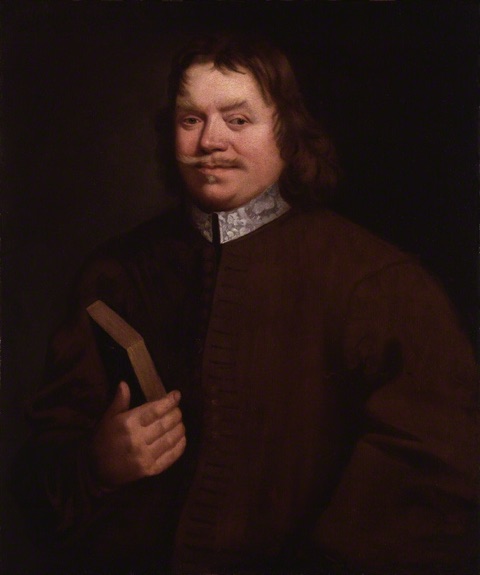
About the author
John Bunyan
John Bunyan (1628 to 1688 AD) was a tinker's son from Elstow near Bedford who spent twelve years in Bedford jail from 1660 for refusing to stop preaching, and afterward served as pastor of the Bedford congregation. He died in London in 1688. This treatise did not reach print until 1692 AD, four years after his death.