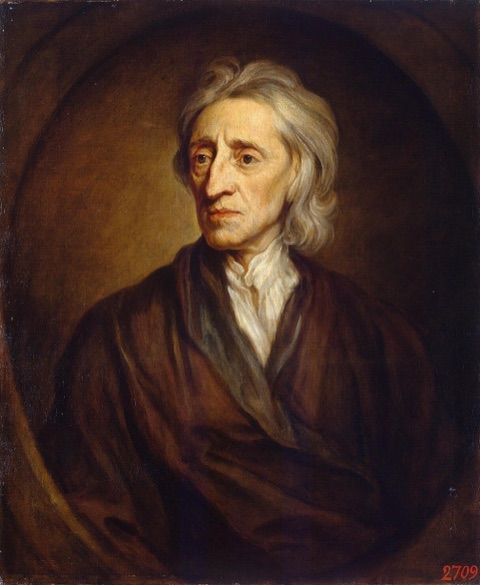
Thomas Jefferson
Author of the Declaration of Independence and Notes on the State of Virginia, governor of Virginia, and third president of the United States.
Biography
Thomas Jefferson (1743 to 1826) was a Virginia planter, lawyer and statesman who drafted the Declaration of Independence and served as the third president of the United States. He was born on April 13, 1743, at Shadwell in Albemarle County, Virginia, the son of Peter Jefferson, a surveyor and planter. He studied at the College of William and Mary, read law under George Wythe, and was elected to the Virginia House of Burgesses in 1769. In 1772 he married Martha Wayles Skelton, who died in 1782.
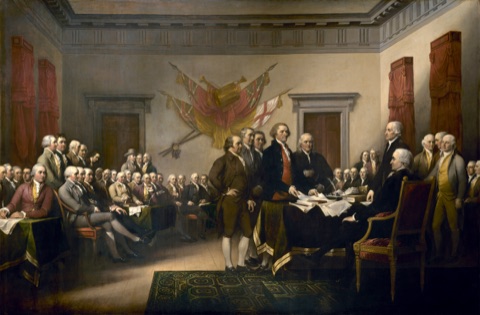
In 1774 Jefferson wrote A Summary View of the Rights of British America, and in 1775 he went to the Continental Congress in Philadelphia. The next year Congress assigned him to draft the Declaration of Independence, adopted on July 4, 1776. Returning to Virginia, he worked in the House of Delegates on a revision of the state's laws, including a bill for establishing religious freedom that the assembly passed in 1786. He was governor of Virginia from 1779 to 1781, the years in which British forces invaded the state.
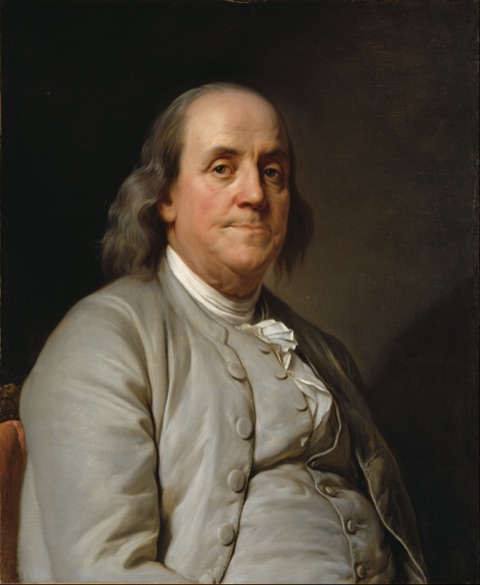
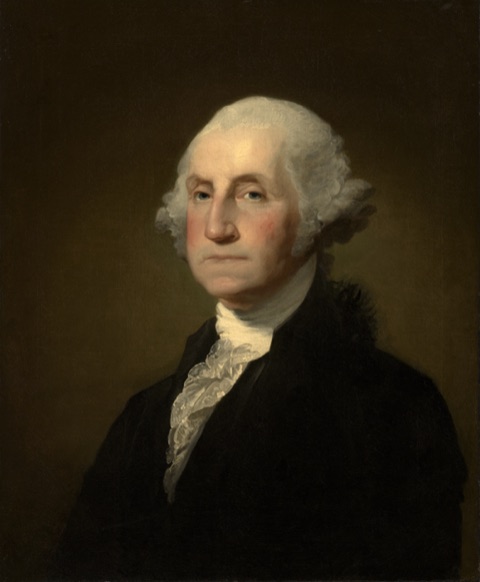
In 1781 he began answering a French diplomat's questions about Virginia, and the answers became Notes on the State of Virginia, the only full-length book he published. He served in Congress again in 1783 and 1784, then succeeded Benjamin Franklin as American minister to France from 1785 to 1789. He was secretary of state under George Washington from 1790 to 1793 and vice president under John Adams from 1797 to 1801.
As president from 1801 to 1809, Jefferson completed the Louisiana Purchase in 1803, sent Meriwether Lewis and William Clark across the continent, and in 1807 signed the act prohibiting the importation of enslaved people into the United States from 1808. After the British burned the Capitol in 1814, he sold his library to Congress. In retirement at Monticello he founded the University of Virginia, chartered in 1819 and opened in 1825. Jefferson enslaved more than six hundred people over his lifetime. He died at Monticello on July 4, 1826, fifty years to the day after the adoption of the Declaration, and the same day as John Adams.
Life & Career
Why Jefferson Matters
Jefferson's writing shaped the American founding's language of natural rights. The Declaration of Independence states that all men are created equal and endowed with unalienable rights, and that governments derive their just powers from the consent of the governed.
His Virginia Act for Establishing Religious Freedom, passed in 1786, declared that no one could be compelled to attend or support any worship or ministry, or suffer for religious opinions. Notes on the State of Virginia sets out the argument behind it: that government's rightful power extends only to acts that injure others.
Notes on the State of Virginia also records his proposals for public schooling, his criticism of Virginia's first constitution for placing every power in the legislature, his defense of American nature against European naturalists, and his views on slavery, emancipation and race. He chose the three achievements named on his gravestone: author of the Declaration of Independence and of the Virginia statute for religious freedom, and father of the University of Virginia.