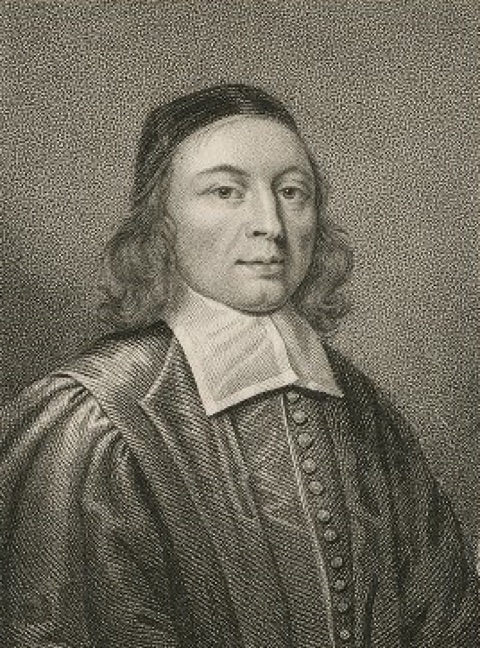
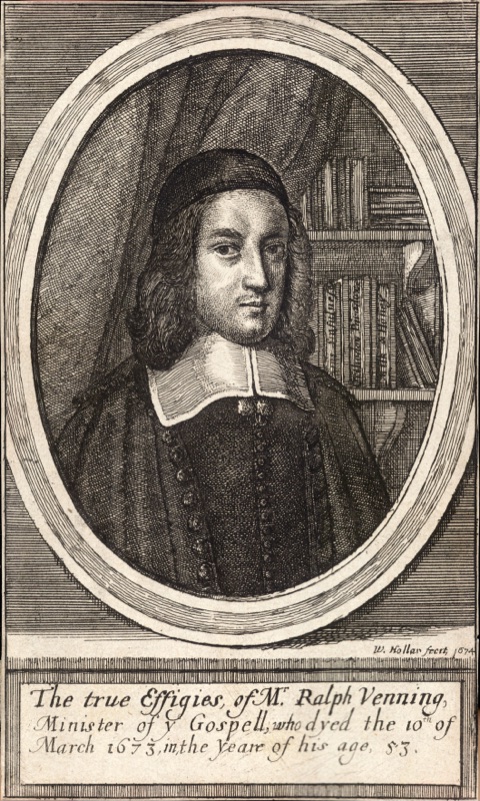
Thomas Brooks
Author of Precious Remedies Against Satan's Devices and Heaven on Earth. Known for his vivid illustrations and practical wisdom on spiritual warfare.
1608–1680
Biography
Thomas Brooks was born in 1608 and educated at Emmanuel College, Cambridge. Little is known of his early life. He may have served as a chaplain aboard a ship before settling into pastoral ministry in London.
Brooks became rector of St Margaret's, New Fish Street Hill, in London, and later ministered at St Mary Magdalene, Old Fish Street. He was a popular preacher and drew large congregations. He was ejected from his living by the Act of Uniformity in 1662 and continued to preach privately in London for the remainder of his life.
Brooks lived through the Great Plague of 1665 and the Great Fire of 1666, remaining in London to minister to his people through both catastrophes. His library was destroyed in the fire.
His most famous work, Precious Remedies Against Satan's Devices (1652), catalogues the strategies Satan uses to tempt believers and provides biblical remedies for each. Heaven on Earth (1654) deals with the doctrine of assurance. The Mute Christian Under the Smarting Rod addresses suffering. Brooks also published an extensive collection of sermons and shorter treatises.
Brooks died in 1680 and was buried at Bunhill Fields.
Life & Career
Why Brooks Matters
Brooks wrote about the Christian life as a battle. His most characteristic works analyze the strategies of temptation and provide concrete, scriptural counter-strategies. This practical, almost tactical approach to spiritual warfare made his writing accessible and immediately useful.
Precious Remedies Against Satan's Devices organized Puritan pastoral wisdom into a systematic framework. Brooks identified specific temptations ("Satan presents the bait and hides the hook"), then provided numbered remedies drawn from Scripture and experience. This format was widely imitated.
His treatment of assurance in Heaven on Earth was equally practical. Brooks distinguished between saving faith and the assurance of faith, argued that assurance was attainable, and provided marks by which believers could examine themselves. He handled the subject with pastoral sensitivity, aware that pressing too hard on self-examination could increase the very doubts he was trying to resolve.