Modern English edition · 100 AD
Letters of Pliny the Younger
Pliny's letters offer a window into Roman society, including his famous correspondence with Emperor Trajan about early Christians and his eyewitness account of Vesuvius.
Ebook temporarily unavailable. Ask about this edition
About this book
The Letters of Pliny the Younger comprise one of the most valuable primary sources for understanding Roman society in the late first and early second centuries. Written between roughly 97 and 112 AD, these letters reveal the daily life, social customs, political affairs, and personal concerns of a Roman senator and administrator. They provide an intimate portrait of imperial Rome that formal histories cannot match.
Pliny's correspondence covers a remarkable range of topics. He discusses literature and poetry, describing his own efforts and critiquing others. He recounts legal cases he argued. He describes his villas and estates in loving detail. He chronicles the deaths of friends and reflects on mortality. Through these letters, the reader enters the world of the Roman elite.
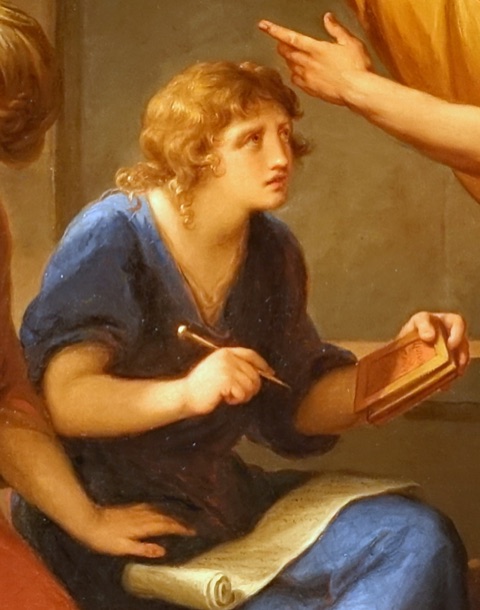
Two letters are especially famous. Pliny's account of the eruption of Vesuvius in 79 AD, which killed his uncle Pliny the Elder, provides the most detailed ancient description of that catastrophe. His eyewitness testimony of the eruption's progression and effects has informed modern vulcanology and our understanding of Pompeii's destruction.
Equally significant are Pliny's letters to Emperor Trajan about Christians in the province of Bithynia, where Pliny served as governor. His requests for guidance on how to handle accused Christians and Trajan's replies provide crucial evidence for early Christian practices and Roman attitudes toward this new religion. These letters remain essential sources for church historians.
The tenth book, containing Pliny's official correspondence with Trajan, illuminates Roman provincial administration. Questions about building projects, legal procedures, civic finances, and local disputes reveal how the empire actually functioned at the provincial level. Trajan's concise, practical replies show imperial governance in action.
For modern readers, Pliny offers accessible and engaging entry into Roman culture. His polished but personal style, his genuine affection for friends and family, and his thoughtful observations on life and death transcend the centuries. Whether read for historical information or literary pleasure, these letters remain valuable and enjoyable.
About the author
Pliny the Younger
Gaius Plinius Caecilius Secundus (61-c. 113 AD), known as Pliny the Younger, was a Roman senator, lawyer, and author. Born in Como, he was raised by his famous uncle, Pliny the Elder, the naturalist who died in the eruption of Vesuvius. The younger Pliny pursued a distinguished career in law and imperial administration, culminating in his appointment as governor of Bithynia-Pontus under Emperor Trajan. He was known in his own time as an orator and advocate, but his lasting fame rests on his carefully crafted letters. These he published in nine books during his lifetime, with a tenth book of official correspondence published posthumously. His villa descriptions influenced Renaissance architecture, and his letters about Christians and Vesuvius remain essential historical sources.