Full text in modern English · Free PDF/EPUB
A Book for Boys and Girls
Want the file? The PDF/EPUB is free with an account.
Summary
- Author
- John Bunyan (1628 to 1688 AD), English preacher and author of The Pilgrim's Progress
- Published
- 1686 AD (A Book for Boys and Girls); the other poems earlier, several written in prison
- Source edition
- Bunyan's verse with its lines, rhymes and meter kept, and only words a modern reader would not understand changed
- Type
- Emblem poems and religious verse
- Length
- 40,000 words · 3 hours
What is A Book for Boys and Girls about?
A Book for Boys and Girls is John Bunyan's 1686 book of emblem poems. Each rhyme takes an ordinary thing, a bird, a candle, a spider, and shows what it teaches about sin, grace and salvation. This volume adds his other poems, including Prison Meditations, written in Bedford jail, and verse on death, judgment, heaven, hell and the church.
Read the full summary (9 points, key themes)Show less
How the argument unfolds
- 01
To the Reader. Bunyan explains that he writes for boys and girls of every age, including grown people who still play with toys, and will use their playthings to point them to heaven: “Great things, by little ones, are made to shine.”
- 02
The emblem poems. About fifty short poems on things like the egg, the bee, the mole, the top and the hourglass. Many end with a Comparison that spells out the meaning.
- 03
The Sinner and the Spider. The longest emblem: a spider answers a man's scorn by showing him his own sin, the ways to hell, and the bold way into the King's palace through Christ the door.
- 04
Prison Meditations. Seventy stanzas to a friend, written in jail. Bunyan finds the prison sweet, his mind at liberty, and true courage in suffering for God.
- 05
One Thing Is Needful. Ballad stanzas on the Four Last Things: death the conqueror, Christ the Judge, the glory of heaven and the endless woe of hell.
- 06
Ebal and Gerizim. The afterword: blessings from Gerizim (a new heart, prayer, godly fear and imputed righteousness, all in Christ) and curses from Ebal on those who refuse him.
- 07
A Caution to Stir Up to Watch Against Sin. Sixteen stanzas on how sin begs, bribes, flatters and rules, each ending with the warning to keep it out at the door.
- 08
A Discourse of the House of God. The church pictured as a house God builds: its beauty, its governors and officers, its laws of love and forgiveness, its discipline, and a plea to those cast out to return.
- 09
Of the Love of Christ. A short closing poem on Christ, who took the curse willingly and “Goes on, determines to make captives kings”.
Key themes
- The world as a picture book. Birds, fruit trees, a looking glass and a penny loaf all carry a lesson. Bunyan defends the method by Solomon's ant and the spider's own claim that “spiders may teach men the way to heaven.”
- Suffering for the truth. The prison poems treat jail as a hill from which the world looks small and the lasting things look near: “The truth and I were both here cast Together, and we do Lie arm in arm, and so hold fast Each other; this is true.”
- Eternity. One Thing Is Needful presses death, judgment, heaven and hell on careless readers, and ends with the lost crying, “We never shall get o’er your bound, O, great eternity!”
- Grace offered to the returning. The House of God closes by urging the fallen to come back and keep knocking, for “Come, the Lord Jesus will not cast you out.”
Reader questions (9)Hide the questions
Questions about A Book for Boys and Girls
Can I read A Book for Boys and Girls online for free?
Yes. The complete text of this modern English edition is on this page, with no sign-up or paywall.
Is there a free PDF of A Book for Boys and Girls?
Yes. The PDF and EPUB of this edition are free with an Updated Works account. Sign in with Google or an email link; no card is needed.
What is A Book for Boys and Girls?
It is John Bunyan's book of short emblem poems, published in 1686. Each poem looks at an everyday thing, such as a frog, a bee, a candle or a boy with a butterfly, and draws a spiritual lesson from it, often in a second part headed Comparison.
Was A Book for Boys and Girls really written for children?
Partly. Bunyan's preface says his readers are boys and girls of all ages, including bearded men and grown women who are taken up with childish toys. He writes simply and uses familiar things so that both children and adults will be caught by the lesson.
What is an emblem poem?
An emblem poem describes an object or scene and then explains what it stands for. In Bunyan's book the picture comes first, a lark near a net, a top under the whip, and then the Comparison: the fowler is the devil, the top is the legalist who moves only when whipped.
Which poems did Bunyan write in prison?
Prison Meditations was written in Bedford jail as a reply to a friend's letter, and One Thing Is Needful with its afterword Ebal and Gerizim also dates from his imprisonment. Bunyan spent most of the years 1660 to 1672 in jail for preaching without a license.
What does One Thing Is Needful cover?
The Four Last Things. Its opening says the poem is “death and judgment, and a clear Discourse of heaven and hell”, and it gives a section to each in short rhymed stanzas meant to wake careless readers.
What is the Sinner and the Spider?
The longest poem in A Book for Boys and Girls, a dialogue in which a man insults a spider and the spider turns every insult back on him. Its web, its hiding and its climb into a king's palace become lessons on sin, the devil and the way to heaven.
How long is this volume?
About 40,000 words. A Book for Boys and Girls and A Discourse of the House of God are the two longest works, about 11,000 words each, followed by One Thing Is Needful and Ebal and Gerizim. The shortest is Of the Love of Christ.
A Book for Boys and Girls · Full text
A Book for Boys and Girls
To the Reader
Courteous Reader,
The title page will show, if there you look,
Who are the proper subjects of this book.
They’re boys and girls of all sorts and degrees,
From those of age to children on the knees.
Thus comprehensive am I in my notions,
They tempt me to it by their childish motions.
We now have boys with beards, and girls that be
Big as old women, lacking gravity.
Then do not blame me, ’cause I thus describe them.
Flatter I may not, lest thereby I bribe them
To have a better judgment of themselves,
Than wise men have of dolls upon their shelves.
Their antic tricks, fantastic modes, and way,
Show that, like very boys and girls, they play
With all the frantic fopperies of this age,
And that in open view, as on a stage;
Our bearded men do act like beardless boys;
Our women please themselves with childish toys.
Our ministers, long time, by word and pen,
Dealt with them, counting them not boys, but men.
Thunderbolts they shot at them and their toys,
But hit them not, ’cause they were girls and boys.
The better charged, the wider still they shot,
Or else so high, these dwarfs they touched not.
Instead of men, they found them girls and boys,
Addict to nothing as to childish toys.
Wherefore, good reader, that I save them may,
I now with them the very simpleton play;
And since at gravity they make a tush,
My very beard I cast behind a bush;
And like a fool stand fingering their toys,
And all to show them they are girls and boys.
Nor do I blush, although I think some may
Call me a baby, ’cause I with them play.
I do’t to show them how each fingle-fangle
On which they doting are, their souls entangle,
As with a web, a trap, a gin, or snare;
And will destroy them if they take no care.
Paul seemed to play the fool, that he might gain
Those that were fools indeed, if not in grain;
And did it by their things, that they might know
Their emptiness, and might be brought unto
What would them save from sin and vanity,
A noble act, and full of honesty.
Yet he nor I would like them be in vice,
While by their playthings I would them entice,
To mount their thoughts from what are childish toys,
To heaven, for that’s prepared for girls and boys.
Nor do I so confine myself to these,
As to shun graver things; I seek to please
Those more composed with better things than toys;
Though thus I would be catching girls and boys.
Wherefore, if men have now a mind to look,
Perhaps their graver fancies may be took
With what is here, though but in homely rhymes:
But he who pleases all must rise betimes.
Some, I’m persuaded, will be finding fault,
Concluding, here I trip, and there I halt:
No doubt some could those groveling notions raise
By fine-spun terms, that challenge might the bays.
But should all men be forced to lay aside
Their brains that cannot regulate the tide
By this or that man’s fancy, we should have
The wise unto the fool become a slave.
What though my text seems mean, my morals be
Grave, as if fetched from a sublimer tree.
And if some better handle can a fly,
Than some a text, why should we then deny
Their making proof, or good experiment,
Of smallest things, great mischiefs to prevent?
Wise Solomon did fools to anthills send,
To learn true wisdom, and their lives to mend.
Yea, God by swallows, cuckoos, and the ass (Ps 84:3; Lev 11:16; Num 22),
Shows they are fools who let that season pass,
Which he put in their hand, that to obtain
Which is both present and eternal gain.
I think the wiser sort my rhymes may slight,
But what care I, the foolish will delight
To read them, and the foolish God has chose,
And does by foolish things their minds compose,
And settle upon that which is divine;
Great things, by little ones, are made to shine.
I could, were I so pleased, use higher strains:
And for applause on tenters stretch my brains.
But why need that? The arrow, out of sight,
Does not the sleeper, nor the watchman fright;
To shoot too high does but make children gaze,
’Tis that which hits the man does him amaze.
And for the inconsiderableness
Of things, by which I do my mind express,
May I by them bring some good thing to pass,
As Samson, with the jawbone of an ass;
Or as brave Shamgar, with his ox’s goad
(Both being things not manly, nor for war in mode),
I have my end, though I myself expose
To scorn; God will have glory in the close.
J. B.
Upon the Barren Fig Tree in God’s Vineyard
What, barren here! In this so good a soil?
The sight of this does make God’s heart recoil
From giving you his blessing; barren tree,
Bear fruit, or else your end will cursed be!
Are you not planted by the waterside?
Don’t you know your Lord by fruit is glorified?
The sentence is, Cut down the barren tree:
Bear fruit, or else your end will cursed be.
Have you been dug about and dunged too,
Will neither patience nor yet dressing do?
The executioner has come, O tree,
Bear fruit, or else your end will cursed be!
He that about your roots takes pains to dig,
Would, if on you were found but one good fig,
Preserve you from the ax: but, barren tree,
Bear fruit, or else your end will cursed be!
The utmost end of patience is at hand,
’Tis much if you much longer here do stand.
O cumber-ground, you are a barren tree.
Bear fruit, or else your end will cursed be!
Your standing nor your name will help at all;
When fruitful trees are spared, you must fall.
The ax is laid unto your roots, O tree!
Bear fruit, or else your end will cursed be.
Upon the Lark and the Fowler
You simple bird, what brings you here to play?
Look, there’s the fowler, prithee, come away.
Don’t you behold the net? Look there, ’tis spread,
Venture a little further, you are dead.
Is there not room enough in all the field
For you to play in, but you needs must yield
To the deceitful glittering of a glass,
Placed between nets, to bring your death to pass?
Bird, if you are so much for dazzling light,
Look, there’s the sun above you; dart upright;
Your nature is to soar up to the sky,
Why will you come down to the nets and die?
Take no heed to the fowler’s tempting call;
This whistle he enchants the birds withal.
Or if you see a live bird in his net,
Believe she’s there ’cause out she cannot get.
Look how he’s tempting you with his decoy,
That he may rob you of your life, your joy.
Come, prithee, bird, I prithee, come away,
Why should this net take you, when ’scape you may?
Had you no wings, or were your feathers pulled,
Or were you blind, or fast asleep were lulled,
The case would somewhat alter, but for thee,
Your eyes are open, and you’ve wings to flee.
Remember that your song is in your rise,
Not in your fall; earth’s not your paradise.
Keep up aloft, then, let your circuits be
Above, where birds from fowler’s nets are free.
Comparison.
This fowler is an emblem of the devil,
His nets and whistle, figures of all evil.
His glass an emblem is of sinful pleasure,
And his decoy of who counts sin a treasure.
This simple lark’s a shadow of a saint,
Under allurings, ready now to faint.
This admonisher a true teacher is,
Whose work’s to show the soul the snare and bliss,
And how it may this fowler’s net escape,
And not commit upon itself this rape.
Upon the Vine Tree
What is the vine, more than another tree?
Nay, most, than it, more tall, more comely be.
What workman thence will take a beam or pin,
To make aught which may be delighted in?
Its excellency in its fruit does lie:
A fruitless vine, it is not worth a fly.
Comparison.
What are professed saints more than other men?
Nothing at all. Nay, there’s not one in ten,
Either for wealth, or wit, that may compare,
In many things, with some that carnal are.
Good are they, if they mortify their sin,
But without that, they are not worth a pin.
Meditations upon an Egg
1. The egg’s no chick by falling from the hen;
Nor man a Christian, till he’s born again.
The egg’s at first contained in the shell;
Men, before grace, in sins and darkness dwell.
The egg, when laid, by warmth is made a chicken,
And Christ, by grace, those dead in sin does quicken.
The egg, when first a chick, the shell’s its prison;
So’s flesh to the soul, who yet with Christ is risen.
The shell does crack, the chick does chirp and peep,
The flesh decays, as men do pray and weep.
The shell does break, the chick’s at liberty,
The flesh falls off, the soul mounts up on high.
But both do not enjoy the selfsame plight;
The soul is safe, the chick now fears the kite.
2. But chicks from rotten eggs do not proceed,
Nor is a hypocrite a saint indeed.
The rotten egg, though underneath the hen,
If cracked, stinks, and is loathsome unto men.
Nor does her warmth make what is rotten sound;
What’s rotten, rotten will at last be found.
The hypocrite, sin has him in possession,
He is a rotten egg under profession.
3. Some eggs bring cockatrices; and some men
Seem hatched and brooded in the viper’s den.
Some eggs bring wildfowl; and some men there be
As wild as are the wildest fowls that flee.
Some eggs bring spiders, and some men appear
More venomed than the worst of spiders are.
Some eggs bring ants, and some men seem to me
As much for trifles as the ants can be.
Thus diverse eggs do produce diverse shapes,
As like some men as monkeys are like apes.
But this is but an egg; were it a chick,
Here had been legs, and wings, and bones to pick.
Of Fowls Flying in the Air
I think I see a sight most excellent,
All sorts of birds fly in the firmament:
Some great, some small, all of a diverse kind,
My eye affecting, pleasant to my mind.
Look how they tumble in the wholesome air,
Above the world of worldlings, and their care.
And as they diverse are in bulk and hue,
So are they in their way of flying too.
So many birds, so many various things
Tumbling in the element upon their wings.
Comparison.
These birds are emblems of those men that shall
Ere long possess the heavens, their all in all.
They are each of a diverse shape and kind,
To teach we of all nations there shall find.
They are some great, some little, as we see,
To show some great, some small, in glory be.
Their flying diversely, as we behold,
Does show saints’ joys will there be manifold;
Some glide, some mount, some flutter, and some do,
In a mixed way of flying, glory too.
And all to show each saint, to his content,
Shall roll and tumble in that firmament.
Upon the Lord’s Prayer
Our Father which in heaven art,
Thy name be always hallowed;
Thy kingdom come, thy will be done;
Thy heavenly path be followed
By us on earth as ’tis with thee,
We humbly pray;
And let our bread us given be,
From day to day.
Forgive our debts as we forgive
Those that to us indebted are:
Into temptation lead us not,
But save us from the wicked snare.
The kingdom’s thine, the power too,
We thee adore;
The glory also shall be thine
For evermore.
Meditations upon Peep of Day
I oft, though it be peep of day, don’t know
Whether ’tis night, whether ’tis day or no.
I fancy that I see a little light,
But cannot yet distinguish day from night;
I hope, I doubt, but steady yet I be not,
I am not at a point, the sun I see not.
Thus ’tis with such who grace but now possessed,
They don’t yet know if they are cursed or blest.
Upon the Flint in the Water
This flint, time out of mind, has there abode,
Where crystal streams make their continual road.
Yet it abides a flint as much as ’twere
Before it touched the water, or came there.
Its hard obdurateness is not abated,
’Tis not at all by water penetrated.
Though water has a softening virtue in’t,
This stone it can’t dissolve, for ’tis a flint.
Yea, though it in the water does remain,
It does its fiery nature still retain.
If you oppose it with its opposite,
At you, yea, in your face, its fire ’twill spit.
Comparison.
This flint an emblem is of those that lie,
Like stones, under the Word, until they die.
Its crystal streams have not their nature changed,
They are not, from their lusts, by grace estranged.
Upon the Fish in the Water
1. The water is the fish’s element;
Take her from there, none can her death prevent;
And some have said, who have transgressors been,
“As good not be, as to be kept from sin.”
2. The water is the fish’s element:
Leave her but there, and she is well content.
So’s he, who in the path of life does plod,
“Take all,” says he, “let me but have my God.”
3. The water is the fish’s element,
Her sportings there to her are excellent;
So is God’s service unto holy men,
They are not in their element till then.
Upon the Swallow
This pretty bird, O! how she flies and sings,
But could she do so if she had no wings?
Her wings bespeak my faith, her songs my peace;
When I believe and sing my doubtings cease.
Upon the Bee
The bee goes out, and honey home does bring,
And some who seek that honey find a sting.
Now would you have the honey, and be free
From stinging, in the first place kill the bee.
Comparison.
This bee an emblem truly is of sin,
Whose sweet, unto a many, death has been.
Now would you have sweet from sin, and yet not die,
You must, in the first place, it mortify.
Upon a Lowering Morning
Well, with the day I see the clouds appear,
And mix the light with darkness everywhere;
This threatening is, to travelers that go
Long journeys, sloppy rain they’ll have, or snow.
Else, while I gaze, the sun does with his beams
Belace the clouds, as ’twere with bloody streams;
This done, they suddenly do watery grow,
And weep, and pour their tears out where they go.
Comparison.
Thus ’tis when gospel light does usher in
To us both sense of grace and sense of sin;
Yea, when it makes sin red with Christ’s blood,
Then we can weep till weeping does us good.
Upon Overmuch Fussiness
’Tis much to see how finicky some are
About the body and household affair,
While what’s of worth they slightly pass it by,
Not doing, or doing it slovenly.
Their house must be well furnished, be in print,
Meanwhile their soul lies waste, has no good in’t.
Its outside also they must beautify,
When in it there’s scarce common honesty.
Their bodies they must have tricked up and trim,
Their inside full of filth up to the brim.
Upon their clothes there must not be a spot,
But are their lives more than one common blot?
How prim, how coy are some about their diet,
That can their crying souls with hogs’-meat quiet.
All dressed must to a hair be, else ’tis naught,
While of the living bread they have no thought.
Thus for their outside they are clean and nice,
While their poor inside stinks with sin and vice.
Meditations upon a Candle
Man’s like a candle in a candlestick,
Made up of tallow and a little wick;
And as the candle when it is not lighted,
So is he who is in his sins benighted.
Nor can a man his soul with grace inspire,
More than can candles set themselves on fire.
Candles receive their light from what they are not;
Men grace from him for whom at first they care not.
We manage candles when they take the fire;
God men, when he with grace does them inspire.
And biggest candles give the better light,
As grace on biggest sinners shines most bright.
The candle shines to make another see,
A saint unto his neighbor light should be.
The blinking candle we do much despise,
Saints dim of light are high in no man’s eyes.
Again, though it may seem to some a riddle,
We tend to light our candles at the middle.
True light does at the candle’s end appear,
And grace the heart first reaches by the ear.
But ’tis the wick the fire does kindle on,
As ’tis the heart that grace first works upon.
Thus both do fasten upon what’s the main,
And so their life and vigor do maintain.
The tallow makes the wick yield to the fire,
And sinful flesh does make the soul desire
That grace may kindle on it, in it burn;
So evil makes the soul from evil turn.
But candles in the wind are apt to flare,
And Christians, in a tempest, to despair.
The flame also with smoke attended is,
And in our holy lives there’s much amiss.
Sometimes a thief will candlelight annoy,
And lusts do seek our graces to destroy.
What brackish is will make a candle sputter;
’Twixt sin and grace there’s oft a heavy clutter.
Sometimes the light burns dim, ’cause of the snuff,
Sometimes it is blown quite out with a puff;
But watchfulness prevents both of these evils,
Keeps candles lit, and grace in spite of devils.
Let neither snuffs nor puffs make us to doubt,
Our candles may be lighted, though puffed out.
The candle in the night does all excel,
Nor sun, nor moon, nor stars, then shine so well.
So is the Christian in our hemisphere,
Whose light shows others how their course to steer.
When candles are put out, all’s in confusion;
Where Christians are not, devils make intrusion.
Then happy are they who such candles have,
All others dwell in darkness and the grave.
But candles that do blink within the socket,
And saints, whose eyes are always in their pocket,
Are much alike; such candles make us fumble,
And at such saints good men and bad do stumble.
Good candles don’t offend, except sore eyes,
Nor hurt, unless it be the silly flies.
Thus none like burning candles in the night,
Nor aught to holy living for delight.
But let us draw toward the candle’s end:
The fire, you see, does wick and tallow spend,
As grace man’s life until his glass is run,
And so the candle and the man are done.
The man now lays him down upon his bed,
The wick yields up its fire, and so is dead.
The candle now extinct is, but the man
By grace mounts up to glory, there to stand.
Upon the Sacraments
Two sacraments I do believe there be,
Baptism and the Supper of the Lord;
Both mysteries divine, which do to me,
By God’s appointment, benefit afford.
But shall they be my God, or shall I have
Of them so foul and impious a thought,
To think that from the curse they can me save?
Bread, wine, nor water, me no ransom bought.
Upon the Sun’s Reflection on the Clouds in a Fair Morning
Look yonder, ah! I think my eyes do see
Clouds edged with silver, as fine garments be;
They look as if they saw that golden face
That makes black clouds most beautiful with grace.
Unto the saints’ sweet incense, or their prayer,
These smoky curdled clouds I do compare.
For as these clouds seem edged, or laced with gold,
Their prayers return with blessings manifold.
Upon Apparel
God gave us clothes to hide our nakedness,
And we by them do it expose to view.
Our pride and unclean minds to an excess,
By our apparel, we to others show.
The Sinner and the Spider
Sinner.
What black, what ugly crawling thing are you?
Spider.
I am a spider—
Sinner.
A spider, yes, also a filthy creature.
Spider.
Not filthy as yourself in name or feature.
My name entailed is to my creation,
My features from the God of your salvation.
Sinner.
I am a man, and in God’s image made,
I have a soul shall neither die nor fade,
God has possessed me with human reason,
Speak not against me lest you’re speaking treason.
For if I am the image of my Maker,
Of slanders laid on me he is partaker.
Spider.
I know you are a creature far above me,
Therefore I shun, I fear, and also love thee.
But though your God has made you such a creature,
You have against him often played the traitor.
Your sin has fetched you down: give up your boast;
Nature you have defiled, God’s image lost.
Yes, you yourself a very beast have made,
And have become like grass, which soon does fade.
Your soul, your reason, yes, your spotless state,
Sin has subjected to the most dreadful fate.
But I keep my original condition;
I’ve all but what I lost by your ambition.
Sinner.
You venomed thing, I don’t know what to call you;
The dregs of nature surely did befall you;
You were made of the dross and scum of all;
Man hates you; does, in scorn, you spider call.
Spider.
My venom’s good for something, ’cause God made it;
Your sin has spoiled your nature, does degrade it.
Of human virtues, therefore, though I fear you,
I will not, though I might, despise and jeer you.
You say I am the very dregs of nature;
Your sin’s the spawn of devils, it’s no creature.
You say man hates me ’cause I am a spider;
Poor man, you at your God are a derider;
My venom tends toward my preservation,
Your pleasing follies work out your damnation.
Poor man, I keep the rules of my creation;
Your sin has cast you headlong from your station.
I hurt nobody willingly, but thou
Art a self-murderer; you don’t know how
To do what good is; no, you do love evil;
You flee from God’s law, adhere to the devil.
Sinner.
Ill-shaped creature, there’s antipathy
’Twixt man and spiders; it’s in vain to lie;
I hate you; stand off, if you do come nigh me;
I’ll crush you with my foot; I do defy thee.
Spider.
They are ill-shaped who warped are by sin;
Antipathy in you has long time been
To God; no marvel, then, if me, his creature,
You do defy, alleging name and feature.
But why stand off? My presence shall not throng you;
It’s not my venom, but your sin does wrong you.
Come, I will teach you wisdom; do but hear me;
I was made for your profit; do not fear me.
But if your God you will not listen to,
What can the swallow, ant, or spider do?
Yet I will speak; I can but be rejected;
Sometimes great things by small means are effected.
Hear, then: though man is noble by creation,
He’s lapsed now to such degeneration,
Is so besotted and so careless grown,
As not to grieve though he has overthrown
Himself, and brought to bondage everything
Created, from the spider to the king.
This we poor sentient things do feel and see;
For subject to the curse you made us be.
Don’t tread upon me, neither from me go;
It’s man who has brought all the world to woe.
The law of my creation bids me teach you;
I will not for your pride to God impeach you.
I spin, I weave, and all to let you see
Your best performances but cobwebs be.
Your glory now is brought to such an ebb,
It does not much excel the spider’s web;
My webs, becoming snares and traps for flies,
Do set the wiles of hell before your eyes;
Their tangling nature is to let you see
Your sins too of a tangling nature be.
My den, or hole, because it’s bottomless,
Does of damnation show the lastingness.
My lying quiet until the fly is catched
Shows secretly hell has your ruin hatched.
In that I on her seize when she is taken,
I show who gathers whom God has forsaken.
The fly lies buzzing in my web to tell
You how the sinners roar and howl in hell.
Now, since I show you all these mysteries,
How can you hate me, or me scandalize?
Sinner.
Well, well; I no more will be a derider;
I did not look for such things from a spider.
Spider.
Come, hold your peace; what I have yet to say,
If heeded, help you may another day.
Since I an ugly ven’mous creature be,
There is some semblance ’twixt vile man and me.
My wild and heedless runnings are like those
Whose ways to ruin do their souls expose.
Daylight is not my time; I work in the night,
To show they are like me who hate the light.
The maid sweeps one web down; I make another,
To show how heedless ones convictions smother;
My web is no defense at all to me,
Nor will false hopes at judgment be to thee.
Sinner.
O spider, I have heard you, and do wonder
A spider should thus lighten and thus thunder!
Spider.
Do but hold still, and I will let you see
Yet in my ways more mysteries there be.
Shall I not do you good, if I you tell
I show to you a fourfold way to hell?
For, since I set my web in sundry places,
I show men go to hell in diverse traces.
One I set in the window, that I might
Show some go down to hell with gospel light.
One I set in a corner, as you see,
To show how some in secret snared be.
Gross webs great store I set in darksome places,
To show how many sin with brazen faces;
Another web I set aloft on high,
To show there’s some professing men must die.
Thus in my ways God wisdom does conceal,
And by my ways that wisdom does reveal.
I hide myself when I for flies do wait;
So does the devil when he lays his bait.
If I do fear the losing of my prey,
I stir me, and more snares upon her lay:
This way and that her wings and legs I tie,
That, sure as she is caught, so she must die.
But if I see she’s likely to get away,
Then with my venom I her journey stay.
All these my ways the devil imitates
To catch men, ’cause he their salvation hates.
Sinner.
O spider, you delight me with your skill!
I beg you, spit this venom at me still.
Spider.
I am a spider, yet I can possess
The palace of a king, where happiness
So much abounds. Nor when I do go thither
Do they ask what, or whence I come, or whither
I make my hasty travels; no, not they;
They let me pass, and I go on my way.
I seize the palace, do with hands take hold
Of doors, of locks, or bolts; yes, I am bold,
When in, to clamber up unto the throne,
And to possess it, as if ’twere my own.
Nor is there any law forbidding me
Here to abide, or in this palace be.
Yes, if I please, I do the highest stories
Ascend, there sit, and so behold the glories
That I am compassed with, as if I were
One of the chiefest courtiers that are there.
Here lords and ladies do come round about me,
With grave demeanor, nor do any flout me
For this, my brave adventure; no, not they;
They come, they go, but leave me there to stay.
Now, my reproacher, I do by all this
Show how you may possess yourself of bliss:
You are worse than a spider, but take hold
On Christ the door; you shall not be controlled.
By him do you the heavenly palace enter;
None will chide you for this your brave adventure;
So then approach unto the very throne;
There speak your mind; fear not, the day’s your own;
Nor saint nor angel will you stop or stay,
But rather tumble blocks out of the way.
My venom stops not me; let not your vice
Stop you; possess yourself of paradise.
Go on, I say, although you are a sinner;
Learn to be bold in faith, of me a spinner.
This is the way the glories to possess,
And to enjoy what no man can express.
Sometimes I find the palace door uplocked,
And so my entrance thither has upblocked.
But am I daunted? No, I here and there
Do feel and search; so if I anywhere,
At any chink or crevice, find my way,
I crowd, I press for passage, make no stay.
And so through difficulty I attain
The palace; yes, the throne where princes reign.
I crowd sometimes, as if I’d burst asunder;
And if you’re crushed with striving, do not wonder.
Some scarce get in, and yet indeed they enter;
Knock, for they nothing have that nothing venture.
Nor will the King himself throw dirt on thee,
As you have cast reproaches upon me.
He will not hate you, O you foul backslider!
As you did me, because I am a spider.
Now, to conclude: since I such doctrine bring,
Slight me no more; don’t call me ugly thing.
God wisdom has unto the small ant given,
And spiders may teach men the way to heaven.
Sinner.
Well, my good spider, I my errors see;
I was a fool for railing upon thee.
Your nature, venom, and your fearful hue,
Both show what sinners are, and what they do.
Your way and works do also darkly tell
How some men go to heaven, and some to hell.
You are my monitor, I am a fool;
They may learn who to spiders go to school.
Meditations upon the Day before Sunrise
But all this while, where’s he whose golden rays
Drives night away and beautifies our days?
Where’s he whose goodly face does warm and heal,
And show us what the darksome nights conceal?
Where’s he that thaws our ice, drives cold away?
Let’s have him, or we care not for the day.
Thus it is with those who partake of grace:
There’s nothing to them like their Redeemer’s face.
Of the Mole in the Ground
The mole’s a creature very smooth and slick;
She digs in dirt, but it won’t on her stick;
So’s he who counts this world his greatest gains,
Yet nothing gets but labor for his pains.
Earth’s the mole’s element; she can’t abide
To be above ground; dirt heaps are her pride;
And he is like her who the worldling plays;
He imitates her in her work and ways.
Poor silly mole, that you should love to be
Where you nor sun, nor moon, nor stars can see.
But O! how silly’s he who does not care,
If he gets earth, to have of heaven a share!
Of the Cuckoo
You booby, do you say nothing but Cuckoo?
The robin and the wren can you outdo.
They to us play through their little throats,
Not one, but sundry pretty taking notes.
But you have fellows; some like you can do
Little but suck our eggs, and sing Cuckoo.
Your notes do not first welcome in our spring,
Nor do you its first tokens to us bring.
Birds less than you by far, like prophets, do
Tell us it’s coming, though not by Cuckoo.
Nor do you summer have away with thee,
Though you a yawling, bawling Cuckoo be.
When you do cease among us to appear,
Then does our harvest bravely crown our year.
But you have fellows; some like you can do
Little but suck our eggs, and sing Cuckoo.
Since Cuckoos forward not our early spring,
Nor help with notes to bring our harvest in;
And since, while here, she only makes a noise,
So pleasing unto none as girls and boys,
The Formalist we may compare her to,
For he does suck our eggs, and sing Cuckoo.
Of the Boy and Butterfly
Behold how eager this our little boy
Is for this butterfly, as if all joy,
All profits, honors, yes, and lasting pleasures,
Were wrapped up in her, or the richest treasures
Found in her would be bundled up together,
When all her all is lighter than a feather.
He halloos, runs, and cries out, “Here, boys, here!”
Nor does he brambles or the nettles fear.
He stumbles at the molehills, up he gets,
And runs again, as one bereft of wits;
And all this labor and this large outcry
Is only for a silly butterfly.
Comparison.
This little boy an emblem is of those
Whose hearts are wholly at the world’s dispose;
The butterfly does represent to me
The world’s best things at best but fading be.
All are but painted nothings and false joys,
Like this poor butterfly to these our boys.
His running through the nettles, thorns, and briars,
To gratify his boyish fond desires;
His tumbling over molehills to attain
His end, namely, his butterfly to gain,
Does plainly show what hazards some men run
To get what will be lost as soon as won.
Men seem in choice than children far more wise,
Because they run not after butterflies;
When yet, alas! for what are empty toys
They follow children, just like beardless boys.
Of the Fly at the Candle
What ails this fly thus desperately to enter
A combat with the candle? Will she venture
To clash at light? Away, you silly fly;
Thus doing, you will burn your wings and die.
But it’s a folly her advice to give;
She’ll kill the candle, or she will not live.
“Slap,” says she, at it; then she makes retreat,
So wheels about, and does her blows repeat.
Nor does the candle let her quite escape,
But gives some little check unto the ape:
Throws up her heels it does, so down she falls,
Where she lies sprawling, and for succor calls.
When she recovers, up she gets again,
And at the candle comes with might and main;
But now behold, the candle takes the fly,
And holds her, till she does by burning die.
Comparison.
This candle is an emblem of that light
Our gospel gives in this our darksome night.
The fly a lively picture is of those
That hate and do this gospel light oppose.
At last the gospel does become their snare,
Does them with burning hands in pieces tear.
On the Rising of the Sun
Look, look, brave Sol does peep up from beneath,
Shows us his golden face, does on us breathe;
He also does compass us round with glories,
While he ascends up to his highest stories,
Where he his banner over us displays,
And gives us light to see our works and ways.
Nor are we now, as at the peep of light,
To question, is it day, or is it night?
The night is gone, the shadows fled away,
And we now most sure are that it is day.
Our eyes behold it, and our hearts believe it;
Nor can the wit of man in this deceive it.
And thus it is when Jesus shows his face,
And does assure us of his love and grace.
Upon the Promising Fruitfulness of a Tree
A comely sight indeed it is to see
A world of blossoms on an apple tree:
Yet far more comely would this tree appear,
If all its dainty blooms young apples were.
But how much more might one upon it see,
If all would hang there till they ripe should be.
But most of all in beauty ’twould abound,
If then none worm-eaten should there be found.
But we, alas! do commonly behold
Blooms fall apace, if mornings are but cold.
They too, which hang till they young apples are,
By blasting winds and vermin take despair;
Many that hang till almost ripe, we see
By blust’ring winds are shaken from the tree,
So that of many, only some there be
That grow till they come to maturity.
Comparison.
This tree a perfect emblem is of those
Which God does plant, which in his garden grows.
Its blighted blooms are stirrings toward good,
Which chill affections do nip in the bud.
Those little apples which yet blighted are
Show some good purposes no good fruits bear.
Those spoiled by vermin are to let us see
How good attempts by bad thoughts ruined be.
Those which the wind blows down while they are green
Show good works have by trials spoiled been.
Those that abide till ripe upon the tree
Show, in a good man, some ripe fruit will be.
Behold, then, how abortive some fruits are,
Which at the first most promising appear.
The frost, the wind, the worm, with time, do show
There flows from much appearance works but few.
Upon the Thief
The thief, when he does steal, thinks he does gain;
Yet then the greatest loss he does sustain.
Come, thief, tell me your gains, but do not falter;
When summed, what comes it to more than the halter?
Perhaps you’ll say, “The halter I defy”;
So you may say, yet by the halter die.
You’ll say, “Then there’s an end”; no, I beg you, hold;
He was no friend of yours who has you told.
Do hear the Word of God, that will you tell,
Without repentance thieves must go to hell.
But should it be as your false prophet says,
Yet nothing but loss does come by thievish ways.
All honest men will flee your company;
You live a rogue, and so a rogue will die.
Innocent boldness you have none at all;
Your inward thoughts do you a villain call.
Sometimes when you lie warmly on your bed,
You are like one unto the gallows led.
Fear, as a constable, breaks in upon you;
You are as if the town were up to stone you.
If hogs do grunt, or silly rats do rustle,
You are in consternation, think a bustle
By men about the door is made to take you,
And all because good conscience does forsake you.
Your case is most deplorably so bad,
You shun to think of it, lest you be mad.
You are beset with mischiefs every way;
The gallows groans for you every day.
Therefore, I beg you, thief, your theft forbear;
Consult your safety; please, do have a care.
If once your head is caught within the noose,
’Twill be too late a longer life to choose.
As for the penitent that you read of,
What’s that to those who at repentance scoff?
Nor is that grace at your command or power,
That you should put it off till the last hour.
I beg you, thief, think on it, turn in time;
Few go to life who do the gallows climb.
Of the Child with the Bird at the Bush
My little bird, how can you sit
And sing amidst so many thorns?
Let me a hold upon you get;
My love with honor you adorns.
You are at present little worth;
Five farthings none will give for thee;
But, little bird, I beg, come forth;
You of more value are to me.
It’s true it is sunshine today;
Tomorrow birds will have a storm;
My pretty one, come now away;
My bosom then shall keep you warm.
You subject are to cold at nights,
When darkness is your covering;
By day your danger’s great from kites;
How can you then sit there and sing?
Your food is scarce and scanty too;
It’s worms and trash which you do eat;
Your present state I pity do;
Come, I’ll provide you better meat.
I’ll feed you with white bread and milk,
And sugarplums, if them you crave.
I’ll cover you with finest silk,
That from the cold I may you save.
My father’s palace shall be thine;
Yes, in it you shall sit and sing;
My little bird, if you’ll be mine,
The whole year round shall be your spring.
I’ll teach you all the notes at court;
Unthought-of music you shall play;
And all who thither do resort
Shall praise you for it every day.
I’ll keep you safe from cat and cur;
No kind of harm shall come to thee;
Yes, I will be your succorer;
My bosom shall your cabin be.
But lo, behold, the bird is gone;
These charmings would not make her yield;
The child’s left at the bush alone;
The bird flies yonder o’er the field.
Comparison.
This child of Christ an emblem is;
The bird to sinners I compare;
The thorns are like those sins of his
Which do surround him everywhere.
Her songs, her food, and sunshine day
Are emblems of those foolish toys
Which to destruction lead the way,
The fruit of worldly, empty joys.
The arguments this child does choose
To draw to him a bird thus wild
Show Christ familiar speech does use
To make us to him reconciled.
The bird, in that she takes her wing
To speed her from him after all,
Shows us vain man loves anything
Much better than the heavenly call.
Of Moses and His Wife
This Moses was a fair and comely man,
His wife a swarthy Ethiopian;
Nor did his milk-white bosom change her skin;
She came out thence as black as she went in.
Now Moses was a type of Moses’ law;
His wife, likewise, of one that never saw
Another way unto eternal life;
There’s mystery, then, in Moses and his wife.
The law is very holy, just, and good,
And to it is espoused all flesh and blood;
But this its goodness it cannot bestow
On any that are wedded thereunto.
Therefore, as Moses’ wife came swarthy in,
And went out from him without change of skin,
So he that does the law for life adore
Shall yet by it be left a blackamoor.
Of the Rose Bush
This homely bush does to my eyes expose
A very fair, yes, comely ruddy rose.
This rose does also bow its head to me,
Saying, “Come, pluck me; I your rose will be”;
Yet if I try to gather rose or bud,
Ten to one but the bush will have my blood.
This looks like a trap, or a decoy,
To offer, and yet snap, who would enjoy;
Yes, the more eager for it, the more in danger,
Be he the master of it, or a stranger.
Bush, why do you bear a rose if none must have it,
You who expose it, yet claw those that crave it?
Have you turned freakish? Do you the wanton play,
Or does your testy humor tend its way?
Comparison.
This rose God’s Son is, with his ruddy looks.
But what’s the bush, whose pricks, like tenterhooks,
Do scratch and claw the finest lady’s hands,
Or rend her clothes, if she too near it stands?
This bush an emblem is of Adam’s race,
Of which Christ came, when he his Father’s grace
Commended to us in his crimson blood,
While he in sinners’ stead and nature stood.
Thus Adam’s race did bear this dainty rose,
And does the same to Adam’s race expose;
But those of Adam’s race which at it catch,
Adam’s race will them prick, and claw, and scratch.
Of the Going Down of the Sun
What, have you run your race? Are you going down?
You seem angry; why do you on us frown?
Yes, wrap your head with clouds and hide your face,
As threatening to withdraw from us your grace?
O leave us not! When once you hide your head,
Our horizon with darkness will be spread.
Tell who has offended you, turn again.
Alas! too late, entreaties are in vain.
Comparison.
Our gospel has had here a summer’s day,
But in its sunshine we, like fools, did play;
Or else fall out, and with each other wrangle,
And did, instead of work, not much but jangle.
And if our sun seems angry, hides his face,
Shall it go down, shall night possess this place?
Let not the voice of night birds us afflict,
And of our misspent summer us convict.
Upon the Frog
The frog by nature is both damp and cold,
Her mouth is large, her belly much will hold;
She sits somewhat ascending, loves to be
Croaking in gardens, though unpleasantly.
Comparison.
The hypocrite is like unto this frog,
As like as is the puppy to the dog.
He is of nature cold, his mouth is wide
To prate, and at true goodness to deride.
He mounts his head as if he was above
The world, when yet it’s that which has his love.
And though he seeks in churches for to croak,
He neither loveth Jesus nor his yoke.
Upon the Whipping of a Top
It’s with the whip the boy sets up the top,
The whip makes it run round upon its toe;
The whip makes it hither and thither hop:
It’s with the whip the top is made to go.
Comparison.
Our legalist is like unto this top,
Without a whip he does not duty do;
Let Moses whip him, he will skip and hop;
Forbear to whip, he’ll neither stand nor go.
Upon the Pismire
Must we unto the pismire go to school,
To learn of her in summer to provide
For winter next ensuing? Man’s a fool,
Or silly ants would not be made his guide.
But, sluggard, is it not a shame for thee
To be outdone by pismires? Please, hear:
Their works, too, will your condemnation be
When at the judgment seat you shall appear.
But since your God does bid you to her go,
Obey, her ways consider, and be wise;
The pismire will tell you what you must do,
And set the way to life before your eyes.
Upon the Beggar
He wants, he asks, he pleads his poverty,
They within doors do him an alms deny.
He does repeat and aggravate his grief,
But they repulse him, give him no relief.
He begs, they say, “Be gone”; he will not hear,
But coughs, sighs, and makes signs he still is there;
They disregard him, he repeats his groans;
They still say no, and he himself bemoans.
They grow more surly, they call him vagrant;
He cries the shriller, trumpets out his want.
At last, when they perceive he’ll take no nay,
An alms they give him without more delay.
Comparison.
This beggar does resemble those that pray
To God for mercy, and will take no nay,
But wait, and count that all his hard gainsays
Are nothing else but fatherly delays;
Then imitate him, praying souls, and cry:
There’s nothing like to importunity.
Upon the Horse and His Rider
There’s one rides very sagely on the road,
Showing that he affects the gravest mode.
Another rides tantivy, or full trot,
To show much gravity he minds it not.
Look, here comes one headlong, he rides full speed,
Hedge, ditch, nor miry bog, he does not heed.
One claws it uphill without stop or check,
Another down as if he’d break his neck.
Now every horse has his especial guider;
Then by his going you may know the rider.
Comparison.
Now let us turn our horse into a man,
His rider to a spirit, if we can.
Then let us, by the methods of the guider,
Tell every horse how he should know his rider.
Some go, as men, direct in a right way,
Nor are they allowed to go astray;
As with a bridle they are governed,
And kept from paths which lead unto the dead.
Now this good man has his especial guider,
Then by his going let him know his rider.
Some go as if they did not greatly care,
Whether of heaven or hell they should be heir.
The rein, it seems, is laid upon their neck,
They seem to go their way without a check.
Now this man too has his especial guider,
And by his going he may know his rider.
Some again run as if resolved to die,
Body and soul, to all eternity.
Good counsel they by no means can abide;
They’ll have their course whatever them betide.
Now these poor men have their especial guider,
Were they not fools they soon might know their rider.
There’s one who fights against all godliness,
Those too, that do profess it, he’ll distress;
He’ll taunt and flout if goodness does appear,
And at those who uphold it mock and jeer.
Now this man, too, has his especial guider,
And by his going he might know his rider.
Upon the Sight of a Pound of Candles Falling to the Ground
But are the candles down, and scattered too,
Some lying here, some there? What shall we do?
Hold, light the candle there that stands on high,
It you may find the other candles by.
Light that, I say, and so take up the pound
You did let fall and scatter on the ground.
Comparison.
The fallen candles do us intimate
The bulk of God’s elect in their lapsed state;
Their lying scattered in the dark may be
To show, by man’s lapsed state, his misery.
The candle that was taken down and lighted,
Thereby to find them fallen and benighted,
Is Jesus Christ; God, by his light, does gather
Who he will save, and be unto a Father.
Upon a Penny Loaf
Your price one penny is in time of plenty,
In famine doubled, it’s from one to twenty.
Yes, no man knows what price on you to set
When there is but one penny loaf to get.
Comparison.
This loaf’s an emblem of the Word of God,
A thing of low esteem before the rod
Of famine smites the soul with fear of death,
But then it is our all, our life, our breath.
The Boy and Watchmaker
This watch my father did on me bestow,
A golden one it is, but it won’t go,
Unless it be at an uncertainty:
But as good none as one to tell a lie.
When it’s high day my hand will stand at nine;
I think there’s no man’s watch so bad as mine.
Sometimes it’s sullen, it won’t go at all,
And yet it never broke nor had a fall.
Watchmaker.
Your watch, though it is good, through want of skill
May fail to do according to your will.
Suppose the balance, wheels, and springs are good,
And all things else, unless you understood
To manage it, as watches ought to be,
Your watch will still be at uncertainty.
Come, tell me, do you keep it from the dust,
Yes, wind it also duly up you must?
Take heed, too, that you do not strain the spring;
You must be circumspect in everything,
Or else your watch, were it as good again,
Would not with time and tide you entertain.
Comparison.
This boy an emblem is of a convert,
His watch of the work of grace within his heart,
The watchmaker is Jesus Christ our Lord,
His counsel, the directions of his Word;
Then, convert, if your heart is out of frame,
Of this watchmaker learn to mend the same.
Do not lay bare your heart to worldly dust,
Nor let your graces overgrow with rust,
Be oft renewed in the spirit of your mind,
Or else uncertain you your watch will find.
Upon a Looking Glass
In this, look at your beauty, have you any,
Or your defects, should they be few or many.
You may, too, here your spots and freckles see,
Have you but eyes, and what their numbers be.
But are you blind? There is no looking glass
Can show you your defects, your spots, or face.
Comparison.
Unto this glass we may compare the Word,
For that to man advantage does afford
(Has he a mind to know himself and state),
To see what will be his eternal fate.
But without eyes, alas! how can he see?
Many that seem to look here, blind men be.
This is the reason they so often read
Their judgment there, and do it nothing dread.
Of the Love of Christ
The love of Christ, poor I! may touch upon;
But it’s unsearchable. O! there is none
Its large dimensions can comprehend
Should they discourse on it world without end.
When we had sinned, in his zeal he swore,
That he upon his back our sins would bear.
And since unto sin is entailed death,
He vowed for our sins he’d lose his breath.
He did not only say, vow, or resolve,
But to astonishment did so involve
Himself in man’s distress and misery,
As for, and with him, both to live and die.
To his eternal fame in sacred story,
We find that he did lay aside his glory,
Stepped from the throne of highest dignity,
Became poor man, did in a manger lie;
Yes, was beholden unto his for bread,
Had, of his own, not where to lay his head;
Though rich, he did for us become thus poor,
That he might make us rich for evermore.
Nor was this but the least of what he did,
But the outside of what he suffered?
God made his blessed Son under the law,
Under the curse, which, like the lion’s paw,
Did rend and tear his soul for mankind’s sin,
More than if we for it in hell had been.
His cries, his tears, and bloody agony,
The nature of his death do testify.
Nor did he of constraint himself thus give,
For sin, to death, that man might with him live.
He did do what he did most willingly,
He sang, and gave God thanks, that he must die.
But do kings often die for captive slaves?
Yet we were such when Jesus died to save’s.
Yes, when he made himself a sacrifice,
It was that he might save his enemies.
And though he was provoked to retract
His blest resolves for such so good an act,
By the abusive behavior of those
That did both him, his love, and grace oppose;
Yet he, as unconcerned with such things,
Goes on, determines to make captives kings;
Yes, many of his murderers he takes
Into his favor, and them princes makes.
On the Cackling of a Hen
The hen, as soon as she an egg does lay,
(Spreads the fame of her doing what she may.)
About the yard she cackling now does go,
To tell what ’twas she at her nest did do.
Just thus it is with some professing men,
If they do anything good, like our hen
They can but cackle of it where they go,
What their right hand does their left hand must know.
Upon an Hourglass
This glass, when made, was, by the workman’s skill,
The sum of sixty minutes to fulfill.
Time, more nor less, by it will out be spun,
But just an hour, and then the glass is run.
Man’s life we will compare unto this glass,
The number of his months he cannot pass;
But when he has accomplished his day,
He, like a vapor, vanishes away.
Upon a Snail
She goes but softly, but she goeth sure,
She stumbles not, as stronger creatures do.
Her journey’s shorter, so she may endure
Better than they who do much farther go.
She makes no noise, but stilly seizes on
The flower or herb appointed for her food,
The which she quietly does feed upon
While others range and glare, but find no good.
And though she does but very softly go,
However, it’s not fast nor slow, but sure;
And certainly they that do travel so,
The prize they do aim at they do procure.
Comparison.
Although they seem not much to stir, less go,
For Christ that hunger, or from wrath that flee,
Yet what they seek for quickly they come to,
Though it does seem the farthest off to be.
One act of faith does bring them to that flower
They so long for, that they may eat and live,
Which, to attain, is not in others’ power,
Though for it a king’s ransom they would give.
Then let none faint, nor be at all dismayed
That life by Christ do seek, they shall not fail
To have it; let them nothing be afraid;
The herb and flower are eaten by the snail.
Of the Spouse of Christ
Who’s this that’s coming from the wilderness,
Like smoky pillars thus perfumed with myrrh,
Leaning upon her dearest in distress,
Led to his bosom by the Comforter?
She’s clothed with the sun, crowned with twelve stars,
The spotted moon her footstool she has made.
The dragon her assaults, fills her with jars,
Yet rests she under her Beloved’s shade.
But where’s she from? What is her pedigree?
Was not her father a poor Amorite?
What was her mother but as others be,
A poor, a wretched, and a sinful Hittite.
Yea, as for her, the day that she was born,
As loathsome, out of doors they did her cast;
Naked and filthy, stinking and forlorn;
This was her pedigree from first to last.
Nor was she pitied in this estate,
All let her lie polluted in her blood:
None her condition did commiserate,
There was no heart that sought to do her good.
Yet she unto these ornaments is come,
Her breasts are fashioned, her hair is grown;
She is made heiress of the best kingdom;
All her indignities away are blown.
Cast out she was, but now she home is taken,
Naked (at first), but now, you see, she’s clothed;
Now made the darling, though before forsaken,
Barefoot, but now as princes’ daughters shod.
Instead of filth, she now has her perfumes;
Instead of ignominy, her chains of gold:
Instead of what the beauty most consumes,
Her beauty’s perfect, lovely to behold.
Those that attend and wait upon her be
Princes of honor, clothed in white array;
Upon her head’s a crown of gold, and she
Eats wheat, honey, and oil, from day to day.
For her Beloved, he’s highest of all,
The only Potentate, the King of kings:
Angels and men do him Jehovah call,
And from him life and glory always springs.
He’s white and ruddy, and of all the chief:
His head, his locks, his eyes, his hands, and feet,
Do, for completeness, outdo all belief;
His cheeks like flowers are, his mouth most sweet.
As for his wealth, he is made heir of all;
What is in heaven, what is on earth is his:
And he this lady his joint heir does call,
Of all that shall be, or at present is.
Well, lady, well, God has been good to thee;
You, of an outcast, now are made a queen.
Few, or none, may with you compared be,
A beggar made thus high is seldom seen.
Take heed of pride, remember what thou art
By nature, though you have in grace a share,
You in yourself do yet retain a part
Of your own filthiness; therefore beware.
Upon a Skillful Player on an Instrument
He that can play well on an instrument,
Will take the ear, and captivate the mind
With mirth or sadness; for that it is bent
Thereto, as music in it place does find.
But if one hears that has therein no skill,
(As often music lights on such a chance)
Of its brave notes they soon be weary will:
And there are some can neither sing nor dance.
Comparison.
Unto him that thus skillfully does play,
God does compare a gospel minister,
Who rightly preaches, and does godly pray,
Applying truly what does thence infer.
This man, whether of wrath or grace he preach,
So skillfully does handle every word;
And by his saying does the heart so reach,
That it does joy or sigh before the Lord.
But some there are, who, like the brute, do lie
Under the Word, without the least advance
Godward; such do despise the ministry;
They weep not at it, neither to it dance.
Of Man by Nature
From God he’s a backslider,
Of ways he loves the wider;
With wickedness a sider,
More venom than a spider.
In sin he’s a considerer,
A strife-maker, divider;
Blind reason is his guider,
The devil is his rider.
Upon the Disobedient Child
Children become, while little, our delights!
When they grow bigger, they begin to fright’s.
Their sinful nature prompts them to rebel,
And to delight in paths that lead to hell.
Their parents’ love and care they overlook,
As if relation had them quite forsook.
They take the counsels of the wantons, rather
Than the most grave instructions of a father.
They reckon parents ought to do for them,
Though they the fifth commandment do contemn;
They snap and snarl if parents them control,
Though but in things most hurtful to the soul.
They reckon they are masters, and that we
Who parents are, should to them subject be!
If parents want to have a hand in choosing,
The children have a heart will in refusing.
They’ll by wrongdoings, under parents gather,
And say it is no sin to rob a father.
They’ll jostle parents out of place and power,
They’ll make themselves the head, and them devour.
How many children, by becoming head,
Have brought their parents to a piece of bread!
Thus they who, at the first, were parents’ joy,
Turn that to bitterness, themselves destroy.
But, wretched child, how can you thus requite
Your aged parents, for that great delight
They took in you, when you, as helpless, lay
In their indulgent bosoms day by day?
Your mother, long before she brought you forth,
Took care you should lack neither food nor cloth.
Your father glad was at his very heart,
Had he to you a portion to impart.
Comfort they promised themselves in thee,
But you, it seems, to them a grief will be.
How oft, how willingly broke they their sleep,
If you, their baby, did but wince or weep.
Their love to you was such they could have giv’n,
That you might live, almost their part of heav’n.
But now, behold how they rewarded are!
For their indulgent love and tender care;
All is forgot, this love he does despise.
They brought this bird up to pick out their eyes.
Upon a Sheet of White Paper
This subject is unto the foulest pen,
Or fairest handled by the sons of men.
’Twill also show what is upon it writ,
Be it wisely, or nonsense for want of wit,
Each blot and blur it also will expose
To your next readers, be they friends or foes.
Comparison.
Some souls are like unto this blank or sheet,
Though not in whiteness. The next man they meet,
If wise or fool, debauched or deluder,
Or what you will, the dangerous intruder
May write thereon, to cause that man to err
In doctrine or in life, with blot and blur.
Nor will that soul conceal from who observes,
But show how foul it is, wherein it swerves.
A reading man may know who was the writer,
And, by the hellish nonsense, the inditer.
Upon Fire
Who falls into the fire shall burn with heat;
While those remote scorn from it to retreat.
Yea, while those in it cry out, “O! I burn,”
Some farther off those cries to laughter turn.
Comparison.
While some tormented are in hell for sin;
On earth some greatly do delight therein.
Yea, while some make it echo with their cry,
Others count it a fable and a lie.
Prison Meditations
1. Friend, I salute you in the Lord,
And wish you may abound
In faith, and have a good regard
To keep on holy ground.
2. You do encourage me to hold
My head above the flood;
Your counsel better is than gold;
In need of it I stood.
3. Good counsel’s good at any time,
The wise will it receive,
Though fools count he commits a crime
Who does good counsel give.
4. I take it kindly at your hand
You did unto me write,
My feet upon Mount Zion stand;
In that, take your delight.
5. I am, indeed, in prison now
In body, but my mind
Is free to study Christ, and how
Unto me he is kind.
6. For though men keep my outward man
Within their locks and bars,
Yet by the faith of Christ I can
Mount higher than the stars.
7. Their fetters cannot spirits tame,
Nor tie up God from me;
My faith and hope they cannot lame;
Above them I shall be.
8. I here am very much refreshed
To think, when I was out,
I preached life, and peace, and rest
To sinners round about.
9. My business then was souls to save
By preaching grace and faith,
Of which the comfort now I have,
And have it shall till death.
10. They were no fables that I taught,
Devised by cunning men,
But God’s own Word, by which were caught
Some sinners now and then;
11. Whose souls by it were made to see
The evil of their sin,
And need of Christ to make them free
From death which they were in.
12. And now those very hearts that then
Were foes unto the Lord
Embrace his Christ and truth, like men
Conquered by his word.
13. I hear them sigh and groan, and cry
For grace, to God above;
They loathe their sin, and to it die;
’Tis holiness they love.
14. This was the work I was about
When hands on me they laid;
’Twas this from which they plucked me out,
And vilely to me said,
15. “You heretic, deceiver, come,
To prison you must go;
You preach abroad, and keep not home;
You are the church’s foe.”
16. But having peace within my soul,
And truth on every side,
I could with comfort them control,
And at their charge deride.
17. Therefore to prison they me sent,
Where to this day I lie,
And can with very much content
For my profession die.
18. The prison very sweet to me
Has been since I came here,
And so would also hanging be,
If God would there appear.
19. Here dwells good conscience, also peace;
Here are my garments white;
Here, though in bonds, I have release
From guilt, which else would bite.
20. When they do talk of banishment,
Of death, or suchlike things,
Then to me God sends heart’s content,
That like a fountain springs.
21. Alas! they little think what peace
They help me to, for by
Their rage my comforts do increase;
Bless God therefore do I.
22. If they do give me gall to drink,
Then God does sweet’ning cast
So much in it, that they can’t think
How finely it does taste.
23. For, as the devil sets before
Me heaviness and grief,
So God sets Christ and grace much more,
Whereby I take relief.
24. Though they say then that we are fools
Because we here do lie,
I answer, jails are Christ’s own schools;
In them we learn to die.
25. ’Tis not the baseness of this state
That hides us from God’s face;
He frequently, both soon and late,
Does visit us with grace.
26. Here come the angels, here come saints,
Here comes the Spirit of God,
To comfort us in our restraints
Under the wicked’s rod.
27. God sometimes visits prisons more
Than lordly palaces;
He often knocks upon our door
When he their houses miss.
28. The truth and life of heavenly things
Lift up our hearts on high,
And carry us on eagles’ wings
Beyond carnality.
29. It takes away those clogs that hold
The hearts of other men,
And makes us lively, strong and bold
Thus to oppose their sin.
30. And by this means God does frustrate
That which our foes expect:
Namely, our turning th’ apostate,
Like those of Judas’ sect.
31. Here comes to our remembrance
The troubles good men had
Of old, and, for our furtherance,
Their joys when they were sad.
32. To them that here for evil lie
The place is comfortless,
But not to me, because that I
Lie here for righteousness.
33. The truth and I were both here cast
Together, and we do
Lie arm in arm, and so hold fast
Each other; this is true.
34. This jail to us is as a hill,
From which we plainly see
Beyond this world, and take our fill
Of things that lasting be.
35. From here we see the emptiness
Of all this world contains;
And here we feel the blessedness
That for us yet remains.
36. Here we can see how all men play
Their parts, as on a stage,
How good men suffer for God’s way,
And bad men at them rage.
37. Here we can see who holds that ground
Which they in Scripture find;
Here we see also who turns round
Like weathercocks with wind.
38. We can also from here behold
How seeming friends appear
But hypocrites, as we are told
In Scripture everywhere.
39. When we did walk at liberty,
We were deceived by them,
Who we from here do clearly see
Are vile deceitful men.
40. These politicians that professed
For base and worldly ends
Do now appear to us at best
But Machiavellian friends.
41. Though men do say we do disgrace
Ourselves by lying here
Among the rogues, yet Christ our face
From all such filth will clear.
42. We know there’s neither flout nor frown
That we now for him bear
But will add to our heavenly crown
When he comes in the air,
43. When he our righteousness forth brings
Bright shining as the day,
And wipes off those slanderous things
That scorners on us lay.
44. We sell our earthly happiness
For heavenly house and home;
We leave this world because ’tis less,
And worse than that to come.
45. We change our drossy dust for gold;
From death to life we fly;
We let go shadows, and take hold
Of immortality.
46. We trade for that which lasting is,
And nothing for it give
But that which is already his
By whom we breathe and live.
47. That liberty we lose for him
Sickness might take away;
Our goods might also, for our sin,
By fire or thieves decay.
48. Again, we see what glory ’tis
Freely to bear our cross
For him, who for us took up his
When he our servant was.
49. I am most free that men should see
A hole cut through my ear,
If others will but promise me
They’ll hang a jewel there.
50. Just thus it is: we suffer here
For him a little pain,
Who, when he does again appear,
Will with him let us reign.
51. If all must either die for sin
A death that’s natural,
Or else for Christ, ’tis best with him
Who for the last does fall.
52. Who now dare say we throw away
Our goods or liberty,
When God’s most holy Word does say
We gain thus much thereby?
53. Hark yet again, you carnal men,
And hear what I shall say
In your own dialect, and then
I’ll you no longer stay.
54. You talk sometimes of valor much,
And count such bravely manned
That will not stick to have a touch
With any in the land.
55. If these are worth commending, then,
That vainly show their might,
How dare you blame those holy men
That in God’s quarrel fight?
56. Though you dare crack a coward’s crown,
Or quarrel for a pin,
You dare not on the wicked frown,
Nor speak against their sin.
57. For all your spirits are so stout
For matters that are vain,
Yet sin besets you round about;
You are in Satan’s chain.
58. You dare not for the truth engage;
You quake at prisonment;
You dare not make the tree your stage
For Christ, that King, potent.
59. Know then, true valor there does dwell
Where men engage for God
Against the devil, death, and hell,
And bear the wicked’s rod.
60. These are the men that God does count
Of high and noble mind;
These are the men that do surmount
What you in nature find.
61. First they do conquer their own hearts,
All worldly fears, and then
Also the devil’s fiery darts,
And persecuting men.
62. They conquer when they thus do fall;
They kill when they do die;
They overcome then most of all,
And get the victory.
63. The worldling understands not this;
’Tis clear out of his sight;
Therefore he counts this world his bliss,
And does our glory slight.
64. The lubber knows not how to spring
The nimble footman’s stage;
Neither can owls or jackdaws sing
If they were in the cage.
65. The swine does not the pearls regard,
But them does slight for grains,
Though the wise merchant labors hard
For them with greatest pains.
66. Consider, man, what I have said,
And judge of things aright:
When all men’s cards are fully played,
Whose will abide the light?
67. Will those who have us hither cast?
Or they who do us scorn?
Or those who do our houses waste?
Or us, who this have borne?
68. And let us count those things the best
That best will prove at last,
And count such men the only blest
That do such things hold fast.
69. And what though they us dear do cost,
Yet let us buy them so;
We shall not count our labor lost
When we see others’ woe.
70. And let saints be no longer blamed
By carnal policy;
But let the wicked be ashamed
Of their malignity.
One Thing Is Needful
An Introduction to the Discourse
1. These lines I at this time present
To all that will them heed,
Wherein I show to what intent
God says, Convert with speed.
2. For these four things come on apace,
Which we should know full well,
Both death and judgment, and, in place
Next to them, heaven and hell.
3. For doubtless man was never born
For this life and no more:
No, in the resurrection morn
They must have weal or woe.
4. Can any think that God should take
Such pains, to form a man
So like himself, only to make
Him here a moment stand?
5. Or that he should make such ado,
By justice, and by grace;
By prophets and apostles too,
That men might see his face?
6. Or that the promise he has made,
Also the threatenings great,
Should in a moment end and fade?
O no, this is a cheat.
7. Besides, who is so mad, or worse,
To think that Christ should come
From glory, to be made a curse,
And that in sinners’ room,
8. If nothing should by us be had
When we are gone from hence,
But vanities, while here? O mad
And foolish confidence.
9. Again, shall God, who is the truth,
Say there is heaven and hell,
And shall men play that trick of youth
To say, “But who can tell?”
10. Shall he that keeps his promise sure
In things both low and small,
Yet break it like a man impure,
In greatest things of all?
11. O, let all tremble at that thought,
That puts on God the lie,
That says men shall turn unto naught
When they are sick and die.
12. Alas, death is but as the door
Through which all men do pass,
To that which they for evermore
Shall have by wrath or grace.
13. Let all therefore that read my lines,
Apply them to the heart:
Yes, let them read, and turn betimes,
And get the better part.
14. Mind therefore what I treat on here,
Yes, mind and weigh it well;
It’s death and judgment, and a clear
Discourse of heaven and hell.
Of Death
1. Death, as a king rampant and stout,
The world he dares engage;
He conquers all, yes, and does rout
The great, strong, wise, and sage.
2. No king so great, nor prince so strong,
But death can make to yield,
Yes, bind and lay them all along,
And make them quit the field.
3. Where are the victors of the world,
With all their men of might?
Those that together kingdoms hurled,
By death are put to flight.
4. How feeble is the strongest hand,
When death begins to grip!
The giant now leaves off to stand,
Much less withstand and fight.
5. The man that has a lion’s face
Must here give place and bend,
Yes, though his bones were bars of brass,
It’s vain here to contend.
6. Submit he must to feeble ones,
To worms who will enclose
His skin and flesh, sinews and bones,
And will thereof dispose
7. Among themselves, as merchants do
The prizes they have got;
Or as the soldiers give unto
Each man the share and lot,
8. Which they by dint of sword have won
From their most daring foe;
While he lies by as still as stone,
Not knowing what they do.
9. Beauty death turns to rottenness,
And youth to wrinkled face;
The witty he brings to distress,
And wantons to disgrace.
10. The wild he tames, and spoils the mirth
Of all that wanton are;
He takes the worldling from his worth,
And poor man from his care.
11. Death favors none; he strikes at all,
Of all sorts and degree;
Both old and young, both great and small,
Rich, poor, and bound, and free.
12. No fawning words will flatter him,
Nor threats will make him start;
He favors none for worth or kin,
All must taste of his dart.
13. What shall I say? The graves declare
That death shall conquer all;
There lie the skulls, dust, bones, and there
The mighty daily fall.
14. The very looks of death are grim
And ghastly to behold;
Yes, though but in a dead man’s skin,
When he is gone and cold.
15. How scared are some of dead men’s beds,
And others of their bones;
They neither care to see their heads,
Nor yet to hear their groans.
16. Now all these things are but the shade
And badges of his coat;
The glass that runs, the scythe and spade,
Though weapons more remote:
17. Yet such as make poor mortals shrink
And fear, when they are told
These things are signs that they must drink
With death; O then how cold!
18. It strikes them to the heart! How do
They study it to shun!
Indeed, who can bear up, and who
Can from these shakings run?
19. But how much more then when he comes
To grapple with your heart;
To bind with thread your toes and thumbs,
And fetch you in his cart?
20. Then will he cut your silver cord,
And break your golden bowl;
Yes, break that pitcher which the Lord
Made cabin for your soul.
21. Your eyes, that now are quick of sight,
Shall then no way espy
How to escape this doleful plight,
For death will make you die.
22. Those legs that now can nimbly run
Shall then with faintness fail
To take one step, death’s dart to shun,
When he does you assail.
23. That tongue that now can boast and brag
Shall then by death be tied
So fast, as not to speak or wag,
Though death lies by your side.
24. You that did once incline your ear
Unto the song and tale
Shall only now death’s message hear,
While he, with face most pale,
25. Does reason with you how your days
Have hitherto been spent;
And what have been your deeds and ways,
Since God you time has lent.
26. Then will he so begin to tear
Your body from your soul,
And both from life, if now your care
Is not on grace to roll.
27. Death puts on things another face
Than we in health do see:
Sin, Satan, hell, death, life and grace
Now great and weighty be.
28. Yes, now the sick man’s eye is set
Upon a world to come:
He also knows too without let
That there must be his home,
29. Either in joy, in bliss and light,
Or sorrow, woe, and grief;
Either with Christ and saints in white,
Or fiends, without relief.
30. But, O, the sad estate that then
They will be in that die
Both void of grace and life! Poor men!
How will they fear and cry:
31. “Ha! live I may not, though I would
For life give more than all;
And die I dare not, though I should
The world gain by my fall.”
32. No, here he must no longer stay;
He feels his life run out;
His night has come, also the day
That makes him fear and doubt.
33. He feels his very vitals die,
All turning pale and wan;
No, worse, he fears to misery
He shortly must be gone.
34. Death does already strike his heart
With his most fearful sting
Of guilt, which makes his conscience start
And quake at everything.
35. Yes, as his body does decay
By a contagious grief,
So his poor soul does faint away
Without hope or relief.
36. Thus while the man is in this scare,
Death does still at him lay;
Live, die, sink, swim, fall foul or fair,
Death still holds on his way,
37. Still pulling him out from his place,
Full sore against his mind;
Death like a ghost stares in his face,
And does with chains him bind,
38. And carries him into his den,
In darkness there to lie,
Among the swarms of wicked men
In grief eternally.
39. For only he that God does fear
Will now be counted wise:
Yes, he that fears him while he’s here,
He only wins the prize.
40. It’s he that shall by angels be
Attended to that bliss
That angels have; for he, O he,
Of glory shall not miss.
41. Those weapons and those instruments
Of death that others fright,
Those dreadful fears and discontents
That bring on some that night
42. That never more shall have a day,
Bring this man to that rest
Which none can win but only they
Whom God has called and blessed
43. With the first fruits of saving grace,
With faith, hope, love, and fear
Him to offend; this man his face,
In visions high and clear,
44. Shall in that light which no eye can
Approach unto, behold
The rays and beams of glory, and
Find there his name enrolled
45. Among those glittering stars of light
That Christ is holding fast
In his right hand with all his might,
Until that danger’s past
46. That shakes the world, and most has dropped
Into grief and distress.
O blessed then is he that’s wrapped
In Christ’s own righteousness.
47. This is the man death cannot kill,
For he has put on arms;
Him sin and Satan have no skill
To hurt with all their charms.
48. A helmet on his head does stand,
A breastplate on his heart;
A shield also is in his hand,
That blunteth every dart.
49. Truth girds him round the waist; also
His sword is on his thigh;
His feet in shoes of peace do go
The ways of purity.
50. His heart it groans unto the Lord,
Who hears him at his call,
And does him help and strength afford,
With which he conquers all.
51. Thus fortified, he keeps the field
While death is gone and fled;
And then lies down upon his shield
Till Christ does raise the dead.
Of Judgment
1. As it’s appointed men should die,
So judgment is the next
That meets them most assuredly;
For so says holy text.
2. Therefore of judgment I shall now
Inform you what I may,
That you may see what ’tis, and how
’Twill be with men that day.
3. This world it has a time to stand,
Which time when ended, then
Will issue judgment out of hand
Upon all sorts of men.
4. The Judge we find, in God’s record,
The Son of man, for he
By God’s appointment is made Lord
And Judge of all that be.
5. Therefore this Son of man shall come
At last to count with all,
And unto them shall give just doom,
Whether they stand or fall.
6. Come, now behold the majesty
And state that shall attend
This Lord, this Judge, and Justice high
When he does now descend.
7. He comes with head as white as snow,
With eyes like flames of fire;
In justice clad from top to toe,
Most glorious in attire.
8. His face is filled with gravity;
His tongue is like a sword;
His presence awes both stout and high;
The world shakes at his word.
9. He comes in flaming fire, and
With angels clear and bright,
Each with a trumpet in his hand,
Clothed in shining white.
10. The trump of God sounds in the air;
The dead do hear his voice;
The living too run here and there,
Who made not him their choice.
11. Thus to his place he does repair,
Appointed for his throne,
Where he will sit to judge, and where
He’ll count with everyone.
12. Angels attending on his hand
By thousands on a row;
Yes, thousand thousands by him stand,
And at his beck do go.
13. Thus being set, the books do ope
In which all crimes are writ,
All virtues, too, of faith and hope,
Of love; and every whit
14. Of all that man has done or said,
Or did intend to do;
Whether they sinned, or were afraid
Evil to come into.
15. Before this bar each sinner now
In person must appear,
Under his judgment there to bow
With trembling and with fear;
16. Within whose breast a witness then
Will certainly arise,
That to each charge will say Amen,
While they seek and devise
17. To shun the sentence which the Lord
Against them then will read
Out of the books of God’s record,
With majesty and dread.
18. But every heart shall opened be
Before this Judge most high;
Yes, every thought to judgment he
Will bring assuredly.
19. And every word and action, too,
He there will manifest;
Yes, all that ever you did do,
Or keep within your breast,
20. Shall then be seen and laid before
The world, that then will stand
To see your Judge open every sore,
And all your evils scanned,
21. Weighing each sin and wickedness
With so much equity,
Proportioning of your distress
And woeful misery,
22. With so much justice, doing right,
That you yourself shall say,
“My sins have brought me to this plight;
I threw myself away
23. Into that gulf my sins have brought
Me justly to possess,
For which I blame not Christ; I wrought
It out by wickedness.”
24. But O, how willingly would these
That thus in judgment be,
If that they might have help or ease,
Unto the mountains flee!
25. They would rejoice if that they might
But underneath them creep,
To hide them from revenging right,
For fear of which they weep.
26. But all in vain; the mountains then
Will all be fled and gone;
No shelter will be found for men
That now are left alone.
27. For succor they did not regard
When Christ by grace did call
To them; therefore they are not heard,
No mountains on them fall.
28. Before this Judge no one shall shroud
Himself under pretense
Of knowledge, which has made him proud,
Nor seeming penitence.
29. No high profession here can stand,
Unless sincerity
Has been therewith combined, and
Brought forth simplicity.
30. No mask nor visor here can hide
The heart that rotten is;
All cloaks now must be laid aside;
No sinner must have bliss.
31. Though most approve of you, and count
You upright in your heart;
Yes, though preferred and made surmount
Most men to act your part,
32. In treading where the godly trod,
As to an outward show;
Yet this hold still: the grace of God
Takes hold on but a few,
33. So as to make them truly such
As then shall stand before
This Judge with gladness; this is much,
Yet true for evermore.
34. The tree of life this paradise
Does always beautify,
’Cause of our health it is the rise
And perpetuity.
35. Here stands the golden throne of grace,
From out of which do run
Those crystal streams that make this place
Far brighter than the sun.
36. Here stands Mount Zion with her king,
Jerusalem above,
That holy and delightful thing,
So beautified with love,
37. That, as a mother succors those
Who of her body be,
So she far more all such as close
In with her Lord; and she
38. Her grace, her everlasting doors
Will open wide unto
Them all, with welcome, welcome, poor,
Rich, bond, free, high and low,
39. Unto the kingdom which our Lord
Appointed has for all
That have his name and word adored,
Because he did them call
40. Unto that work, which also they
Sincerely did fulfill,
Not shunning always to obey
His gracious holy will.
41. Besides, this much does beautify
This goodly paradise,
That from all quarters, constantly,
Whole thousands, as the price
42. Of precious blood, do here arrive,
As safe escaping all
Sin, hell, and Satan did contrive
To bring them into thrall;
43. Each telling his deliverance
In the open face of heaven,
Still calling to remembrance
How fiercely they were driven
44. By deadly foe, who did pursue
As swift as eagles fly;
Which if you have not, down you must
With those that then shall die
The second death, and be accursed
Of God. For certainly,
45. The truth of grace shall only here
Without a blush be bold
To stand, while others quake and fear,
And dare not once behold.
46. That heart that here was right for God
Shall there be comforted;
But those that evil ways have trod
Shall then hang down the head,
47. As sore confounded with the guilt
That now upon them lies,
Because they did delight in filth
And beastly vanities;
48. Or else because they did deceive
With hypocritical
Disguises their own souls, and leave
Or shun that best of all
49. Approved word of righteousness
They were invited to
Embrace; therefore they no access
Now to him have, but woe.
50. For everyone must now receive
According to their ways:
They that unto the Lord did cleave,
The everlasting joys;
51. Those that did die in wickedness,
To execution sent,
There still to grapple with distress,
Which nothing can prevent.
52. Of which two states I next shall write;
Therefore I pray, give ear,
And to them bend with all your might
Your heart with filial fear.
Of Heaven
1. Heaven is a place, also a state;
It does all things excel;
No man can fully it relate,
Nor of its glory tell.
2. God made it for his residence,
To sit on as a throne,
Which shows to us the excellence
Whereby it may be known.
3. Doubtless the fabric that was built
For this so great a king
Must needs surprise thee, if thou wilt
But duly mind the thing.
4. If all that build do build to suit
The glory of their state,
What orator, though most acute,
Can fully heaven relate?
5. If palaces that princes build,
Which yet are made of clay,
Do so amaze when much beheld,
Of heaven what shall we say?
6. It is the high and holy place;
No moth can there annoy,
Nor make to fade that goodly grace
That saints shall there enjoy.
7. Mansions for glory and for rest
Do there prepared stand;
Buildings eternal for the blest
Are there provided, and
8. The glory and the comeliness
By deepest thought none may
With heart or mouth fully express,
Nor can before that day.
9. These heavens we see be as a scroll,
Or garment folded up,
Before they do together roll,
And we called in to sup
10. There with the king, the bridegroom, and
By him are led into
His palace chambers, there to stand
With his prospect to our view,
11. And taste and smell, and be inflamed,
And ravished to see
The buildings he has for us framed,
How full of heaven they be.
12. Its state also is marvelous,
For beauty to behold;
All goodness there is plenteous,
And better far than gold.
13. Adorned with grace and righteousness,
While fragrant scents of love
O’erflow with everlasting bliss
All that do dwell above.
14. The heavenly majesty, whose face
Does far exceed the sun,
Will there cast forth its rays of grace
After this world is done.
15. Which rays and beams will so possess
All things that there shall dwell,
With so much glory, light, and bliss,
That none can think or tell.
16. That wisdom which does order all
Shall there be fully shown;
That strength that bears the world there shall
By everyone be known.
17. That holiness and sanctity
Which does all thought surpass
Shall there in present purity
Outshine the crystal glass.
18. The beauty and the comeliness
Of this Almighty shall
Make amiable with lasting bliss
Those he thereto shall call.
19. The presence of this God will be
Eternal life in all,
And health and gladness, while we see
Your face, O Immortal!
20. Here will the Lord make clear and plain
How sweetly did agree
His attributes, when Christ was slain
Our Savior to be:
21. How wisdom did find out the way,
How strength did make him stand,
How holiness did bear the sway,
And answer just demand;
22. How all these attributes did bend
Themselves to work our life,
By means of Christ whom God did send
To save us by his might.
23. All this will sparkle in our eye
Within the holy place,
And greatly raise our melody,
And flow our hearts with grace.
24. The largest thought that can arise
Within the widest heart
Shall then be filled with surprise,
And pleased in every part.
25. All mysteries shall here be seen,
And every knot untied;
Electing love, that hid has been,
Shall shine on every side.
26. The God of glory here will be
The life of everyone,
Whose goodly attributes shall we
Possess them as our own.
27. By wisdom we all things shall know,
By light all things shall see,
By strength, too, all things we shall do,
When we in glory be.
28. The Holy Lamb of God, also,
Who for our sakes did die,
The holy ones of God shall know,
And that most perfectly.
29. Those small and short discoveries
That we have of him here
Will there be seen with open eyes,
In visions full and clear.
30. Those many thousand acts of grace
That here we feel and find
Shall there be read with open face
Upon his heart most kind.
31. There he will show us how he was
Our prophet, priest, and king;
And how he did maintain our cause,
And us to glory bring.
32. There we shall see how he was touched
With all our grief and pain
(As in his word he has avouched),
When we with him shall reign;
33. He’ll show us, also, how he did
Maintain our faith and love,
And why his face sometimes he hid
From us, who are his dove;
34. These tempting times that here we have,
We there shall see were good;
Also that hidden strength he gave,
The purchase of his blood.
35. That he should stand for us before
His Father, thus we read,
But then shall see, and shall adore
Him for his gracious deed.
36. Though we are vile, he without shame
Before the angels all
Lays out his strength, his worth, and name,
For us, who are in thrall.
37. This is he who was mocked and beat,
Spit on, and crowned with thorns;
Who for us had a bloody sweat,
Whose heart was broke with scorns.
38. It’s he who stands so much our friend,
As shortly we shall see,
With open face, world without end,
And in his presence be.
39. That head that once was crowned with thorns,
Shall now with glory shine;
That heart that broken was with scorns,
Shall flow with life divine;
40. That man that here met with disgrace,
We there shall see so bright;
That angels can’t behold his face
For its exceeding light.
41. What gladness will possess our heart
When we shall see these things!
What light and life, in every part,
Will rise like lasting springs!
42. O blessed face and holy grace,
When shall we see this day?
Lord, fetch us to this goodly place,
We humbly do you pray.
43. Next to this Lamb we shall behold
All saints, both more and less,
With whitened robes in glory rolled,
’Cause him they did confess.
44. Each walking in his righteousness
With shining crowns of gold,
Triumphing still in heavenly bliss,
Amazing to behold.
45. Each person for his majesty
Does represent a king;
Yes, angel-like for dignity,
And seraphim that sing.
46. Each motion of their mind, and so
Each twinkling of their eye;
Each word they speak, and step they go,
It is in purity.
47. Immortal are they every one,
Wrapped up in health and light,
Mortality from them is gone,
Weakness is turned to might.
48. The stars are not so clear as they,
They equalize the sun;
Their glory shines to perfect day,
Which day will ne’er be done.
49. No sorrow can them now annoy,
Nor weakness, grief or pain;
No faintness can abate their joy,
They now in life do reign.
50. They shall not there, as here, be vexed
With Satan, men, or sin;
Nor with their wicked hearts perplexed,
The heavens have closed them in.
51. Thus, as they shine in their estate,
So, too, in their degree;
Which is most goodly to relate,
And ravishing to see.
52. The Majesty whom they adore
Does them in wisdom place
Upon the thrones, and that before
The angels, to their grace.
53. The saints of the Old Testament,
Full right to their degree;
Likewise the New, in excellent
Magnificency be.
54. Each one his badge of glory wears,
According to his place;
According as was his affairs
Here, in the time of grace.
55. Some on the right hand of the Lamb,
Likewise some on the left,
With robes and golden chains do stand
Most grave, most sage, and deft.
56. The martyr here is known from him
Who peaceably did die,
Both by the place he sits within,
And by his dignity.
57. Each father, saint, and prophet shall,
According to his worth,
Enjoy the honor of his call,
And plainly hold it forth.
58. Those bodies which of old were torn,
And bones that broken were
For God’s Word, he does now adorn
With health and glory fair.
59. Thus, when in heavenly harmony
These blessed saints appear,
Adorned with grace and majesty,
What gladness will be there!
60. The light, and grace, and countenance,
The least of these shall have,
Will so with terror them advance,
And make their face so grave,
61. That at them all the world will shake,
When they lift up their head;
Princes and kings will at them quake,
And fall before them dead.
62. This shall we see, thus shall we be,
O would the day were come!
Lord Jesus, take us up to thee,
To this desired home.
63. Angels also we shall behold,
When we on high ascend,
Each shining like to men of gold,
And on the Lord attend.
64. These goodly creatures, full of grace,
Shall stand about the throne,
Each one with lightning in his face,
And shall to us be known.
65. These cherubim with one accord
Shall cry continually,
Ah, holy, holy, holy, Lord,
And heavenly Majesty.
66. These will us in their arms embrace,
And welcome us to rest,
And joy to see us clad with grace,
And of the heavens possessed.
67. This we shall hear, this we shall see,
While raptures take us up,
When we with blessed Jesus be,
And at his table sup.
68. Oh shining angels! What, must we
With you lift up our voice?
We must; and with you ever be,
And with you must rejoice.
69. Our friends that lived godly here,
Shall there be found again,
The wife, the child, and father dear,
With others of our train.
70. Each one down to the foot in white,
Filled to the brim with grace,
Walking among the saints in light,
With glad and joyful face.
71. Those God did use us to convert,
We there with joy shall meet,
And jointly shall, with all our heart,
In life each other greet.
72. A crown to them we then shall be,
A glory and a joy;
And that before the Lord, when he
The world comes to destroy.
73. This is the place, this is the state,
Of all that fear the Lord;
Which men nor angels may relate
With tongue, or pen, or word.
74. No night is here, for to eclipse
Its spangling rays so bright;
Nor doubt, nor fear to shut the lips
Of those within this light.
75. The strings of music here are tuned
For heavenly harmony,
And every spirit here perfumed
With perfect sanctity.
76. Here run the crystal streams of life,
Quite through all of our veins,
And here by love we do unite
With glory’s golden chains.
77. Now that which sweetens all will be
The lasting of this state;
This heightens all we hear or see
To a transcendent rate.
78. For should the saints enjoy all this
But for a certain time,
O, how would they their mark then miss,
And at this thing repine?
79. Yes, it’s not possible that they
Who then shall dwell on high,
Should be content, unless they may
Dwell there eternally.
80. A thought of parting with this place
Would bitter all their sweet,
And darkness put upon the face
Of all they there do meet.
81. But far from this the saints shall be,
Their portion is the Lord,
Whose face for ever they shall see,
As says the holy Word.
82. And that with everlasting peace,
Joy, and felicity,
From this time forth they shall increase
Unto eternity.
Of Hell and the State of Those Who Perish
1. Thus, having showed you what I see
Of heaven, I now will tell
You also, after search, what be
The damned souls of hell.
2. And O, that they who read my lines
Would ponder soberly,
And lay to heart such things betimes
As touch eternity.
3. The sleepy sinner little thinks
What sorrows will abound
Within him, when upon the brinks
Of Tophet he is found.
4. Hell is beyond all thought a state
So dreadful and forlorn,
So fearful, that none can relate
The pangs that there are borne.
5. God will exclude them utterly
From his most blessed face,
And them involve in misery,
In shame, and in disgrace.
6. God is the fountain of all bliss,
Of life, of light, and peace;
They then must needs be comfortless
Who are deprived of these.
7. Instead of life, a living death
Will there in all be found.
Dyings will be in every breath,
Thus sorrow will abound.
8. No light, but darkness here does dwell;
No peace, but horror strange:
The fearful damning powers of hell
In all will make this change.
9. To many things the damned’s woe
Is likened in the Word,
And that because no one can show
The vengeance of the Lord.
10. Unto a dreadful burning lake,
All on a fiery flame,
Hell is compared, for to make
All understand the same.
11. A burning lake, a furnace hot,
A burning oven, too,
Must be the portion, share, and lot,
Of those who evil sow.
12. This plainly shows the burning heat
With which it will oppress
All hearts, and will like burnings eat
Their souls with sore distress.
13. This burning lake, it is God’s wrath
Incensed by the sin
Of those who do reject his path,
And wicked ways walk in.
14. Which wrath will so perplex all parts
Of body and of soul,
As if up to the very hearts
In burnings they did roll.
15. Again, to show the stinking state
Of this so sad a case,
Like burning brimstone God does make
The hidings of his face.
16. And truly as the steam, and smoke,
And flames of brimstone smell,
To blind the eyes, and stomach choke,
So are the pangs of hell.
17. To see a sea of brimstone burn,
Who would it not affright?
But they whom God to hell does turn
Are in most woeful plight.
18. This burning cannot quenched be,
No, not with tears of blood;
No mournful groans in misery
Will here do any good.
19. O damned men! This is your fate,
The day of grace is done,
Repentance now does come too late,
Mercy is fled and gone.
20. Your groans and cries they sooner should
Have sounded in my ears,
If grace you would have had, or would
Have me regard your tears.
21. Me you offended with your sin,
Instructions you did slight,
Your sins against my law have been,
Justice shall have his right.
22. I gave my Son to do you good,
I gave you space and time
With him to close, which you withstood,
And did with hell combine.
23. Justice against you now is set,
Which you cannot appease;
Eternal justice does you let
From either life or ease.
24. Thus he that to this place does come
May groan, and sigh, and weep;
But sin has made that place his home,
And there it will him keep.
25. Wherefore, hell in another place
Is called a prison too,
And all to show the evil case
Of all sin does undo.
26. Which prison, with its locks and bars
Of God’s lasting decree,
Will hold them fast; O how this mars
All thought of being free!
27. Out at these brazen bars they may
The saints in glory see;
But this will not their grief allay,
But to them torment be.
28. Thus they in this infernal cave
Will now be holden fast
From heavenly freedom; though they crave,
Of it they may not taste.
29. The chains that darkness on them hangs
Still rattling in their ears,
Creates within them heavy pangs,
And still augments their fears.
30. Thus hopeless of all remedy,
They dyingly do sink
Into the jaws of misery,
And seas of sorrow drink.
31. For being hemmed on every side
With helplessness and grief,
Headlong into despair they slide,
Bereft of all relief.
32. Therefore this hell is called a pit,
Prepared for those that die
The second death, a term most fit
To show their misery.
33. A pit that’s bottomless is this,
A gulf of grief and woe,
A dungeon which they cannot miss,
That will themselves undo.
34. Thus without stay they always sink,
Thus fainting still they fail,
Despair they up like water drink,
These prisoners have no bail.
35. Here meets them now that worm that gnaws,
And plucks their bowels out,
The pit, too, on them shuts her jaws;
This dreadful is, no doubt.
36. This ghastly worm is guilt for sin,
Which on the conscience feeds,
With vipers’ teeth, both sharp and keen,
Whereat it sorely bleeds.
37. This worm is fed by memory,
Which strictly brings to mind
All things done in prosperity,
As we in Scripture find.
38. No word, nor thought, nor act they did,
But now is set in sight,
Not one of them can now be hid,
Memory gives them light.
39. On which the understanding still
Will judge, and sentence pass,
This kills the mind, and wounds the will,
Alas, alas, alas!
40. O, conscience is the slaughter shop,
There hangs the ax and knife,
It’s there the worm makes all things hot,
And wearies out the life.
41. Here, then, is execution done
On body and on soul;
For conscience will be bribed of none,
But gives to all their dole.
42. This worm, it’s said, shall never die,
But in the belly be
Of all that in the flames shall lie,
O dreadful sight to see!
43. This worm now needs must in them live,
For sin will still be there,
And guilt, for God will not forgive,
Nor Christ their burden bear,
44. But take from them all help and stay,
And leave them to despair,
Which feeds upon them night and day,
This is the damned’s share.
45. Now will confusion so possess
These monuments of ire,
And so confound them with distress,
And trouble their desire,
46. That what to think, or what to do,
Or where to lay their head,
They know not; it’s the damned’s woe
To live, and yet be dead.
47. These castaways would fain have life,
But know, they never shall,
They would forget their dreadful plight,
But that sticks fast’st of all.
48. God, Christ, and heaven, they know are best,
Yet dare not on them think,
The saints they know in joys do rest,
While they their tears do drink.
49. They cry alas, but all in vain,
They stick fast in the mire,
They would be rid of present pain,
Yet set themselves on fire.
50. Darkness is their perplexity,
Yet do they hate the light,
They always see their misery,
Yet are themselves all night.
51. They are all dead, yet live they do,
Yet neither live nor die.
They die to weal, and live to woe,
This is their misery.
52. Amidst all this so great a scare
That here I do relate,
Another one falls to their share
In this their sad estate.
53. The legions of infernal fiends
Then with them needs must be,
A just reward for all their pains,
This they shall feel and see.
54. With yellings, howlings, shrieks, and cries,
And other doleful noise,
With trembling hearts and failing eyes,
These are their hellish joys.
55. These angels black they would obey,
And serve with greedy mind,
And take delight to go astray,
That pleasure they might find.
56. Which pleasure now like poison turns
Their joy to heaviness;
Yes, like the gall of asps it burns,
And does them sore oppress.
57. Now is the joy they lived in
All turned to briny tears,
And resolute attempts to sin
Turned into hellish fears.
58. The floods run trickling down their face,
Their hearts do prick and ache,
While they lament their woeful case,
Their loins totter and shake.
59. O wetted cheeks, with bleared eyes,
How fully do you show
The pangs that in their bosom lies,
And grief they undergo!
60. Their sorrow in their bitterness
So greatly they bemoan,
That hell itself this to express
Does echo with their groan.
61. Thus broiling on the burning grates,
They now to wailing go,
And say of those unhappy fates
That did them thus undo:
62. Alas, my grief! Hard luck had I
Those sorrows here to find,
A living death, in hell I lie,
Involved with grief of mind.
63. I once was fair for light and grace,
My days were long and good;
I lived in a blessed place
Where was most heavenly food.
64. But wretch I am, I slighted life,
I chose in death to live;
O, for these days now, if I might,
Ten thousand worlds would give.
65. What time had I to pray and read,
What time to hear the Word!
What means to help me at my need
Did God to me afford!
66. Examples, too, of piety
I every day did see,
But them abuse and slight did I,
O, woe be unto me.
67. I now remember how my friend
Reproved me for vice,
And bid me mind my latter end,
Both once, and twice, and thrice.
68. But O, deluded man, I did
My back upon him turn;
Eternal life I did not heed,
For which I now do mourn.
69. Ah, golden time, I did you spend
In sin and idleness,
Ah, health and wealth, I did you lend
To bring me to distress.
70. My feet to evil I let run,
And tongue of folly talk;
My eyes to vanity have gone,
Thus did I vainly walk.
71. I did as greatly toil and strain
Myself with sin to please,
As if that everlasting gain
Could have been found in these.
72. But nothing, nothing have I found
But weeping, and alas,
And sorrow, which does now surround
Me, and augment my cross.
73. Ah, bleeding conscience, how did I
You check when you did tell
Me of my faults, for which I lie
Dead while I live in hell.
74. I took you for some peevish foe,
When you did me accuse,
Therefore I did you buffet so,
And counsel did refuse.
75. You often did me tidings bring,
How God did me dislike,
Because I took delight in sin,
But I your news did slight.
76. Ah, Mind, why did you do those things
That now do work my woe?
Ah, Will, why were you thus inclined
Me ever to undo?
77. My senses, how were you beguiled
When you said sin was good?
It has in all parts me defiled,
And drowned me like a flood.
78. Ah, that I now a being have,
In sorrow and in pain;
Mother, would you had been my grave,
But this I wish in vain.
79. Had I been made a cockatrice,
A toad, or suchlike thing;
Yes, had I been made snow or ice,
Then had I had no sin;
80. A block, a stock, a stone, or clot,
Is happier than I;
For they know neither cold nor hot,
To live nor yet to die.
81. I envy now the happiness
Of those that are in light,
I hate the very name of bliss,
’Cause I have there no right.
82. I grieve to see that others are
In glory, life, and well,
Without all fear, or dread, or care,
While I am racked in hell.
83. Thus will these souls with watery eyes,
And hacking of their teeth,
With wringing hands, and fearful cries,
Expostulate their grief.
84. O set their teeth they will, and gnash,
And gnaw for very pain,
While as with scorpions God does lash
Them for their life so vain.
85. Again, still as they in this muse,
Are feeding on the fire,
To mind there comes yet other news,
To screw their torments higher.
86. Which is the length of this estate,
Where they at present lie;
Which in a word I thus relate,
It’s to eternity.
87. This thought now is so firmly fixed
In all that comes to mind,
And also is so strongly mixed
With wrath of every kind,
88. So that whatever they do know,
Or see, or think, or feel,
For ever still does strike them through
As with a bar of steel.
89. For ever shines within the fire,
Ever is on the chains;
It’s also in the pit of ire,
And tastes in all their pains.
90. For ever separate from God,
From peace, and life, and rest;
For ever underneath the rod
That vengeance likes the best.
91. O ever, ever, this will drown
Them quite and make them cry,
We never shall get o’er your bound,
O, great eternity!
92. They sooner now the stars may count
Than lose these dismal bands;
Or see to what the motes amount,
Or number up the sands,
93. Than see an end of this their woe,
Which now for sin they have;
O wantons, take heed what you do,
Sin will you never save.
94. They sooner may drink up the sea,
Than shake off these their fears;
Or make another in one day
As big with briny tears,
95. Than put an end to misery,
In which they now do roar,
Or help themselves; no, they must cry,
Alas, for evermore.
96. When years by thousands on a heap
Are passed o’er their head,
Yet still the fruits of sin they reap
Among the ghostly dead.
97. Yes, when they have time out of mind
Been in this case so ill,
For ever, ever is behind
Yet for them to fulfill.
Ebal and Gerizim
From Mount Gerizim
Besides what I said of the Four Last Things,
And of the weal and woe that from them springs,
An afterword still runs within my mind,
Which I shall here expose unto that wind
That may it blow into that very hand
That needs it. Also that it may be scanned
With greatest soberness shall be my prayer,
As well as diligence and godly care,
So to present it unto public view
That only truth and peace may thence ensue.
My talk shall be of that amazing love
Of God we read of; which, that it may prove,
By its engaging arguments, to save
You, I shall lay out that poor help I have
You to entice; that you would dearly fall
In love with your salvation, and with all
That does thereto concur, that you may be
As blessed as the Blessed can make thee,
Not only here but in the world to come,
In bliss, which, I pray God, may be your home.
But first, I would advise you to bethink
Yourself how sin has laid you at the brink
Of hell, where you are lulled fast asleep
In Satan’s arms, who also will you keep
As senseless and complacent as e’er he may,
Lest you should wake, and see’t, and run away
Unto that Jesus whom the Father sent
Into the world, for this cause and intent:
That such as you, from such a thrall as this,
Might be released, and made heir of bliss.
Now, that you may awake, the danger fly,
And so escape the death that others die,
Come, let me set my trumpet to your ear;
Be willing all my message for to hear.
’Tis for your life; O do it not refuse;
Woe unto them good counsel do abuse.
You are at present in that very case
Which argues you are destitute of grace:
For he that lies where sin has laid him lies
Under the curse, graceless, and so he dies
In body and in soul, within that range,
If God his heart in mercy does not change
Before he goes the way of all the earth,
Before he lose his spirit and his breath.
Repentance there is none within the grave,
Nor Christ, nor grace, nor mercies for to save
You from the vengeance due unto your sin,
If now you do not truly close with him.
You are like him that’s sleeping in the sea
On broken boards, which, without guide or stay,
Are driven where the winds and water will,
While greedy beasts do wait to have their fill
By feeding on his carcass, when he shall
Turn overboard, and without mercy fall
Into the jaws of such as make a prey
Of those whom justice drowns within the sea.
You are like him that snoring still does lie
Upon the bed of vain complacency,
While all about him into burning flame
By fire is turned; yes, and while the frame
And building where he lies consuming is,
And while himself these burnings cannot miss.
You are like one who’s hanging by a thread
Over the mouth of hell, as one half-dead;
And O, how soon this thread may broken be,
Or cut by death, is yet unknown to thee!
But sure it is, if all the weight of sin,
And all that Satan, too, has doing been,
Or yet can do, can break this fragile thread,
’Twill not be long before, among the dead,
You tumble down, as linked fast in chains,
With them to wait in fear for future pains.
What shall I say? Will you not yet awake,
Nor yet of your poor soul some pity take?
Among the lions it blindfolded lies.
O, that the Lord would open once your eyes,
That you might see it! Then I dare say thou,
As half-bereft of wits, wouldst cry out, “How
Shall I escape? Lord, help, O help with speed!
Reach down your hand from heav’n, for help I need,
To save me from the lions, for I fear
This soul of mine they will in pieces tear.”
Come, then, and let us both expostulate
The case between us, till we animate
And kindle in our hearts that burning love
To Christ, to grace, to life, that we may move
Swifter than eagles to this blessed prey.
Then shall it be well with us in that day
The trump shall sound, the dead made rise, and stand
Then to receive, for breach of God’s command,
Such thunderclaps as these: “Depart from me
Into hellfire, you that the wicked be,
Prepared for the devil, and for those
That with him and his angels rather chose
To live in filthy sin and wickedness,
Whose fruit is everlasting bitterness.”
We both are yet on this side of the grave;
We also gospel privileges have:
The word, and time to pray. God give us hearts
That, like the wise man, we may act our parts
To get the pearl of price; then we shall be
Like godly Mary, Peter, Paul; and we,
Like Jacob, too, the blessing shall obtain,
While Esau rides a-hunting for the gain
Of worldly wealth, which will him not avail
When death or judgment shall him sore assail.
Now, to encourage us for to begin,
Let us believe the kingdom we may win,
And be possessed thereof, if we the way
Shall hit upon; and then let nothing stay
Or hinder us. The crown is at the end;
Let’s run, and strive, and fly, and let’s contend
With greatest courage it for to obtain;
’Tis life, and peace, and everlasting gain.
The gate of life, the new and living way,
The promise holdeth open all the day,
Which you by Jacob’s ladder must ascend,
Where angels always wait, and do attend
As ministers, to minister for those
That do with God, and Christ, and glory close.
If still the guilt of sin lies at our door,
Us to discourage, let us set before
Our eyes a bleeding Jesus, who did die
The death, and let’s believe the reason why
He did it was that we might ever be
From death and sin, from hell and wrath set free.
Yes, let’s remember for that very end
It was his blessed Father did him send,
That he the law of God might here fulfill,
That so the mystery of his blessed will
Might be revealed in the blessedness
Of those that fly to Christ for righteousness.
Now let us argue with ourselves, then, thus:
That Jesus Christ our Lord came to save us
By bearing of our sins upon his back,
By hanging on the cross as on a rack,
While justice cut him off on every side,
While smiles divine themselves from him did hide,
While earth did quake, and rocks in pieces rent,
And while the sun, as veiled, did lament
To see the innocent and harmless die
So sore a death, so full of misery.
Yes, let us turn again, and say, “All this
He did and suffered for love of his.”
He brought in everlasting righteousness,
That he might cover all our nakedness;
He wept and washed his face with briny tears,
That we might saved be from hellish fears;
Blood was his sweat, too, in his agony,
That we might live in joyful ecstasy;
He apprehended was and led away,
That grace toward us never might decay,
With swords, and pikes, and outrage in the night,
That to the peace of heav’n we might have right.
Condemned he was between two thieves to die,
That we might ever in his bosom lie;
Scourged with whips his precious body were,
That we lashes of conscience might not fear;
His head was crowned with thorns, that we might be
Crowned with glory and felicity;
He hanged was upon a cursed tree,
That we delivered from death might be;
His Father from him hides his smiles and face,
That we might have them in the heavenly place;
He cried, “My God, why hast forsaken me?”
That we forsaken of him might not be;
Into his side was thrust a bloody spear,
That we the sting of death might never fear;
He went into the grave after all this,
That we might up to heav’n go, and have bliss.
Yes, rise again he did out of the earth,
And shook off from him all the chains of death;
Then at his chariot wheels he captive led
His foes, and trod upon the serpent’s head,
Riding in triumph to his Father’s throne,
There to possess the kingdom as his own.
What say you? Will you not yet to him come?
His arms are open; in his heart is room
To lay you. Be not, then, discouraged,
Although your sins be many, great, and red;
Unto you righteousness he will impute,
And with the kisses of his mouth salute
Your drooping soul, and will it so uphold
As that your shaking conscience shall be bold
To come to mercy’s seat with great access,
There to expostulate with that justice
That burns like fiery flames against all those
That do not with this blessed Jesus close;
Which unto you will do no harm, but good,
Because you have reliance on that blood
That justice says has given him content
For all that do unfeignedly repent
Their ill-spent life, and roll upon free grace,
That they within that bosom might have place
That open is to such, where they shall lie
In ease, and gladness, and felicity,
World without end, according to that state
I have (nay, better than I can) relate.
If you shall still object you yet are vile,
And have a heart that will not reconcile
Unto the holy law, but will rebel,
Hark yet to what I shall you further tell.
Two things are yet behind that help you will,
If God should put into your mind that skill
So to improve them as is fit for those
That would with mercy and forgiveness close.
First, then, let this sink down into your heart:
That Christ is not a Savior in part,
But every way so fully he is made
That all of those that underneath his shade
And wing would sit, and shroud their weary soul,
That even Moses dare it not control,
But justify it, approve of’t, and conclude
No man nor angel must himself intrude
With such doctrine that may oppose the same,
On pain of blaspheming that holy name
Which God himself has given unto men
To stay, to trust, to lean themselves on, when
They feel themselves assaulted, and made fear
Their sin will not let them in life appear.
For as God made him perfect righteousness,
That he his love might to the height express,
And us present complete before the throne,
Sanctification, too, of his own
He has prepared, in which we do stand,
Complete in holiness, at his right hand.
Now this sanctification is not
That holiness which is in us, but that
Which in the person of this Jesus is,
And can inherently be only his,
But is imputed to us for our good,
As is his active righteousness and blood;
Which is the cause, though we infirm are found,
That mercy and forgiveness do abound
Toward us, and the reason we’re not shamed
And empty, and away rebuked sent,
Because all that we do imperfect is.
Bless God, then, for this holiness of his,
And learn to look by faith on that alone,
When you can see you’ve nothing of your own;
Yes, when your heart most willing is to do
What God by his good word does call you to;
And when you find most holiness within,
And greatest power over every sin,
Yet then to Jesus look, and you shall see
In him sanctification for thee,
Far more complete than all that you can find
In the most upright heart and willing mind
That ever man or angels did possess,
When most filled with inherent righteousness.
Besides, if here you should forget to live,
And Satan get you once into his sieve,
He will so hide your wheat, and show your bran,
That you will quickly cry, “I am undone!”
Alas, your goodliest attainments here,
Though like the fairest blossoms they appear,
How quickly will they wither and decay,
And be as if they all were fled away,
When once the east wind of temptations beat
Upon you with their dry and blasting heat!
Rich men will not account their treasure lies
In cracked old coins and fourpence-halfpennies,
But in those bags they have within their chests,
In staple goods, which shall within their breasts
Have place accordingly, because they see
Their substance lies in these. But if that be
But shaken, then they quickly fear, and cry,
“Alas, ’tis not this small and odd money
We carry in our pockets for to spend
Will make us rich, or much will stand our friend.
If famine or if want do us assail,
How quickly will these little pieces fail!”
If you be wise, consider what I say,
And look for all in Christ, where no decay
Is like to be. Then, though your present frame
Be much in up-and-down, yet he the same
Abides, yes, and he still at God’s right hand
As your most perfect holiness will stand.
It is, I say, not like to that in thee,
Now high, then low, now out, then in; but he
Most perfect is; when you are at the worst,
The same, the very same. I said at first,
This helps you much when you are buffeted,
And when your graces lie in you as dead:
Then to believe they are all perfect still
In Christ your head, who has that blessed skill
Yet to present you, by what is in him,
Unto his Father, one that has no sin.
Yes, this will fill your mouth with argument
Against the tempter, when he shall present
Before you all your weakness, and shall hide
From you your graces, that you may abide
Under the fretting fumes of unbelief,
Which never yielded Christian man relief.
Now help yourself you may against him thus:
“O Satan, though my heart indeed be worse
Than ’twas a while ago, yet I perceive
You shall me not of happiness bereave,
Nor yet of holiness; for by the Word
I find that Jesus Christ, our blessed Lord,
Is made sanctification for me
In his own person, where all graces be,
As water in the fountain; and that I,
By means of that, have yet a sanctity
Both personal and perfect every way;
And that is Christ himself, as Paul does say.
Now, though my cracked old pitcher oft does leak,
By means of which my graces are so weak,
And so much spent, that one I cannot find
Able to stay or help my feeble mind,
Yet then I look to Jesus, and see all
In him that wanting is in me, and shall
Again take courage, and believe he will
Present me upright in his person, till
He humble me for all my foolishness,
And then again fill me with holiness.”
Now, if you love the inward sanctity,
As all the saints do most unfeignedly,
Then add to what I have already said
Faith in the promise; and be not afraid
To urge it often at the throne of grace,
And to expect it in its time and place.
Then he that true is, and that cannot lie,
Will give it unto you, that you thereby
May serve with faith, with fear, in truth and love,
That God that did at first your spirit move
To ask it to his praise, that he might be
Your God, and that he might delight in thee.
If I should here particulars relate,
I think it could not but much animate
Your heart, though very listless, to inquire
How you may that enjoy which all desire
That love themselves and future happiness;
But O, I cannot fully it express!
The promise is so open and so free,
In all respects, to those that humble be,
That lack they cannot what for them is good;
But there ’tis, and confirmed is with blood,
A certain sign all those enjoy it may
That see they lack it, and sincerely pray
To God the Father, in that Jesus’ name
Who bled on purpose to confirm the same.
The Necessity of a New Heart
Now would you have a heart that tender is,
A heart that forward is to close with bliss,
A heart that will impressions freely take
Of the new covenant, and that will make
The best improvement of the word of grace,
And that to wickedness will not give place?
All this is in the promise, and it may
Obtained be by them that humbly pray.
Would you enjoy that spirit that is free,
And looses those that in their spirits be
Oppressed with guilt, or filth, or unbelief;
That spirit that will, where it dwells, be chief;
Which breaks the cord of Samson as rotten thread,
And raises up the spirit that is dead;
That sets the will at liberty to choose
Those things that God has promised to infuse
Into the humble heart? All this, I say,
The promise holdeth out to them that pray.
The Spirit of Prayer
Would you have that good, that blessed mind,
That is so much to heavenly things inclined
That it aloft will soar, and always be
Contemplating on blest eternity;
That mind that never thinks itself at rest
But when it knows it is forever blest;
That mind that can be here no more content
Than he that in the prison does lament;
That blessed mind that counts itself then free
When it can at the throne with Jesus be,
There to behold the mansions he prepares
For such as are with him and his co-heirs?
This mind is in the covenant of grace,
And shall be theirs that truly seek his face.
Godly Fear
Is godly fear delightful unto thee,
That fear that God himself delights to see
Bear sway in them that love him? Then he will
Your godly mind in this request fulfill
By giving you a fear that tremble shall
At every trip you take, lest you should fall,
And him offend, or hurt yourself by sin,
Or cause poor souls that always blind have been
To stumble at your falls, and harder be
Against their own salvation and thee.
That fear that of itself would rather choose
The rod than to offend or to abuse
In anything that blessed, worthy name
That has you saved from that death and shame
That sin would soon have brought you to, if he
Had not imputed righteousness to thee.
I will love them, says God, and not depart
From them, but put my fear within their heart,
That I to them may always lovely be,
And that they never may depart from me.
Uprightness and Sincerity
Would you be very upright and sincere?
Would you be that within you do appear,
Or seem to be in outward exercise
Before the most devout and godly wise?
Yes, are you thus when no eye does you see
But that which is invisible? And be
The words of God in truth your prop and stay?
And do they in your conscience bear more sway
To govern you in faith and holiness
Than you can with your heart and mouth express?
And do the things that truly are divine
Before you more than gold or rubies shine?
And if, as unto Solomon, God should
Propose to you, “What would you have?” how would
Your heart and pulse beat after heav’nly things,
After the upper and the nether springs?
Could you, with unfeigned heart and upright lip,
Cry, “Hold me fast, Lord, never let me slip,
Nor step aside from faith and holiness,
Nor from the blessed hope of future bliss.
Lord, rather cross me anywhere than here;
Lord, fill me always with your holy fear,
And godly jealousy of my own heart,
Lest I, Lord, should at any time depart
From your most blessed covenant of grace,
Where Jesus rules as King, and where your face
Is only to be seen with comfort, and
Where sinners justified before you stand”?
If these your groanings be sincere and true,
If God does count you one that does pursue
The things you cry out after with your heart,
No doubt but in them you shall have a part.
How Graces Are Obtained
The next word that I would unto you say
Is how you may attain, without delay,
Those blessed graces, and that holiness
You do with so much godly zeal express
Your love to, and your longing to enjoy,
That sins and weakness might you less annoy.
Know, then, as I have hinted heretofore,
And shall now speak unto a little more,
All graces in the person of the Son
Are by the Father hid, and therefore none
Can them obtain but they who with him close;
All others graceless are, but only those.
For of his fullness ’tis that we receive,
And grace for grace; let no man then deceive
Himself or others with a feigned show
Of holiness, if Jesus they eschew.
When he ascended to his Father, then
It was that he received gifts for men;
Faith, hope, and love, true zeal, an upright heart,
Right humbleness of mind, and every part
Of what the word of life counts holiness,
God then laid up in him, that we redress
And help might have, who do unto him fly
For righteousness and gospel sanctity.
Imputed Righteousness
Now, if you would inherit righteousness,
And so sanctification possess
In body, soul, and spirit, then you must
To Jesus fly, as one ungodly, first,
And so by him crave pardon for your sin
Which you have loved, and have lived in;
For this cannot at all forgiven be
For any righteousness that is in thee,
Because the best you have is filthy rags,
Profane, presumptuous, and most beastly brags
Of flesh and blood, which always cross does lie
To God, to grace, and your felicity.
Then righteousness imputed you must have,
You from that guilt and punishment to save
You’re lying under as a sinful man,
Throughout polluted, and that never can
By any other means acquitted be,
Or ever have true holiness in thee.
The reason is, because all graces are
Only in Christ, and are infused where,
Or into those whom he does justify,
By what himself has done, that he thereby
Might be the whole of all that happiness
The sinner shall enjoy here, and in bliss.
Besides, if holiness should first be found
In those whom God does pardon, then the ground
Why we forgiven are would seem to be,
He first found holiness in thee and me;
But this the holy Scriptures will refute,
And prove that righteousness he does impute
Without respect to goodness first in man;
For, to speak truth indeed, no goodness can
Be found in those that underneath the law
Do stand; for if God goodness in them saw,
Why does he once and twice say, There is none
That righteous be; no, not so much as one;
None understands, and none seek after God,
His ways they have not known, but have abode
In wickedness, unprofitably they
Must, then, appear to be in every way.
Their throats an open sepulcher, also
Their mouths are full of filthy cursings too;
And bitterness; yes, underneath their lips
The asp has poison. Oh, how many slips
And falls in sin must such poor people have!
Now where’s the holiness that should them save,
Or, as a preparation, go before,
To move God to do for them less or more?
No, grace must on you righteousness bestow,
Or else sin will forever you undo.
Sweet Paul this doctrine also does express,
Where he says some may have righteousness,
Though works they have not; and it thus may stand,
Grace by the promise gives what the command
Requires of us to do, and so are we
Released from doing, and by grace made free.
Now, then, if holiness you would obtain,
And would a tender Christian man remain,
Keep faith in action, let that righteousness
That Christ fulfilled always have express
And clear distinction in your heart, from all
That men by Scripture, or besides it, call
Inherent gospel holiness, or what
Terms else they please to give it; for it’s that,
And that alone, by which all graces come
Into the heart; for else there is no room
For more than pride, presumption, or despair,
No love or other graces can be there.
Did you receive the Spirit, says Saint Paul,
By hearing faith, or works? Not works; and shall
In no way keep the same, unless you do
Hear faith, embrace the same, and stick thereto.
The word of faith unto me pardon brings,
Shows me the ground and reason whence it springs:
That is, free grace, which moved God to give
His Son to die and bleed, that I might live.
This word does also loudly preach to me,
Though I a miserable sinner be,
Yet in this Son of God I stand complete,
Whose righteousness is without all deceit;
It’s that which God himself takes delight in,
And that by which all his have saved been.
When I do this begin to apprehend,
My heart, my soul, and mind, begins to bend
Toward God, and sincerely starts to love
His Son, his ways, his people, and to move
With brokenness of spirit after him
Who broken was, and killed for my sin.
Now has my heart grown holy, now it cleaves
To Jesus Christ my Lord, and now it leaves
Those ways that wicked are; it mourns because
It can conform no more unto the laws
Of God, who loved me when I was vile,
And of sweet Jesus, who did reconcile
Me unto justice by his precious blood,
When no way else was left to do me good.
If you would know how this can operate
Thus on the soul, I shall to you relate
A little farther what my soul has seen
Since I have with the Lord acquainted been.
The word of grace, when it does rightly seize
The spirit of a man, and so at ease
Does set the soul, the Spirit of the Lord
Does then with might accompany the word;
In which it sets forth Christ as crucified,
And by that means the Father pacified
With such a wretch as you, and by this sight,
Your guilt is in the first place put to flight,
For thus the Spirit does expostulate:
“Behold how God does now communicate
(By changing of the person) grace to thee
A sinner, but to Christ great misery,
Though he the just one was, and so could not
Deserve this punishment; behold, then, what
The love of God is! How it’s manifest,
And where the reason lies that you are blest.”
This doctrine being spoken to the heart,
Which is made, too, to yield to every part
Thereof, it does the same with sweetness fill,
And so does sins and wickednesses kill;
For when the love of God is thus revealed,
And your poor drooping spirit thereby sealed,
And when your heart, as dry ground, drinks this in
Down to the roots of it, which nourish sin,
It strikes them, as the worm did Jonah’s gourd,
And makes them dwindle of their own accord,
And die away; instead of which there springs
Up life and love, and other holy things.
Besides, the Holy Spirit now has come,
And takes possession of you as its home;
By which a war maintained always is
Against the old man and the deeds of his.
When God at first upon Mount Sinai spake,
He made his very servant Moses quake;
But when he heard the law the second time,
His heart was comforted, his face did shine.
What was the reason for this difference,
Seeing no change was in the ordinance,
Although a change was in the manner, when
The second time he gave it unto men?
At first ’twas given in severity,
In thunder, blackness, darkness, tempest high,
In fiery flames it was delivered.
This struck both Moses and the host as dead;
But Moses, when he went into the mount
The second time, upon the same account
No fear, nor dread, nor shaking of his mind,
Do we in all the holy Scripture find;
But rather in his spirit he had rest,
And looked upon himself as greatly blest.
He was put in the rock, he heard the name,
Which on the mount the Lord did thus proclaim:
The Lord, merciful, gracious, and more,
Long-suffering, and keeping up in store
Mercy for thousands, pardoning these things,
Iniquity, transgressions, and sins,
And holding guilty none but such as still
Refuse forgiveness, of rebellious will.
This proclamation better pleased him
Than all the thunder and the lightning
Which shook the mount, this rid him of his fear,
This made him bend, make haste, and worship there.
Jehoshaphat, when he was hard oppressed
By Ammon and by Moab, and the rest
Of those that sought his life, no rest he found,
Until a word of faith became a ground
To stay himself upon; oh, then they fell,
His very song became their passing bell.
Then holiness of heart a consequence
Of faith in Christ is, for it flows from thence;
The love of Christ in truth constraineth us,
Of love sincerely to make judgment thus:
He for us died that forever we
Might die to sin, and Christ his servants be.
Oh! Nothing’s like to the remembrance
Of what it is to have deliverance
From death and hell, which justly are our right,
Nothing, I say, like this to work delight
In holy things; this like live honey runs,
And needs no pressing out of honeycombs.
Then understand my meaning by my words,
How sense of mercy unto faith affords
Both grace to sanctify, and holy make
That soul that of forgiveness does partake.
Thus having briefly showed you what is
The way of life, of sanctity, of bliss,
I would not in conclusion have you think,
By what I say, that Christian men should drink
In these my words with lightness, or that they
Are now exempted from what every day
Their duty is. No, God does still expect,
Yes, he commands, that they do not neglect
To pray, to read, to hear, and not dissent
From being sober, grave, and diligent
In watching, self-denial, and with fear
To serve him all the time that you live here.
Indeed I have endeavored to lay
Before your eyes the right and only way
Pardon to get, and also holiness,
Without which never think that God will bless
You with the kingdom he will give to those
That Christ embrace, and holy lives do choose
To live, while here all others go astray,
And shall in time to come be cast away.
From Mount Ebal
Thus having heard from Gerizim, I shall
Next come to Ebal, and you there I call,
Not there to curse you, but to let you hear
How God does curse that soul that shall appear
An unbelieving man, a graceless wretch;
Because he does continue in the breach
Of Moses’ law, and also does neglect
To close with Jesus; him will God reject
And cast behind him; for of right his due
Is that from whence all miseries ensue.
Cursed, says he, are they that do transgress
The least of my commandments, more or less.
Nothing that written is must broken be,
But always must be kept unto by thee,
And must fulfilled be; for here no man
Can look God in the face, or ever stand
Before the judgment seat; for if they be
Convicted, then condemned assuredly.
Now keep this law no mortal creature can,
For they already do, as guilty, stand
Before the God that gave it; so that they
Exposed unto the curse lie every day,
Which also they must feel for certainty,
If unto Jesus Christ they do not fly.
Hence, then, as they forever shall be blest,
That do by faith upon the promise rest,
So peace unto the wicked there is none;
It’s wrath and death that they must feed upon.
That what I say may some impression make
On carnal hearts, that they in time may take
That course that best will prove when time is done,
These lines I add to what I have begun.
First, you must know that God, as he is love
So he is justice, therefore cannot move,
Or in the least be brought to favor those
His holiness and justice do oppose.
For though you may imagine in your heart
That God is this or that, yet if thou art
At all beside the truth of what he is,
And so you build your hope for life amiss,
Still he the same remains, and he will be
The same, the same forever unto thee.
As God is true unto his promise, so
Unto his threatening he is faithful too.
Cease to be God he must, if he should break
One tittle that his blessed mouth did speak.
Now, then, none can be saved but the men
With whom the Godhead is contented when
It looks on them with the severest eye
Of justice, holiness, and yet can spy
No fault nor blemish in them; these are they
That must be saved, as the Scriptures say.
If this be true, as ’tis assuredly,
Woe be to them that wicked live and die;
Those that as far from holiness have been
All their life long as if no eye had seen
Their doings here, or as if God did not
At all regard, or in the least mind what,
Wherein, or how they did his law transgress,
Either by this or other wickedness;
But how deceived these poor creatures are,
They then shall know when they their burden bear.
Alas, our God is a consuming fire;
So is his law, by which he does require
That you submit to him, and if you be
Not in that justice found that can save thee
From each and every sentence that he spoke
Upon Mount Sinai, then as one that broke
It, you the flames of it shall quickly find
As scourges you to lash, while sins do bind
You hand and foot, forever to endure
The strokes of vengeance for your life impure.
What I have said will further proven be,
And manifest abundantly to thee,
If what I have already spoken to
Be joined with these lines that do ensue.
Justice uncovers its antipathy
Against profaneness and malignity,
Not only by the law it gave to men,
And threatenings unto it annexed then,
But inasmuch as long before that day,
He did prepare for such as go astray,
That dreadful, that so much amazing place,
Hell, with its torments, for those men that grace
And holiness of life slight and disdain,
There to bemoan themselves with hellish pain.
This place, also, the pains so dismal be,
Both as to name and nature, that in me
It is not to express the damning wights,
The hellish torture, and the fearful plights
Thereof; for as intolerable they
Must needs be found, by those that disobey
The Lord, so can no word or thought express
Unto the full the height of that distress;
Such miserable wretches, that shall there
Rebukes of vengeance, for transgressions bear.
Indeed the holy Scriptures do make use
Of many metaphors, that do conduce
Much to the symbolizing of the place,
Unto our apprehension; but the case,
The sad, the woeful case, of those that lie
As racked there in endless misery,
By all comparisons no mortals may
Set forth in its own nature; for I say
Comparisons are but a shade, and show
Of those or that they signify to you.
The fire that does within your oven burn,
The prison where poor people sit and mourn,
Chains, racks, and darkness, and such others, be
As painting on the wall, to let you see
By word and figures the extremity
Of such as shall within these burnings lie.
But certainly, if wickedness and sin
Had only foolish toys and trifles been,
And if God had not greatly hated it,
Yes, could he any way of it admit,
And let it pass, he would not thus have done.
It’s not his way to punish anyone
With any place or punishment that is
Above or sharper than the sin of his
Has merited, and justice sees as due;
Read sin, then, by the death that does ensue.
Most men do judge of sin, not by the fruits
It bears and it brings forth, but as it suits
Their carnal and deluded hearts, that be
With sensual pleasures eaten up; but he
That now so judges, shortly shall perceive
That God will judge of it himself, and leave
Such men no longer to their carnal lusts,
To judge of wickedness, and of the just
And righteous punishment that does by right
Belong to it; and will, too, in despite
Of all their carnal reason, justify
Himself, in their eternal misery.
Then hell will be no fancy; neither will
Men’s sins be pleasant to them; but so ill
And bitter, yes, so bitter, that none can
Fully express the same, or ever stand
Under the burden it will on them lay,
When they from life and bliss are sent away.
When I have thought how often God does speak
Of their destruction, who his law do break;
And when the nature of the punishment
I find so dreadful, and that God’s intent,
Yes, resolution is, it to inflict
On every sinner that shall stand convict,
I have amazed been, yet to behold,
To see poor sinners yet with sin so bold,
That like the horse that to the battle runs,
Without all fear, and that no danger shuns,
Till down he falls. O resolute attempts!
O sad, amazing, damnable events!
The end of such proceedings needs must be,
From which, O Lord, save and deliver me.
But if you think that God your noble race
Will more respect, than into such a place
To put you; wait, though you his offspring be,
And so are lovely, yet sin has made thee
Another kind of creature than when thou
Didst from his fingers drop, and therefore now
Your first creation stands you in no stead;
You have transgressed, and in very deed
Set God against you, who is infinite,
And that for certain never will forget
Your sins, nor favor you if you shall die
A graceless man; this is your misery.
When angels sinned, though of higher race
Than you, and also put in higher place,
Yet them he spared not, but cast them down
From heaven to hell; where also they lie bound
In everlasting chains, and no release
Shall ever have, but wrath, that shall increase
Upon them, to their everlasting woe.
As for the state they were exalted to,
That will by no means mitigate their fear,
But aggravate their hellish torment here;
For he that highest stands, if he shall fall,
His danger needs must be the great’st of all.
Now if God noble angels did not spare
Because they did transgress, will he forbear
Poor dust and ashes? Will he allow them
To break his law, and sin, and not condemn
Them for so doing? Let not man deceive
Himself or others; they that do bereave
Themselves by sin of happiness, shall be
Cut off by justice, and have misery.
Witness his great severity upon
The world that first was planted, wherein none
But only eight the deluge did escape,
All others of that vengeance did partake;
The reason was, that world ungodly stood
Before him, therefore he did send the flood,
Which swept them all away. A just reward
For their most wicked ways against the Lord,
Who could no longer bear them and their ways,
Therefore into their bosom vengeance pays.
We read of Sodom, and Gomorrah too,
What judgments they for sin did undergo;
How God from heaven did fire upon them rain,
Because they would not wicked ways refrain;
Condemning of them with an overthrow,
And turned them to ashes. Who can know
The miseries that these poor people felt
While they did underneath those burnings melt?
Now these, and many more that I could name,
That have been made partakers of the flame
And sword of justice, God did then cut off,
And make examples unto all that scoff
At holiness, or do the gospel slight;
And long it will not be before the night
And judgment, painted out by what he did
To Sodom and Gomorrah, fulfilled
Upon such sinners be, that they may know
That God does hate the sin, and persons too,
Of such as still rebellious shall abide,
Although they now at judgment may deride.
A Caution to Stir Up to Watch Against Sin
A Word to the Reader
The first eight lines one did commend to me,
The rest I thought good to commend to thee:
Reader, in reading be you ruled by me,
With rhymes nor lines, but truths, affected be.
1. Sin will at first, just like a beggar, crave
One penny or one halfpenny to have;
And if you grant its first suit, ’twill aspire,
From pence to pounds, and so will still mount higher
To the whole soul: but if it makes its moan,
Then say, “Here is not for you; get you gone.”
For if you give it entrance at the door,
It will come in, and may go out no more.
2. Sin, rather than ’twill out of action be,
Will pray to stay, though but a while with thee;
“One night, one hour, one moment,” will it cry,
“Embrace me in your bosom, else I die.
Time to repent,” it says, “I will allow,
And help, if to repent you know not how.”
But if you give it entrance at the door,
It will come in, and may go out no more.
3. If begging does not do, sin promise will
Rewards to those that shall its lusts fulfill:
Penny in hand, yes, pounds ’twill offer thee,
If at its beck and motion you will be.
’Twill seem heaven to outbid, and all to gain
Your love, and win you it to entertain.
But give it not admittance at your door,
Lest it comes in, and so goes out no more.
4. If begging and promising will not do,
’Twill by its wiles attempt to flatter you.
“I’m harmless, mean no ill, be not so shy,”
Will every soul-destroying motion cry.
’Twill hide its sting, ’twill change its native hue,
Vile ’twill not, but a beauty seem to you.
But if you give it entrance at the door,
Its sting will in, and may come out no more.
5. Rather than fail, sin will itself divide,
Bid you do this, and lay the rest aside.
“Take little ones,” ’twill say, “throw great ones by”
(As if for little sins men should not die).
Yes, sin with sin a quarrel will maintain,
On purpose that you by it might be slain.
Beware the cheat then, keep it out of door,
It would come in, and would go out no more.
6. Sin, if you will believe it, will accuse
What is not hurtful, and itself excuse:
’Twill make a vice of virtue, and ’twill say
Good is destructive, does men’s souls betray;
’Twill make a law where God has made man free,
And break those laws by which men bounded be.
Look to yourself then, keep it out of door,
You ’twould entangle, and enlarge your score.
7. Sin is that beastly thing that will defile
Soul, body, name, and fame in little while;
’Twill make the one who once God’s image was
Look like the devil, love, and plead his cause;
Like to the plague, poison, or leprosy
Defile ’twill, and infect contagiously.
Therefore beware, against it shut the door;
If not, it will defile you more and more.
8. Sin, once possessed of the heart, will play
The tyrant, force its vassal to obey:
’Twill make you your own happiness oppose
And offer open violence to those
That love you best; yes, make you to defy
The law and counsel of the Deity.
Beware then, keep this tyrant out of door,
Lest you be his, and so your own no more.
9. Sin harden can the heart against its God,
Make it abuse his grace, despise his rod;
’Twill make one run upon the very pikes.
Judgments foreseen bring such to no dislikes
Of sinful hazards; no, they venture shall
For one base lust, their soul, and heav’n and all.
Take heed then, hold it, crush it at the door,
It comes to rob you, and to make you poor.
10. Sin is a prison, has its bolts and chains,
Brings into bondage who it entertains;
Hangs shackles on them, bends them to its will,
Holds them, as Samson grinded at the mill;
’Twill blind them, make them deaf; yes, ’twill them gag,
And ride them as the devil rides his hag.
Therefore look to it, keep it out of door,
If once its slave, you may be free no more.
11. Though sin at first its rage dissemble may,
’Twill soon upon you as a lion prey;
’Twill roar, ’twill rend, ’twill tear, ’twill kill outright,
Its living death will gnaw you day and night:
Your pleasures now to paws and teeth it turns,
In you its tickling lusts like brimstone burns.
Therefore beware, and keep it out of door,
Lest it should on you as a lion roar.
12. Sin will accuse, will stare you in the face,
Will for its witnesses quote time and place
Where you committed it; and so appeal
To conscience, who your deeds will not conceal;
But on you as a judge such sentence pass
As will to your sweet bits prove bitter sauce.
Therefore beware, against it shut your door,
Repent what’s past, believe and sin no more.
13. Sin is the worm of hell, the lasting fire;
Hell would soon lose its heat, could sin expire;
Better sinless, in hell, than to be where
Heav’n is, and to be found a sinner there.
One sinless, with infernals might do well,
But sin would make a very heav’n a hell.
Look to yourself then, to keep it out of door,
Lest it gets in, and never leaves you more.
14. No match has sin save God in all the world;
Men, angels it has from their stations hurled:
Holds them in chains, as captives, in despite
Of all that here below is called Might.
Release, help, freedom from it none can give,
But he by whom we also breathe and live.
Watch therefore, keep this giant out of door,
Lest if once in, you get him out no more.
15. Fools make a mock at sin, will not believe
It carries such a dagger in its sleeve;
“How can it be,” they say, “that such a thing,
So full of sweet, should ever wear a sting?”
They don’t know that it is the very spell
Of sin, to make men laugh themselves to hell.
Look to yourself then, deal with sin no more,
Lest he that saves against you shuts the door.
16. Now let the God that is above,
That has for sinners so much love,
These lines so help you to improve,
That toward him your heart may move.
Keep you from enemies external,
Help you to fight with those internal;
Deliver you from those infernal,
And bring you safe to life eternal. Amen.
A Discourse of the House of God
By Whom This House Is Built
The builder’s God (1 Cor 3:9), materials his Elect;
His Son’s the rock (Isa 8:14) on which it is erect;
The Scripture is his rule, plummet, or line (Rom 16:25),
Which gives proportion to this house divine;
His working-tools his ordinances are (Eph 4:11-12, 16),
By them he does his stones and timber square;
Affections knit in love, the couplings are (Col 2:2, 19);
Good doctrine like to mortar does cement
The whole together, schism to prevent (Lev 14:43):
His compass, his decree (Acts 13:4, 48); his hand’s the Spirit
By which he frames what he means to inherit,
A holy temple (Eph 2:19-22), which shall far excel
That very place where now the angels dwell.
Call this a temple or a house of prayer (Matt 21:13),
A palace, oracle, or spouse most fair;
Or what you will: God’s love is here displayed,
And here his treasure safely up is laid (Ps 27:4);
For his own darling none can find a place
Where he, as here, is used to show his face.
What though some slight it, it a cottage call,
Give it the reproachful name of beggar’s hall;
Yes, what though to some it an eyesore is,
What though they count it base, and at it hiss,
Call it an almshouse, builded for the poor;
Yet kings of old have begged at the door.
The Beauty of the Church
See, her foundations laid with sapphires are;
Her goodly windows made of agates fair,
Her gates are carbuncles, or pearls; nor one
Of all her borders but’s a precious stone (Isa 54:11-12);
None common, nor of baser sort, are here,
Nor rough, but squared and polished everywhere;
Her beams are cedars, fir her rafters be,
Her terraces are of the algum tree (2 Chr 9:11);
The thorn or crab tree here are not of use;
Who thinks them here utensils puts abuse
Upon the place, yes, on the builder too;
Would they be thus controlled in what they do?
With carved work of lily and palm tree,
With cherubim and chains adorned be
The doors, the walls, and pillars of this place (1 Kgs 6:35);
Forbidden beasts here must not show their face.
With grace like gold, as with fine painting, he
Will have this house within enriched be;
Fig leaves nor rags must here keep out no cold,
This builder covers all with cloth of gold,
Of needlework, pricked more than once or twice
(The oft’ner pricked, still of the higher price) (Ps 45:13-14),
Wrought by his Son, put on her by his merit,
Applied by faith, revealed by the Spirit (Rom 1:17).
The Conveniences of This House
Within these walls the builder did devise
That there the householders might sacrifice;
Here is an altar (Heb 13:10, 15), and a laver too (Titus 3:5),
And priests abundance (1 Pet 2:9), temple work to do;
Nor lack they living offerings, nor yet fire,
Nor holy garments; what divine desire
Commands, it has bestowed on this place;
Here are the censers, here’s the throne of grace;
None of the householders need go elsewhere
To offer incense, or good news to hear.
A throne for judgment he did here erect (Rev 16:17),
Virtue to cherish, folly to detect (1 Cor 6:3-4);
Statutes and laws unto this house he gave,
To teach whom to condemn, and whom to save:
By things thus wholesome taught is every brother
To fear his God, and to love one another.
And now for pleasure, solace, recreation,
Here’s such as helps to further man’s salvation.
Equal to these none can be found elsewhere;
All else turn to profuseness, sin, and care.
So well placed it is, so roomy, fair,
So warm, so blessed, with such wholesome air,
That it’s enticing: he who wishes well
To his soul’s health should covet here to dwell.
Here’s necessaries, and what will delight
The godly ear, the palate, with the sight,
Of each degree and sex; here’s everything
To please a beggar and delight a king.
Chambers (Song 1:4) and galleries (Song 7:5) he did invent,
Both for a prospect and a retirement.
For such as unto music do incline,
Here are both harps and psalteries divine (2 Chr 9:11);
Her cellars and banqueting house (Song 2:4) have been
In former days a palace for a queen.
O house! What title to you can be given
So fit as that which men do give to heaven!
The Strength and Defense of This House
This house, you may be sure, will always stand;
She’s builded on a rock (Matt 16:18), not on the sand;
Storms, rain, yes, floods have oft upon her beat,
Yet stands she (Luke 6:48); here’s a proof she is no cheat;
Fear not, therefore, within her to abide;
She keeps her ground, come weather, wind, or tide.
Her cornerstone has many times been tried,
But never could the scorn, or rage, or pride
Of all her foes, by what force they could make,
Destroy her battlements, or groundwork shake (Isa 28:16).
Here’s God the Lord encamping round about
His dwelling place (Zech 9:8); nor ought we once to doubt
But that he as a watchman succor will
Those that do dwell upon his holy hill.
A wall of fire about her I will be,
And glory in the midst of her (Zech 2:5), and she
Shall be the place where I my name record;
Here I will come and bless you, saith the Lord (Exod 20:24).
The holy watchers at her gates do stand,
With their destroying weapons in their hand,
Those to defend that in this house do dwell
From all her enemies in earth and hell (Rev 21:12);
Safety! Where is it, if it is not here?
God dwells within her (Ps 48:3), does for her appear,
To help her early (Ps 46:1, 5), and her foes confound,
And unto her will make his grace abound;
Safety is here, and also that advance
Will make a beggar sing, a cripple dance (Ps 113:7).
The Delightful Setting of This House
As her foundation and her beauty’s much,
Conveniences and her defenses such
As none can parallel, so does the field
About her richest, rarest dainties yield.
Moriah, where Isaac was offered,
Where David from his sin was ransomed,
Where Solomon the temple did erect,
Compared with this is worthy no respect.
Under the very threshold of this place
Arise those goodly springs of lasting grace,
Whose crystal streams minister life to those
That here, for love of her, make their repose (Ezek 47:1).
Sweet is her air (as one may well infer),
’Cause it’s the breathings of the Comforter (Song 1:7, 12-13).
The pomegranates at all her gates do grow,
Mandrakes and vines, with other dainties mo;
Her gardens yield the chief, the richest spice,
Surpassing those of Adam’s paradise (Song 4:12-16):
Here are sweet ointments, and the best of gums;
Here runs the milk, here drop the honeycombs.
Here are perfumes most pleasant to the sense,
Here grow the goodly trees of frankincense;
Her arbors, walks, fountains, and pleasant springs
Delightful formerly have been to kings.
Such mountains round about this house do stand
As one from there may see the holy land (Ps 125:2).
Her fields are fertile, do abound with corn;
The lilies fair her valleys do adorn (Song 2:1).
The birds that do come hither every spring,
For birds, they are the very best that sing (Song 2:11-12).
Her friends, her neighbors too, do call her blest (Ps 48:2);
Angels do here go by, turn in, and rest (Heb 13:2).
The road to paradise lies by her gate (Gen 28:17),
Here pilgrims do themselves accommodate
With bed and board, and do such stories tell
As do for truth and profit all excel.
Nor does the porter here say any nay
Who hither would turn in, who here would stay.
This house is rent-free; here the man may dwell
That loves his landlord, rules his passions well.
How Those Who Would Live Here Are Received
And would you know the customs of this place,
How men are here admitted to this grace,
And consequently whether you may be
Made one of this most blest fraternity?
Come hither then, and lend to me an ear;
And what is doubtful to you, I will clear.
1. This place, like mercy’s arms, stands wide to those
That their own happiness used to oppose;
Those under hedges, highwaymen (Luke 14:23), or they
That would not God, nor yet good men, obey (2 Tim 1:15);
Those that among the bushes used to browse,
Or under hedges used themselves to louse.
The vilest men, of sinners who are chief,
A fornicator, liar, or a thief,
May turn in hither, here take up and dwell
With those who ransomed are from death and hell (1 Cor 6:9-11).
2. This place, like hospitals, will entertain
Those whom the lofty of this world disdain (Ezek 34:16):
The poor, the lame, the maimed, halt, and blind (Luke 14:21),
The leprous, and possessed (Mark 16:9) too, may find
Free welcome here, as also such relief
As will ease them of trouble, pain, and grief.
3. This place, like David’s heart, with free consent
Opens to the distressed and the discontent (1 Sam 22:2);
Who is in debt, that has not wherewithal
To pay his debts, may here be free from thrall (Luke 7:41-42):
That man that fears the bailiff, or the jail,
May find one here that will become his bail.
4. Are you bound over to the great assize
For listening to the devil and his lies?
Are you afraid at that to show your head,
For fear you’ll then be sent unto the dead?
You may come hither; here is room and place
For such as willingly would live by grace (Acts 16:30-32).
5. This place, as father’s house in former days,
Is a receptacle for runaways;
He that, like to the ox, backslidden is,
Has forfeited for sin his share of bliss,
May yet come hither; here is room and rest;
Of old such have come hither and been blest.
Had this been false, O woe had been to David!
Nor Peter (Luke 22:61) had, nor Magdalen, been saved,
Nor Jonah (Jonah 1), nor Manasseh (2 Chr 33), nor the rest;
No runaway from God could have been blest
With kind reception at his hands; return
Would here come too late, if naught but burn
Had been the lot of the backsliding man:
But we are told there’s no rebellion can
Prevent or hinder him from being saved
That mercy heartily of God has craved (Luke 15; 1 Sam 12).
She that went from her God to play the whore (Jer 3:1-6),
Returning, may be as she was before:
He that refuses to his God to turn,
That is resolved in hellfire to burn,
If he bethinks himself, and turns again,
May find them here that will him entertain (Rom 10:21).
6. But bring along with you a certificate
To show you see yourself most desolate,
Writ by the master, with repentance sealed (Acts 9:26-27),
To show also that here you would be healed
By those fair leaves of that most blessed tree
By which alone poor sinners healed be (Rev 22:2),
And that you do abhor yourself for your ways,
And would in holiness spend all your days (Rev 21:27; Rev 22:14-15);
And here be entertained; or you will find
To entertain you here are none inclined.
The Governors of This House
The governors that here in office are,
Such are as service do with love and care;
Not swerving from the rule, nor yet intrude
Upon each other’s work, nor are they rude
In managing their own: but to their trust
They labor to be honest, faithful, just.
1. The chief is he who is the Lord of all,
The Savior (Heb 3:6); some him physician call.
He’s clothed in shining raiment to the ground,
A golden girdle does begird him round;
His head and hairs are white as any snow,
His eyes are like a flame of fire also;
His feet are like fine brass, as if they burned
Within a furnace, or to fire were turned;
His voice does like to many waters sound;
In his right hand seven glittering stars are found.
Out of his mouth goes a two-edged sword,
Sharper than any (it’s his holy word);
And for his countenance, it’s as the sun
Which shineth in its strength, till day is done (Rev 1:12-17).
His name is called holy, the Word of God (Rev 19:13);
The winepress of his Father’s wrath he trod;
At all the power of sin he does deride;
The keys of hell and death hang at his side (Rev 1:18).
This is our governor, this is the chief,
From this physician comes our soul’s relief.
He is the tree of life and hidden manna;
It’s he to whom the children sing hosanna.
The white stone he does give with a new name;
In heaven and earth he is of worthy fame.
This man has death destroyed and slain the devil,
And does secure all his from damning evil.
He is the prince of life, the prince of peace;
He does us from the bonds of death release.
His work is properly his own; nor may,
In what he does, another say him nay.
It’s he who pays our hospitalian scores;
He’s here to search, supple, and bind up sores;
He is our plaster-maker; he applies
Them to our wounds (Luke 10:33-35); he wipes our wetted eyes (Matt 8:17).
It’s he that gives us cups of consolation,
It’s he renews the hopes of our salvation (Luke 22:31-32).
He’ll take our parts, oft times to us unknown,
And make as if our failings were his own;
He’ll plead with God his name and doings too,
And save us will from those who’d us undo.
His name is as an ointment poured forth;
It’s sweet from east to west, from south to north.
He’s white and ruddy; yes, of all the chief;
His golden head is rich beyond belief.
His eyes are like the doves which waters wet,
Well washed with milk, and also fitly set;
His cheeks, as beds of spices and sweet flowers,
He used to water with those crystal showers
Which often flowed from his cloudy eyes,
Better by far than what comes from the skies.
His lips, like lilies, drop sweet-smelling myrrh,
Scenting as do those of the Comforter.
His hands are as gold rings set with the beryls;
By them we are delivered out of perils;
His legs like marble stand in boots of gold.
His countenance is excellent to behold.
His mouth, it is of all a mouth most sweet (Song 5:10-16);
O kiss me then, Lord, every time we meet (Song 1:2-3)!
Your sugared lips, Lord, let them sweeten mine
With the most blessed scent of things divine.
2. This is one governor; and next in place,
One called the Ghost, in honor and in grace
No whit inferior to him; and he
Will also in this house our helper be.
It was he who did at first brood the creation (Gen 1:1-2),
And he’s the cause of man’s regeneration.
It’s he by whom the heavens were garnished,
With all their host they then abroad did spread
(Like spangles, pearls, diamonds, or richest gems),
Far richer than the fairest diadems (Job 26:13).
It was he who with his cloven tongues of fire
Made all those wise ones of the world admire,
Who heard his breathing in unlearned men (Acts 2:1-4).
O blessed ruler! now the same as then!
His work our mind is to illuminate
With things divine, and to accommodate
Us with those graces which will us adorn,
And make us look like men indeed new-born (Eph 1:18-20).
For our inheritance he makes us meet;
He makes us also in this world discreet,
Prudent and wise in what we take in hand,
To do and suffer at our Lord’s command (Mark 13:11; John 16:13).
It’s he that leads us to the tomb and cross
Where Jesus crucified and buried was;
He shows us also that he did revive,
And does assure us that he is alive,
And does improve the merit of his blood
At grace’s throne for our eternal good.
Dark riddles he does here to us unfold,
Yes, makes us things invisible behold (1 Cor 14:2).
He sheds abroad God’s love in every heart
Where he does dwell, yes, to them does impart
Such tokens of a future happiness
That’s past the tongue of angels to express (Rom 5:5).
It is he who helps us, that to perform,
Whether becalmed, or whether in a storm,
Which God commands (Rom 8:26-27): without him we do naught
That’s good, either in deed, or word, or thought (2 Cor 3:5).
It’s he that does with jewels us bedeck,
It’s he puts chains of gold about our neck;
It’s he that does us with fine linen gird (Ezek 16:10-14),
That makes us oftentimes live as a bird,
That cures us of all our doubts and fears (Rom 15:13),
Puts bracelets on our hands, rings on our ears;
He sanctifies our persons (1 Cor 6:11); he perfumes
Our spirits also; he our lust consumes (Isa 4:4);
Our stinking breath he sweetens, so that we
To God and all good men sweet-scented be (Col 4:6);
He sets God’s mark upon us, and does seal
Us unto life, and life to us reveal.
Under-Officers
3. Another sort of officers here are,
But such as must not with these first compare;
They’re under-officers, but serviceable,
Not only here to rule, but wait at table.
These clothed are with linen, fine and white;
They glitter as the stars of darksome night (Rev 1:20).
They have Saint Peter’s keys (Matt 16:19) and Aaron’s rod;
They open, shut, they bind and loose for God.
The chief of these are watchmen; they have power
To mount on high, and to ascend the tower
Of this brave structure, and from there to see
Who keeps their ground, and who the stragglers be.
These have their trumpet; when they do it sound,
The mountains echo, yes, it shakes the ground.
With it they also sound out an alarm (Ezek 33:3-6)
When they perceive the least mischief or harm
Is coming; so they do this house secure
From it, or else prepare it to endure
Most manfully the cross, and so attain
The crown which for the victor does remain.
This officer is called a steward too (1 Cor 4:1),
’Cause with his master’s cash he has to do,
And has authority it to disburse
To those that lack, or for that treasure thirst (1 Pet 4:10).
The distributor of the word of grace
He is, and at his mouth, when he’s in place,
They seek the law; he also bids them do it;
He shows them sin, and trains them to eschew it (Luke 12:42).
By his example too he shows them how
To keep their garments clean, their knees to bow
Before the king when he comes into place,
And when they do him supplicate for grace (Titus 1:7).
Another badge this officer does wear
Is that of overseer; because the care
Of the whole house is with him, he’s to see
They nothing lack, nor yet abused be
By false intruders, doctrines, or (perchance)
By the misplacing of an ordinance.
These also are to see they wander not
From place or duty, lest they get a blot
To their profession, or bring some disease
Upon the whole, or learn to lie with ease,
Or lie unto their God (Acts 20:28), by doing what
By sacred statutes he commanded not.
Call them your cooks; they’re skilled in dressing food
To nourish weak and strong, and cleanse the blood:
They’ve milk for babes, strong meat for men of age;
Food fit for who are simple, who are sage (Luke 12:42).
When the great pot goes on, as oft it doth,
They put not gourds of the wild vine in broth (2 Kgs 4:38-40),
As do those younglings, fondlings of their skill,
Who make not what’s so apt to cure as kill.
They are your sub-physicians, and know
What sickness you are apt to fall into (Matt 10:8);
Let them but feel your pulse, and they will tell
You quickly whether you are sick or well.
Have you the staggers? They can help you there;
Or if the falling sickness, or do fear
A lethargy, a fever, or the gout,
With God to bless their skill, you need not doubt
A cure, for long experience has made
These officers the masters of their trade.
Their physic works by purge (Heb 9:14) and vomit too (2 Pet 2:22);
Fear not, for full or fasting, it will do.
Have but a care, and see you catch no cold,
And with their physic then you may be bold.
You may call them prophets, for they can tell
Of things to come; yes, here they do excel (Acts 15:32).
They prophesy of man’s future event,
Whether to weal or woe his mind is bent;
Yes, so expert are they in their predictions,
Their arguments so full are of convictions,
That none who hear them but are forced to say,
Woe unto them who wander from the way (1 Cor 14:31).
Are you bound for hell against all wind and weather?
Or are you one that’s going backward thither?
Or do you wink because you would not see?
Or do you sidelong go, and would not be
Suspected? Yet these prophets, they can tell
Which way you are a-going down to hell (Acts 8:20-22).
For him that would eternal life attain,
Yet will not part with all, that life to gain,
But keeps some secret thing he should forsake,
Or slips the time in which he should awake,
Or says he lets go all, yet keeps back some
Of what will make him lose the world to come (2 Tim 3:6),
These prophets can tell such a man his state,
And what at last will surely be his fate.
If you are one who’s trading in both ways,
God’s now, the devil’s then; or if delays
You make of coming to your God for life;
Or if your light and lusts are at a strife
About who should be master of your soul,
And you love one, the other you control (Titus 1:16),
These prophets can tell you which way you’re bending,
On which you frown, to which a hand you’re lending.
Are you one of those whose fears go beyond
Their faith? When you should hope, do you despond?
Do you keep your eye on what you have done,
And yet have license to look on the sun (Luke 22:32)?
Do you so covet more as not to be
Affected with the grace bestowed on thee?
Are you like him that needs must step a mile
At every stride (Song 1:4), or think it not worth while
To follow Christ? These prophets, they can tell
How to cure your disease, and make you well.
This officer is also called a guide,
Nor should the people but keep by his side,
Or tread his steps in all the paths they walk;
By his example they should do and talk.
He is to be to them instead of eyes;
He must before them go in any wise;
And he must lead them by the waterside.
This is the work of this our Faithful Guide.
Since snares and traps and gins are for us set,
Since here’s a hole, and there is spread a net,
O let nobody at my muse deride,
No man can travel here without a guide (Luke 1:79).
Here’s tempting apples, here are baited hooks,
With turning, twisting, cramping, tangling crooks
Close by the way; woe then to them betide
Who dare to venture here without a guide (Ps 78:72).
Here haunt the fairies with their chanting voices;
Fiends like to angels, to bewitch our choices;
Baits for the flesh lie here on every side:
Who dares set here one foot without a guide?
Master Delusion dwells beside our walks,
Who with confusion sings and prays and talks;
He says the straight path’s his, and ours the wide (Matt 23:16, 24):
What then can we do here without a guide?
Let God then give our leaders always eyes;
Yes, let him make them holy, bold, and wise,
And help us close beside them to abide,
And do not let the blind become our guide.
4. Here are of rulers yet another sort,
Such as direct our manners to comport
With our professed faith, that we, to view,
May let beholders know that we are new (Rom 12:8).
These are our way of living to inspect,
And us in our employments to direct,
That we in faith and love do everything
That reaches from the peasant to the king (1 Cor 12:28),
That there may be no scandal in our ways,
Nor yet in our profession all our days (1 Thess 5:12-14).
These should after our busybodies look;
Talebearers also they have undertook
To keep in order; also they must see
None that can work among us idle be;
Feuds, discords, frauds, with grievances and wrongs,
These they’re to regulate; to them belongs
The judgment of all matters of this kind (1 Cor 6:4),
And happy is the house thus disciplined (1 Tim 5:17).
5. Another sort of officers we have;
Deacons we call them, ’cause their work’s to save
And distribute those crumbs of charity
Unto the poor, for their subsistency,
That contributed is for their relief,
Which of their business is indeed the chief (Acts 6:1-6).
These must be grave, not of a double tongue,
Not given to wine, not apt to do a wrong
Unto the poor through love of lucre (just
In this their office, faithful to their trust) (1 Tim 3:8).
The wife must answer here, as face does face,
The husband’s fitness for his work and place,
That ground of scandal or of jealousy
Obstructs not proof that he most zealously
Performs his office well; for then shall he
Be bold in faith, and get a good degree
Of credit with the church; yes, what is more,
He shall possess the blessings of the poor.
His wisdom will instruct him to find who
Is poor from idleness, and who comes to
A low estate by sickness, age, or ’cause
The lack of limbs, or sight, or work it was
That brought them to it, or such destiny
As sometimes brings them low who once were high.
They must remember too that some there are
Who limp before they’re lame, while others care
Not to make known their wants; they’d rather die
Than burden churches with their poverty.
This done, they must bestow as they see cause,
Making the Word the rule, and need the laws
By which they act, and then they need not pause (Acts 6:1).
The table of the Lord he also must
Provide for; it’s his duty and his trust (Acts 6:2).
The teacher too should have his table spread
By him; thus should his house be clad and fed;
Thus he serves tables with the church’s stock,
And so becomes a blessing to the flock.
I read of widows also that should be
Employed here for further decency;
I dare not say they are in office, though
A service here they are appointed to:
They must be very aged (1 Tim 5:9), trusty, meek,
Such who have done much good, that do not seek
Themselves; they must be humble, merciful,
Or they will make their service void and null.
These are to teach the younger women what
Is proper to their sex and state, what not:
To be discreet, keepers at home, and chaste;
To love their husbands, to be good, shamefaced (Titus 2:3-5);
Children to bear, to love them, and to flee
What to the gospel would be infamy.
I think these to the sick should look also,
A work unfit for younger ones to do.
Therefore he says the younger ones refuse;
Perhaps because their weakness would abuse
Them, and subject them unto great disgrace (1 Tim 5:11),
When such a one as Amnon is in place (2 Sam 13:6-14).
And since the good old woman this must do,
It’s fit she should be fed and clothed too,
Out of the deacon’s purse; let it so be;
And let this be her service constantly (1 Tim 5:16).
The Order and Manner of the Government Here
As I have shown you who in office are,
So I will tell you how, and with what care
Those here entrusted with the government
Keep to the statutes made to that intent.
By rules divine this house is governed (Matt 28:18-20);
Not sanguinary ones, nor taught nor fed
By human precepts (Luke 9:54-56; Col 2:20-22); for the Scripture saith,
The Word’s the spirit’s food, food for our faith.
Nor are all forced to the same degree
In things divine, though all exhorted be
To the most absolute proficiency
That law or duty can to them descry (Phil 3:17).
Alas! Here’s children, here are great with young;
Here are the sick and weak, as well as strong.
Here are the cedar, shrub, and bruised reed (1 John 2:1-6);
Yes, here are such who wounded are, and bleed.
As here are some who in their grammar be (Eph 3:18-19),
So here are others in their A, B, C.
Some apt to teach, and others hard to learn;
Some see far off, others can scarce discern
That which is set before them in the glass;
Others forgetful are, and so let pass
Or slip out of their mind what they did hear (Heb 5:12-13)
But now: so great our differences appear.
Therefore our Jacobs must take special care
To drive their flocks but as their flocks can bear (Isa 40:11);
For if they be o’erdriven, instantly
They will be sick, or lose their young, or die (Gen 33:13).
The laws therefore are more and less of force,
According as they bring us to the source,
Or head, or fountain, or are more remote
From what at first we should ourselves devote.
Let us be wise, then, in handling the laws,
Not making a confused noise like daws
In chambers; yes, let us seek to excel (1 Cor 14:12)
To each man’s profit; this is ruling well (1 Cor 14:26).
With fundamentals, then, let us begin,
For they strike at the very root of sin.
So, the foundation being strongly laid,
Let us go on, as the wise builder said (Heb 6:1-3);
For I don’t mean we should at all disdain
Those that are less; we always should maintain
That due respect to either which is meet;
This is the way to sit at Jesus’ feet (Matt 28:19-20).
Repent I must, or I am cast away (Luke 13:1-3);
Believe I must, or nothing I obey (Mark 16:16);
Love God I must, or nothing I can do
That’s worth so much as loosing of my shoe.
If I do not bear after Christ my cross (Luke 14:27),
If love to holiness is at a loss (Heb 12:14),
If I my lusts seek not to mortify,
If to myself, my flesh, I do not die,
What law, though kept by me, can do me good?
In little duties life has never stood.
One reads, he prays, he catechizes too;
But does he nothing else, what does he do?
I read to know my duty (John 5:39); I do pray
To God to help me do it day by day;
If this is not my end in what I do,
I am a fool, a hypocrite also (Luke 20:47; Matt 6:5).
I am baptized; what then (Acts 8:13, 23)? Unless I die
To sin, I cover folly with a lie.
At the Lord’s table I do eat; what though?
There some have eaten their own damnation too (1 Cor 11:29).
I will suppose I hear, I sing, I pray,
And that I am baptized without delay;
I will suppose I do much knowledge get,
And will also suppose that I am fit
To be a preacher; yet naught profits me
If to the first, poor I, a stranger be (1 Cor 13:1-4).
They are more weighty, therefore; in compare,
These unto them but mint and anise are (Matt 23:23).
Not that I would the least of duty slight,
Because the least command of divine right
Requires that I myself subject thereto;
Willful resisters do themselves undo.
But let’s keep order; let the first be first:
Repent, believe, and love; and then I trust
I have that right, which is divine, to all
That is enjoined, be they great or small.
Only I must, as cautionary, speak
In one word more a little to the weak:
You must not allow men so to enclose
You in their judgments as to discompose
You in that faith and peace you have with him;
This would be like the losing of a limb,
Or like to him who thinks he does not well
Unless he lose the kernel for the shell.
You are no captive, but a child, and free;
You were not made for laws, but laws for thee;
And you must use them as your light will bear it;
They that say otherwise do rend and tear it,
More like to wicked tyrants, who are cruel,
And add unto a little fire more fuel.
But those who are true shepherds of the sheep
To quench such burnings would most gladly weep.
But I am yet but upon generals;
Particulars our Legislator calls
For at our hands, and that in order to
Consummate what we have begun to do.
1. My brother I must love, in very deed (John 15:17);
I’m taught of God to do it (1 Thess 4:9); let me heed
This divine duty, and perform it well:
Who loves his brother, God in him does dwell (1 John 4:16).
The argument which on me this imposes
Smells like to ointment, or the sweetest roses (Ps 133).
Shall God love, shall he keep his faith to me,
And shall not I? Shall I unfaithful be?
Shall God love me, a sinner? And shall I
Not love a saint? Yes, shall my Jesus die
To reconcile me to my God? And shall
I hate his child, nor hear his wants that call
For my little assisting of him? Fie
On such a spirit, on such cruelty (1 John 4:20-21);
Fie on the thought that would me alienate,
Or tempt me my worst enemy to hate (Matt 5:43-48).
2. He that dwells here must also be a sharer
In others’ griefs (Rom 12:15); must be a burden-bearer
Among his brethren, or he cannot do
That which the blessed gospel calls him to (Gal 6:2).
In order hereunto, humility
Must be put on; it is our livery.
We must be clothed with it, if we will
The law obey, our Master’s mind fulfill (1 Pet 5:5).
If this is so, then what should they do here
Who in their antic pranks of pride appear?
Let lofty men among you bear no sway:
The Lord beholds the proud man far away (Ps 138:6).
It is not fit that he inhabit there
Where humbleness of mind should have the chair.
Can pride be where a soul for mercy craves (Luke 18:13)?
Shall pride be found among redeemed slaves (Isa 14:14)?
Shall he whom mercy from the gallows brought
Look high, or strut, or entertain a thought
That tends to tempt him to forget that fate
To which for sin he destined was of late,
And could not then at all delivered be,
But by another’s death and misery (Isa 53:5)?
Pride’s the most unbecoming thing of all;
Besides, it’s the forerunner of a fall.
He that is proud soon in the dirt will lie (Prov 16:18),
But honor follows after humility.
Let each, then, count his brother as his better;
Let each esteem himself another’s debtor.
Christ bids us learn of him, humble to be;
Profession’s beauty is humility (Matt 11:29).
3. “Forgive” is here another statute law (Eph 4:32);
To be revenged is not worth a straw.
He that forgives shall also be forgiven;
Who does not so must lose his part in heaven (Matt 18:34-35; Matt 6:15);
Nor must you weary of this duty be,
’Cause God’s not weary of forgiving thee (Matt 18:22).
You’re living by forgiveness; should a stop
Be put to it one moment, you would drop
Into the mouth of hell. Then let this move
You your dear brother to forgive in love.
And we are bid in our forgivenesses
To do as God does in forgiving his (Matt 18:32-33).
If any have a quarrel against any
(As quarrels we have often against many),
Why then, as God for Christ’s sake pardons you,
For Christ’s sake you must pardon your brother too (2 Cor 2:10).
We say, “What freely comes does freely go”;
Then let all our forgivenesses be so.
I’m sure God heartily forgiveth thee (Jer 32:41);
My loving brother, please do forgive me;
But then in your forgiveness be upright;
Do it with your heart, or you’re a hypocrite (Matt 18:35).
4. As we forgive, so we must watch and pray (Matt 26:41);
For enemies we have that night and day,
Should we not watch, would soon our graces spoil,
Should we not pray, would our poor souls defile.
Without a watch, resist a foe who can?
Who prays not is not like to play the man (1 Cor 16:13).
Complain that he is overcome he may,
But who would win the field must watch and pray.
Who watches should know who and who’s together:
Not knowing friends from foes, how know we whether
Of them to fight, or which to entertain (Eph 6:13-18)?
Some have, instead of foes (1 Pet 5:8-9), familiars slain.
Sometimes a lust will get into the place,
Or work, or office, of some worthy grace,
Till it has brought our souls to great decay (Heb 12:15).
Unless we diligently watch and pray,
Our pride will our humility precede;
By the nose our unbelief our faith will lead (Luke 21:34-35; Heb 3:12-13).
Self-love will be where self-denial should,
And passion heat what patience once had cooled.
And thus it will be with us night and day (Acts 20:30-31),
Unless we diligently watch and pray (1 Thess 5:6; 2 Tim 4:5; 1 Pet 4:7).
Besides what these domestics do, there are
Abroad such foes as wait us to ensnare;
Yes, they against us stand in battle-’ray,
And will us spoil, unless we watch and pray.
There is the world with all its vanities (Luke 8:14);
There is the devil with a thousand lies (1 Pet 5:8);
There are false brethren with their fair collusions (Acts 20:30-31),
Also false doctrines with their strong delusions;
These will us take, yes, carry us away
From what is good, unless we watch and pray.
Long life, to many, is a fearful snare;
Of sudden death we also need beware;
The smiles and frowns of men temptations be,
And there’s a bait in all we hear and see.
Let them who can, to any show a way
How they should live that cannot watch and pray.
Nor is it enough to keep all well within,
Nor yet to keep all out that would be sin
If entertained; I must myself concern
With my dear brother, as I do discern
Him tempted, or a-wand’ring from the way (Heb 12:15);
Else, as I should, I do not watch and pray.
Pray, then, and watch, and be no drowsy sleeper;
Nor grudge nor refuse to be your brother’s keeper (Gen 4:9).
You see your brother’s graces at an ebb?
Is his heel taken in the spider’s web?
Pray for your brother (1 Thess 5:14); if that will not do,
Go to him, warn him of the present woe
That is upon him; if he will you hear,
You will a savior unto him appear (Jas 5:20; Matt 18:15).
5. Sincerity, to that we are enjoined,
For I do in our blessed law-book find (Josh 24:14)
That duties, however well done they seem,
With our great God are but of small esteem
If not sincerely done; then have a care,
For hypocrites are hateful everywhere (Matt 23).
Things we may do, yes, and may let men see
Us do them too, design but honestly;
Vaingloriously let us not seek for praise;
Vainglory’s nothing worth in gospel days (2 Cor 1:12).
Sincerity seeks not an open place
To do, though it does all with open face;
It loves no guises nor disfigurations;
It’s plain, it’s simple, hates equivocations (2 Cor 2:17).
Sincerity’s that grace by which we poise
And keep our duties even: naught but toys
Are all we do, if no sincerity (2 Cor 8:8; 1 Pet 2:1-2; Phil 1:10)
Attend our works, lift it up ever so high.
Sincerity makes heaven upon us smile:
Lo, here’s a man in whom there is no guile!
Nathanael, an Israelite indeed (John 1:47-49)!
With duties he sincerely does proceed;
Under the fig tree heaven saw him at prayer;
There are but few do their devotions there.
Sincerity! Grace is thereto entailed (Eph 6:24);
The man that was sincere God never failed.
One tear that falleth from sincerity
Is worth ten thousand from hypocrisy.
6. Meekness is also here imposed by law;
A fractious spirit is not worth a straw (Job 5:13).
A fractious spirit is a bane to rest;
They find it so who lodge it in their breast (Prov 2:12; Prov 16:28; Prov 17:20).
A fractious spirit suits with self-denial,
With taking up the cross, and every trial,
As cats and dogs together by the ears,
As scornful men do suit with mocks and jeers (Prov 22:5).
Meek as a lamb, mute as a fish, is brave
When anger boils, and passions vent do crave.
The meek God will in paths of judgment guide (Col 3:12; Ps 25:9; Eph 4:2);
Good shall the meek eat, and be satisfied (Ps 22:26);
The Lord will lift the meek to highest station (1 Tim 6:11; Ps 147:6);
Will beautify the meek with his salvation (Ps 149:4);
The meek are blest, the earth they shall inherit (Ps 37:11);
The meek is better than the proud in spirit (Isa 29:19; Titus 3:2).
Meekness will make you quiet, hardy, strong,
To bear a burden and put up with wrong.
Meekness, though many troubles you are in,
Will bridle passion, be a curb to sin.
Thus God sets forth the meek before our eyes;
A meek and quiet spirit God does prize (1 Pet 3:4).
7. Temperance also is on this house imposed (2 Pet 1:6),
And he who has it not is mocked, exposed
By standers-by as greedy, lustful men;
Nor can all we can say excuse us when
Intemperance anywhere to them shall be
Apparent, though we other vices flee (Phil 3:18-19).
Temperance the mother is of moderation,
The beauty also of our conversation (1 Cor 9:25).
Temperance will our affections moderate,
And keep us from being inordinate
In our embraces or in our salutes
Of what we have, also in our pursuits
Of more; and, in a sedate settlement
Of mind, will make us in all states content (Phil 4:11-13).
Nor lack we here an argument to prove
That he who’s inordinate in his love
Of worldly things does better things defy,
And slights salvation for the butterfly (Prov 23:5).
What argument can any man produce
Why we should be intemperate in the use
Of any worldly good? Do we not see
That all these things from us a-fleeting be (Isa 28:1, 4)?
What can we hold? What can we keep from flying
From us? Is not each thing we have a-dying (Jas 1:11)?
My house, my wife, my child, they all grow old,
Nor am I e’er the younger for my gold;
Here’s none abiding, all things fade away (1 John 2:17);
Poor I at best am but a clod of clay (Gen 18:27).
If that is true, man does not live by bread;
He that has nothing else is surely dead (Deut 8:3).
Take bread for what can in this world be found,
Yet all that therein is is but a sound,
An empty sound; there is no life at all;
It cannot save a sparrow from her fall.
Let us then use this world as we are bid,
And as, in olden times, the godly did.
Who buy should be as if they did possess
None of their purchase, or themselves did bless
In what they have; and he that does rejoice
In what he has should rather, out of choice,
Withdraw his mind from what he has below,
And set his heart on where he’s bound to go (1 Cor 7:29-31; Col 3:1-2).
For those that weep under their heavy crosses,
Or that are broken with the sense of losses,
Let them remember, all things here are fading,
And, as to nature, of a self-degrading
And wasting temper; yes, both we and they
Shall waste, and waste, until we waste away (Gen 3:19).
Let temperance, then, with moderation be
As bounds to our affections when we see,
Or feel, or taste, or any way enjoy
Things pleasing to the flesh, lest we destroy
Ourselves therewith, or bring ourselves thereby
To surfeits, guilt, or Satan’s slavery (Luke 21:34).
8. Patience, another duty, as we find
In Holy Writ, is on this house enjoined (Jas 5:7-8);
Her state while here is such that she must have
This grace abounding in her, or a slave
She’ll quickly be unto their lusts and will
That seek the mind of Satan to fulfill.
He who must bear all wrongs without resistance,
And that with gladness too, must have assistance
Continually from patience thereunto,
Or he will find such work too hard to do (Rom 12:12).
Who meets with taunts, with mocks, with flouts and squibs,
With railleries, reproaches, checks, and snibs;
Yes, he who for well-doing is abused,
Robbed, spoiled, and jailed, and every way misused,
If he lacks patience, he’ll soon be offended;
Yes, his profession too will soon be ended (Rev 13:10; Rev 14:12; Matt 13:21).
A Christian for religion must not fight (John 18:10-11),
But bear with wrongs, though he be in the right (2 Cor 6:4-8);
He must be merciful, loving, and meek (1 Cor 4:12-13);
When they smite one, must turn the other cheek (Matt 5:38-41).
He must not render railing for reviling,
Nor murmur when he sees himself a-spoiling (1 Pet 3:8-9),
When they shall curse, he must be sure to bless,
And thus with patience must his soul possess (Luke 21:19).
I fear our peevish Christians will not down
With what I say, yet I dare pawn my gown,
Do but compare my notes with sacred story,
And you will find patience the way to glory (Heb 6:15).
Patience under the cross, a duty is,
And who possesses it belongs to bliss (Jas 1:3-4);
If it its present work accomplisheth;
If it holds out, and still continues with
The truth; then may we look for that reward (Jas 5:7-9),
Promised at the coming of the Lord.
9. To entertain good men let’s not forget;
Some by so doing have had benefit;
Yes, and to recompense this act of theirs,
Angels have lodged with them unawares (Heb 13:1-2).
Yes, to encourage such a work as this,
The Lord himself makes it a mark of his:
“When hungry or when thirsty I have been,
Or when a stranger, you did take me in” (Matt 25:35-40).
Strangers should be to strangers always kind,
Above all if, comparing notes, they find
Themselves, though strangers here, one brotherhood,
And heirs, joint heirs, of everlasting good;
These should, as mother’s sons, when they do meet
In a strange country, one another greet
With welcome: “Come in, brother! How are you?
Where are you wand’ring to? Please let me know
Your state. Do you need food, or drink, or cloth?
You’re weary? Let me wash your feet; I’m loath
You should depart; stay with me here tonight;
Pursue your journey with the morning light” (Judg 19:16-21).
Setting Right What Is Amiss
Although this house thus honorable is,
Yet it’s not sinless; many things amiss
Do happen here, and so, these to redress,
We must keep to our rules of righteousness;
Nor must we think it strange if sin shall be
Where virtue is; don’t all men plainly see
That in the holy temple there was dust (2 Chr 29:16-17),
That even to our gold there clings some rust?
In Abraham’s family was a derider (Gen 21:9);
In palaces of kings will be the spider (Prov 30:28).
Who says we have no sin, does also say
We have no need at all to watch and pray;
To live by faith, the flesh to mortify,
Or have more of the spirit to sanctify
Our nature. All this wholly needless is
With him who, as to this, has naught amiss.
But we confess, ’cause we would not be liars (1 John 1:8, 10),
That we still feel the stirrings and desires
Of sin within us, and should fall away (Luke 21:34-36),
Did not Christ intercede and for us pray (Heb 7:25).
We therefore do conclude that sin is here,
But, that it may not to our shame appear,
We have our rules, thereby with it to deal,
And plasters too, our deadly wounds to heal.
And seeing idleness gives great occasions
To the flesh to make its rude and bold invasions
Upon good orders, it’s ordained, we see,
That none dwell here but such as workers be:
So plain’s the law for this, and so complete,
It bids who will not work forbear to eat (2 Thess 3:10);
Let then each one be diligent to do
What grace or nature does oblige them to.
Those with no need to work for food or clothes
Should work for those in want. Not that the sloth
Of idleness should be encouraged,
But that those poor indeed be clad and fed.
Dorcas did thus, and it’s to sacred story (Acts 9:36-39)
Committed for her praise and lasting glory.
This house then is no nurse to idleness;
Fig trees are here to keep (Prov 27:18), and vines to dress;
Here’s work for all; yes, work that must be done (Mark 13:34);
Yet work that is like playing in the sun;
The toil’s a pleasure, and the labor sweet (1 John 5:3),
Like that of David’s dancing in the street (2 Sam 6:14);
The work is short, the wages are forever,
The work like me, the wages like the giver.
No drone must hide himself under those eaves;
Who sows not will in harvest reap no sheaves.
The slothful man himself may plainly see
That honey’s gotten by the working bee.
But here’s no work for life; that’s freely given;
Food, drink, and clothes, and life, we have from heav’n;
Work’s here enjoined, ’cause it is a pleasure,
Vice to suppress, and augment heavenly treasure.
Moreover, it’s to show, if men profess
The faith, and yet abide in idleness,
Their faith is vain (Jas 2:20); no man can ever prove
He’s right but by the faith that works by love (Gal 5:6).
If this good counsel is by you rejected;
If work and labor is by you neglected;
If you, like David, loll upon your bed (2 Sam 11:1-5);
Or are just like a horse, pampered and fed
With what will fire your lusts (Jer 5:8; Jer 13:27), and so lay snares
For your own soul, when you are in the wars:
Then take what follows: sin must be detected,
And you without repentance quite rejected (Luke 13:1-3).
This is the house of God (1 Cor 3:16-17), his dwelling place;
It’s here that we behold his lovely face;
But if it should polluted be with sin,
And so abide, he quickly will begin
To leave it desolate, and then woe to it:
Sin and his absence quickly will undo it (Jer 7:11-15).
And since sin is, of things, the worst of all,
And watches like a serpent on a wall,
Or flies just like an eagle in the air,
Or runs as desperate ships, void of all care,
Or (as great Solomon has wisely said)
Is as the way of wantons with a maid,
Who flirt, and toy, and with a tempting giggle
Provoke to lust, and by degrees so wriggle
Them into their affections that they go
The way to death, and so themselves undo:
As it is said, this mischief to prevent,
Let all men watch, yes, and be diligent
Observers of its movements, and then fly;
This is the way to live, and not to die.
He that would never fall must never slip;
Who would obey the call must fear the whip.
God wants as well that every stander-by
Who in the grass does see the adder lie
Should cry as he did, “Death is in the pot” (2 Kgs 4:40),
That many by its poison perish not.
But if that beastly thing shall hold its hold,
And make the man possessed basely bold
In pleading for it, or shall it deny,
Or it shall seek to cover with a lie;
Then take more aid, and make a fresh assault
At it again; diminish not the fault,
But charge it home. If yet he will not fear,
But still unto his wickedness adhere,
Then tell the house of it. But if he still
Persist in his abomination will,
Then shun him, ’cause he is a leprous man;
Count him with heathens and the publican (Matt 18:15-17).
But if he falls before you at the first,
Then be toward him faithful, loving, just;
Forgive his sin, tell it not to a brother (Prov 25:9),
Lest you yourself be served so by another (Mark 4:24).
If he falls not until the second charge,
Spread not his wickedness abroad at large (Jas 5:20),
But, if you think his sorrow to be sound,
Forgive his sin, and hide it underground (1 Pet 4:8).
If he shall stand the first and second shot;
If he before the church repenteth not;
Deal with him as the matter shall require;
Let not the house for him be set on fire.
If after all he shall repent and turn
To God, and you, you must not let him burn
Forever under sense of sin and shame;
You must his sin forgive in Christ’s own name (2 Cor 2:6).
Confirm your love to him in Christ you must,
By all such ways as honest are, and just.
Don’t shy away from him, nor hold aloof,
But rather give him of your love such proof
That he may gather from it you believe
To mercy Christ again does him receive (2 Cor 2:8-10).
Two things, to warn you as to this, I would:
The first, to show the church wherein she should
In all her actions so herself behave
As to convince the faulty she would save
His soul, and that it’s for this very thing
She does him unto open judgment bring.
Then would I show the person they reject
What will, without repentance, be the effect
Of this most dreadful censure, so conclude,
Leaving my judgment to the multitude
Of those who sober and judicious be,
Begging of each of them a prayer for me.
1. This house, in order to this work, must be
Affected with the sin and misery (1 Cor 5:2)
Of this poor creature; yes, must mourn and weep
To think such tares, in your neglect or sleep,
Should spring up here; nor must you once invent
The thought, till he’s cast out, you’re innocent (1 Cor 5:6-7).
2. Thus leaven the whole lump has leavened;
Israel was guilty of what Achan did,
And so must stand until they purged are,
Till Achan does for sin his burden bear (Josh 7:10-13; Josh 22:20).
The reason is, Achan a member was
Of that great body; and by nature’s laws
The hand, foot, eye, tongue, ear, or one of these
May taint the whole with Achan’s foul disease.
The church must also be aware of this:
Some leprous stones make all the house amiss;
And as the stones must thence removed be
In order to the house’s sanctity,
So it must purged be (in any wise)
Before it’s counted clean (by sacrifice) (Lev 14:33-57).
3. Next, have a care, lest sin, which you should purge,
Should turn upon you as a further scourge,
Which it will do, if such shall judges be
As from its spots and freckles are not free;
First pluck the beam right out of your own eye,
Else the condemned one will you vilify (Matt 7:3-4)
And say, “Let not the pot the kettle judge” (John 8:7);
If otherwise, it will beget a grudge,
A great one, ’twixt the church and him that sinned;
Nor by such means can ever such be winned
To a renewed embrace of holiness;
More likely be tempted further to transgress.
4. Again, let those that loud against it cry
See they don’t entertain it inwardly;
Sin, just like pitch, will to the fingers cleave;
Look to it, then; let none himself deceive (Josh 22:17);
It’s catching; make resistances afresh;
Abhor the garment spotted by the flesh (Jude 23).
Some at the dimness of the candle puff,
Who yet can daub their fingers with the snuff.
5. Beware, likewise, lest rancor should appear
Against the person; do in all things fear:
Bewail the man, while you abhor his sin;
Pity his soul (Jude 20, 23); the flesh you still are in;
Consider: you yourself may tempted be (Gal 6:1);
Have you no pity, who will pity thee (Jas 2:13)?
6. See that the ground be good on which you go:
Sin, but not virtue, show dislike unto.
Take heed of hypocritical intentions,
And quarrel not at various apprehensions
About some smaller matter, lest it breed
Needless debates, and lest that filthy seed,
Contention (1 Cor 1:11), should o’errun your holy ground (Titus 3:9; 1 Cor 11:16),
And lest not love, but nettles there are found (1 Tim 6:3, 6).
7. You must likewise allow each man his grains,
Because none perfect are; sin yet remains,
And human frailties do attend the best;
To bear and forbear here will tend to rest.
Vain janglings, jars, and strifes will there abound
Where molehills are made mountains, or fault’s found
With every little, trivial, petty thing (1 Tim 1:6, 20);
This spirit curb, or ’twill much mischief bring (2 Tim 2:16)
Into this house; and it’s for lack of love (Titus 1:10)
It’s entertained: it is not of the dove (Eph 4:2; Col 3:13).
8. For those that have private opinions, too,
We must make room, or we’ll the church undo (Rom 14:13),
Provided they be such as don’t impair
Faith, holiness, nor with good conscience jar (Rom 14:16);
Provided also those that hold them shall
Such faith hold to themselves (Rom 14:22), and not let fall
Their fruitless notions in their brother’s way (1 Cor 8:9-13);
Do this, and faith and love will not decay.
9. We must also in these our dealings show
We draw a line between those sins that do
Clash with the light of nature, and what we
Perceive against the faith of Christ to be.
Those against nature, nature will detect (Exod 32:22-24; 2 Sam 12:7-13);
Those against faith, faith from them must direct
The judgment, conscience, understanding too,
Or there will be no cure, whate’er you do.
When men are caught in immoralities,
Nature will start, the conscience will arise
To judgment (John 8:9); and if impudence does recoil,
Yet guilt and self-condemnings will embroil
The wretch concerned (Acts 5:1-5) in such unquietness
Or shame as will induce him to confess
His fault, and pardon crave of God and man.
Such men with ease, therefore, we conquer can.
But it’s not thus with such as swerve in faith,
With them who, as our wise Apostle saith,
Entangled are at unawares with those
Cunning to trap, to snare, and to impose
By falsifyings their prevarications (Eph 4:14):
No, these are slyly taken from their stations,
Unknown to nature; yes, in judgment they
Think they have done well to forsake the way.
Their understanding and their judgment too
Do like, or well approve of, what they do.
These are, poor souls, beyond their art and skill,
Taken captive by the devil at his will (2 Tim 2:23-26).
Here, therefore, you must patience exercise,
And suffer long; you must not tyrannize
It over such, but must all meekness show,
Still dropping down good doctrine as the dew (2 Tim 4:2)
Against their error; so its churlishness
You’ll overcome, and may their fault redress (Titus 1:13).
The reason why we must not exercise
That roughness here, as where conviction lies
In nature, is because those thus ensnared
Lack nature’s light and help to be repaired.
A spirit has them taken; they are gone;
Delusions supernat’ral they’re on
The wing of; they are out of reach of man;
Nothing but God and gospel reach them can (1 Tim 1:19-20).
Now since we cannot give these people eyes,
Nor regulate their judgment, wherein lies
Our work with them, if not, as has been said,
In exercising patience, while displayed
The holy word before their faces is,
By which alone they must see what’s amiss
With their poor souls, and so convert again
To him with whom salvation does remain?
Objection. But they are turbulent; they would confound
The truth, and all in their perdition drowned.
Answer. If turbulent and mischievous they are,
Imposing their opinions without care
Whom they offend, or do destroy thereby (2 Tim 2:16-18),
Then must the church deal with them instantly,
Lest tainted be the whole with their delusion,
And brought into disorder and confusion.
The Present State of Those Cast Out
The man who rightfully rejected is,
And cast out of this house, his part in bliss
Is lost for good, unless he turns again
True faith and holiness to entertain.
Nor does it help those who are thus cast out,
Themselves to flatter, or to go about
To shift the censure; nothing here will do
Unless a new conversion you come to.
He that is bound on earth is bound in heaven,
Nor is his loosing but the sin forgiven;
Repentance, too, forgiveness must precede,
Or you must still abide among the dead (Matt 18:15-20, 28-35).
A Plea to Such to Return
O shame! Is’t not a shame for men to be
For sin spewed out from good society!
For man enlightened to be so base!
To turn his back upon the God of grace!
For one who for his sins has mourned and cried
To slight him who for sin has bled and died!
What fool would sell his part in paradise
That has a soul, and that of such a price?
What parallel can suit with such so well
As those for sin cast down from heaven to hell!
But let me tell you, here is aggravation:
The angels, though they did fall from their station,
Had not the caution you have had; they fell (2 Pet 2:4);
This you have seen, and seeing, did rebel.
One would have thought the noise of this their fall,
A warning; yes, a warning, and a call,
Should unto you have been, to have a care
Of falling too (Jude 6): O how then did you dare,
Since God did not spare them, thus to presume
To tempt him in his wrath, you to consume?
Nor did the angels from a Jesus fall;
Redeemed they were not from a state of thrall;
But you! as one redeemed, and that by blood,
Redemption have despised, and the mud
Or mire of your own filth again embrace:
A dying, bleeding Jesus you disgrace!
What will you do? Don’t you see how you’ve trod
Under your foot the very Son of God (Heb 10:29-31)?
O fearful hand of God! And fearful will
Your doom be, when his wrath your soul shall kill (2 Pet 2:20-22).
Yes, with a signal these must hear their sin:
This dirty sow from mire has washed been,
Yet there did wallow, after washed she was;
So, to procure a lust, obtained this loss.
O shame! Is’t not a shame for man to be
So much averse to his felicity,
That none can make him cease to play the fool,
Till to the devil he be put to school (Matt 18:34),
To learn his own salvation to prize?
O fool! Must now the devil make you wise?
O dolt! that will in wickedness remain
Unless the devil drives you back again (1 Tim 1:20).
Have you quite forgot how you used to pray,
And cry out for forgiveness night and day?
Or do you count they were but painted fears
Which from your eyes did squeeze so many tears?
Remember, man, your prayers and tears will cry
You down to hell for your apostasy.
Who will not have what he has prayed for
Must die the death; his prayers shall him abhor.
Have you forgotten that most solemn vow
You made to God, when you did crave he’d bow
His ear unto you, and would give you grace,
And in his arms would also you embrace?
That vow, I say, whereby you then did bind
Yourself to him, that now your roving mind
Recoil against him should, and fling away
From him, and his commandments disobey (Job 15:6)!
What has he done? Wherein has he offended?
You’re acting now as if you had intended
To prove him guilty of unrighteousness,
Of breach of promise, or that from distress
He could not, would not save you, or that you
Have found a better good than he; but how
You will come off, or how you will excuse
Yourself, ’cause you are gone, and did refuse
To wait upon him, that consider well;
You are as yet alive, on this side hell.
Is’t not a shame, a stinking shame, to be
Cast from God’s vineyard as a barren tree (Luke 13:7)?
To be thrown o’er the fence, and there to lie,
Or be picked up by the next that passes by?
Well, you have turned away; return again;
Bethink yourself; your foot from sin refrain;
Hark! You are called upon; don’t stop your ear:
Return, backsliding children, come, draw near
Unto your God (Jer 3:12-14, 22); repent, and he will heal
Your base backslidings, to you will reveal
That grace and peace which with him does remain
For them that turn away, and turn again (Hos 14:1-4).
Take with you words; come to the throne of grace;
There supplicate your God, and seek his face;
Just like the prodigal, confess your sin;
Tell him where, and how wicked you have been.
Suppose he shall against you shut the door;
Then knock the louder, and cry out the more;
What if he makes you stand out there a while?
Or acts as if he would not reconcile
To you again? Yet accept no denial;
Count all such dealings only as a trial
Whether you are in earnest in your suit,
As one truly forlorn and destitute;
But hide nothing of all that you have done;
Open your bosom; make confession
Of all your wickedness; tell every bit (Jer 3:13, 23-25);
Have you a secret sin? Don’t cover it (Ps 32:5);
Confess, judge yourself, if you would not die;
Who does himself judge, God does justify (1 Cor 11:31-32).
To sin, and stand in’t, is the highest evil;
This makes a man most like unto the devil;
This bids defiance unto God and grace;
This man resists him, spits into his face,
Scorns at his justice, and mocks at his power,
Tempts him, provokes him, grieves him every hour:
When he arises, he will recompense
This stubborn rebel for his impenitence.
Be not incorrigible, then; come back again;
There’s hope; beg mercy while life does remain.
Objection. But I fear I am lost and cast away;
Sentence is passed, and who reverse it may?
Answer. The sentence passed admits of a reprieve;
Yes, of a pardon, if you but believe (John 6:37).
Turn again, sinner, never make a doubt;
Come, the Lord Jesus will not cast you out.
Of the Love of Christ
The love of Christ, poor I may touch upon:
But it’s unsearchable. Oh, there is none
Its large dimensions can comprehend,
Should they expound on it, world without end.
When we had sinned, in his zeal he sware,
That he upon his back our sins would bear.
And since unto sin is entailed death,
He vowed, for our sins he’d lose his breath.
He did not only say, vow, or resolve,
But to astonishment did so involve
Himself in man’s distress and misery,
As for, and with him, both to live and die.
To his eternal fame in sacred story,
We find that he did lay aside his glory,
Stepped from the throne of highest dignity;
Became poor man, did in a manger lie;
Yes, was beholden to his own for bread;
Had of his own no place to lay his head:
Though rich, he did, for us, become thus poor,
That he might make us rich for evermore.
Nor was this but the least of what he did;
But the outside of what he suffered.
God made his blessed Son under the law;
Under the curse, which, like the lion’s paw,
Did rend and tear his soul, for mankind’s sin,
More than if we for it in hell had been.
His cries, his tears, and bloody agony,
The nature of his death does testify.
Nor did he by constraint himself thus give
For sin, to death, that man might with him live.
He did do what he did most willingly,
He sang, and gave God thanks, that he must die.
But do kings often die for captive slaves?
Yet we were such, when Jesus died to save us.
Yes, when he made himself a sacrifice,
It was that he might save his enemies.
And, though he was provoked to retract
His blest resolves, for such, so good an act,
By the abusive behavior of those
That did both him, his love, and grace oppose:
Yet he, as unconcerned with such things,
Goes on, determines to make captives kings;
Yes, many of his murderers he takes
Into his favor, and them princes makes.
Finis
Keep this book
Free PDF/EPUB
It stays free to read here. Choose how you would like to take it with you.
One free account opens 400+ books and saves your place on every device. Google sign-in or an email link. No card.
Theme
Typeface
Size
Save your place
A free account remembers where you stopped, on your phone or at your desk, and adds the PDF/EPUB to your library.
Create a free accountAlready have one? Log in
Readers like you keep these books free
Every edition takes months to modernize and record. One gift funds the next classic, with no subscription.
Supporters receive
All 153 audiobooks, now and future
The whole ebook library as one download
Support the work Copied words
Take the whole book with you
Your passage is on your clipboard. If you want the full text to quote, print or read offline, the PDF/EPUB is free with an account.
Get the free PDF/EPUBGoogle sign-in or an email link. No card.
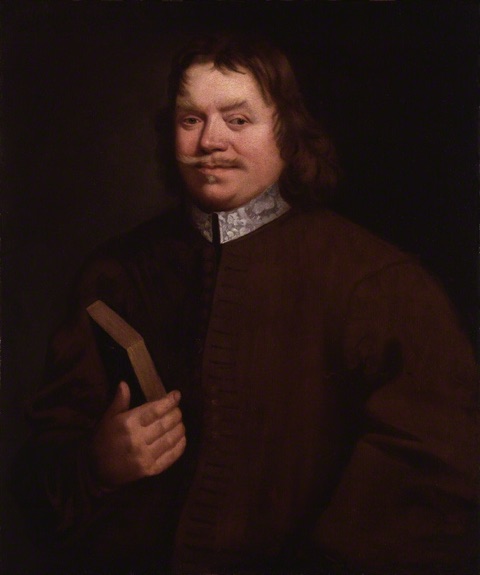
About the author
John Bunyan
John Bunyan (1628 to 1688 AD) was a tinker's son from Elstow, near Bedford, who served as a soldier in the Parliamentary army, came to faith after years of spiritual struggle, and became a preacher in a separatist congregation at Bedford. In November 1660 he was arrested for preaching without a license and spent most of the next twelve years in the Bedford county jail. Several poems in this volume come from that time: Prison Meditations answers a friend's letter from inside the jail, and One Thing Is Needful and Ebal and Gerizim were also written in prison. Released in 1672, he became pastor of the Bedford church, and The Pilgrim's Progress followed in 1678. A Book for Boys and Girls came out in 1686, two years before his death in London. It shares the habit of mind behind his allegories: seeing in everyday things a picture of the soul's road to heaven or to hell.