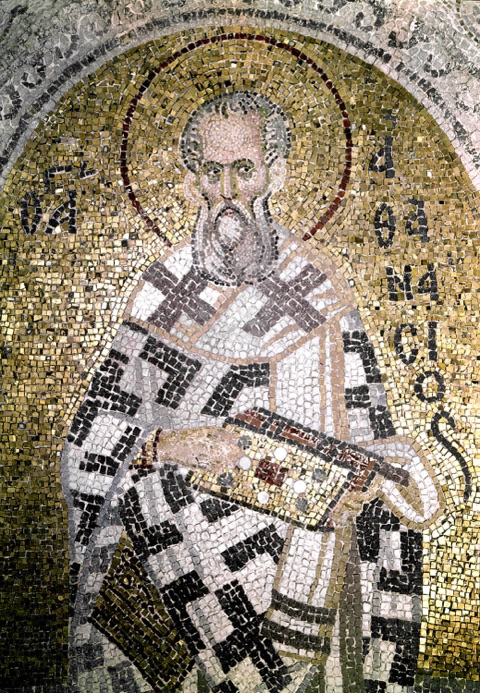
The Ecumenical Councils
The seven general councils of the early church, from Nicaea in 325 AD to Second Nicaea in 787 AD, whose creeds and canons defined the doctrine of the Trinity and of Christ.
Biography
The seven ecumenical councils were gatherings of bishops called by the emperors to settle disputes that divided the church: Nicaea (325 AD), Constantinople (381 AD), Ephesus (431 AD), Chalcedon (451 AD), Second Constantinople (553 AD), Third Constantinople (680 to 681 AD) and Second Nicaea (787 AD). Each issued statements of faith, and most issued canons on church order and discipline.
Why Councils Matters
The Nicene Creed and the Definition of Chalcedon came from these councils. The first four in particular are received by Roman Catholic, Eastern Orthodox and Protestant churches as faithful summaries of what Scripture teaches about the Trinity and the person of Christ.